
Table of Contents
- The Speed-to-Lead Crisis: Why 42 Hours Is 42 Hours Too Late
- AI-Powered Follow-Up: The Technology Behind Your New Best Salesperson
- Three Ways Automated Follow-Up Drives Revenue for Home Service Businesses
- The Math: How a Virtual Sales Rep Pays for Itself in Month One
- Why Most Marketing Agencies Stop at Lead Generation (And Why We Don’t)
- Final Thoughts
You spend thousands on Google Ads and SEO. Leads pour in. Then… crickets. Why? Because by the time you call them back, they’ve already hired your competitor. This scenario plays out daily across the home service industry. Contractors invest heavily in marketing to generate quality leads, only to watch them slip away due to slow or inconsistent follow-up. It’s the “leaky funnel” problem—and it’s costing you real money. Industry data shows that most home service businesses lose 50-70% of prospects simply because they don’t respond fast enough or follow up persistently enough. The stakes are higher than you might think. Businesses that contact leads within one hour are seven times more likely to qualify them compared to those who wait just one hour longer. Yet the average response time in the home service industry is a staggering 42 hours—far too slow to capture consumer intent in today’s instant-gratification economy. The solution? AI-driven automated follow-up systems that act as a “24/7 Virtual Sales Rep”—ensuring instant, persistent, and intelligent engagement with every lead that comes through your door. In this article, you’ll learn how automation closes the critical gap between lead generation and revenue, why speed and persistence matter more than ever, and how to implement these systems in your business to stop losing money on the table.
The Speed-to-Lead Crisis: Why 42 Hours Is 42 Hours Too Late
The Consumer Expectation Shift
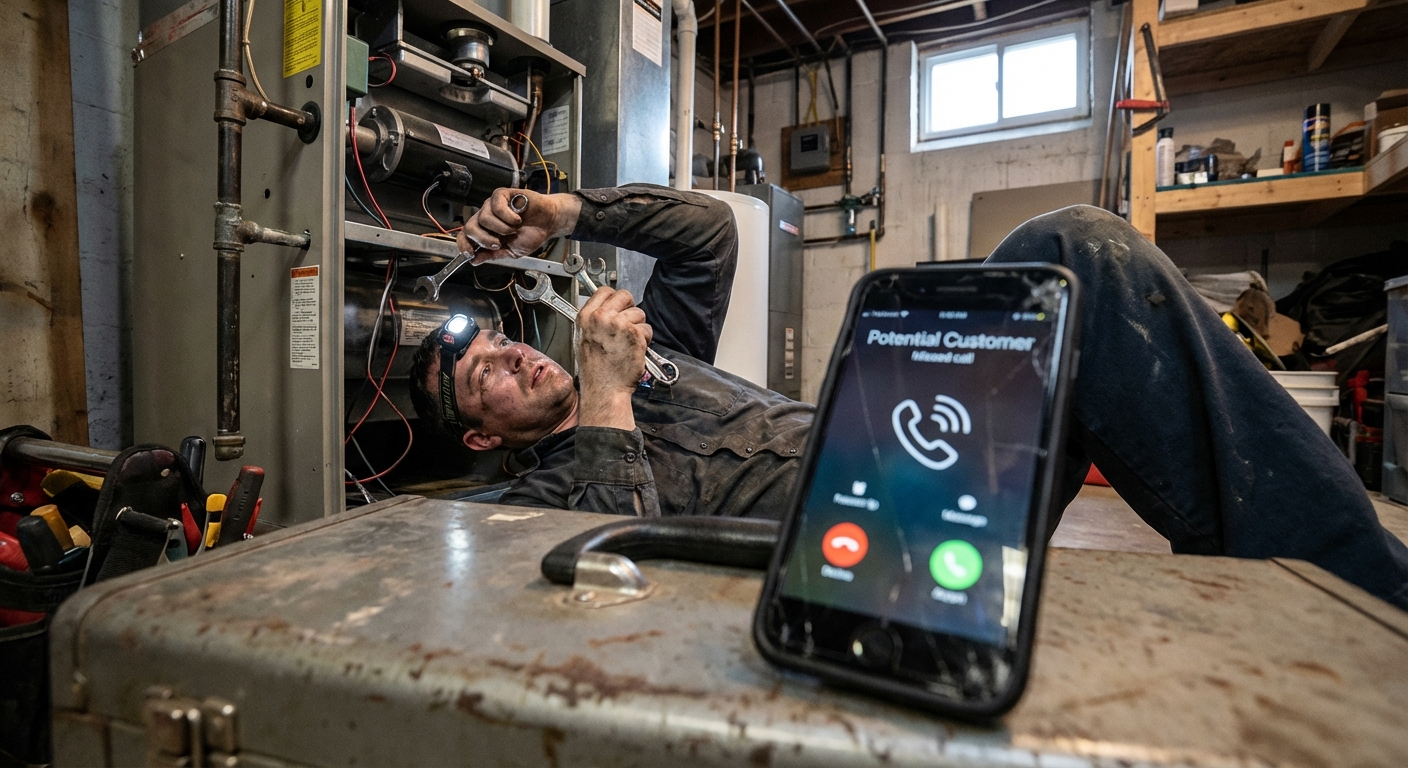
Modern consumers expect responses within minutes, not days. When someone’s AC breaks on a 95-degree afternoon or they discover a roof leak during a rainstorm, they’re not going to wait patiently for you to return their call at the end of your workday. They’re going to keep scrolling through Google’s local search results until they find a contractor who responds immediately. This shift in consumer behavior has created a crisis for home service businesses that rely on traditional, manual follow-up methods. By the time you finish a job, check your voicemail, and start returning calls at 6 PM, your potential customer has already scheduled an appointment with the competitor who texted them back at 10 AM.
The Numbers Don’t Lie
The data paints a stark picture of how quickly leads decay without immediate engagement: Response Time Impact: The average response time for high-ticket leads in the home service industry is 42 hours. This isn’t just slow—it’s catastrophic for conversion rates. Research shows that businesses attempting contact within the first hour are nearly seven times more likely to qualify a lead compared to those who wait just one hour longer, and more than 60 times as likely compared to companies that wait 24 hours or more.
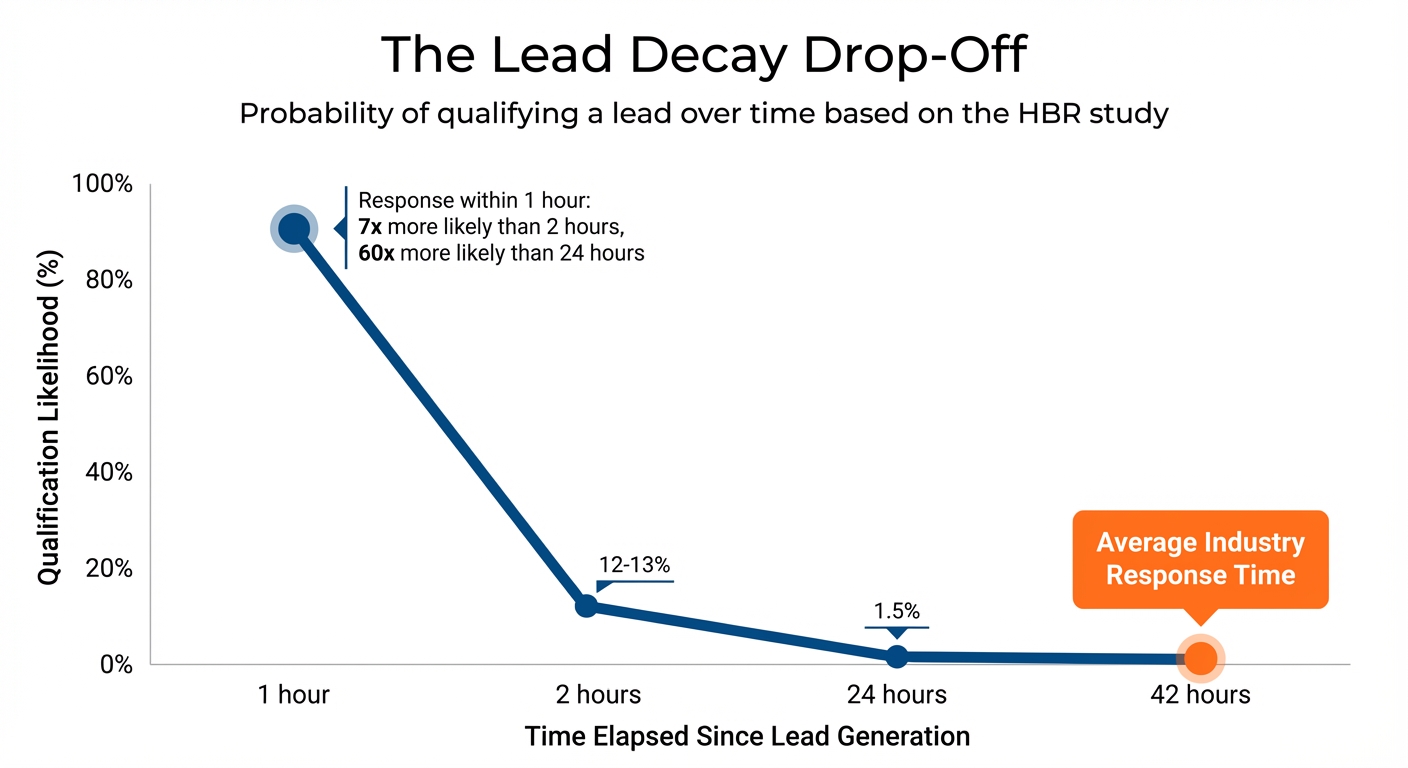
The chart above illustrates the dramatic drop in conversion probability as response time increases. Each passing hour represents not just a delay, but exponentially diminishing chances of winning the job. Follow-Up Persistence: Speed alone isn’t enough. Studies show that 44% of salespeople give up after just one follow-up attempt. Yet the data is clear: 80% of sales require five or more follow-ups to close. This persistence gap means that even when contractors do respond quickly, they often abandon promising leads prematurely.
The Real-World Impact on Your Bottom Line
For a roofing contractor with a $10,000 average job value, losing even 10% of qualified leads due to slow follow-up translates to tens of thousands in lost monthly revenue. Consider this scenario:
- You receive 100 leads per month
- Your current close rate is 20% (20 jobs)
- Average ticket: $10,000
- Monthly revenue: $200,000
If slow follow-up causes you to lose just 10% of potentially qualified leads (10 leads that could have converted at your standard 20% rate):
- You’re losing 2 additional jobs per month
- That’s $20,000 in lost monthly revenue
- Or $240,000 in lost annual revenue
And that’s a conservative estimate. The actual loss is likely higher when you factor in referrals and repeat business from those missed customers.
Why Manual Follow-Up Fails
Service professionals are busy on job sites. You’re installing HVAC systems, repairing roofs, or fixing plumbing emergencies. The nature of your work demands your physical presence and full attention. This creates an inherent conflict: the very time you’re most valuable to your existing customers is the exact time you should be responding to new leads. Even with a dedicated office staff, manual follow-up systems struggle to keep pace with modern consumer expectations. Phone calls go to voicemail. Emails sit unread. Text messages get delayed. By the time you connect with a prospect, they’ve already moved on to the next contractor in their search results who was faster and more responsive.
AI-Powered Follow-Up: The Technology Behind Your New Best Salesperson
What Is a Virtual Sales Rep?
A Virtual Sales Rep isn’t a person—it’s a sophisticated combination of AI-driven workflows, SMS automation, and intelligent triggers that instantly respond to leads, nurture unclosed estimates, and re-engage past clients. It operates 24/7, never takes a day off, and never forgets to follow up. Most importantly, it responds in seconds, not hours or days. Think of it as your best salesperson who never sleeps, never gets distracted, and always follows the perfect script—multiplied across every single lead that enters your system.
The Three Core Technologies
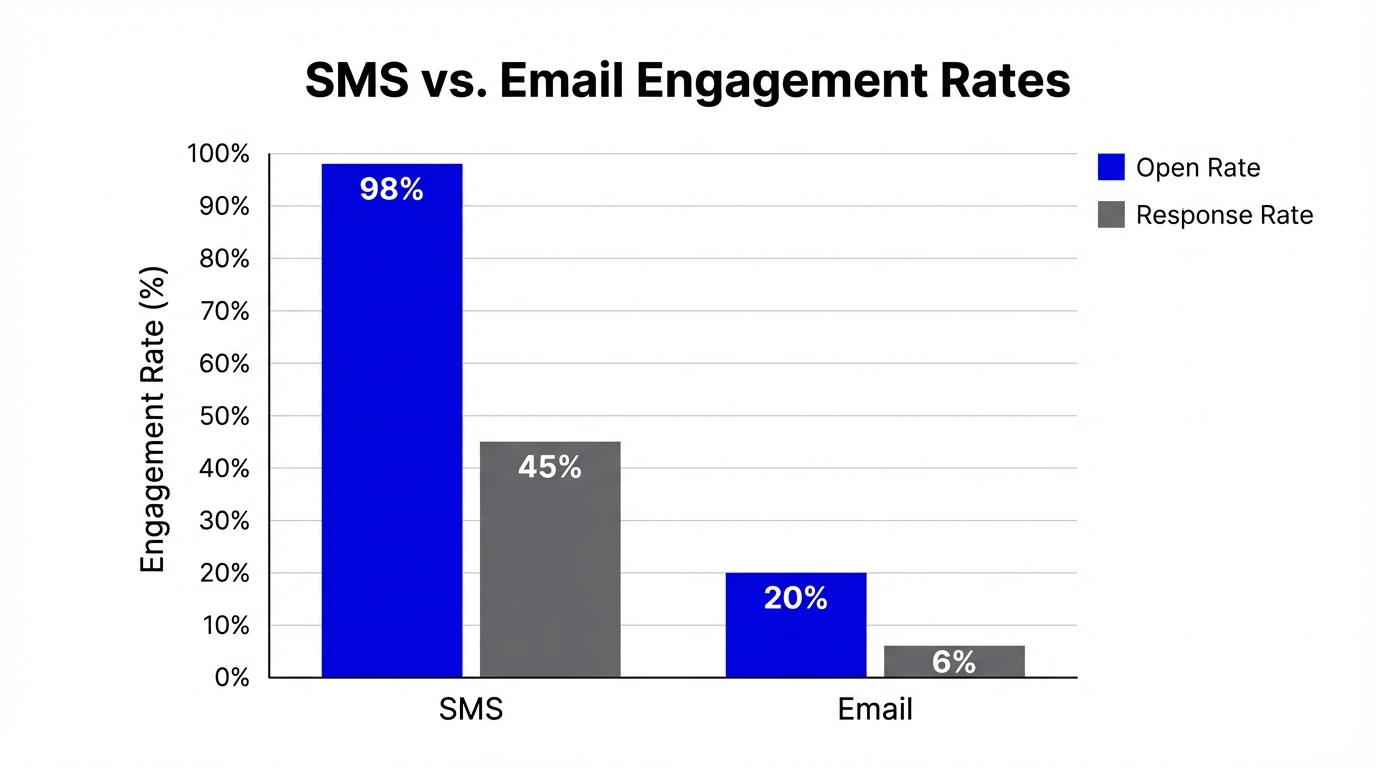
1. SMS Automation: The Fastest Path to Engagement Text messaging has become the dominant communication channel for urgent service needs, and the statistics prove why. SMS messages have a 98% open rate compared to email’s 20%, and a 45% response rate versus email’s mere 6%. When someone needs their broken AC fixed or their leaking roof repaired, they’re far more likely to respond to a text than check their email. For home service businesses, this makes SMS the ideal first-contact channel. An instant text message creates immediate engagement while your competitor’s call is going straight to voicemail. 2. AI & Natural Language Processing: Smart, Adaptive Follow-Up Modern AI systems can “read” a prospect’s response and adjust the follow-up sequence accordingly. If a lead texts back, “I need to talk to my wife,” the AI recognizes this as a delay signal and automatically schedules a gentle reminder for three days later, perhaps including a link to financing options that might make the decision easier. This intelligence extends beyond simple keyword matching. Natural Language Processing allows the system to understand context, sentiment, and intent—enabling it to respond appropriately to questions, objections, and requests without human intervention. Research shows that implementing AI in sales processes can increase leads by 10-20% and boost conversion rates by up to 20%. 3. Automated Email Nurturing: Long-Term Relationship Building While SMS excels at immediate engagement, automated email sequences handle the long-game perfectly. They’re ideal for sending detailed information that prospects need to make informed decisions: case studies showing your previous work, customer testimonials, detailed scope-of-work documents, financing options, and seasonal promotions. These email sequences work in tandem with SMS to create a comprehensive, multi-channel approach that keeps your business top-of-mind throughout the customer’s decision-making process.
How It All Works Together
Here’s a real-world example of how these technologies create a seamless lead engagement system:
Your competitor won’t even see Sarah’s inquiry until Monday morning—and by then, you’ve already scheduled the job, showed up, completed the repair, and collected payment.
Three Ways Automated Follow-Up Drives Revenue for Home Service Businesses

Strategy #1: Speed-to-Lead Automation (Instant First Contact)
The Problem: By the time you manually return a call, the prospect has already contacted 3-5 other contractors and is actively comparing options. Whoever responds first has a massive advantage—they set the baseline for price, scope, and timing that other contractors must compete against. The Solution: Automated SMS fires within 60 seconds of form submission, locking in the conversation before competitors even know the lead exists. This instant response doesn’t just make you look professional—it fundamentally changes the competitive dynamics in your favor.
Example Workflow:
A lead submits a form at 2 AM requesting an HVAC estimate. The system immediately sends: “Hi Sarah, we received your request for AC repair. Our techs are available today at 10 AM or 2 PM. Which works better?” Sarah replies at 7 AM: “10 AM works!” The system confirms: “Perfect! We’ll see you at 10 AM. Our technician Mike will call you 30 minutes before arrival. Here’s what to expect: [link to service process page]” Job secured before your competitor’s office even opens for business.
Strategy #2: Nurturing Unclosed Estimates (Turn “Maybe” Into “Yes”)
The Problem: In home services, “sticker shock” is a real phenomenon. A prospect gets a $7,000 roof estimate and says, “I need to think about it.” Without strategic follow-up, they ghost—either putting off the repair indefinitely or finding a cheaper (often lower-quality) competitor. The Solution: AI automatically follows up at strategic intervals with value-adds that address the most common objections: financing concerns, quality assurance, time-sensitive incentives, and social proof.
Example Workflow:
Day 1 (24 hours after estimate): “Hi John, just following up on your roofing estimate. Did you have any questions about the scope of work or materials we discussed?” Day 3: “Hi John, I wanted to let you know we offer 0% financing for 12 months on roof replacements. This would bring your monthly payment to around $580. Would that make the project more manageable?” Day 7: “Hi John, just a heads up—we’re running a limited-time promotion this week offering 10% off roof replacements ($700 savings on your project). We have one slot available this Friday if you’d like to lock it in.” Day 14: “Hi John, I know replacing a roof is a big decision. Here’s a link to our recent projects in your neighborhood: [link]. You can see the quality of our work and read reviews from your neighbors. Happy to answer any questions.” This persistent, value-driven approach keeps your business top-of-mind and systematically addresses the most common reasons prospects delay making a decision.
Strategy #3: Database Reactivation (Re-Engage Past Clients)
The Problem: Acquiring a new customer costs 5-25 times more than retaining an existing one. Yet most home service businesses have hundreds or thousands of past clients sitting dormant in their CRM—customers who already trust them, already know the quality of their work, and are likely to need service again. The Solution: Automated seasonal campaigns mine your CRM and proactively reach out to past clients with timely, relevant offers based on their service history.
Example Workflow:
Every October: The system identifies all past HVAC clients and sends: “Winter’s coming! It’s time to schedule your annual furnace tune-up. Book by October 31st and save 15%. Click here to schedule: [booking link]” Every Spring: Past roofing clients receive: “Spring storm season is here. We’re offering free roof inspections for past customers. Catch small problems before they become big leaks. Schedule your free inspection: [booking link]” Service Anniversary Follow-Up: One year after a major installation: “It’s been a year since we installed your new HVAC system. Time for your annual maintenance to keep your warranty active. Schedule here: [booking link]” These automated campaigns generate immediate revenue from customers who already trust you—with minimal effort and maximum ROI.
The Math: How a Virtual Sales Rep Pays for Itself in Month One
Real Numbers from Real Businesses
Salesforce’s SMB study found that businesses using AI-driven sales automation saw a 30% increase in deal closures compared to manual-only approaches. For home service businesses, these gains translate directly to bottom-line revenue.
A Real-World HVAC Example
Let’s look at a concrete example with real numbers:
| Metric | Current State (Manual) | With Automation |
|---|---|---|
| Monthly Leads | 100 | 100 |
| Close Rate | 20% | 28% |
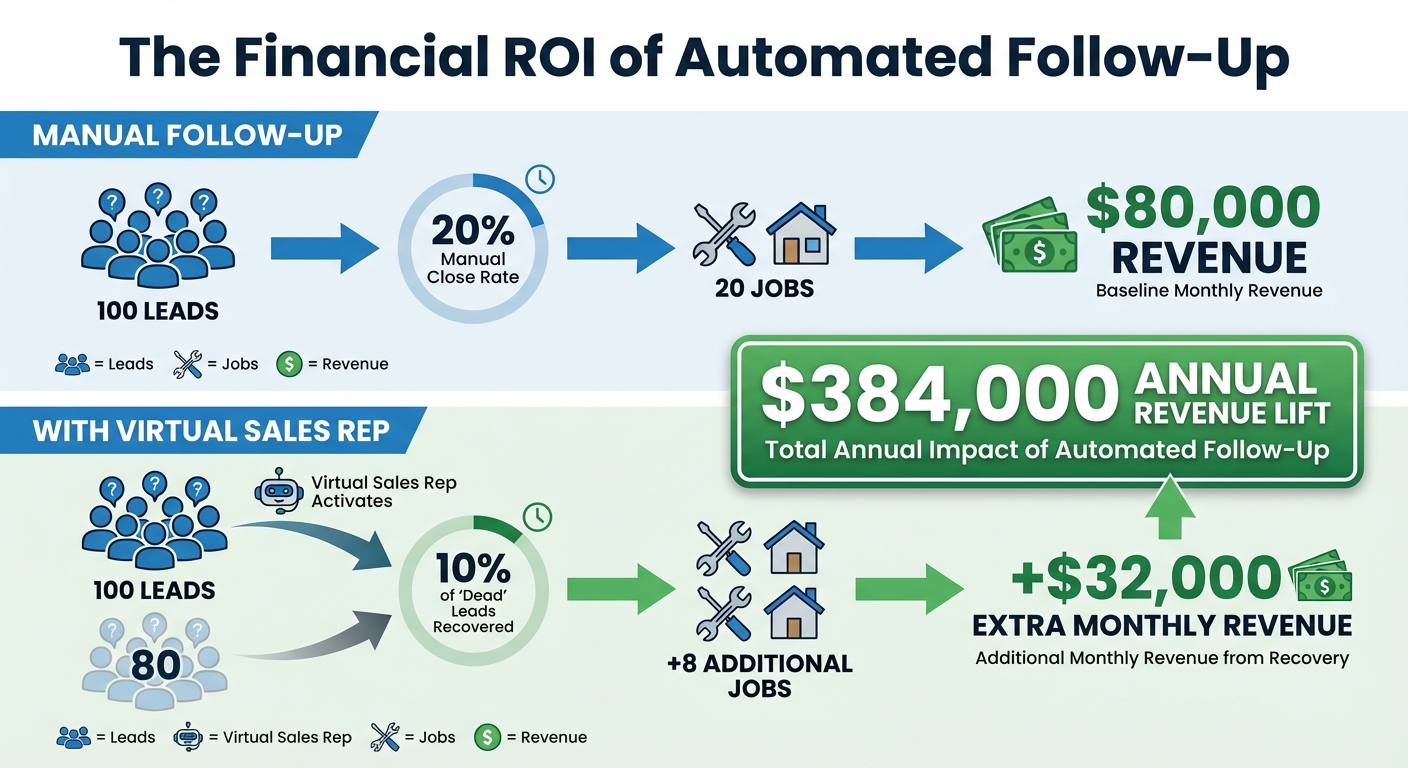
| Jobs Closed | 20 | 28 |
| Average Ticket | $4,000 | $4,000 |
| Monthly Revenue | $80,000 | $112,000 |
| Annual Revenue | $960,000 | $1,344,000 |
The Bottom Line:
- Monthly revenue increase: $32,000
- Annual revenue increase: $384,000
- Additional profit (at 30% margin): $115,200
And this is from recovering just 10% of leads. Many businesses see even higher gains, particularly in the first few months when database reactivation campaigns contact hundreds or thousands of past clients who haven’t heard from the business in months or years.
Cost vs. Return: The ROI Is Obvious
Most automation platforms cost between $200-$500 per month. Let’s use the high end of that range:
| Financial Metric | Amount |
|---|---|
| Monthly System Cost | $500 |
| Monthly Revenue Increase | $32,000 |
| Monthly Profit Increase (30% margin) | $9,600 |
| Net Monthly Gain | $9,100 |
| ROI | 1,720% |
If the system closes even one extra $5,000 job per month, it’s paid for itself 10 times over. In reality, it’s closing 8 additional jobs in this example—generating returns that dwarf the investment.
Why Most Marketing Agencies Stop at Lead Generation (And Why We Don’t)
The Industry Blind Spot
Most SEO and PPC agencies obsess over traffic metrics and lead volume. They’ll send you monthly reports bragging about delivering 50 leads, improving your search rankings, or reducing your cost-per-click. But here’s what they won’t tell you: they have no idea—and frankly, don’t care—how many of those leads actually turned into paying jobs. This creates a fundamental misalignment of incentives. The agency gets paid for delivering leads, not revenue. So they optimize for lead quantity, not lead quality or conversion. They drive traffic and wash their hands of what happens next.
The Lithium Marketing Difference
At Lithium Marketing, we believe traffic is useless if leads don’t close. That’s why we don’t just stop at the top of the funnel. We integrate AI-powered follow-up automation into every strategy we deploy—ensuring every dollar you spend on SEO or ads translates into actual revenue, not just vanity metrics.
The Full-Funnel Approach
Top of Funnel: We drive high-intent traffic through local SEO, Google Business Profile optimization, and targeted content marketing that answers your customers’ most pressing questions. Middle of Funnel: We capture that traffic with optimized landing pages, clear calls-to-action, and conversion-focused web design that turns visitors into leads. Bottom of Funnel: We deploy the Virtual Sales Rep through our custom AI business solutions to instantly engage every lead, persistently nurture unclosed estimates, and systematically re-engage past clients—turning leads into booked jobs. This comprehensive approach means you’re not just buying “leads.” You’re buying a complete system that turns clicks into customers—automatically, predictably, and profitably.
Why This Matters for Your Business
When you work with an agency that only focuses on lead generation, you’re still left with the same fundamental problem: manually following up with every inquiry, competing on response time against businesses using automation, and watching qualified leads slip through the cracks. When you work with Lithium Marketing, you get a partner invested in your actual revenue—not just your web traffic. We close the loop between marketing spend and business results, giving you full visibility into which marketing activities are actually driving jobs and revenue.
Final Thoughts
Slow, inconsistent follow-up is the silent profit killer for home service businesses. You can have the best SEO strategy, the most beautiful website, and the highest-quality service in your market—but if you’re losing leads to faster competitors, none of it matters. AI-driven automated follow-up isn’t just a “nice-to-have” technology anymore—it’s a competitive necessity. Your competitors are already using these systems. Your customers already expect instant responses. The gap between businesses that adapt and those that don’t will only widen. The Virtual Sales Rep solves the core problem that’s plagued home service businesses since the beginning: how to be everywhere, respond to everyone, and never miss an opportunity—all while you’re busy doing the actual work that makes your business great. Speed and persistence are non-negotiable in today’s market. The good news? You don’t have to hire more staff, work longer hours, or sacrifice quality to achieve them. You just need the right technology working for you 24/7.
Ready to Stop Losing Leads and Start Closing More Jobs?
Lithium Marketing doesn’t just drive traffic—we build systems that turn clicks into customers.
References:
- Oldroyd, J. B., McElheran, K., & Elkington, D. (2011). The Short Life of Online Sales Leads. Harvard Business Review. https://hbr.org/2011/03/the-short-life-of-online-sales-leads
- HubSpot. (2023). Key Sales Statistics That Will Help You Sell Smarter in 2023. https://blog.hubspot.com/sales/sales-statistics
- Gartner. (2022). Tap Into the Power of SMS Marketing. https://www.gartner.com/en/marketing/insights/articles/tap-into-the-power-of-sms-marketing
- McKinsey & Company. (2023). AI in B2B sales: The new frontier. https://www.mckinsey.com/capabilities/growth-marketing-and-sales/our-insights/ai-in-b2b-sales
- Gallo, A. (2014). The Value of Keeping the Right Customers. Harvard Business Review. https://hbr.org/2014/10/the-value-of-keeping-the-right-customers
- Salesforce. (2022). Small and Medium Business Trends Report. https://www.salesforce.com/news/stories/smb-trends-report-2022/