
Web Design Built for Qualified Leads
Built to turn search traffic into calls, booked consultations, quote requests, and measurable sales opportunities.
Lithium designs service-business websites around one practical question: how does a visitor move from search result, ad click, referral, or AI answer to a call, form, appointment, quote request, or booked job. We work with home services, healthcare, professional services, local retail, hospitality, automotive, specialty trades, and B2B teams that need the website to produce real lead flow.
- Google Partner certified
- Meta Business Partner
- 5.0 ★ across 30+ Google reviews
- 100+ clients served nationwide
- $10M+ in Google Ads managed
- Marketing services since 2010
Partner
Most service-business websites lose the lead before the buyer is ready to call.
Most service-business websites are judged on a phone before the visitor has time to admire the design. A homeowner, patient, property manager, restaurant guest, shop buyer, or B2B decision-maker usually arrives with a problem already in mind. The page has to explain what you do, why the business can be trusted, and what to do next before that visitor decides another company looks easier to contact.
“ Buyers decide whether to call you in under three seconds, on a phone.
The decision happens above the fold. They scan the hero, check the next step, look for one proof point, and either call, book, submit, or leave. The buyer is typing plumber near me or dentist open today and choosing from providers that look specific, credible, fast, and easy to reach. If the page loads slowly, hides the conversion path, or sounds like generic agency filler, that buyer is gone before analytics can tell the full story.
Where many websites fail is the lead-flow path. The mobile page is heavy. The offer is vague. The phone number or form is buried. Proof sits below long copy. The page was designed to look presentable, not to handle real search intent, paid traffic, answer-engine visibility, and sales follow-up. Rebuilt around how buyers actually decide, the same traffic can become more calls, better forms, cleaner attribution, and a website the business can keep improving after launch.
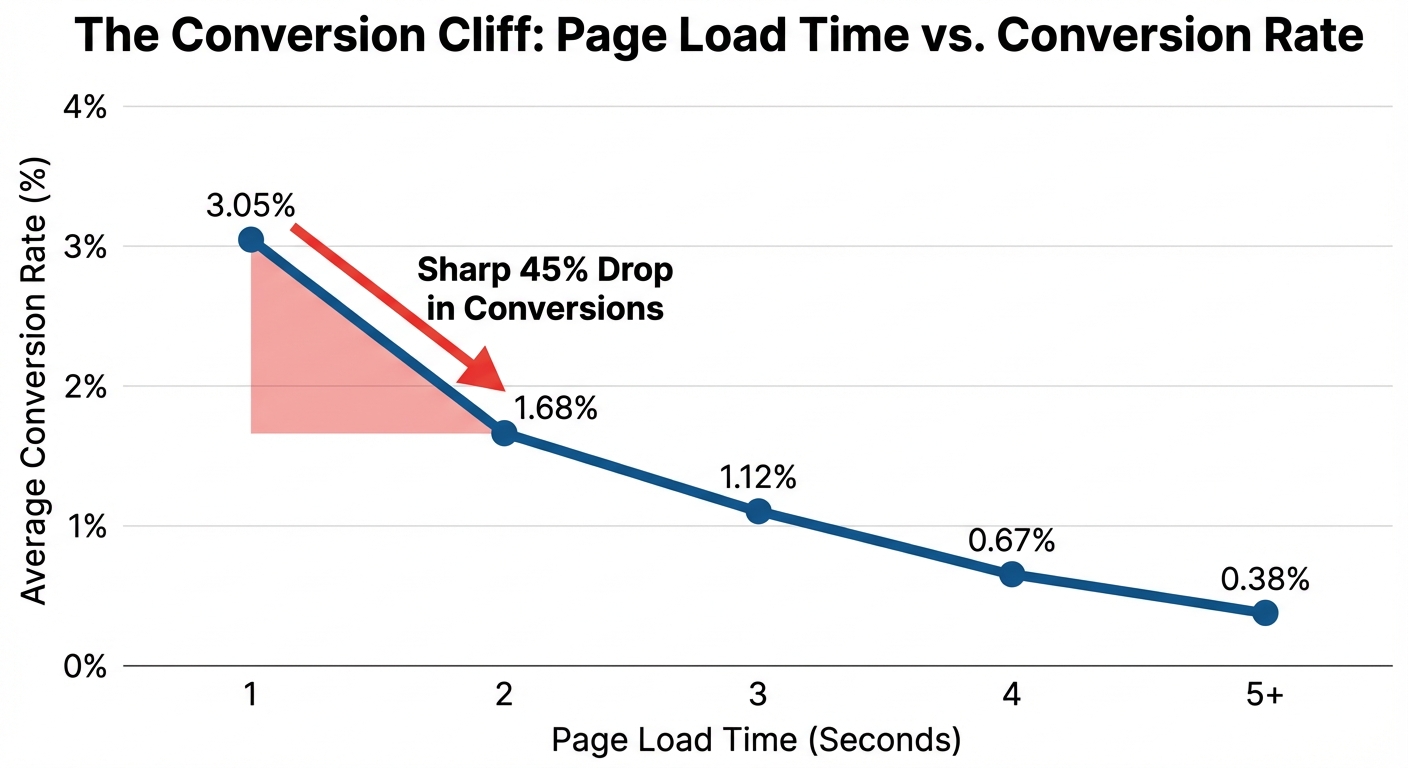
Slow mobile load = lost lead
Google’s research shows mobile visitors abandon a page that takes longer than three seconds to load. About 53% leave, with each additional second costing roughly 7% of conversion rate. For service businesses, speed is not polish. It protects calls, forms, bookings, ad spend, and every qualified visitor the company paid to earn.
No one-tap path to call you
Buyers do not want to hunt through a menu when the need is urgent. The phone number, quote path, booking option, service detail, and trust cue need to be obvious from the first screen. A mobile visitor should understand how to reach the business before another tab or competitor pulls attention away.
Built for looks, not for ranking
A site without schema markup, clean URLs, fast Core Web Vitals, helpful service pages, and Google Business Profile alignment is easier to outrank. Search engines need to understand what the business does, who it helps, where it works, and why buyers should trust it before the site can support durable visibility.
No proof above the fold
A homeowner, patient, practice manager, facilities lead, restaurant guest, or high-intent B2B buyer may compare several providers in one sitting. If the page shows no reviews, project proof, credentials, service clarity, or trust cue near the first CTA, the better-framed competitor earns the conversation.
Eight things every service-business website needs in 2026, built in from day one rather than patched in later.
Every website we ship for a service business carries the same eight foundations. These are the pieces that turn a site from a design project into a measurable lead-generation asset, with search, paid traffic, analytics, and conversion paths planned before build work begins.
Sub-2.5-second mobile load
Every site we ship targets a Largest Contentful Paint under 2.5 seconds, an Interaction to Next Paint under 200 milliseconds, and Cumulative Layout Shift below 0.1. We validate against those targets on real mobile conditions because leads do not wait for heavy pages to settle.
Mobile-first conversion path
Sticky call and quote options stay within thumb reach as visitors move through the page. Click-to-call links are wired correctly, forms ask only for useful qualifying details, and every conversion path is built for a real person on a phone.
Above-the-fold value proposition
The hero answers four questions quickly: what you do, who you help, why a buyer should trust you, and what to do next. We avoid empty welcome copy, vague service promises, and visuals that do not match the actual business.
SEO-ready architecture
Google Business Profile and SEO integration
Name, address, phone, service categories, reviews, and service-area details need to stay consistent across the website and Google Business Profile. LocalBusiness and Service schema support the site, while service pages and internal links give Google a clearer understanding of what the business should rank for.
Real proof, placed where it converts
Verified reviews, service proof, project examples, and clear credentials sit near the decisions they support. We do not lean on invented badges or generic logo strips. The page should make a visitor feel they found a real business, not a brochure.
Tracking that ties leads to revenue
GA4 events fire on every form submission, booking action, and click-to-call. Call tracking connects conversations back to traffic source, and conversion tags are wired to Google Ads before campaigns send paid traffic into the new site.
WCAG-aware, AI-search-ready
Color contrast, semantic HTML, keyboard navigation, and structured Q&A blocks help people and answer engines parse the page. We write concise openings so AI Overviews, ChatGPT, and Perplexity can quote the business accurately.
How a third-generation Gulf Coast glass company drove 76% more conversions after we rebuilt their site.
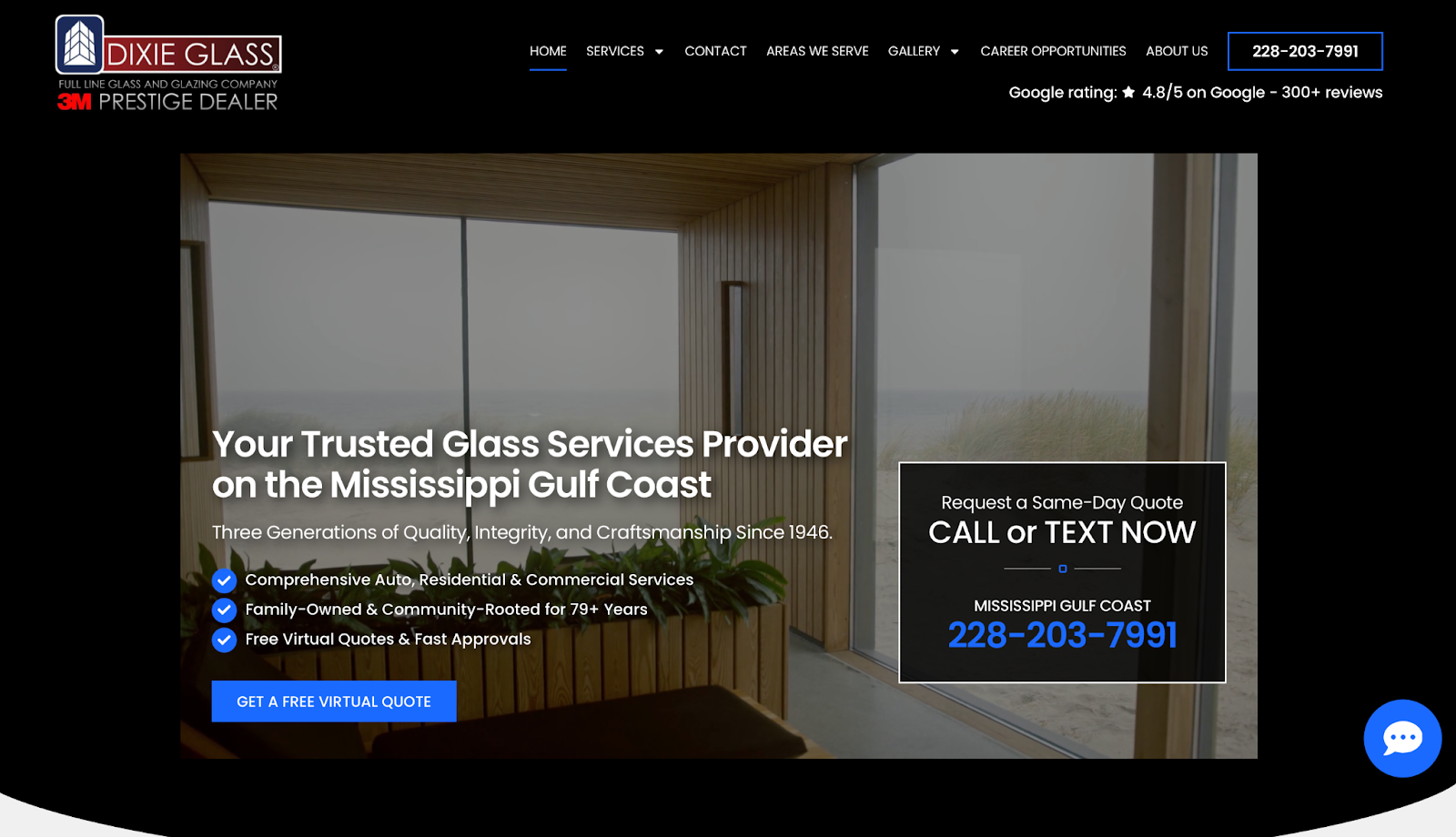
Dixie Glass, a Mississippi Gulf Coast glass company that has been serving Pascagoula, Lucedale, and Gulfport since 1946, came to Lithium with an outdated Wix site and rising ad spend producing flat results. We rebuilt the site on WordPress around the lead-flow path, rebuilt the Google Ads campaigns with proper conversion tracking, and layered an authoritative SEO program on top. Within twelve months, conversions climbed 76 percent on a 2.29 percent increase in ad spend, search visibility rose 71.2 percent, and organic traffic grew 18.2 percent.
More conversions
Organic traffic growth
Search visibility growth
DIXIE GLASS | WEBSITE REBUILD CASE STUDY

Service businesses where a conversion-engineered website moves the most revenue.
The best fit is a business where every qualified lead has real economic value. That includes companies selling booked jobs, appointments, consultations, estimates, reservations, service calls, project work, and B2B conversations. The website has to make the offer clear, load fast on mobile, place proof near each call to action, and connect traffic sources to real revenue.
HVAC, plumbing, electrical, roofing, restoration, cleaning, pest control, lawn care, and other home-service companies need websites that handle urgent intent. A buyer may be comparing several providers from a phone. The site has to show services quickly, explain availability and service area clearly, and make tap-to-call effortless. We structure these pages around emergency intent, review proof, quote paths, and SEO architecture that does not bury the phone number.
Dental, medical, chiropractic, therapy, med spa, veterinary, and specialty-care practices compete for patients who want clarity before they call. They look for insurance notes, appointment options, provider trust, reviews, location details, and plain-language service pages. We build practice websites with patient-friendly copy, appointment CTAs, structured FAQs, and search foundations that help the right people understand whether the practice is a fit.
Contractors, remodelers, roofers, painters, builders, landscapers, and specialty trades need more than a gallery. Buyers want proof that you handle their type of property, respond clearly, and can be trusted in the home or on the job site. We build contractor websites with project categories, before-and-after proof, estimate language, financing notes when relevant, and conversion tracking so the best job types become easier to win.
Attorneys, accountants, insurance agents, consultants, financial advisors, and other professional-service firms often sell trust before they sell a service. The website needs to clarify practice areas, answer first-call questions, show credentials, and route visitors to the right next step. We write and structure these sites so a visitor can understand fit, process, consultation options, and credibility without hunting through generic firm copy.
Restaurants, cafes, event venues, hotels, caterers, private-event spaces, and hospitality businesses need sites that handle practical decisions fast. Hours, menus, reservations, private events, reviews, maps, galleries, and mobile ordering all compete for attention. We build sites that keep the brand polished while making high-intent actions easy from a phone.
Auto repair, body shops, detailing, tire, glass, towing, equipment repair, and fleet service businesses win urgent searches. Drivers and fleet managers are looking for help immediately. The site needs service categories, phone-first CTAs, review proof, warranty or estimate language, and pages that can support both organic rankings and Google Ads traffic.
Specialty retail has to compete with local shops, national chains, marketplaces, and social media discovery at the same time. Whether the business sells home goods, outdoor gear, food, gifts, wellness products, parts, or repair services, the website should make inventory, location, brand story, reviews, and contact options easy to understand.
B2B, industrial, logistics, manufacturing, technology, and professional-service firms need credibility before a purchasing manager, facilities lead, or founder asks for pricing. These sites should explain capabilities, industries served, service territory, certifications, response process, and proof. We build B2B websites that make complex offerings easier to scan and connect lead forms to measurable pipeline.
From kickoff to launch in six to nine weeks, with weekly decisions instead of mystery delays.
We do not disappear for a month and return with a surprise design. The Lithium process runs on a weekly cadence of review, decide, build, so you know what is happening and what we need from you.
Discovery & strategy
We map your service mix, real buyers, revenue per lead, competitive landscape, and current acquisition channels. We pull Google Search Console, GA4, call tracking, CRM, and SEMrush data when available. Before mockup work begins, we agree on the conversion goal the site has to support.
Information architecture & content plan
You receive a sitemap, URL structure, schema plan, content outline, and page-by-page brief. SEO and conversion thinking are built into the architecture before design starts, so the finished site can support search traffic and paid campaigns from day one.
Design direction
We present desktop and mobile design direction tied to the brief. You react, we refine, and once the system is approved every page follows it. The brand gets room to feel custom without turning the build into a slow guessing game.
Build, content, integrations
We build the site in Elementor on WordPress and write SEO-optimized copy in parallel. The build phase also includes forms, GA4 events, call tracking, Google Ads conversion tags, Google Business Profile alignment, schema, and any CRM or booking integrations needed to make leads trackable.
QA, launch, indexing
We run mobile QA on real devices, validate Core Web Vitals against Google’s thresholds, and validate schema in the Rich Results Test. Redirects from old URLs are mapped, Search Console is checked, analytics events are tested, and launch only happens after the site is ready for visitors and crawlers.
30 / 60 / 90-day tracking
We watch conversion rate, organic impressions, lead quality, page speed, and Core Web Vitals on a weekly cadence. Reports are written in plain English. The relationship does not end at launch because the site should keep improving as the data comes in.
Engineered to surface in Google AI Overviews, ChatGPT, Perplexity, and Claude when buyers ask.
AI search referrals are becoming a meaningful share of organic traffic for service businesses. The underlying signals overlap with classic SEO: authoritative content, consistent entity data, structured answers, reviews, citations, and pages that explain the service better than thin keyword copy. A website should be understandable to people and machines, with clear page structure that AI Overviews, ChatGPT, and Perplexity can parse without guessing.
Quotable answer blocks
Every key question on the page opens with a direct answer an AI engine can extract cleanly. The supporting context follows, but the quote-ready sentence stays first so Google AI Overviews, ChatGPT, and Perplexity do not have to guess.
Fact density and citations
Real numbers, real dates, real services, real proof. Generative engines reward pages that read like an actual expert wrote them: specific service categories, dated case studies, client proof, process detail, measurable claims, and answers that can be checked. We avoid vague filler because it gives AI systems nothing reliable to quote.
Schema for generative engines
LocalBusiness, Service, FAQPage, Article, Speakable, and HowTo schema give search engines a structured picture of the business. That means services, proof, questions, locations, entity data, and conversion actions are marked clearly enough for classic search and AI search.
Brand consistency across the web
Generative engines build their model of your business from every mention they crawl: your site, Google Business Profile, social profiles, reviews, press, directory listings, citations, and third-party profiles. We audit and align that footprint so the website does not contradict the rest of the business presence.
Topical authority and entity coverage
AI engines reward topical depth more than keyword repetition. A home-services site that explains HVAC, plumbing, electrical, roofing, and restoration in real detail beats one thin page trying to rank for every service. We build service hubs that explain the work clearly and link related topics together.
llms.txt + AI crawler controls
An llms.txt file at the root of your site signals which content AI crawlers can use, and on what terms. Combined with robots.txt rules for AI bots such as GPTBot, ClaudeBot, PerplexityBot, and Google-Extended, plus structured citation policies, this gives the business clearer control over how generative engines represent it.
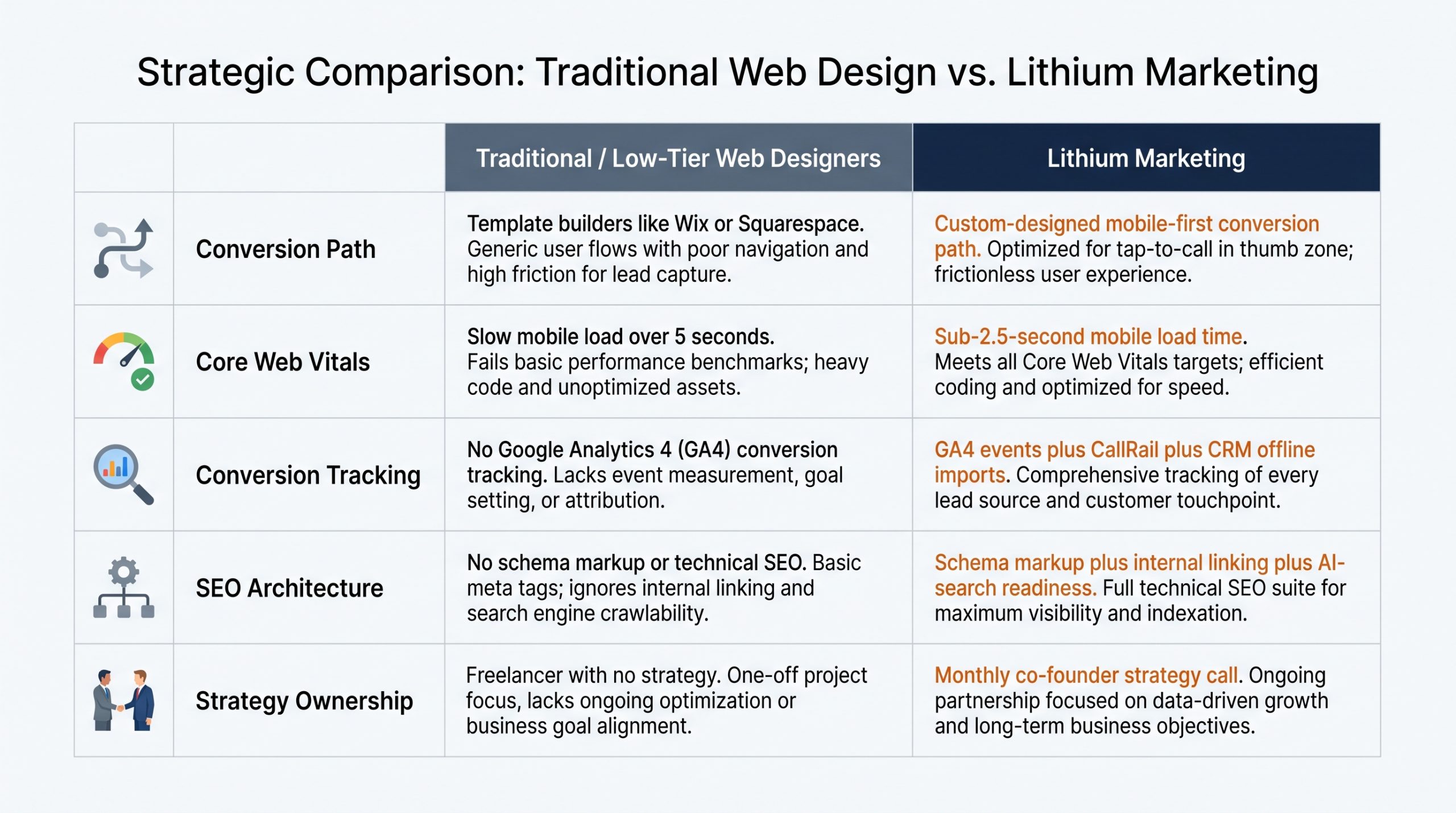
What a service-business owner actually gets, by web-design approach.
Service businesses Lithium has built websites for.
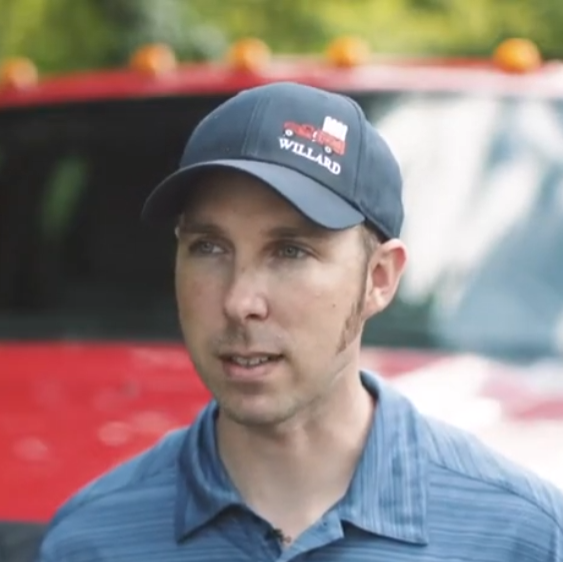
Willard Power Vac
“Lithium Marketing has been amazing for our business. They have greatly increased our web traffic and helped us land hundreds of jobs.”
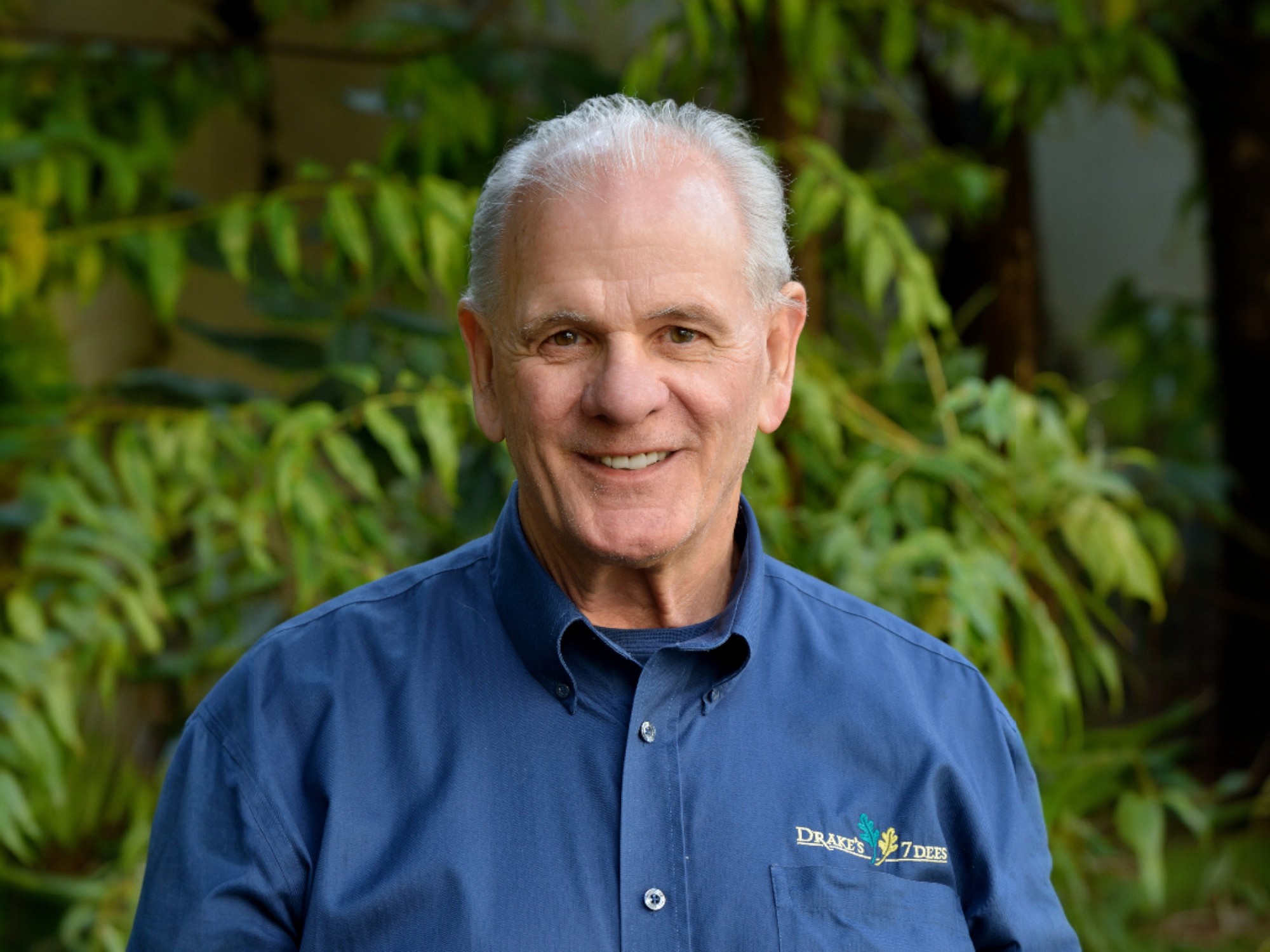
Drake’s 7 Dees
“Lithium has moved us to page 1 in Google search organically.”
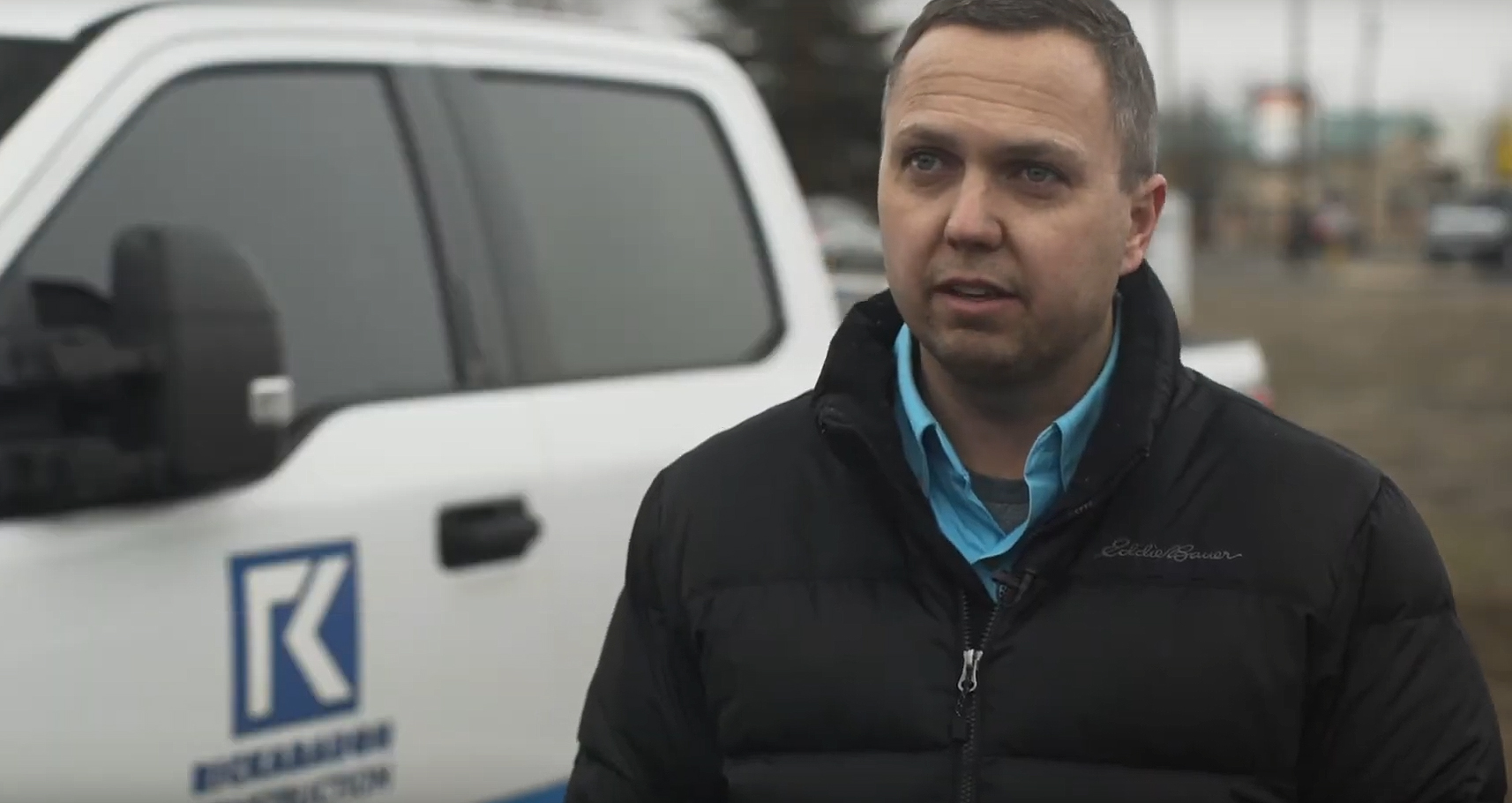
Rickabaugh Construction
“Working with Lithium Marketing has been awesome.”
Web design, straight answers.
A typical Lithium service-business website investment ranges from $5,000 to $20,000 depending on the number of service pages, integrations, content requirements, and conversion tracking needs. After a 30-minute discovery call, we give you a clear scope and fixed proposal. Many clients also pair the launch with ongoing SEO or Google Ads because the site pays back faster with qualified traffic moving to it.
Six to nine weeks from kickoff to launch is the typical timeline for a focused service-business site. Discovery and strategy happen in week one, design direction lands in weeks two and three, build runs through weeks three to six, and launch QA usually happens in weeks six to seven. Larger sites, multi-location structures, or complex integrations can extend that schedule.
A new site does not rank in Google by itself. SEO does. What every Lithium build ships with are the foundations ranking depends on: schema markup, Core Web Vitals targets, clean URLs, crawlable service pages, internal links, proof, and Google Business Profile alignment. From there, ongoing SEO work builds authority, content depth, and market relevance.
Yes. You own the domain, hosting account, WordPress install, design files, content, and any custom code. If you ever leave Lithium, you take the site with you. We build the website as a business asset, not as a rented template you cannot control.
Yes. We build on WordPress with Elementor, so your team can edit pages visually without writing code. We hand off a private Loom walk-through of your specific site, and we can stay involved for technical support, SEO, content, paid traffic, and conversion improvements.
Web design, SEO, Google Ads, analytics, and conversion strategy should not be separate conversations. Lithium builds the site around the traffic it needs to earn and the actions it needs to create. That means content, design, tracking, schema, performance, proof, and post-launch reporting are planned as one connected system.
Three things. First, we run website, SEO, Google Ads, and conversion tracking as one connected program. Second, a senior strategist is involved before the design starts, so the site is shaped around revenue instead of decoration. Third, the build includes tracking, Core Web Vitals, schema, service-page structure, and post-launch measurement from the beginning.
Most projects run on Zoom, Slack, email, shared docs, and Loom videos, which keeps decisions moving faster than meeting schedules. If a project truly requires an in-person discussion, we can talk through what makes sense during the strategy call.
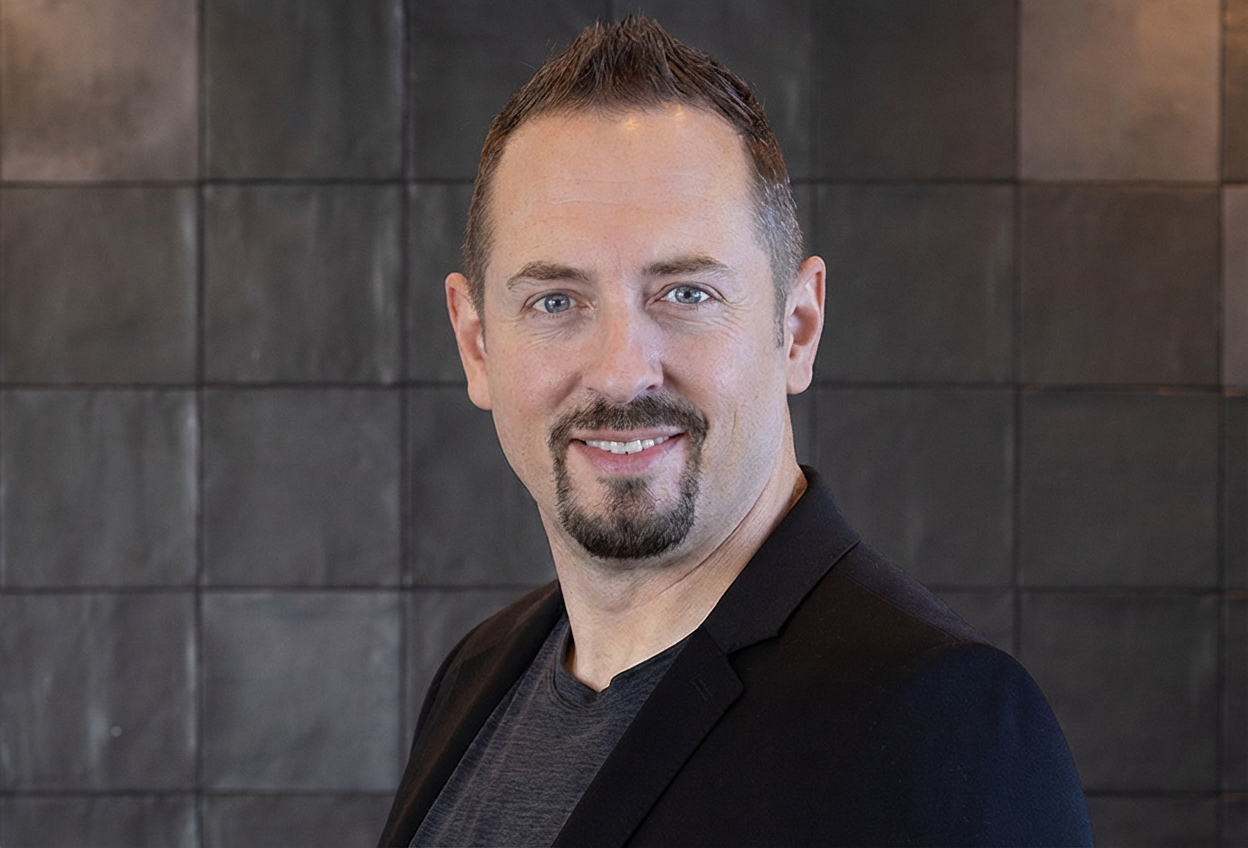
Your strategy call is run by DJ Van Zanten, not handed to a junior associate.
DJ has been doing digital marketing for over twenty years and has consulted with more than 1,000 service businesses. When you book a Lithium strategy call from this page, DJ runs it. There is no junior associate handoff and no rotating account manager. You get the person whose name is on the company.
Get a free 30-minute website review.
On the call we look at your current site, Core Web Vitals, mobile conversion path, schema, Google Business Profile alignment, analytics setup, and the pages most likely to affect leads. You leave with a specific plan, whether or not you decide to work with us. No pitch deck, no pressure, just a useful review of what is costing you leads.
- No sales pitch
- 30 minutes
- You keep the audit either way