
Bowling Green Web Design for Service Businesses Ready to Be Chosen
Help visitors move from comparison to calls, appointments, and quote requests.
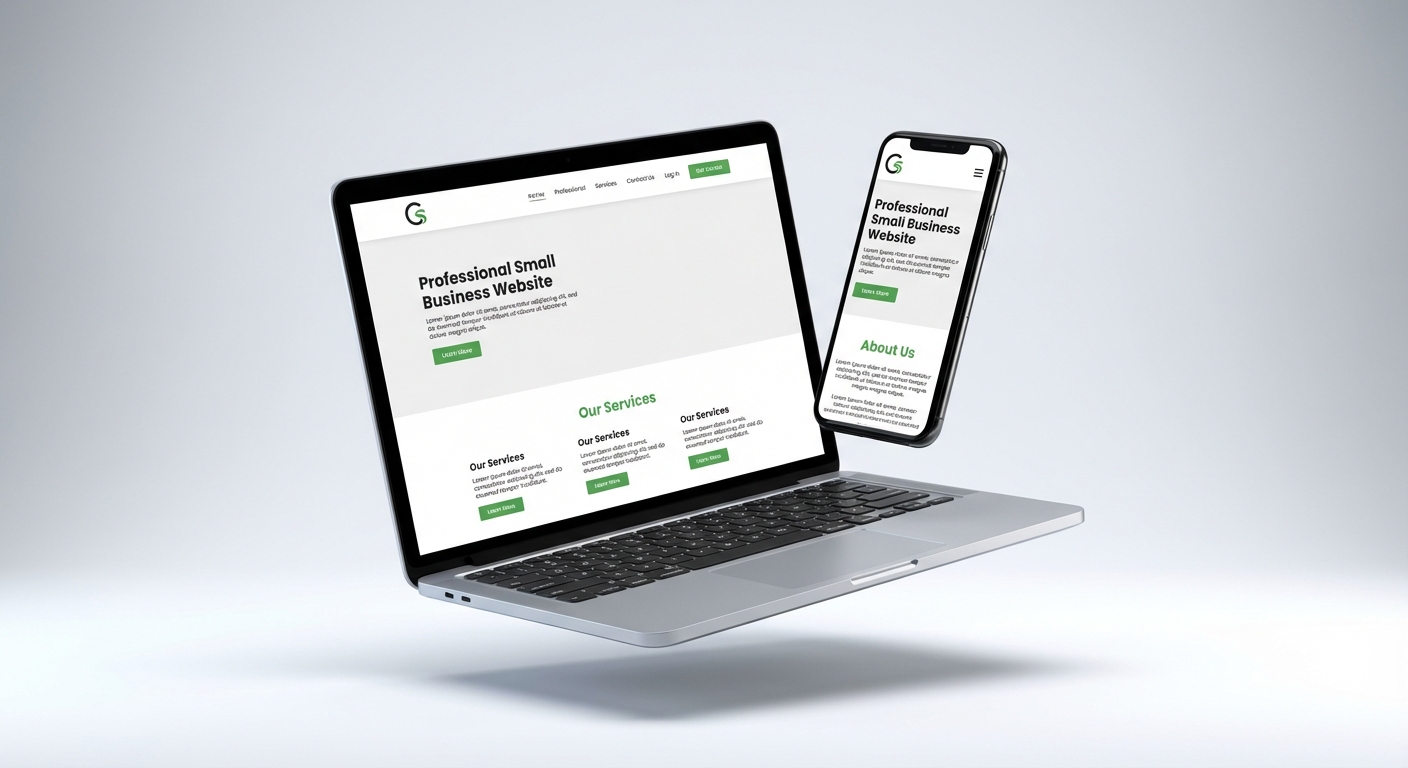
Your website should help Bowling Green visitors understand the service, see the proof, and know how to act. We build pages for trades, healthcare, automotive, hospitality, professional services, and B2B teams that need more qualified inquiries from the site.
- Google Partner certified
- Meta Business Partner
- 5.0 ★ across 30+ Google reviews
- 100+ clients served nationwide
- $10M+ in Google Ads managed
- Marketing services since 2010
Partner
The right visitor should not have to piece the offer together.
Bowling Green businesses often serve a mix of university traffic, automotive and manufacturing buyers, healthcare needs, local homeowners, and I-65 travelers. A site has to explain the offer clearly before visitors compare another provider.
“ The page should make a practical next step obvious.
The searches that matter usually come from people trying to solve a specific problem or compare a real service. The wording is direct because the decision is already forming: Bowling Green KY contractor website or Bowling Green clinic web design Those visitors need service details, local proof, fast mobile performance, and a form, call, appointment, or quote action that is easy to reach. The page also needs enough context to separate serious prospects from casual browsing.
A stronger Bowling Green site connects design with search architecture, paid traffic, content, and analytics. That keeps the build useful for marketing performance instead of ending at a prettier first impression.
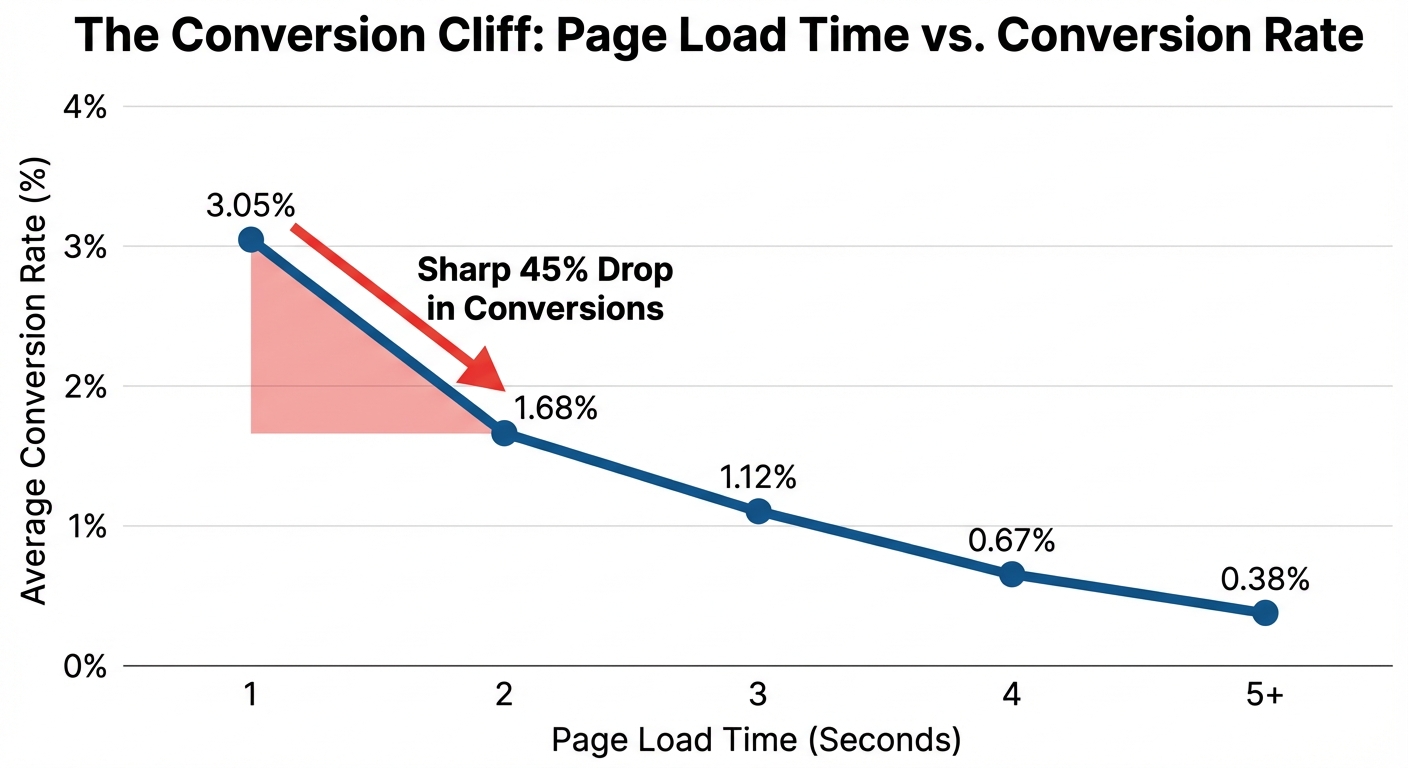
Slow mobile load = lost lead
Mobile speed matters when someone is comparing options between classes, shifts, errands, or travel. We reduce heavy media, unstable layouts, slow scripts, and form friction so the page feels easy to use from the first tap.
No one-tap path to call you
Calls, forms, appointment links, quote requests, and directions should sit near the proof that makes the action feel reasonable. The site should guide the decision instead of making visitors hunt for a button.
Built for looks, not for ranking
A pretty site can still be hard for search engines to read. We keep page structure, metadata, schema, redirects, speed, and profile alignment in view throughout the build.
No proof above the fold
A site can lose a good prospect by hiding the evidence. We bring practical proof into the places where the visitor is comparing services, pricing context, availability, and risk.
A service website should be fast, clear, measurable, and easy to act on.
A Bowling Green build starts with positioning, mobile performance, service-page clarity, proof, local search structure, tracking, and paid-campaign readiness. Design decisions are made around how buyers actually compare providers.
Sub-2.5-second mobile load
A modern site should feel quick on a normal phone, not only in a desktop preview. We compress media, control scripts, and avoid design choices that make the page slow at the exact moment a visitor is comparing.
Calls and forms designed for phones
Phone-first does not mean thin content. It means the page presents service details, proof, and action options in an order that works for the way local buyers actually scan.
Above-the-fold value proposition
The hero is not decoration. It is the first test of whether the visitor understands the offer, sees enough credibility to continue, and knows how to move toward contact.
SEO-ready architecture
Google Business Profile alignment
A service-area page should explain real coverage in plain language. We plan location content around actual work, practical travel areas, reviews, and services instead of thin city pages.
Real proof, placed where it converts
A gallery, testimonial, or badge should have a reason to be on the page. We use proof to clarify fit, reduce risk, and make the business easier to trust.
Tracking that ties leads to revenue
GA4 events fire on every form submission, booking action, and click-to-call. Call tracking connects conversations back to traffic source, and conversion tags are wired to Google Ads before campaigns send paid traffic into the new site.
WCAG-aware, AI-search-ready
Accessibility and AI readiness share a practical goal: make the page easier to understand. Clear headings, structured copy, useful alt context, and crawlable content help visitors and AI tools alike.
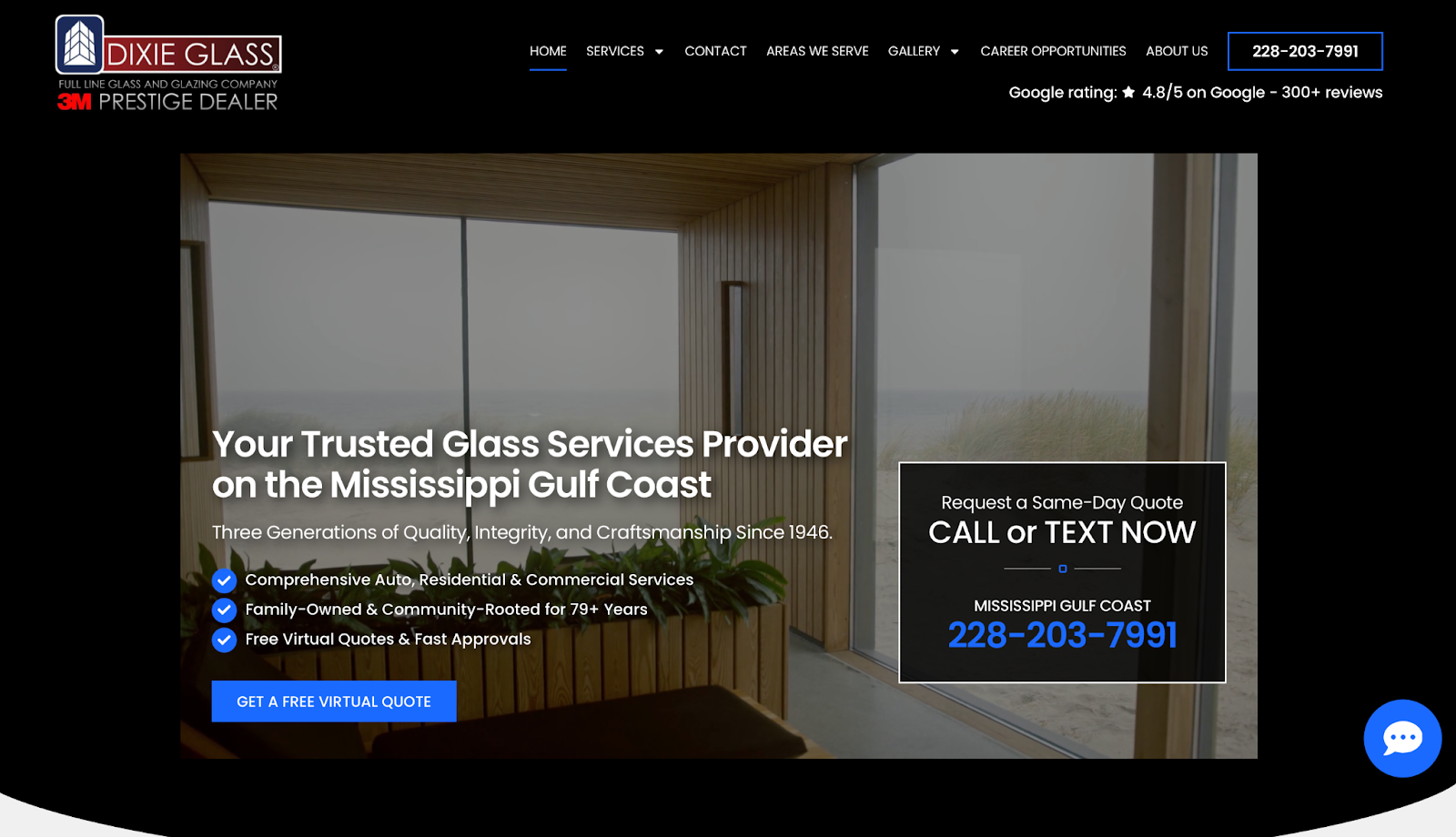
How a third-generation Gulf Coast glass company drove 76% more conversions after we rebuilt their site.
Dixie Glass shows how site structure and marketing data should work together. We improved quote actions, service pages, PPC landing-page flow, and the SEO foundation so the rebuild could be measured after launch.
More conversions
Organic traffic growth
Search visibility growth
DIXIE GLASS | WEBSITE REBUILD CASE STUDY

A better website matters when calls, bookings, and quote requests drive growth.
Bowling Green companies may serve homeowners, students, patients, drivers, manufacturers, restaurants, and regional buyers. We organize pages so each audience can identify the right service and contact the business without reading broad filler.
For contractors and trades, the site should prove service coverage, availability, and credibility before the estimate request. We connect emergency pages, project proof, forms, calls, and local SEO architecture.
Practice websites should be calm, clear, and useful on a phone. Procedure pages, staff context, insurance or scheduling notes, forms, and reviews all help patients take the next step.
A strong trade site shows the work, explains the process, and reduces doubt before the form. Project proof, service-area clarity, crew credentials, and quote steps matter as much as the visual design.
A firm website should make cautious prospects feel oriented. Practice pages, credentials, reviews, process notes, and contact options all need to support a confident first conversation.
Food and venue sites have to balance brand feel with practical decisions. Visitors need hours, availability, menus, event capacity, directions, photos, and contact options without hunting.
Auto-service sites have to handle both urgent and planned decisions. Clear service pages, make or issue details, phone actions, reviews, and PPC landing-page structure help the business respond to both.
A specialty store needs more than a beautiful homepage. We structure product categories, store information, pickup or appointment details, reviews, and local content around the shopper’s next step.
Technical and professional buyers need specifics. Service pages should name the problems handled, the sectors served, the process, credentials, and the evidence that makes a first call worthwhile.
From kickoff to launch in six to nine weeks, with weekly decisions instead of mystery delays.
The process is built to avoid mystery. You see the sitemap, content direction, design system, page builds, testing notes, and launch checklist as the project moves forward.
Discovery & strategy
Discovery reviews services, buyer questions, current analytics, search visibility, competitor pages, conversion goals, and the inquiries that matter most. Before design begins, we define which actions the Bowling Green site must support.
Information architecture & content plan
The blueprint includes sitemap, URL structure, content priorities, schema, form behavior, analytics events, and local SEO requirements. Search and measurement are planned before build work starts.
Design direction
Mockups are judged by whether they clarify the business. We review the first key pages, adjust the design language, and then extend the approved system across service and support pages.
Build, content, integrations
We build the site in Elementor on WordPress and write SEO-optimized copy in parallel. The build phase also includes forms, GA4 events, call tracking, Google Ads conversion tags, Google Business Profile alignment, schema, and any CRM or booking integrations needed to make leads trackable.
QA, launch, indexing
The launch checklist follows the whole visitor experience. We review pages, forms, mobile behavior, tracking, redirects, metadata, structured data, and the issues that can quietly break a new site.
30 / 60 / 90-day tracking
The first weeks after launch reveal what the redesign changed. We review analytics, form activity, phone clicks, rankings, crawl data, and user behavior so improvements can be prioritized.
Engineered to surface in Google AI Overviews, ChatGPT, Perplexity, and Claude when buyers ask.
Clear service content supports local SEO and answer engines together. We align business facts, proof, and concise answers so AI tools can understand the page from reliable source material.
Quotable answer blocks
Answer-ready content opens with the practical point before adding proof, limits, examples, and next steps. That helps people and AI systems follow the page without extra interpretation.
Fact density and citations
Generic copy makes every business sound interchangeable. We replace it with grounded service language, proof, process, examples, and local context that a serious visitor can evaluate.
Schema for generative engines
Schema does not replace good content, but it helps organized content travel better. We mark up business details, services, FAQs, and navigation in a way that matches the actual page.
Brand consistency across the web
Entity clarity comes from repetition of accurate facts. Name, service categories, location context, reviews, and profile details should tell the same story across the public web.
Topical authority and entity coverage
Topical depth gives the site room to explain expertise. We connect service pages, supporting content, locations, reviews, and examples so the business feels coherent to people and crawlers.
llms.txt + AI crawler controls
Crawler guidance is part of a broader AI readiness plan. Clear pages, structured facts, and practical access rules help the business manage how AI tools encounter the site.
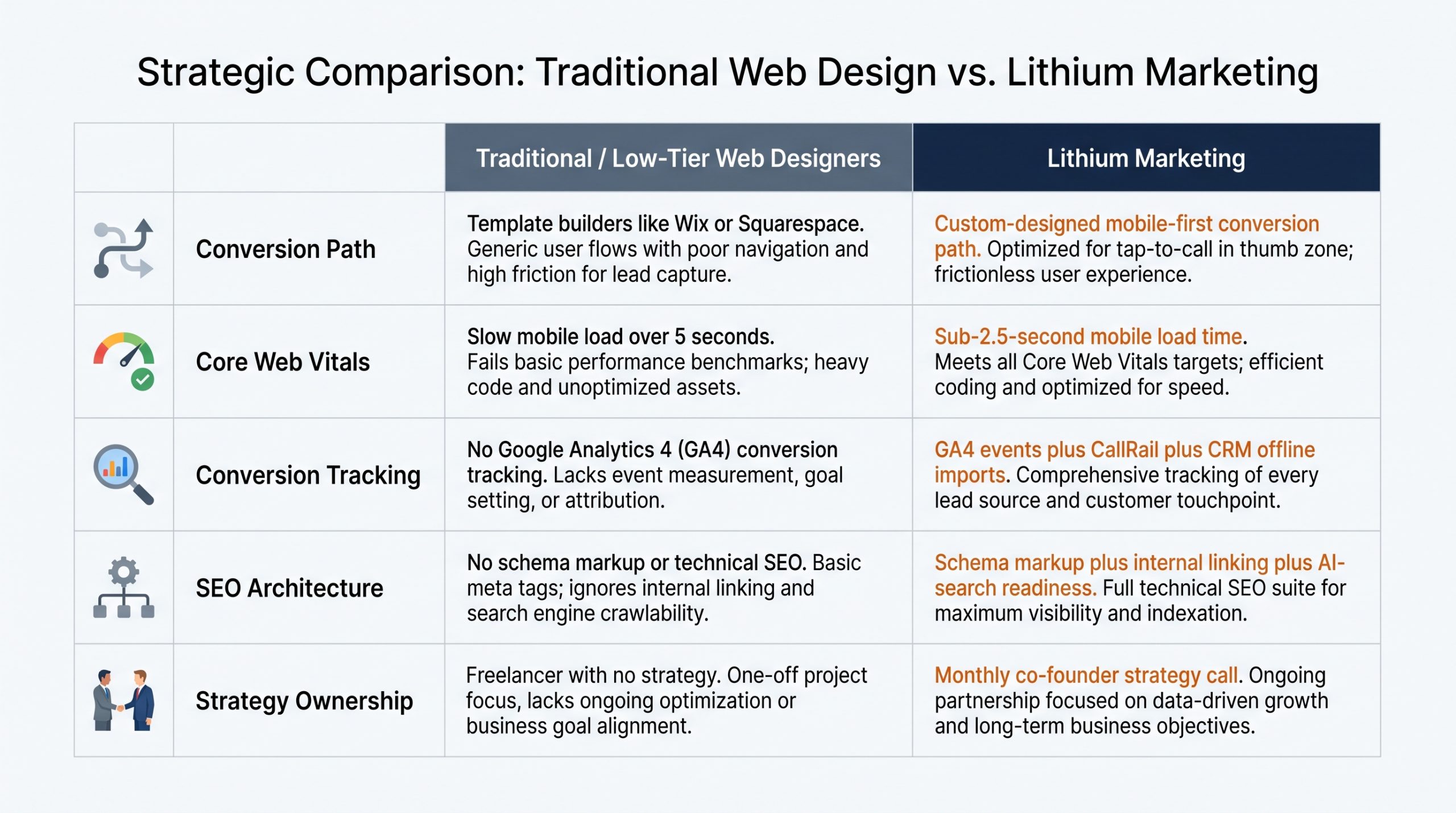
What different site builds give a service company
Service businesses Lithium has built websites for.
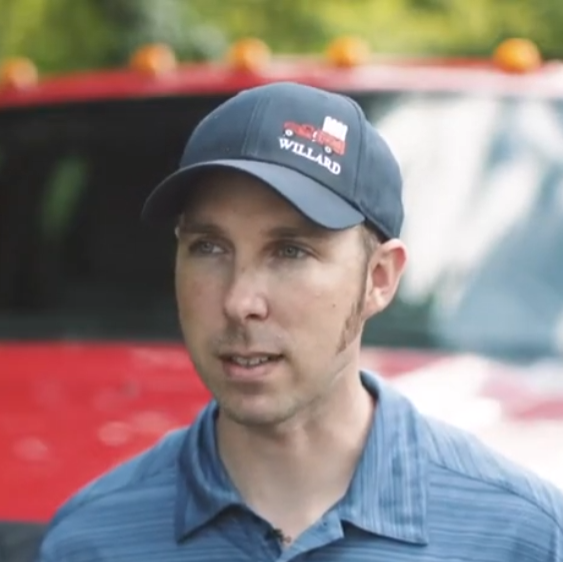
Willard Power Vac
“Lithium Marketing has been amazing for our business. They have greatly increased our web traffic and helped us land hundreds of jobs.”
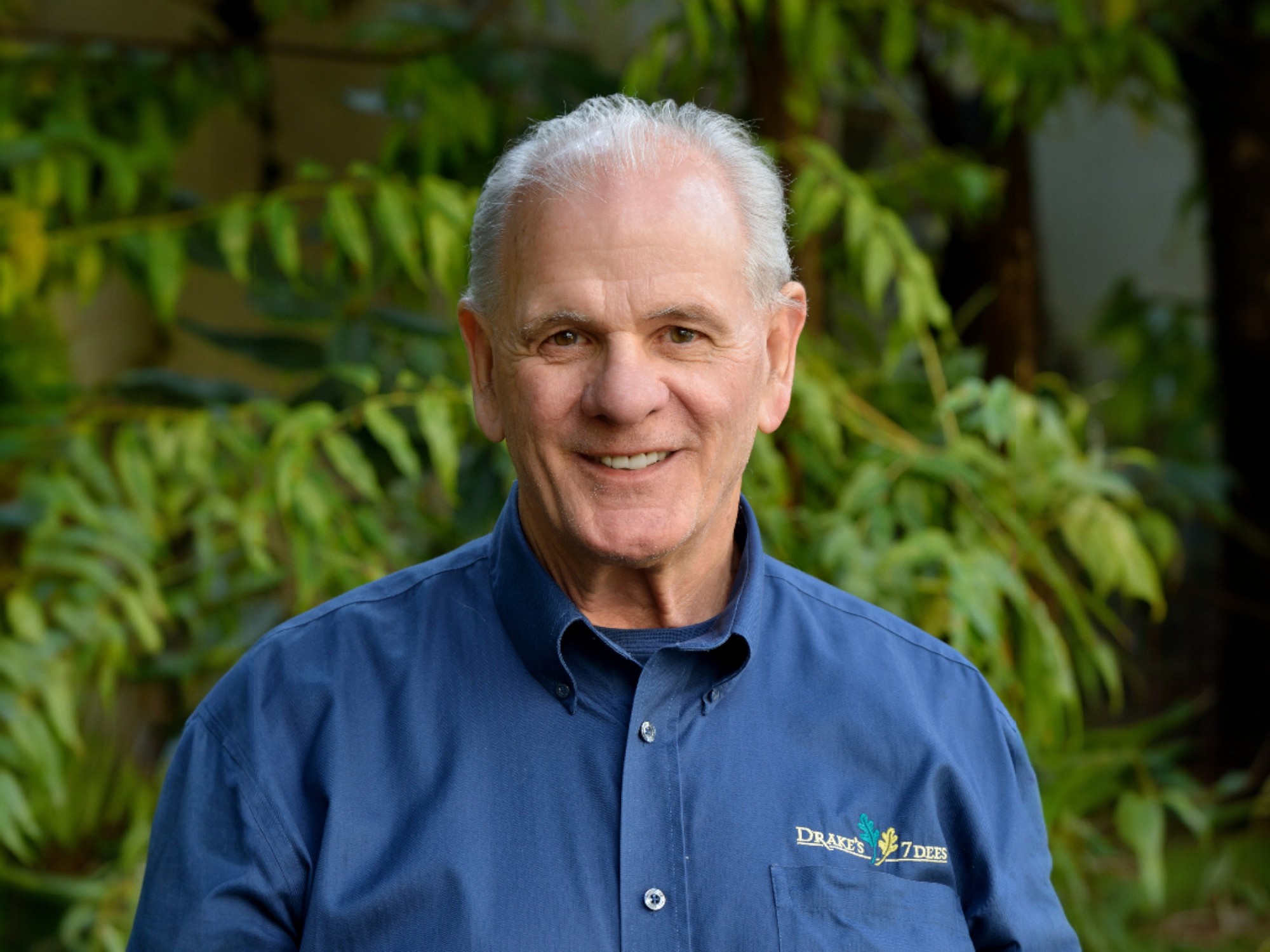
Drake’s 7 Dees
“Lithium has moved us to page 1 in Google search organically.”
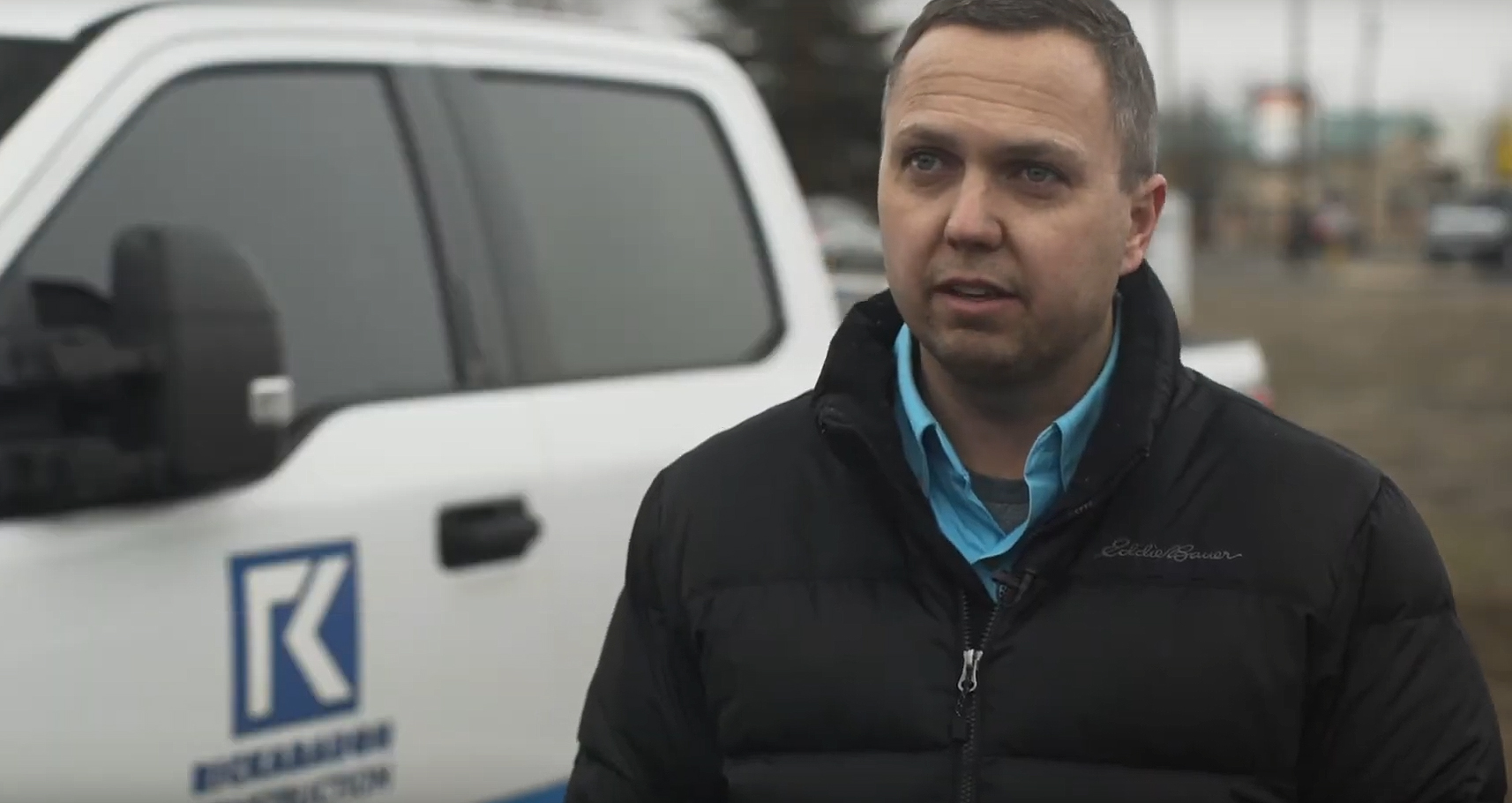
Rickabaugh Construction
“Working with Lithium Marketing has been awesome.”
What Bowling Green businesses ask before a rebuild.
Bowling Green service-business websites usually range from $5,000 to $20,000, depending on page count, copy, photography, forms, integrations, and launch complexity. We plan SEO structure early, and PPC landing-page needs can add scope. Template count and approval complexity can also affect the final project budget.
Most Bowling Green projects take six to nine weeks after strategy and content direction are set. Larger sites, photography, booking tools, custom forms, or extra approvals can add time. The timeline includes design, build, mobile QA, tracking, redirects, and launch review.
Design can support search when it improves speed, crawlability, page depth, schema, internal links, and user behavior. We build the site so local SEO has a stronger base, while ongoing SEO continues after launch. The strongest results come when launch work and ongoing optimization stay connected.
Yes. Your business owns the WordPress build, approved copy, design assets, and custom work created under the project scope. Domain and hosting access should remain under your control so the site stays a usable company asset.
Yes. We build with WordPress and Elementor so your team can make normal content updates visually. Lithium can also continue helping with technical support, SEO, content, paid media, and conversion improvements when needed. Your team is not locked out of routine updates after the project ends.
Local familiarity is useful, but strong discovery matters more. We research the services, competitors, proof, and search behavior before design, then build pages that can support organic visibility and PPC landing-page needs. That research keeps the work grounded in actual buyer behavior.
The difference is when business strategy enters the project. We plan service architecture, SEO foundations, forms, tracking, proof, and paid campaign needs before the site is ready for launch. The finished site has clearer data for improving campaigns after launch.
Most Bowling Green projects can run remotely with clear reviews, recorded walkthroughs, shared docs, email, and project notes. If an in-person session is genuinely needed, it can be discussed during scope planning before the schedule is finalized.

Talk through the site review with DJ Van Zanten
DJ Van Zanten leads the strategy call and reviews how the current site supports service clarity, search, paid traffic, calls, forms, and proof. The conversation focuses on what should improve before more visitors are sent to the site.
Start with a practical site review
The review covers mobile performance, service-page clarity, proof, CTA placement, schema, Google Business Profile alignment, analytics events, and the spots where Bowling Green visitors leave before contacting the business.
- No sales pitch
- 30 minutes
- You keep the audit either way