
Denver Web Design for a Crowded, Search-Driven Market
Strategy-led websites that help visitors understand, compare, and respond.
Denver buyers have plenty of choices. We build websites that make the business easier to understand, show proof before visitors hesitate, support SEO and paid campaigns, and keep calls, forms, bookings, or quote requests close to the decision.
- Google Partner certified
- Meta Business Partner
- 5.0 ★ across 30+ Google reviews
- 100+ clients served nationwide
- $10M+ in Google Ads managed
- Marketing services since 2010
Partner
Busy pages lose when buyers need a clear answer quickly.
Denver buyers compare quickly in a crowded Front Range market. A homeowner, patient, founder, or operations manager may open several tabs at once, so the site has to explain fit, show credibility, and make action simple before attention moves elsewhere.
“ In a crowded market, clear pages beat busier pages.
Strong projects begin with the searches, sales conversations, and objections the site must support. A serious visitor may be comparing agencies after typing a phrase like: Denver contractor website design or Colorado professional services website redesign Those visits need a fast mobile experience, clear positioning, industry-aware service pages, proof that matches the claim, and tracking that shows which channels create qualified responses.
A Denver website can look modern and still miss the business goal if SEO structure, paid landing pages, forms, copy, and analytics are planned after design. The strongest builds connect strategy and execution from the start.
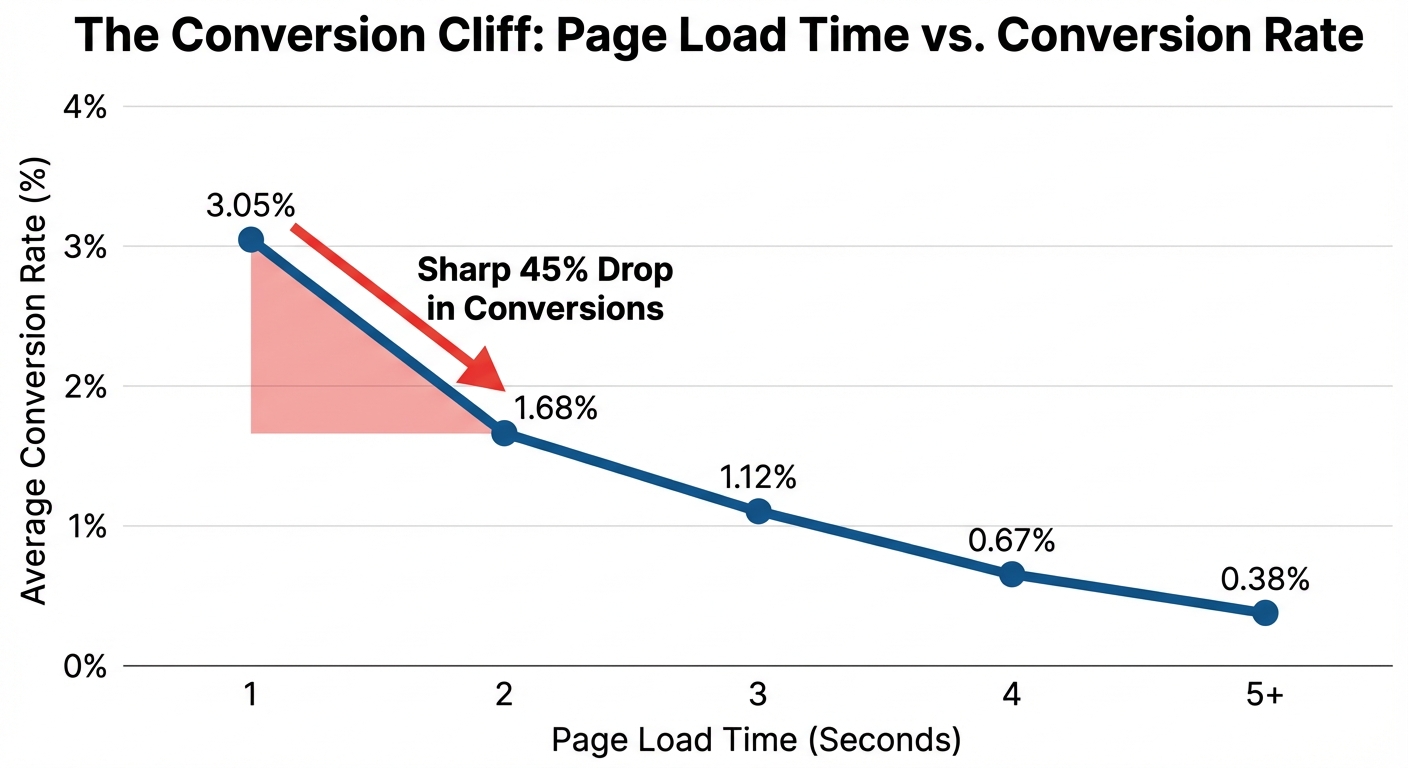
Slow mobile load = lost lead
In Denver, a buyer may compare several providers from a phone in one sitting. We keep pages lean, buttons stable, forms usable, and media controlled so the site can make its case quickly.
No one-tap path to call you
A site built for inquiries keeps the main action visible without shouting. We place contact options near service explanations, proof, pricing context, and comparison points so a qualified visitor can respond easily.
Built for looks, not for ranking
Technical planning keeps the design from becoming a brochure with weak foundations. URL structure, schema, page speed, redirects, service pages, and tracking are built into the launch plan.
No proof above the fold
Credibility cannot live on one separate testimonials page. Reviews, examples, stats, credentials, media, and process details should support the sections where visitors are deciding whether to continue.
Strategy, structure, and proof before visual polish alone
A Lithium site is shaped around business decisions first: who should respond, what they need to understand, what proof they need, and how the site will measure calls, forms, bookings, or quote requests after launch.
Sub-2.5-second mobile load
Fast pages come from decisions made throughout the project. We watch media weight, JavaScript, hosting, layout shifts, fonts, forms, and third-party scripts before the site is asked to support real campaigns.
Phone-first actions without clutter
Mobile pages need visible choices for different levels of urgency. A visitor may call, book, request pricing, or ask a question, so the interface has to support those actions without crowding every section.
Above-the-fold value proposition
The hero is not a decoration slot. It should state the service, frame the audience, show a reason to believe, and give visitors an action that fits their stage of comparison.
SEO-ready architecture
SEO foundations under the design
Search-ready structure includes service pages, location signals, metadata, schema, headings, and Google Business Profile alignment. Those choices help the new site launch with fewer technical SEO gaps.
Real proof, placed where it converts
Strong service pages pair claims with evidence. Instead of hiding all proof in one carousel, we place relevant reviews, photos, metrics, credentials, and process details near the promise they support.
Tracking that ties leads to revenue
GA4 events fire on every form submission, booking action, and click-to-call. Call tracking connects conversations back to traffic source, and conversion tags are wired to Google Ads before campaigns send paid traffic into the new site.
WCAG-aware, AI-search-ready
Readable HTML helps people, crawlers, screen readers, and AI systems. We organize headings, form labels, contrast, navigation, answer blocks, and source order so the site remains usable beyond the visual layer.
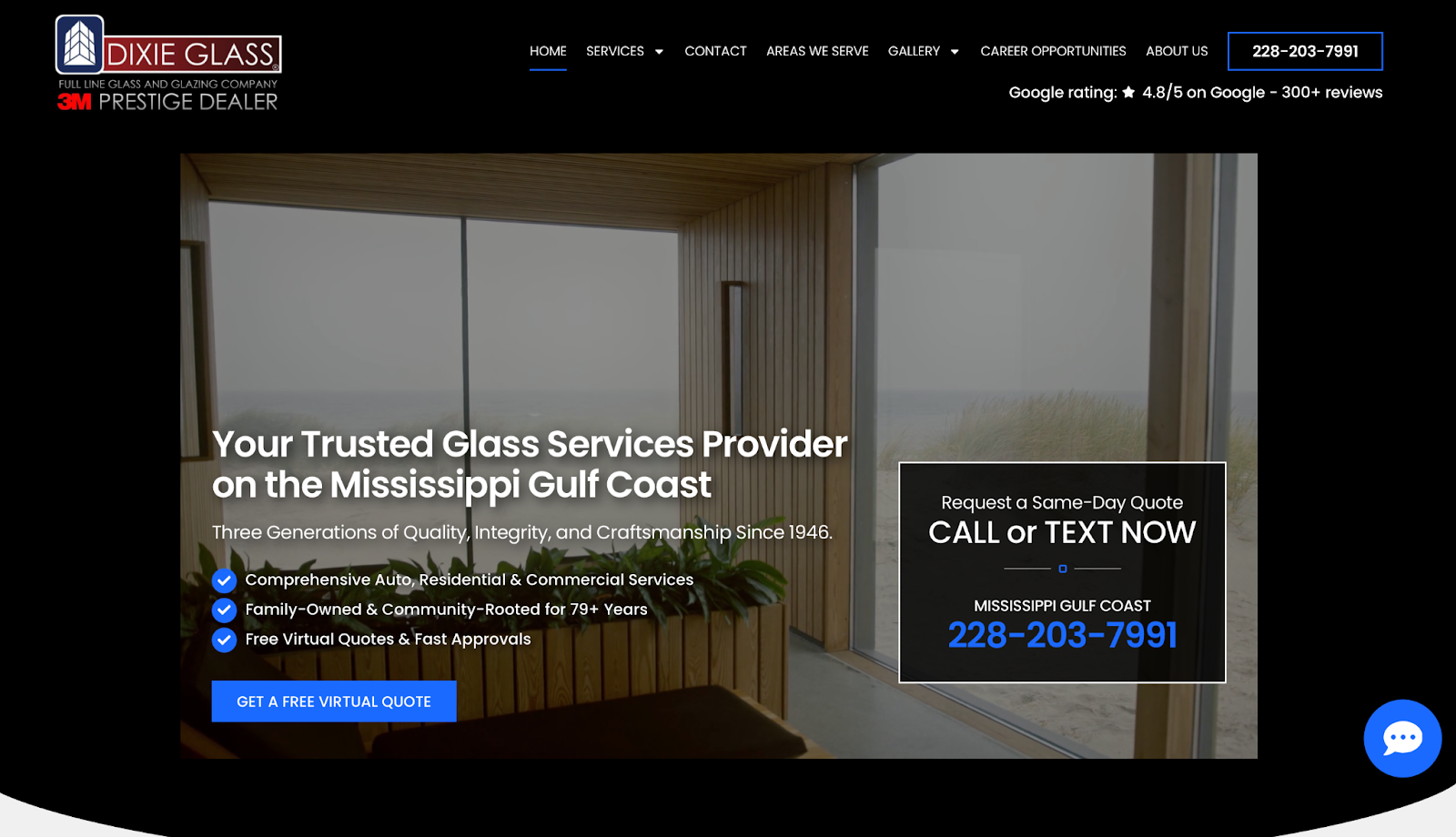
How a third-generation Gulf Coast glass company drove 76% more conversions after we rebuilt their site.
Dixie Glass came to Lithium because the site was not matching the quality of the business. We rebuilt the experience around clearer services, stronger PPC landing-page structure, and a crawlable SEO foundation that could support search and paid traffic together.
More conversions
Organic traffic growth
Search visibility growth
DIXIE GLASS | WEBSITE REBUILD CASE STUDY

Service websites that support real sales conversations
Denver companies often sell in a market where buyers expect polish and substance. We adapt the structure for contractors, healthcare groups, SaaS teams, restaurants, professional services, wellness brands, and regional B2B firms, while keeping the focus on clear service pages and measurable response.
Home-service companies need more than a homepage and a gallery. We build service pages, review sections, project proof, financing notes, emergency actions, and local SEO structure so homeowners can choose faster.
Medical groups and wellness practices need clarity before design flourishes. The site should explain specialties, providers, insurance, scheduling, forms, reviews, and location details in a way patients can scan quickly.
Trade businesses need proof that is easy to judge. Photos, project pages, licenses, materials, warranty details, review themes, and quote steps help visitors decide whether the company matches the job.
For professional firms, the website should explain expertise without burying the visitor in jargon. We plan services, team bios, proof, industries served, intake actions, and tracking around qualified inquiries.
Hospitality, restaurant, and retail websites have to serve discovery and decision at once. We organize menus, booking details, hours, events, photos, reviews, and location cues so visitors can act quickly.
Auto shops, fleet providers, equipment companies, and repair teams need sites that handle urgency. Service categories, estimate language, reviews, warranties, inventory notes, and PPC-ready landing pages help visitors act with less friction.
Showrooms, boutiques, equipment dealers, and specialty shops need websites that answer product questions before the visit. Categories, brands, availability, policies, photos, and reviews help shoppers decide.
Regional B2B companies need a site that explains what they do without forcing a prospect into a vague contact form. Capabilities, industries, proof, process, and qualification questions make better use of each inquiry.
From kickoff to launch in six to nine weeks, with weekly decisions instead of mystery delays.
The build process keeps strategy close to execution. Research, page planning, copy, design, development, analytics, QA, and launch steps are reviewed as parts of one acquisition system.
Discovery & strategy
Strategy starts with the offer, audience, search landscape, and sales process. We review current performance, competitors, analytics, content, proof, and campaign needs before recommending the page plan.
Information architecture & content plan
Architecture comes before decoration. We plan sitemap, URL structure, service pages, schema, conversion events, internal links, and SEO requirements so the Denver site can launch with fewer hidden gaps.
Design direction
Design and development move together so layout choices do not break strategy. We review wireframes, visual components, mobile behavior, forms, media, and analytics details against the site’s acquisition goals.
Build, content, integrations
We build the site in Elementor on WordPress and write SEO-optimized copy in parallel. The build phase also includes forms, GA4 events, call tracking, Google Ads conversion tags, Google Business Profile alignment, schema, and any CRM or booking integrations needed to make leads trackable.
QA, launch, indexing
QA treats the site like a working sales tool. We test forms, phone links, redirects, mobile sections, schema, page-speed basics, analytics, conversion tags, and indexation settings before launch.
30 / 60 / 90-day tracking
Launch is the beginning of useful data. We monitor search visibility, campaigns, calls, forms, Core Web Vitals, lead quality, and page behavior so the next improvement is based on what users actually do.
Engineered to surface in Google AI Overviews, ChatGPT, Perplexity, and Claude when buyers ask.
Denver pages should work for classic search and newer answer surfaces. We combine crawlable SEO structure, direct service explanations, schema, and facts that AI systems can understand without relying on vague brand copy.
Quotable answer blocks
When a section answers directly before explaining details, visitors can scan faster and AI systems get a cleaner source passage. We use that structure for services, FAQs, and comparison points.
Fact density and citations
Denver buyers can spot a generic services page quickly. We add real proof, process details, audience context, service limits, pricing factors, staff credentials, and examples where those facts help the visitor choose.
Schema for generative engines
Behind the design, schema gives search engines a clearer set of labels. We use business identity, services, FAQs, breadcrumbs, reviews, and article markup where the page has the right supporting content.
Brand consistency across the web
Answer engines build a picture from many public references. We reduce confusion by aligning core services, business names, categories, locations, review themes, and descriptions across the web presence.
Topical authority and entity coverage
Content depth should help visitors compare, not pad the page. We connect service pages, FAQs, case context, proof, supporting guides, and internal links so the site feels complete.
llms.txt + AI crawler controls
Technical AI readiness starts with clear pages, then adds policy signals. We use llms.txt, robots.txt, sitemap checks, and structured source content to help approved information stand out.
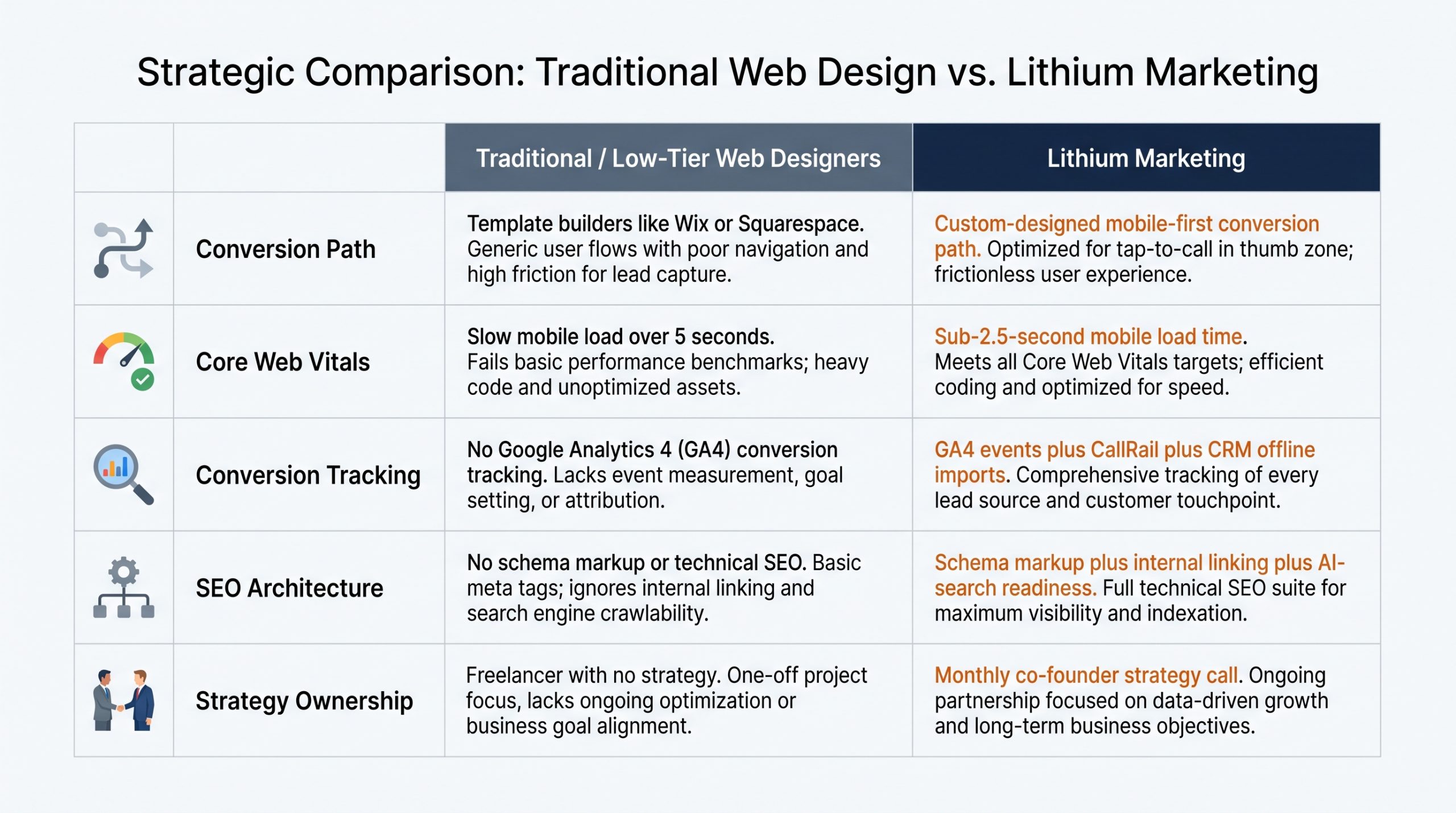
Where web design options help or hold you back
Service businesses Lithium has built websites for.
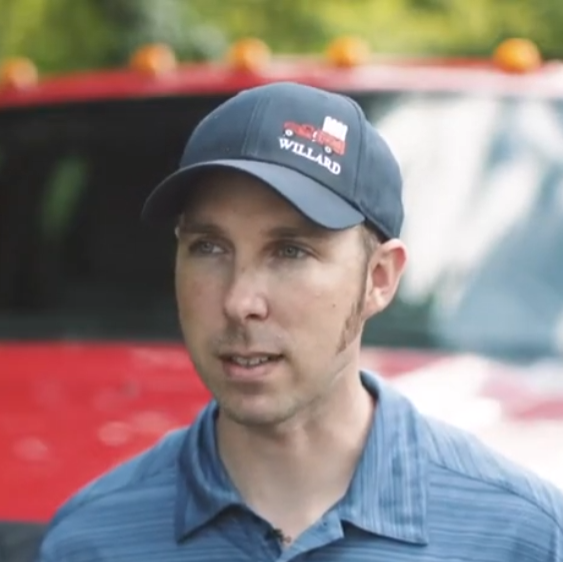
Willard Power Vac
“Lithium Marketing has been amazing for our business. They have greatly increased our web traffic and helped us land hundreds of jobs.”
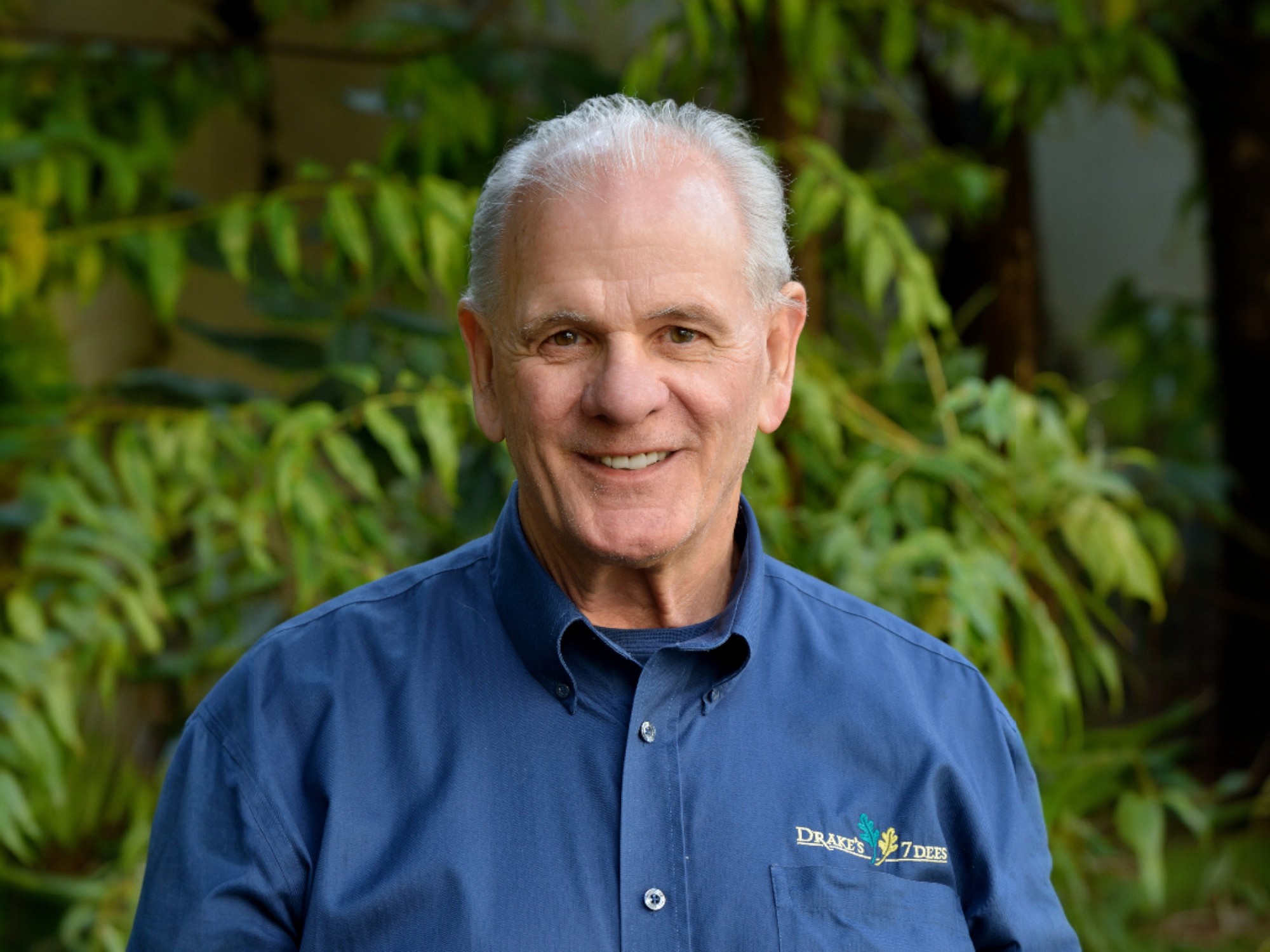
Drake’s 7 Dees
“Lithium has moved us to page 1 in Google search organically.”
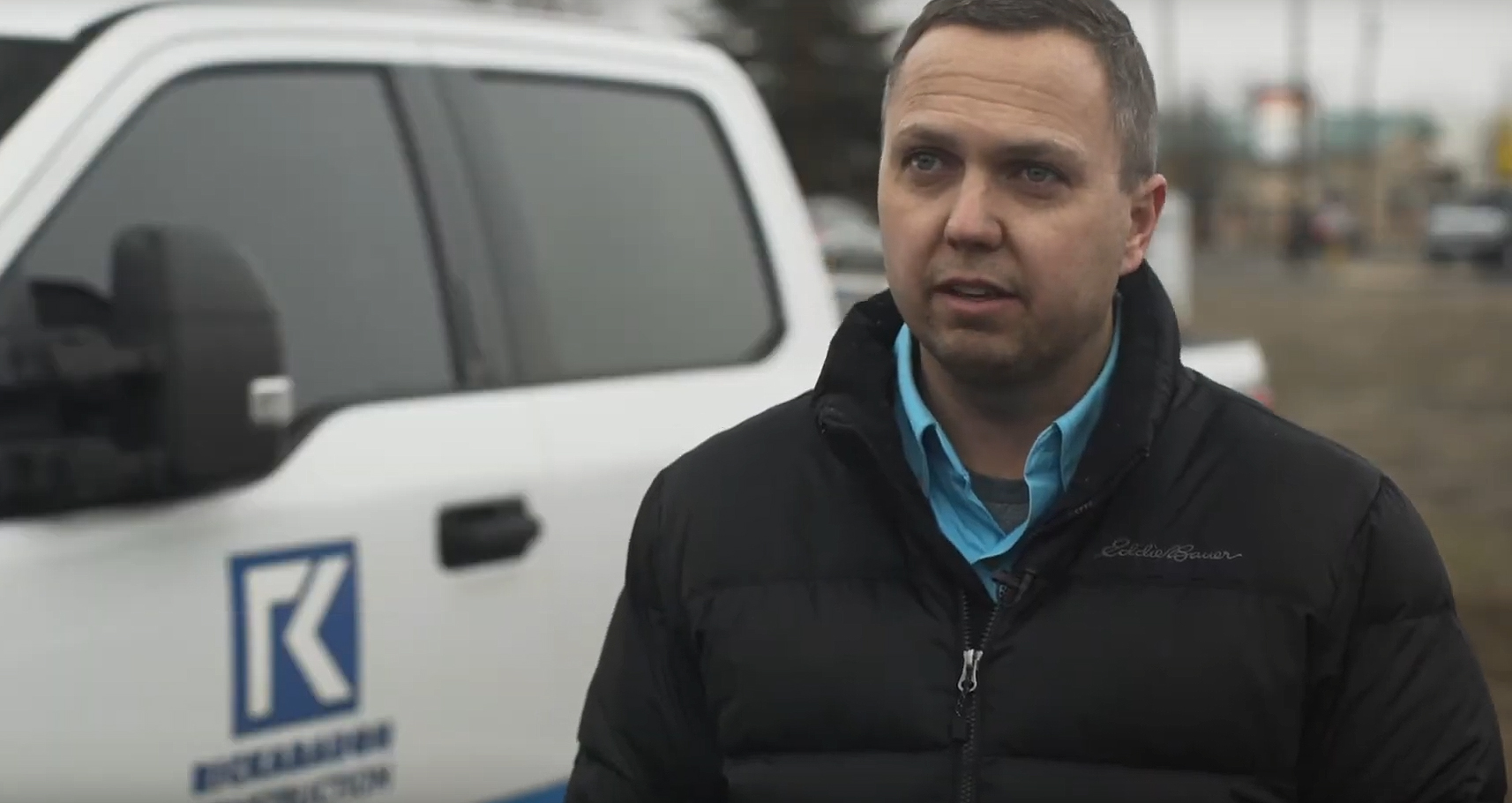
Rickabaugh Construction
“Working with Lithium Marketing has been awesome.”
Denver web design answers without the pitch.
Most Denver service-business sites take six to nine weeks, depending on scope and feedback speed. Strategy, page briefs, design, development, QA, analytics, redirects, and launch preparation all need time if the site is expected to support acquisition.
A Denver redesign can support organic growth when the site launches with clean URLs, service pages, schema, internal links, speed, and location clarity. Ongoing SEO is still needed for harder searches and continued improvement. That foundation gives ongoing optimization a stronger starting point.
Yes. The finished WordPress build, page content, approved media, and scoped custom work are business assets. Domain, hosting, analytics, and advertising account access should also stay under your company’s control. That keeps ownership clear after the project is complete.
Yes. The build uses WordPress and Elementor for normal page edits, with a handoff walkthrough for your team. Lithium can remain involved for technical changes, SEO, paid traffic, content, or conversion improvements when needed. That keeps routine content changes easier for your team.
Lithium is based in Portland but works with service businesses in competitive markets around the country. For Denver projects, the value is senior strategy, disciplined reviews, clear documentation, and PPC readiness when campaigns need dedicated landing pages.
No. Denver projects can run remotely with calls, recorded walkthroughs, shared documents, project notes, and clear approval points. If an in-person session would materially help the project, we can discuss it during scope planning. The decision belongs in scope planning, not assumptions.

Your website review is led by DJ Van Zanten
DJ leads the initial strategy conversation so the review starts with senior judgment. He looks at positioning, service pages, search structure, proof, tracking, and the points where visitors may be hesitating.
Get a senior review of your website
We look at speed, mobile layout, positioning, proof, service pages, form clarity, tracking events, schema, local search alignment, and campaign readiness. You leave with a prioritized list of fixes, not a vague redesign pitch.
- No sales pitch
- 30 minutes
- You keep the audit either way