El Monte Web Design for Bilingual-Friendly Local Action
Help San Gabriel Valley visitors understand and contact you faster.
An El Monte website has to explain the offer quickly for people comparing on a phone, asking family for input, or switching between languages. We build fast service pages with clear proof, readable structure, and contact choices that match how local buyers actually start.
- Google Partner certified
- Meta Business Partner
- 5.0 ★ across 30+ Google reviews
- 100+ clients served nationwide
- $10M+ in Google Ads managed
- Marketing services since 2010
Partner
Confusion grows when the page assumes too much.
El Monte sites often have to serve multigenerational households, family referrals, and fast phone comparisons in the same visit. A visitor may need English and Spanish cues, proof that feels local, and a simple way to ask for help before moving to another result.
“ A useful El Monte site makes language, proof, and action feel simple.
The searcher may already know what they need but still want reassurance that the business understands the neighborhood and the situation. The queries tend to be specific, practical, and shaped by service or appointment intent: El Monte bilingual dental website or San Gabriel Valley contractor quote page Those visitors need short page sections, visible reviews, clear service menus, directions or booking details, and forms that do not ask for more information than the first step requires.
A generic redesign can miss that context. Pretty pages still fail when they hide phone actions, bury language options, or describe the business with copy that could belong anywhere in Los Angeles County. We design the page around local comprehension first.
Slow mobile load = lost lead
Mobile visitors should not have to pinch, translate confusing service names, or hunt through a long homepage to find the right next step. We reduce heavy media, simplify section order, and keep key actions close to the service explanation.
No one-tap path to call you
The first action should feel low-pressure and familiar. For some businesses that means a tap-to-call button, for others it means booking, quote requests, directions, text-friendly forms, or a short intake that routes the visitor to the right team.
Built for looks, not for ranking
The site structure should help both people and crawlers understand location, services, and proof. Clean navigation, crawlable service pages, schema, local profile consistency, and readable headings give El Monte businesses a firmer search foundation.
No proof above the fold
Trust is often built through practical details: languages supported, licenses, before-and-after photos, staff names, reviews, parking notes, insurance information, warranties, and service-area clarity. We bring those details forward instead of hiding them below generic brand copy.
A page system built for clarity before decoration.
The build begins with the way a visitor explains the need, not with a visual theme. We map services, audience questions, language needs, proof, mobile actions, tracking events, and search requirements before the design is assembled.
Sub-2.5-second mobile load
Performance work focuses on everyday phone conditions. We compress images, limit unnecessary scripts, simplify animation, choose dependable fonts, and test layout stability so the site feels usable even when the visitor is not on perfect Wi-Fi.
Mobile actions for family-led decisions
Calls, booking buttons, quote forms, and direction links need to stay easy to reach while someone compares options or shares the page with another person. We keep the action visible without overwhelming the service details.
Above-the-fold value proposition
Service pages are written around the phrases customers use, then organized so each page has one clear job. The structure supports local discovery without turning the copy into a list of city names or repeated keywords.
SEO-ready architecture
Search structure for the San Gabriel Valley
Business name, address, phone, hours, categories, and service-area details should match across the site and public listings. That consistency matters when a visitor checks Google, directions, reviews, and the website in one decision.
Real proof, placed where it converts
Analytics are planned around useful actions: calls, form starts, booking clicks, direction taps, language toggles when present, and service-page visits. The goal is to know which parts of the site help people begin a real conversation.
Tracking that ties leads to revenue
GA4 events fire on every form submission, booking action, and click-to-call. Call tracking connects conversations back to traffic source, and conversion tags are wired to Google Ads before campaigns send paid traffic into the new site.
WCAG-aware, AI-search-ready
If the business uses automation, the website should make handoffs obvious. Intake forms, follow-up prompts, review requests, and internal routing can connect with AI systems without making the first visitor experience feel robotic.
How a third-generation Gulf Coast glass company drove 76% more conversions after we rebuilt their site.
Launch planning can include PPC landing pages for immediate tests and an SEO foundation for long-term discovery. The design keeps both channels aligned so ads, organic pages, and local profiles tell the same story.
More conversions
Organic traffic growth
Search visibility growth
DIXIE GLASS | WEBSITE REBUILD CASE STUDY
Local teams that need the first page to explain more.
El Monte builds often help family-owned service companies, dental and medical offices, contractors, restaurants, retailers, tutoring programs, professional firms, and neighborhood organizations that need credibility to appear quickly on mobile.
Home-service websites should make quotes easier to request and easier to qualify. Service menus, project photos, financing notes, warranties, coverage details, and local SEO structure help homeowners choose the next step with less back-and-forth.
Healthcare and dental sites need calm page flow, provider details, appointment expectations, accepted payment or insurance notes, forms, location details, and reviews. The design should reduce anxiety before the front desk receives the call.
Contractor pages need job-type navigation, photo proof, license information, estimate steps, material context, and clear service areas. We make the page useful for homeowners who want confidence before inviting someone to the property.
Professional-service websites should explain fit before the consultation. Practice areas, credentials, intake steps, case types, documents needed, and frequently asked questions help a visitor decide whether the firm is the right contact.
Restaurants and local hospitality pages need menus, ordering or reservation details, event information, photos, hours, parking notes, and profile consistency. The page should answer planning questions before a guest opens another app.
Auto-service websites need quick separation between urgent repairs, scheduled maintenance, diagnostics, tires, body work, and fleet support. When paired with paid search, those pages should match ad promises exactly.
Retail websites should help shoppers confirm product fit before visiting. We organize categories, availability language, pickup details, return policies, photos, and reviews so the page supports the store instead of replacing it.
B2B websites need stronger explanation than a brochure. Capabilities, industries served, project examples, compliance notes, team experience, and inquiry routing help a qualified prospect understand whether the company handles their situation.
From kickoff to launch in six to nine weeks, with weekly decisions instead of mystery delays.
Nonprofits, schools, and community programs need clear audience paths for donors, parents, volunteers, students, and partners. We structure information so people can act without reading every page in the site.
Discovery & strategy
Discovery starts with screenshots, analytics, search data, calls or form history, competitor pages, reviews, and the questions staff answer repeatedly. That gives the redesign a working brief instead of a vague request for a fresher look.
Information architecture & content plan
The sitemap is planned around services, proof, and SEO priorities. We decide which pages deserve depth, which content can be merged, and where visitors need a shorter route to contact.
Design direction
Wireframes focus on comprehension first. The hero, proof, services, reviews, FAQs, and action blocks are arranged so a visitor can understand the offer before visual polish is applied.
Build, content, integrations
We build the site in Elementor on WordPress and write SEO-optimized copy in parallel. The build phase also includes forms, GA4 events, call tracking, Google Ads conversion tags, Google Business Profile alignment, schema, and any CRM or booking integrations needed to make leads trackable.
QA, launch, indexing
Design production turns the wireframes into responsive page sections with appropriate typography, accessible contrast, image direction, form states, and reusable components that can grow without making every future update custom.
30 / 60 / 90-day tracking
Launch work includes redirects, tracking, forms, schema, Core Web Vitals checks, profile consistency, browser testing, and a post-launch review. We look for broken assumptions before traffic is pointed at the new pages.
Engineered to surface in Google AI Overviews, ChatGPT, Perplexity, and Claude when buyers ask.
A modern site should support SEO and AI systems by presenting services, location facts, reviews, hours, and answers in clean source content. The design should make those facts easier to verify.
Quotable answer blocks
Structured answers help visitors and AI systems understand the business faster. We write FAQs, service summaries, and proof sections so important facts can stand alone when pulled into summaries or internal tools.
Fact density and citations
Specificity matters more than extra copy. Languages supported, service limits, appointment steps, parking, licenses, warranties, pricing context, project examples, and staff roles can all help an El Monte visitor decide what to do.
Schema for generative engines
Schema is added only when it matches visible content. LocalBusiness, Service, FAQPage, BreadcrumbList, Article, and review markup can support the page when the business facts are accurate and maintained.
Brand consistency across the web
We compare the new site against public profiles and review platforms so names, categories, hours, phone numbers, and service descriptions do not conflict. A visitor should not get a different story from every source.
Topical authority and entity coverage
Content depth is planned by service importance. Main service pages, short explainers, FAQs, proof sections, and local details should connect naturally so the site feels helpful rather than padded.
llms.txt + AI crawler controls
An llms.txt file can identify preferred source pages for approved AI crawlers, but it works only after the site has clean service pages, accurate metadata, crawlable navigation, and public facts worth referencing.
What each site layer does for local visitors.
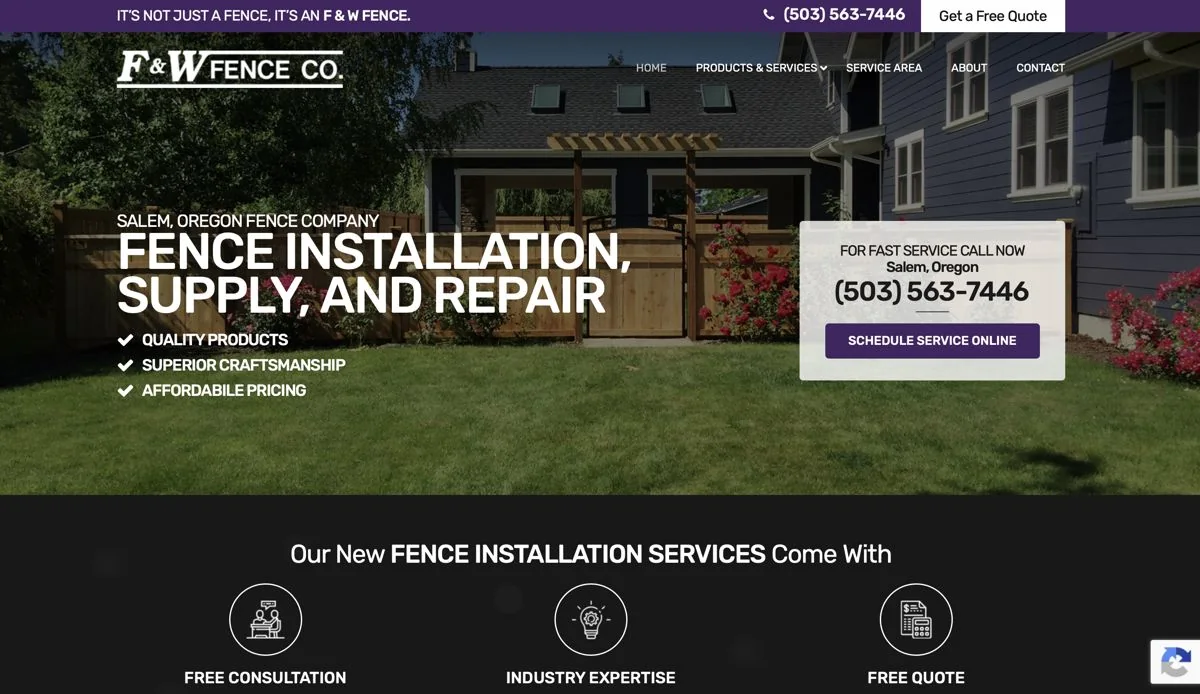
Service businesses Lithium has built websites for.
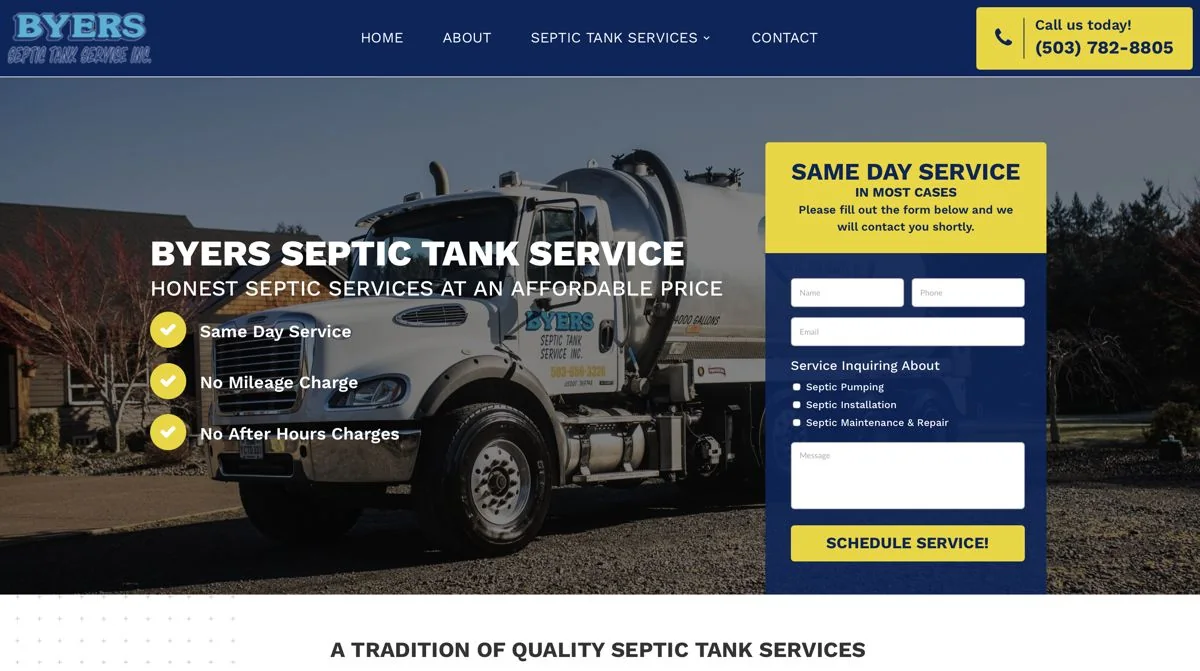
Willard Power Vac
“Lithium Marketing has been amazing for our business. They have greatly increased our web traffic and helped us land hundreds of jobs.”
Drake’s 7 Dees
“Lithium has moved us to page 1 in Google search organically.”
Rickabaugh Construction
“Working with Lithium Marketing has been awesome.”
El Monte web design questions, answered plainly.
Yes. We can design page structures that make bilingual or language-support cues clear without confusing navigation. The exact approach depends on how much translated content exists, who maintains it, and whether forms or follow-up workflows need language routing.
Yes. We write service pages, headings, FAQs, calls to action, proof sections, and metadata. The copy is shaped around customer questions, business facts, and search strategy instead of generic filler. It also accounts for language, trust, and follow-up needs.
Most local service-business websites take several weeks once the page list, content inputs, design direction, and feedback schedule are clear. Larger sites, bilingual content, custom forms, or complex integrations can extend the timeline. Early content decisions keep the schedule more predictable.
We can often preserve WordPress and rebuild the page structure, templates, forms, tracking, and content inside a cleaner system. If the current setup is too fragile, we will explain the tradeoffs before recommending a deeper rebuild.
Yes. Service pages and dedicated landing pages can be built for paid campaigns when the offer, form, proof, and tracking need to match a specific ad group or promotion. That separation keeps campaign measurement cleaner after launch.
After launch, we review tracking, search data, calls, forms, speed, indexation, and user behavior. That first review helps decide whether the next improvement should be copy, proof, layout, local profile cleanup, or campaign testing. or profile cleanup after real visitors respond.
Your website review is led by DJ Van Zanten.
DJ Van Zanten leads the strategy review and connects the website discussion to business goals. Kurt Schell supports the technical and content evaluation, so the recommendation covers design, search, tracking, and implementation realities.
Get a free 30-minute El Monte website review.
The review looks at mobile usability, page speed, service clarity, proof placement, forms, tracking, schema, local profile consistency, and the pages a San Gabriel Valley visitor is likely to compare before contacting you.
- No sales pitch
- 30 minutes
- You keep the audit either way