
Gainesville Web Design for Calendar-Driven Decisions
Build pages that handle residents, students, visitors, and seasonal rushes.
A Gainesville website has to serve several audiences without becoming cluttered. We design fast, organized pages for clinics, restaurants, contractors, professional firms, retailers, and local organizations that need appointments, orders, registrations, or inquiries to stay clear during busy cycles.
- Google Partner certified
- Meta Business Partner
- 5.0 ★ across 30+ Google reviews
- 100+ clients served nationwide
- $10M+ in Google Ads managed
- Marketing services since 2010
Partner
Timing becomes a design problem when the audience keeps changing.
Gainesville websites serve a shifting mix of students, faculty, families, patients, alumni, and regional visitors. The page has to work during calm weeks and high-demand periods such as move-in, game weekends, semester changes, appointment rushes, and event seasons.
“ A Gainesville site should adapt to the calendar without confusing the visitor.
Useful searches often include a time frame, audience, or immediate task. A visitor may be trying to book, order, register, compare a clinic, or confirm hours before plans change: Gainesville urgent care appointment page or restaurant catering for UF graduation weekend Those visitors need current information, fast mobile sections, clear forms, event or appointment details, and proof that the business can handle the specific moment they are planning around.
A static brochure site usually falls behind this rhythm. It may hide updates, make booking hard, or treat every visitor like the same local resident. We design Gainesville pages so timely actions, evergreen services, and local credibility can coexist.
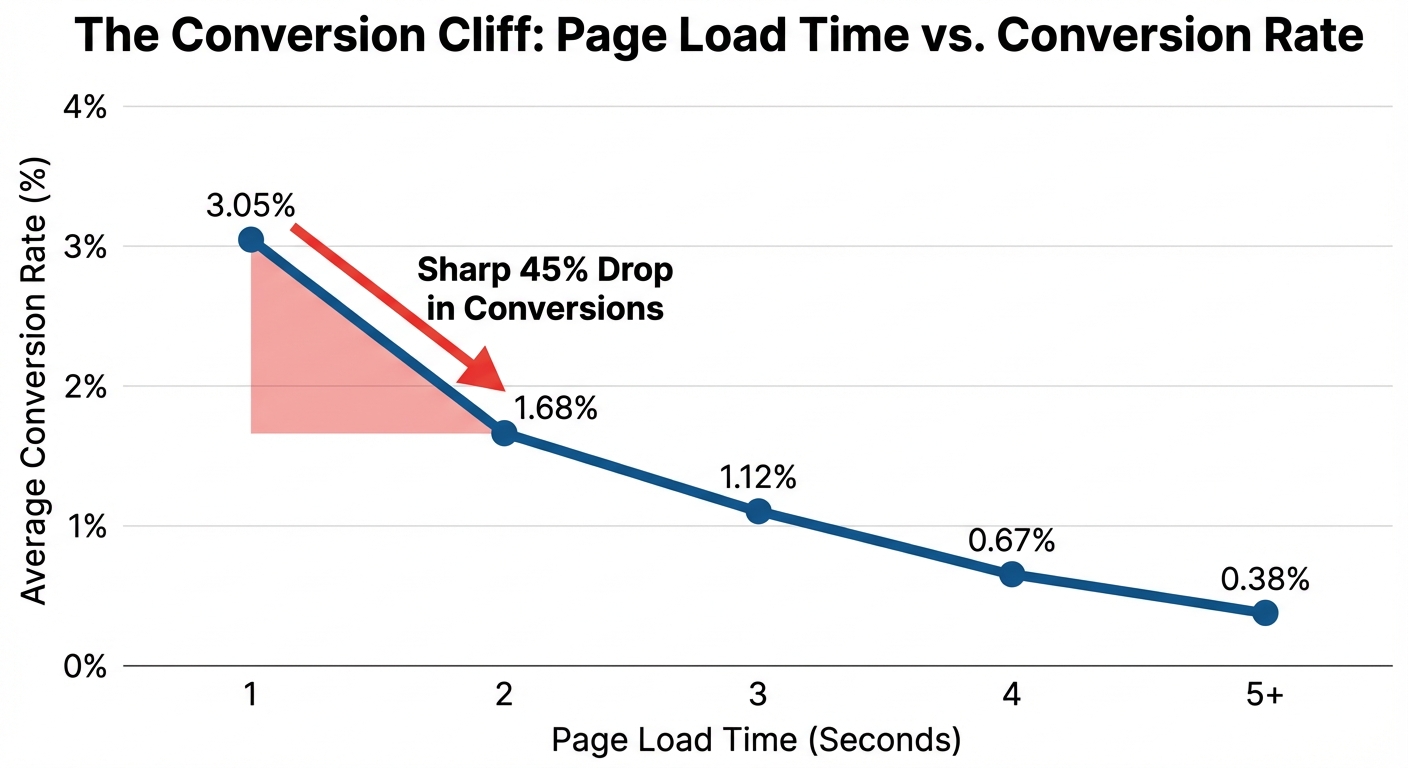
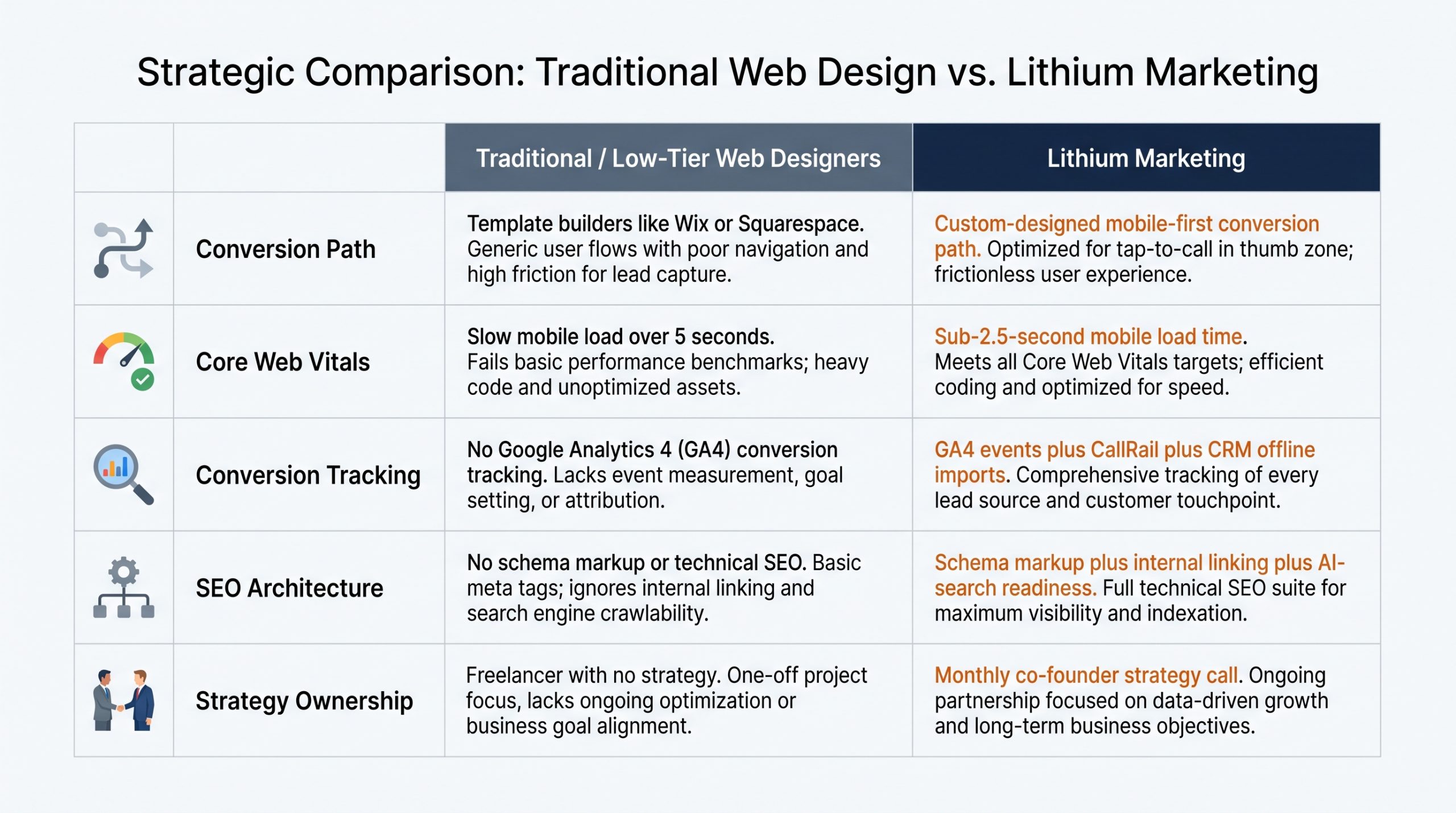
Slow mobile load = lost lead
A student searching between classes, a parent booking care, or a visitor checking game-weekend options will not study a maze of pages. We make the mobile experience quick to scan and easier to update when the calendar changes.
No one-tap path to call you
The action on the page should match the moment. Booking, ordering, registration, waitlist, event inquiry, consultation, directions, and emergency request flows all need different prompts and different follow-up expectations.
Built for looks, not for ranking
Site architecture should separate evergreen services from timely updates. Core pages carry search value and proof, while event, seasonal, menu, announcement, or appointment content can change without breaking the main navigation.
No proof above the fold
Proof should fit the audience segment. Patients may need provider credentials, students may need hours and location, parents may need safety details, and event planners may need photos, capacity, policies, and response expectations.
A build plan for busy weeks and ordinary days.
We begin by listing the visitor groups and the calendar pressures that affect them. That includes appointment patterns, semester timing, events, dining rushes, seasonal services, staff capacity, and the information that changes most often.
Sub-2.5-second mobile load
Performance work protects the short mobile session. We test media weight, template speed, scripts, booking widgets, menus, fonts, layout shifts, and hosting behavior so high-intent visitors can complete the task before the moment passes.
Actions for booking, ordering, and registration
Mobile layouts prioritize the action most likely to matter on that page. A clinic page may emphasize appointments, a restaurant page ordering, a venue page event inquiry, and a contractor page estimate requests.
Above-the-fold value proposition
The page plan distinguishes stable service pages from content that changes with the semester, weather, events, or promotions. That prevents important search pages from being rewritten every time the calendar shifts.
SEO-ready architecture
Search structure for local and seasonal discovery
Hours, menus, appointment instructions, addresses, categories, services, and public profile details need active maintenance. In Gainesville, stale details can cause immediate frustration because many searches are tied to a specific visit or deadline.
Real proof, placed where it converts
Tracking should show which actions matter by season. We can measure calls, bookings, order clicks, event inquiries, form starts, registration taps, directions, and service-page visits so updates are based on behavior.
Tracking that ties leads to revenue
GA4 events fire on every form submission, booking action, and click-to-call. Call tracking connects conversations back to traffic source, and conversion tags are wired to Google Ads before campaigns send paid traffic into the new site.
WCAG-aware, AI-search-ready
Automation can help after the request is made. Appointment reminders, intake triage, event follow-ups, review prompts, and staff notifications can connect with AI systems while the website keeps instructions plain.
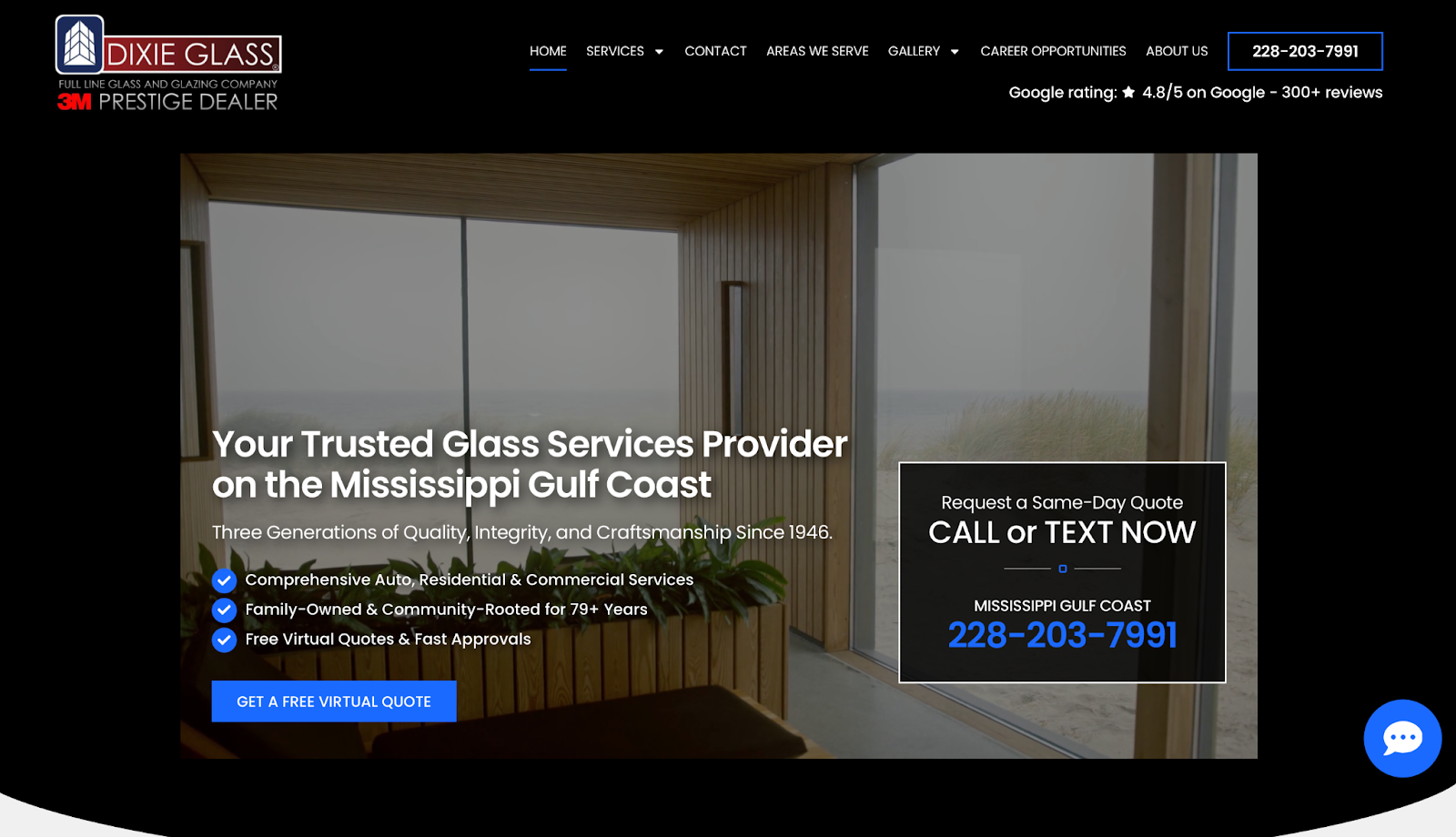
How a third-generation Gulf Coast glass company drove 76% more conversions after we rebuilt their site.
Short-term offers may need PPC landing pages, while core services need an SEO foundation that keeps working after the event or semester rush ends. We plan both without mixing their jobs.
More conversions
Organic traffic growth
Search visibility growth
DIXIE GLASS | WEBSITE REBUILD CASE STUDY

Organizations that serve changing audiences throughout the year.
Gainesville web projects often support healthcare groups, dental offices, restaurants, caterers, venues, home services, apartment-related businesses, professional firms, retailers, nonprofits, education programs, and local brands affected by the university calendar.
Home-service sites need clear service categories, estimate requests, seasonal maintenance pages, photos, warranties, and coverage details. With local SEO structure, the same pages can support residents, landlords, and property managers.
Healthcare and dental sites need provider bios, appointment types, referral notes, insurance or payment information, forms, location details, and reviews. The design should help patients act without calling for every basic answer.
Contractor websites should show project type, scheduling expectations, materials, permits, before-and-after proof, financing, and estimate steps. A property owner or manager needs enough context to submit a useful request.
Professional-service sites should clarify who is eligible, what the consultation covers, which documents are useful, and what happens after the first inquiry. The page needs to feel organized before trust can develop.
Restaurant and hospitality sites in Gainesville need menu access, ordering, reservations, catering, private-event details, parking, hours, photos, and fast update paths for game days, graduations, and holiday schedules.
Auto-service pages can separate diagnostics, maintenance, tires, body work, glass, student vehicle concerns, and fleet needs. When promoted through paid search, each page should match the offer and form exactly.
Retail sites should support quick decisions about availability, pickup, returns, student-friendly products, event needs, gifts, and directions. The online page should make the store visit more likely, not replace the store experience.
B2B and institutional service pages should explain industries served, procurement or intake steps, compliance notes, campus or healthcare experience, project examples, and the best route for a qualified inquiry.
From kickoff to launch in six to nine weeks, with weekly decisions instead of mystery delays.
Nonprofits, schools, and programs need separate routes for students, parents, donors, volunteers, applicants, and partners. Forms, dates, eligibility, and documents should be visible before someone abandons the task.
Discovery & strategy
Discovery looks at the current site through calendar pressure. We review analytics, search data, calls, forms, menus or booking tools, event pages, staff questions, competitors, reviews, and update bottlenecks.
Information architecture & content plan
Planning decides which content deserves permanent pages for SEO and which content should live in flexible update sections. That separation keeps the site useful when a promotion, semester, or event ends.
Design direction
Wireframes are built around timing. We decide where current information appears, how proof supports the action, which pages need alerts or date-sensitive blocks, and how visitors recover if they choose the wrong route.
Build, content, integrations
We build the site in Elementor on WordPress and write SEO-optimized copy in parallel. The build phase also includes forms, GA4 events, call tracking, Google Ads conversion tags, Google Business Profile alignment, schema, and any CRM or booking integrations needed to make leads trackable.
QA, launch, indexing
Design and development focus on maintainable components: menus, staff bios, service cards, event details, forms, FAQs, testimonials, photo galleries, and update areas that the business can manage without rebuilding the page.
30 / 60 / 90-day tracking
Launch includes redirect checks, forms, booking or ordering tests, tracking events, schema, mobile review, speed testing, accessibility basics, profile consistency, and a short post-launch check after real seasonal traffic appears.
Engineered to surface in Google AI Overviews, ChatGPT, Perplexity, and Claude when buyers ask.
A Gainesville site should give SEO and AI systems stable source facts while still letting timely content change. Services, hours, location, proof, and policies need to remain consistent.
Quotable answer blocks
Clear answer sections help people and AI systems understand the business during time-sensitive searches. We write concise FAQs, service summaries, and policy details that remain useful outside a campaign.
Fact density and citations
Useful details might include appointment types, semester hours, event cutoffs, catering policies, service windows, accepted insurance, eligibility rules, parking, accessibility notes, staff credentials, or what happens after registration.
Schema for generative engines
Schema supports the facts visitors can verify. LocalBusiness, Service, FAQPage, Article, BreadcrumbList, Event, and review markup may be useful when dates, services, locations, and answers are accurate.
Brand consistency across the web
We check the website against Google profiles, review platforms, menus, booking tools, and directories so hours, services, addresses, and policies do not contradict each other during high-demand periods.
Topical authority and entity coverage
Content depth should follow real planning questions. Core services, appointment details, event pages, seasonal guides, FAQs, proof, and internal links can support different audiences without repeating the same page layout everywhere.
llms.txt + AI crawler controls
An llms.txt file can point approved AI crawlers toward source pages after the site is organized. It works best when core pages are stable and temporary updates are not treated as the only source of truth.
What each site layer does during busy cycles.
Service businesses Lithium has built websites for.
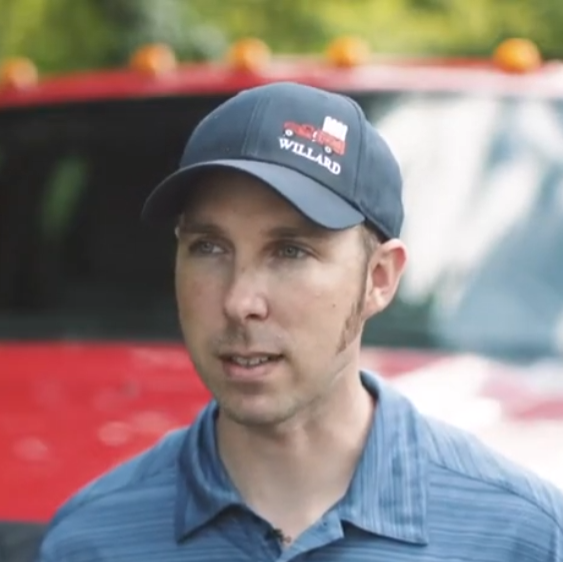
Willard Power Vac
“Lithium Marketing has been amazing for our business. They have greatly increased our web traffic and helped us land hundreds of jobs.”
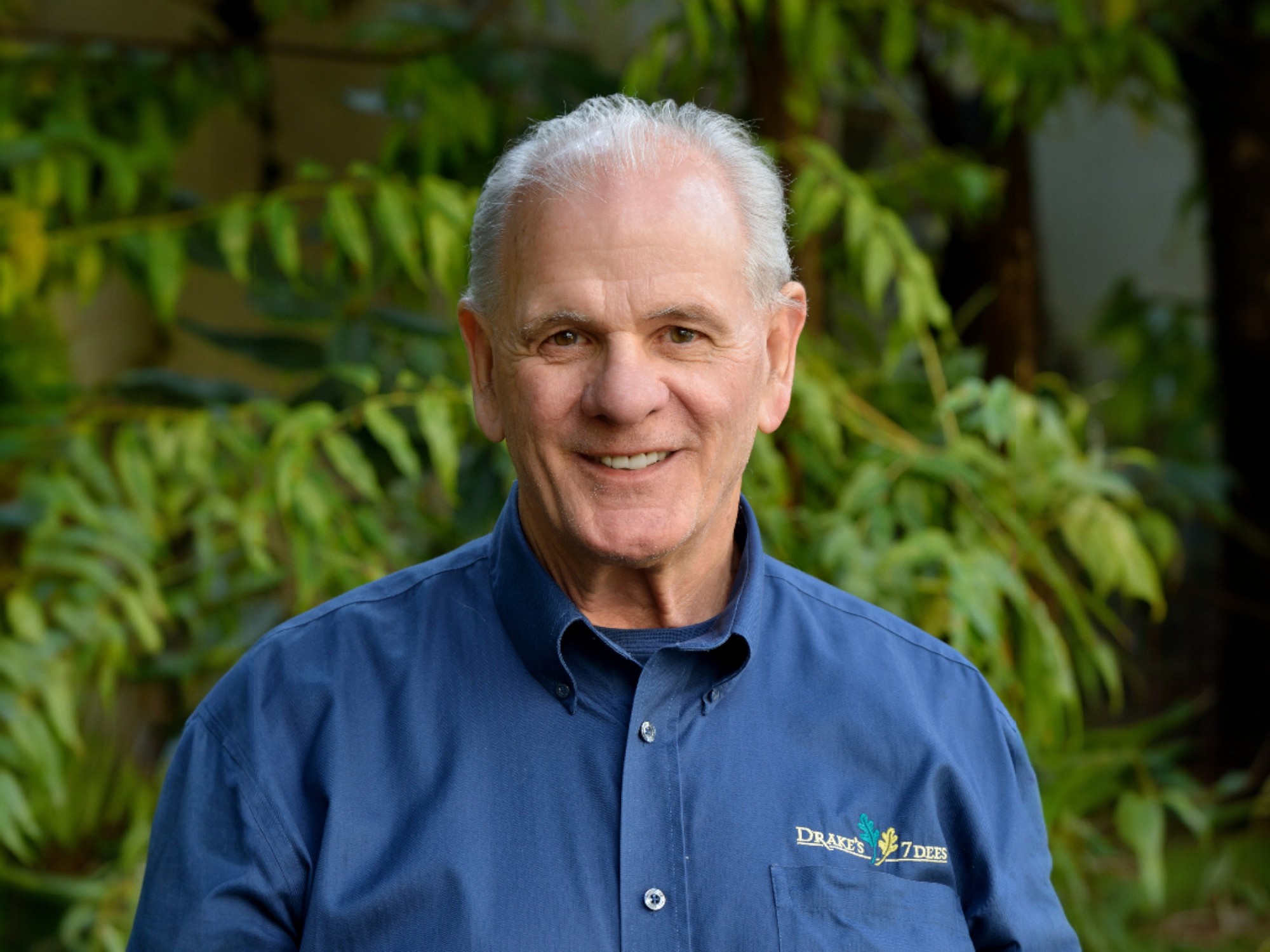
Drake’s 7 Dees
“Lithium has moved us to page 1 in Google search organically.”
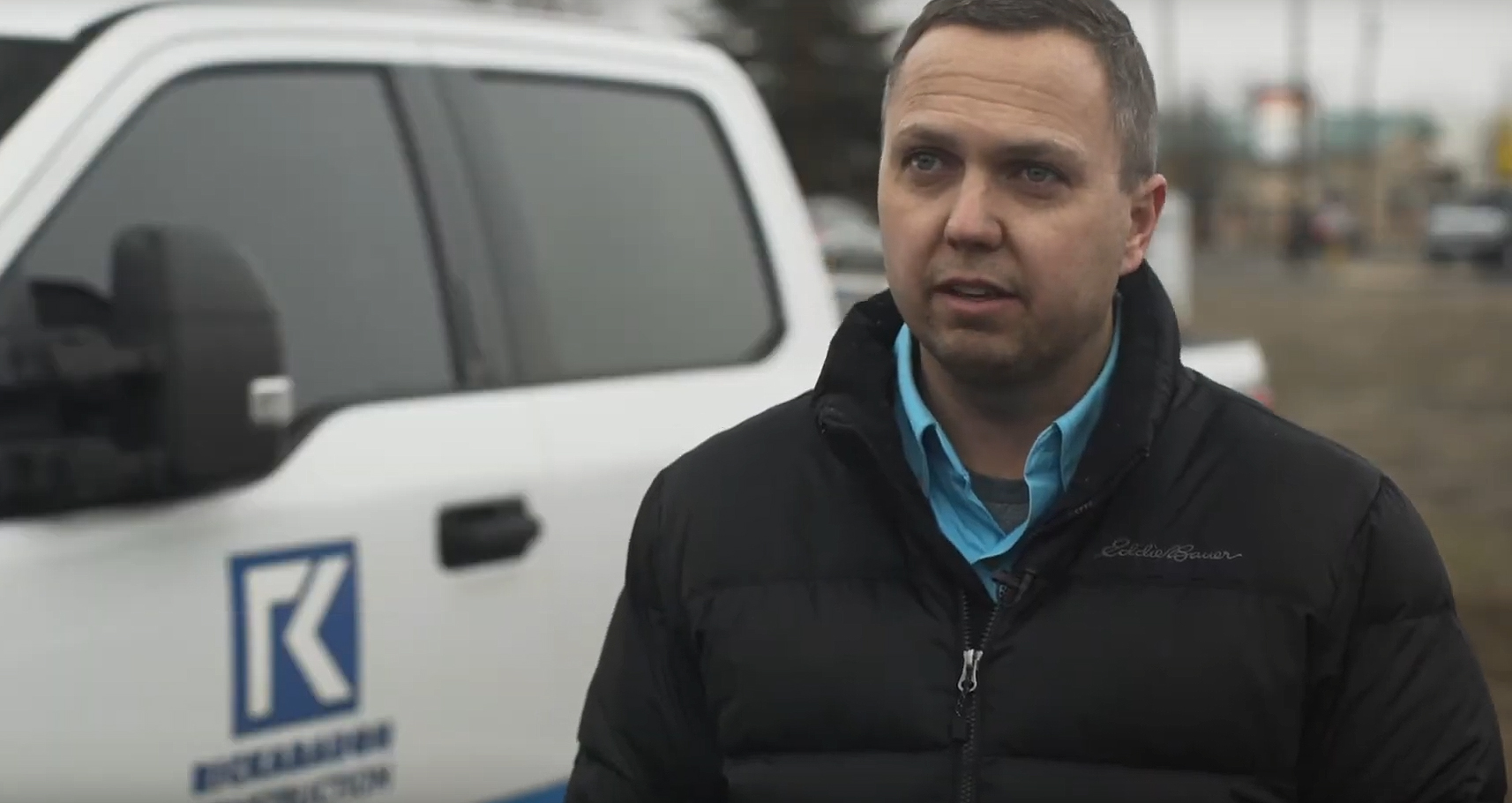
Rickabaugh Construction
“Working with Lithium Marketing has been awesome.”
Gainesville web design questions, answered plainly.
Yes. We can create flexible sections for menus, events, hours, deadlines, announcements, or promotions while keeping core service pages stable. That lets the business update timely information without weakening permanent content. while preserving the pages that earn visibility.
Yes. We write service pages, FAQs, headings, metadata, action prompts, proof sections, and seasonal copy when needed. The copy supports customer tasks and search visibility instead of sounding like a generic template. or event details when timing affects decisions.
Timeline depends on page count, content readiness, integrations, and review speed. A focused service site can often launch in several weeks, while booking tools, menus, custom forms, or larger content sets need more planning. and stakeholder review cycles can extend the schedule.
Usually. We can improve WordPress templates, page structure, forms, tracking, and content without changing platforms. If old plugins or theme decisions make that risky, we explain the issue before recommending a rebuild. before we choose the safer build path.
Yes. We can build focused pages for paid campaigns, event promotions, seasonal services, or time-limited offers. Those pages get their own proof, form, tracking, and message match. That keeps short-term traffic separate from permanent pages.
After launch, we review search data, calls, form activity, bookings, order clicks, speed, indexing, and the first round of seasonal behavior. That tells us whether content, forms, proof, or campaign pages need refinement. or seasonal update process needs refinement.

Your website review is led by DJ Van Zanten.
DJ Van Zanten leads the strategy review and connects website decisions to business priorities. Kurt Schell supports the technical and content evaluation so the recommendation covers design, tracking, search, and launch operations.
Get a free 30-minute Gainesville website review.
The review covers mobile usability, page speed, service clarity, booking or form friction, timely content, proof placement, tracking, schema, and the competitors a Gainesville visitor is likely to compare before acting.
- No sales pitch
- 30 minutes
- You keep the audit either way