
 Glass
GlassDixie Glass
76%more conversions
January vs the January before
- ads conversion rate
- 15.57%
- ads conversion rate
- organic traffic
- +18.2%
- organic traffic
Web design for Glendale service businesses
Give Glendale visitors a clear service explanation, genuine project evidence and an easy way to ask your team about their property.
 Google PartnerView our Partners listing
5.0on Google · read our reviews
Google PartnerView our Partners listing
5.0on Google · read our reviews
Businesses
we’ve worked with
Businesses we’ve worked with
A useful site before the download
Maricopa County lists 1,406 residential remodeling establishments. A website should explain your own remodeler's services and make the next customer decision clear. Lithium Marketing organizes useful content, genuine project evidence and a practical contact route around the work your team wants to receive.
Consider a remodeling site that sends visitors to a brochure download before explaining the services or how to request a discussion. The owner believes the brochure contains everything a customer needs. We can bring useful information onto readable pages, connect project examples to the accepted service and let someone ask a first question from their phone.
A destination customers can read
For a website addressing existing-property work in a city with 35.4% of housing built before 1980, choose real remodeling examples with useful captions. Explain the rooms or spaces your business worked on and what remained in place. A visitor should not need to download a document to understand the example or find the contact route.
When reviewing your own remodeling examples, use Glendale's 1986 median housing year to prompt a discussion of useful earlier-property changes to explain. Keep the initial inquiry open to known history and uncertain details, so the website starts a conversation instead of requiring a finished remodeling specification.
| Search | Searches a month | Cost per click |
|---|---|---|
| web design glendale az | 10 | not reported |
| website design glendale az | 10 | not reported |
| web designer glendale az | 0 | not reported |
Source: Google Ads keyword data, average monthly U.S. searches. "Under 10" = below Google’s reporting floor.
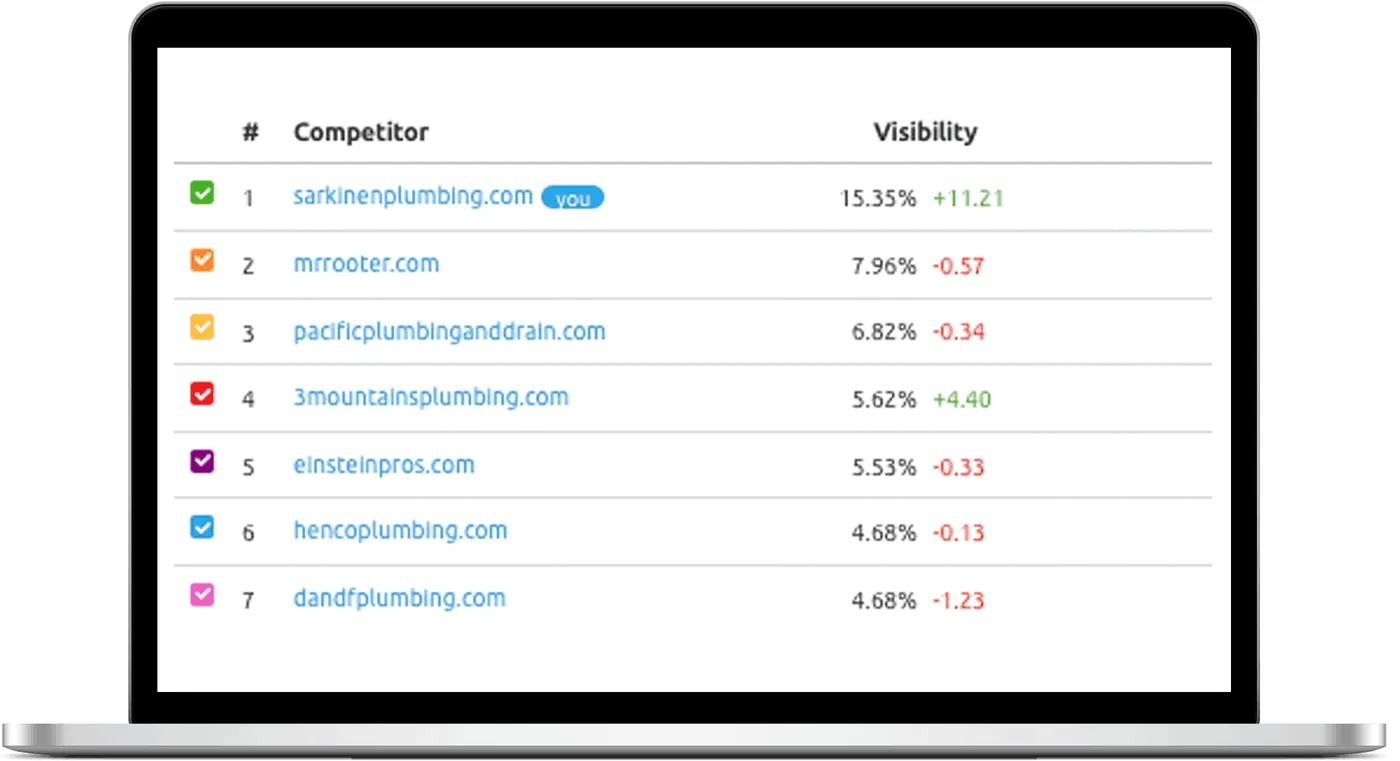
Source: one Google results page for “plumber glendale az”, as Google showed it to a searcher located in Glendale. Results shift by searcher and day.
Useful examples across the offer
Choose your company's newer-property examples with Maricopa County's 15.4% share of housing built in 2010 or later in view. The useful page content is the actual remodeling work, supported by approved photographs and a clear description. A finished-room image can show the result while captions identify your contribution.
With 28.6% of county housing built before 1980, consider existing-property examples for the wider working area as well. Publish genuine material that represents accepted services and helps a visitor recognize a relevant job. Link those examples to a service explanation and a practical opening request.
Sources: U.S. Census Bureau 2025 population estimates, ACS 2020–2024 and 2023 County Business Patterns.
Content and contact that work together
Clear navigation can take a visitor from a remodeling service to relevant examples and the appropriate inquiry. We agree on readable page content and the minimum opening questions your staff needs. An optional brochure can support the discussion without carrying the whole service explanation.
Maricopa County's owner-occupied housing share is 65.2%. Review how owners and coordinating property contacts reach your team, then agree on useful role and access questions for the opening form. The website should explain who receives the request and what happens next, with staff confirming the project discussion.
County Business Patterns
Trade and home service businesses in Maricopa County
Establishments by industry, 2023
Source: U.S. Census Bureau, 2023 County Business Patterns (NAICS establishment counts).
A website built around customer decisions
The content and receiving route should help someone take the next useful step without completing the whole project brief.
Identify the useful service answers, genuine examples and contact information that need to be available directly on the site.
Create a clear navigation plan and accurate project explanations. Decide where optional documents add value after the visitor understands the offer.
Agree on minimum questions, useful photo handling and the staff recipient. Make phone and form choices easy to find on a mobile screen.
Check the accepted service explanations and contact acknowledgment. Test the agreed request route and define the inquiry actions staff will review.
What every Lithium website includes
The same eight parts go into every website build, wherever the business is.
Combined glass-business marketing case
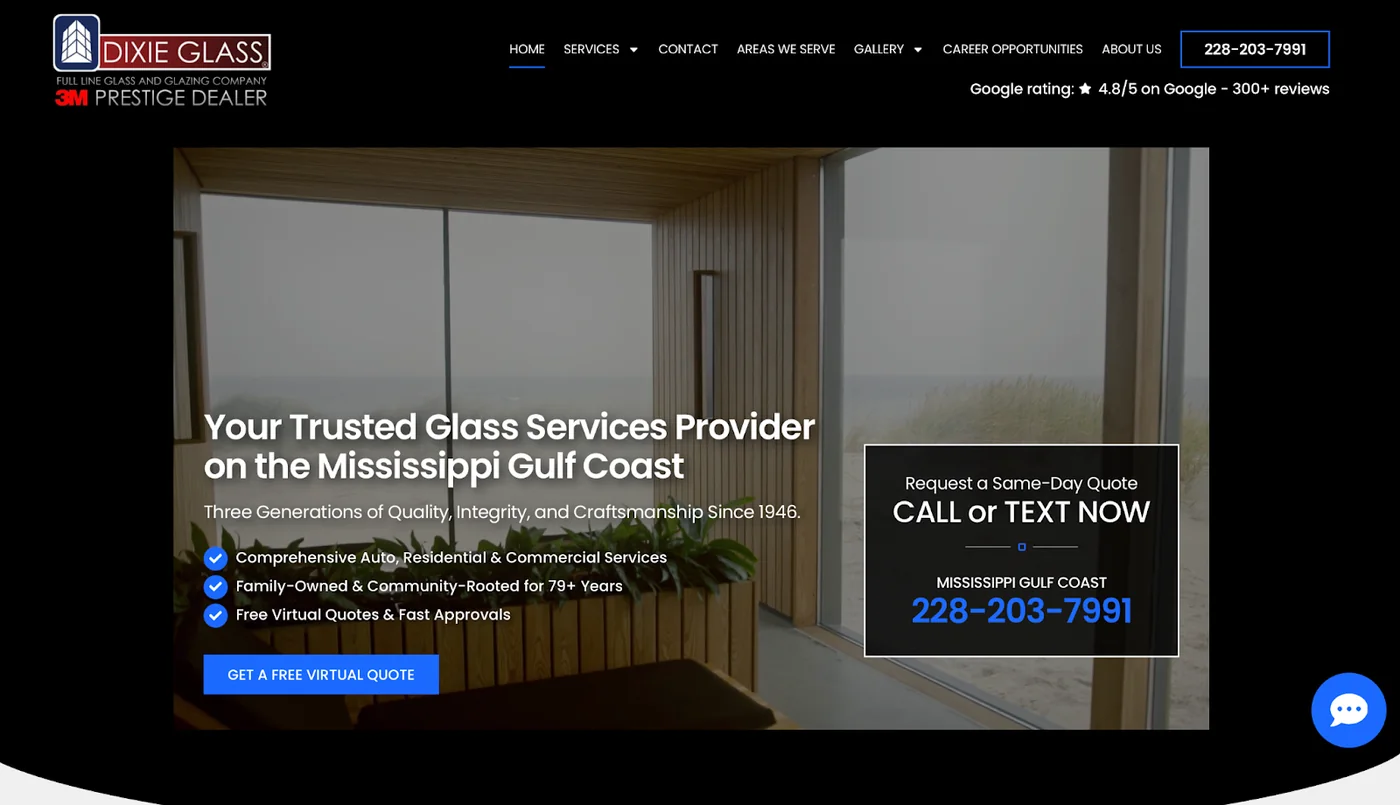
Lithium's work for the Mississippi Gulf Coast glass business Dixie Glass combines a new website, SEO and Google Ads. The separate recommendation is from Nathan Boos of Hillsview Building, who describes his website and SEO relationship with the team.
Glass76%more conversions
January vs the January before
“A lot of options out there for websites and SEO. I’ve worked with this team for years now and would highly recommend them. They know their stuff and deliver results. More importantly to me- they care about service and follow through on what they say they will do. Easy to work with and communicate with. Thank you!”
 Nathan BoosHillsview Building
Pages that help a property conversation
Give remodeling visitors useful service and project content on the Arizona destinations for Phoenix, Avondale, Surprise, Tempe, Peoria and Scottsdale where those properties fit your coverage. The Arizona directory supplies other city choices. Keep a clear opening request alongside those explanations, with the actual property address available to the receiving team.
Published price
$5,000
typical project
Larger sites get a fixed proposal after a 30-minute discovery call. Six to nine weeks from kickoff to launch. You own the domain, hosting account, WordPress install and content.
FAQ

Still curious?
Call (503) 766-5964 or email [email protected].
Yes. Useful documents can remain available while readable pages explain services, genuine examples and the contact process. We review what a visitor needs before the download and choose where the brochure adds value.
Agree on the information your team needs to begin, such as the property, rooms being discussed and available photos or history. A customer can identify unknown details without deciding the final project scope before staff responds.
Use photographs you can publish and describe accurately. Captions can identify your work and retained features, then connect the example with an accepted service and useful inquiry route. The image should support the explanation rather than replace it.
A website is typically about $5,000, with the actual proposal based on pages, content and contact needs. Bring the existing site and brochure to a co-founder call so the scope describes a clear deliverable.
Lithium works from Portland with remote strategy discussions. Your team provides the local service knowledge and genuine project material; we use those inputs to define the website content and practical receiving process.
Free action plan
Bring your remodeling site, brochure and examples of the questions customers ask first. A co-founder can help define readable pages and an inquiry route your team can use.
What we’ll cover
2000 NE 42nd Ave Ste D Unit 2370, Portland, OR 97213
Prefer to pick a time? Book a 30-minute call with DJ