
 Garden center
Drake’s 7 Dees
380%more organic traffic
in one year
- Google Ads conversion rate
- 26.4%
- Google Ads conversion rate
- leads in 60 days
- 744
- leads in 60 days
Web design for Hayward painting firms
Give Hayward painting customers a useful estimate conversation before they choose a color, through a website with clear examples of the work you accept.
 Google PartnerView our Partners listing
5.0on Google · read our reviews
Google PartnerView our Partners listing
5.0on Google · read our reviews
Businesses
we’ve worked with
Businesses we’ve worked with
The first painting conversation
Lithium Marketing builds Hayward painting websites that help a customer request an estimate while their color choice is still undecided. Explain what your firm needs at the first stage and when selections are discussed. A visitor should not have to invent a finish choice merely to ask about painting the room.
Alameda County has 186 painting contractor establishments. Make your company's estimate process easy to understand through real examples and readable service copy. The accepted painting work matters more than a gallery organized only by the finished wall color.
Comparing a website builder
“Web design hayward” has 10 monthly searches. When comparing designers, ask to follow an estimate journey without a chosen color. That shows whether the build can start a useful customer conversation instead of just present a polished room.
The request route should retain the intended painting service and let the visitor say which room they want discussed. Ask only for details the firm needs at this stage. Your team can establish finishes and the rest of the assessed scope during its own estimate process.
| Search | Searches a month | Cost per click |
|---|---|---|
| web design hayward | 10 | not reported |
| web designer hayward | under 10 | not reported |
| website design hayward | under 10 | not reported |
Source: Google Ads keyword data, average monthly U.S. searches. "Under 10" = below Google’s reporting floor.
Source: one Google results page for “plumber hayward”, as Google showed it to a searcher located in Hayward. Search ad counts exclude sponsored local listings. Results shift by searcher and day.
Existing rooms with explained work
For Hayward housing, the median year built is 1972. Use project captions that explain the existing surfaces and the painting work the crew agreed to perform. A customer comparing the example should see the service behind the finished color.
Homes built before 1980 represent 62.1% of Hayward's stock. Describe preparation from the jobs you actually completed, rather than expect the visitor to infer it from a room photograph. That gives someone with an undecided finish a clear reason to discuss the room and proposed work first.
Sources: U.S. Census Bureau 2025 population estimates, ACS 2020–2024 and 2023 County Business Patterns.
Project examples that support the estimate
Hayward has a 7.6% share of housing built in 2010 or later. Include accurate examples of work on the properties your crew really painted, distinguishing the surfaces and agreed scope. The building's age does not select a finish; your service explanation shows what a customer can request.
The city's owner-occupied share is 58.0%. Let owners and other property contacts explain their relationship to the room in the initial inquiry. Staff can establish the appropriate next conversation without the website assuming every visitor owns the property or has finalized the color.
County Business Patterns
Trade and home service businesses in Alameda County
Establishments by industry, 2023
Source: U.S. Census Bureau, 2023 County Business Patterns (NAICS establishment counts).
A painting site with a practical first step
We use your firm's real estimate sequence to decide what the site explains and asks.
You tell us what customers need to know at first contact and when a color choice becomes part of the project conversation.
Examples explain your crew's actual work, rather than only identify the final shade.
The estimate invitation allows someone to describe the room and say a finish is undecided without inventing a selection.
Your team reads a mobile test inquiry and confirms that the proposed work is understandable before the website launches.
What every Lithium website includes
The same eight parts go into every website build, wherever the business is.
A garden-center marketing example
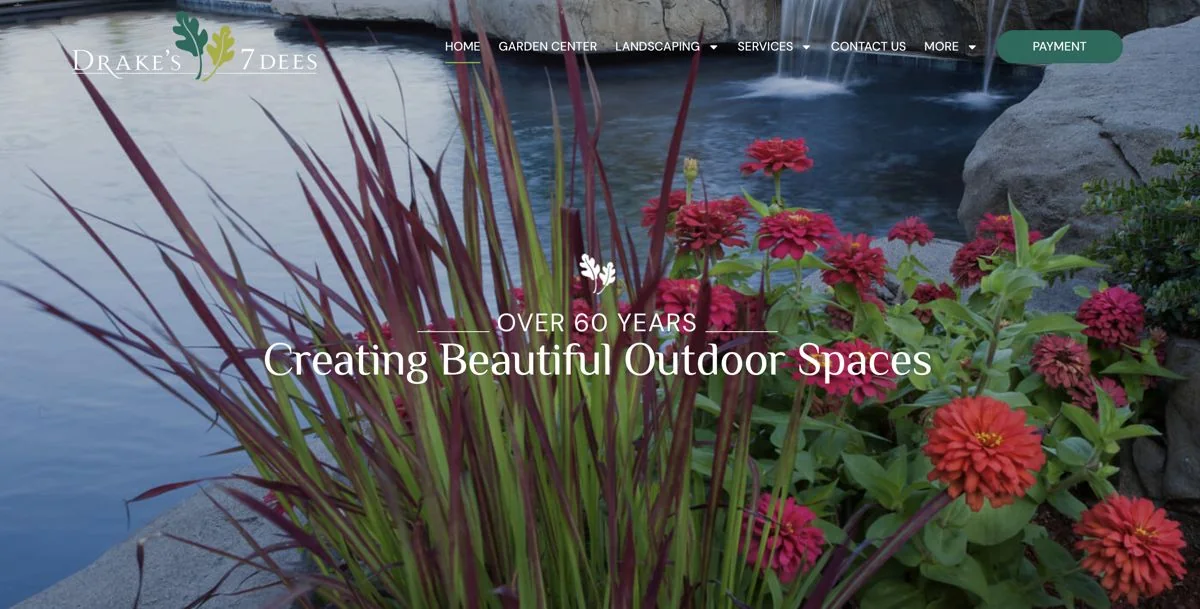
Drake’s 7 Dees is a garden center. Its documented Lithium project joined website design, SEO and Google Ads. The owner quote accompanying that example comes from Nathan Boos of Hillsview Building and describes his separate experience with the team.
Garden center380%more organic traffic
in one year
“A lot of options out there for websites and SEO. I’ve worked with this team for years now and would highly recommend them. They know their stuff and deliver results. More importantly to me- they care about service and follow through on what they say they will do. Easy to work with and communicate with. Thank you!”
 Nathan BoosHillsview Building
Other website discussions
A painting website can serve only the places your firm accepts. The links below offer web design context for Oakland and Berkeley, plus San Mateo, Fremont, Sunnyvale and Santa Clara. California's page and the Bay Area page provide the broader coverage.
Published price
$5,000
typical project
Larger sites get a fixed proposal after a 30-minute discovery call. Six to nine weeks from kickoff to launch. You own the domain, hosting account, WordPress install and content.
FAQ

Still curious?
Call (503) 766-5964 or email [email protected].
Yes, if that fits your firm's estimate sequence. Explain which details staff needs first and when finishes are discussed. The website can preserve an undecided choice while still gathering the room and proposed painting work for a useful conversation.
Prioritize the actual work the customer can hire. Explain the surfaces painted and preparation included, with a verified finish name when useful. A photograph should help someone recognize the service rather than imply that choosing its shade establishes the whole project scope.
Yes, when your staff does not need it to begin the estimate. We agree on the first-stage questions with the firm. Later selection and assessment details belong in the project's own conversation instead of becoming a barrier to initial contact.
Yes. Your WordPress site and content belong to your business, and the private Loom walkthrough explains updates. Keep example captions accurate when changing photographs so a different room image does not change the preparation or service your site describes.
The size of the build determines that scope. Bring the service pages and inquiry functions you need to the planning discussion. We define the project before agreeing on the work, so you can review what the website will cover.
Free action plan
Share your painting examples and explain when the customer chooses a finish. A short video call with a co-founder will help define the room-first request and the service details your website needs.
What we’ll cover
2000 NE 42nd Ave Ste D Unit 2370, Portland, OR 97213
Prefer to pick a time? Book a 30-minute call with DJ