
 Plumbing
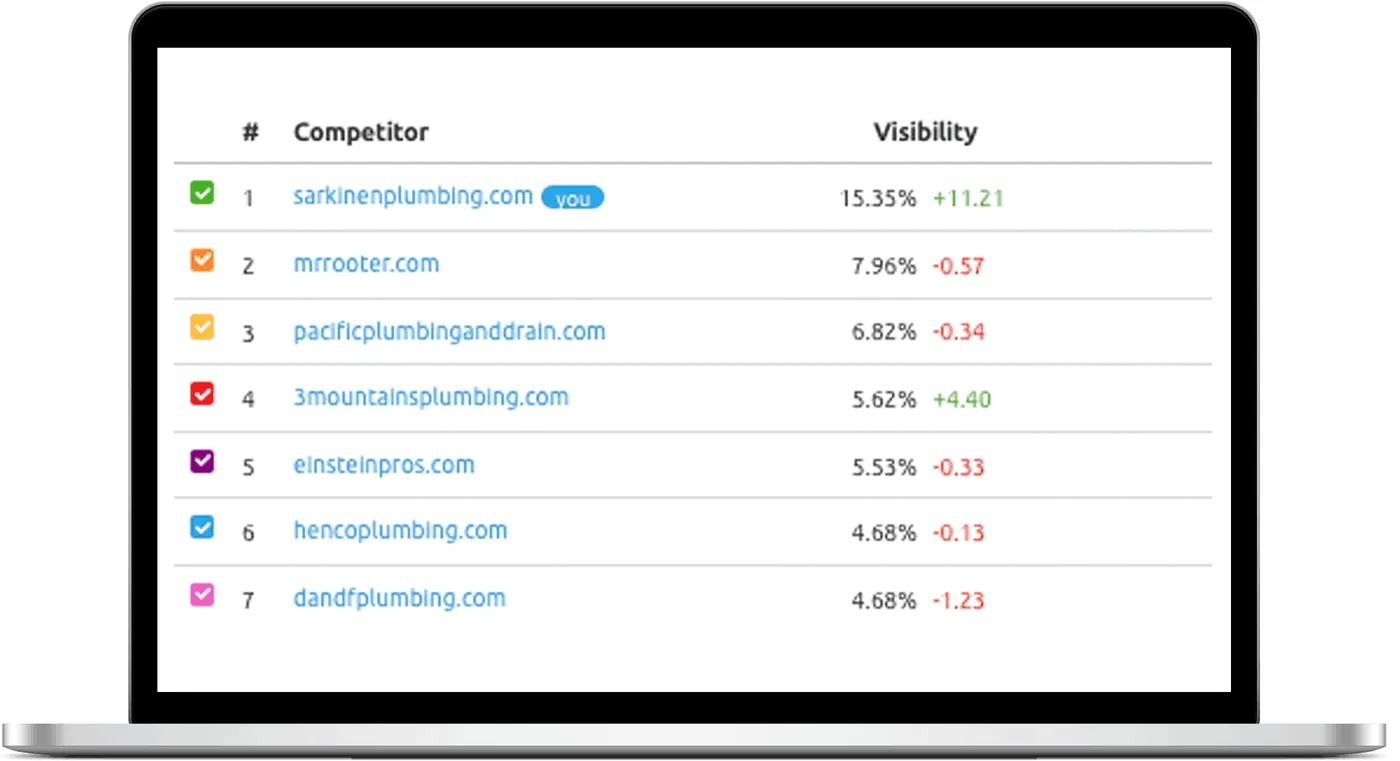
Sarkinen Plumbing
2Xleads
on the same budget
- search visibility
- 3.75X
- search visibility
- ads conversion rate
- 27.37%
- ads conversion rate
Make hired landscaping work easier to find than another tip
Help Ithaca customers find the landscaping work they can hire, ask for a quote and give your team a useful project description.
 Google PartnerView our Partners listing
5.0on Google · read our reviews
Google PartnerView our Partners listing
5.0on Google · read our reviews
Businesses
we’ve worked with
Businesses we’ve worked with
Search visits need a clear hired-service answer
Lithium Marketing helps a landscaping business get found for the jobs it wants to accept. How-to articles can attract readers while the website leaves hired services difficult to find. We research customer hiring searches and build current service pages explaining your actual work and how to request a quote.
Useful articles can support those service pages through clear links and relevant information. We inspect the site, technical access, local business information and current search results, then improve the answers customers reach. Calls and quote requests, reviewed with staff-confirmed outcomes, help you judge the investment beyond an article traffic total.
Research customer hiring searches and current results
We use the 140 monthly searches listed for 'landscaping ithaca' to start a review of the hiring answers customers currently find. Compare those results with your accepted jobs, then write the service information a prospective customer needs. Genuine work examples and a clear quote action help the visitor continue from that answer.
The landscaping cost-per-click benchmark is $5.02, giving a paid-search comparison for a discussion about SEO alongside ads. Judge your own investment with typical job value, actual inquiries and confirmed bookings. The content work should help a customer understand the service and reach your company.
| Search | Searches a month | Cost per click |
|---|---|---|
| seo agency ithaca | under 10 | not reported |
| seo company ithaca | under 10 | not reported |
| seo services ithaca | under 10 | not reported |
| seo ithaca | under 10 | not reported |
Source: Google Ads keyword data, average monthly U.S. searches. "Under 10" = below Google’s reporting floor.
Source: one Google results page for “plumber ithaca”, as Google showed it to a searcher located in Ithaca. Search ad counts exclude sponsored local listings. Results shift by searcher and day.
Actual coverage and readable landscaping examples
We organize landscaping coverage pages from your accepted addresses within Ithaca's 5.389 square miles of land. Connect those pages with the services offered at the actual property, rather than using a general place label for every job. Customers can check the working area and describe where they need the work.
We write newer-property landscape job descriptions naming the planting or other landscape work your company supplied, with Ithaca's 10.7% housing share built in 2010 or later as city context. Customers can recognize the hired service and describe their own project through the quote contact. The page gives them an actual work example and a way to ask the team for help.
Sources: U.S. Census Bureau 2025 population estimates, ACS 2020–2024 and 2023 County Business Patterns.
The company's own landscaping offer and project contact
Tompkins County lists 40 landscaping establishments. We identify the services your company accepts within that category and give them readable pages connected with relevant articles. A visitor should be able to find the actual hired work without inferring it from a topic archive.
Ithaca's 29.6% owner-occupied housing share supports asking the landscaping contact to identify their owner, tenant or manager role and the property involved. The quote request can ask who will discuss the project and arrange access. Staff continues from the supplied information and reports which service questions still need a clearer website answer.
County Business Patterns
Trade and home service businesses in Tompkins County
Establishments by industry, 2023
Source: U.S. Census Bureau, 2023 County Business Patterns (NAICS establishment counts).
SEO work connected with a landscaping quote
Choose the landscaping jobs, research hiring searches and connect the resulting pages with customer contact and reporting.
Agree desired landscaping work, genuine project material and the first questions staff needs for a quote.
Review current results, article-to-service links, technical crawl and index access and local business information.
Write approved service and area content and link relevant articles to it. Included AI-search readiness develops helpful answers, schema and clear business details, without promising appearances or rankings.
Use calls, inquiry questions and confirmed outcomes to assess the investment and prioritize the next SEO task.
What every SEO retainer includes
The same eight parts go into every SEO retainer, wherever the business is.
A plumbing marketing case and a carpet-and-rug recommendation
Sarkinen Plumbing's Portland-area case combines Lithium's new website, SEO and Google Ads work. Kevin Atiyeh of Atiyeh Bros, the carpet-and-rug business, separately recommends the team's understanding of the company's specialty and digital marketing.
Plumbing2Xleads
on the same budget
“Lithium Marketing has done a good job with understanding our Company and what we specialize in and applying that to our digital marketing.”
 Kevin AtiyehAtiyeh Bros Carpet
Landscaping pages for accurately described New York work
Plan landscaping content for accepted New York properties in Binghamton, Syracuse, Rochester and Utica. The linked Scranton and Wilkes-Barre pages are in Pennsylvania and need separate state-specific coverage answers. The New York city directory supplies further choices, with the actual landscaping offer and quote questions shaping each page.
Published price
$1,300–$3,000
per month
Typical local SEO retainer, scoped against what a lead is worth to you, with AI search optimization included.
They can stay where accurate and useful. Connect them with current service pages so a reader can understand the work available to hire and request a quote. We review the article's purpose and links rather than treating every topic visit as a customer inquiry.
SEO is $1,300–$3,000 per month. Compare typical job value, inquiry-to-booking rate and verified cost per booked job with that investment. Staff-confirmed calls and quotes make the review more useful than an article traffic total alone.
Typical stages are technical fixes within 30 days, local and long-tail progress in 60–90 days, and revenue compounding from month four. Site condition, implementation and market response affect the pace. Those stages guide reviews and do not promise an outcome.
They can explain the accepted landscaping service and working area, while local business information helps keep the customer answer consistent. Map proximity still matters. Review organic pages, maps and actual inquiries together.
Yes. Helpful service answers, schema and clear business information are part of the SEO retainer, without guaranteed AI mentions or rankings. The phone receptionist is separate work. Your Ithaca team can review either service remotely with Lithium in Portland.
Free action plan
Bring the current website, hired services and working area to a co-founder call. We can identify missing service answers, article connections and technical fixes, then agree how calls, quotes and confirmed bookings will help assess the work.
What we’ll cover
2000 NE 42nd Ave Ste D Unit 2370, Portland, OR 97213
Prefer to pick a time? Book a 30-minute call with DJ