
Jonesboro SEO Built Around Qualified Local Searches
Turn organic visibility into clearer service inquiries.
Lithium builds SEO programs for Jonesboro companies that need more than surface-level rankings. We improve the technical foundation, strengthen service pages, manage local visibility, and structure content so buyers understand the business when they are ready to compare options.
- Classic SEO: technical foundation, on-page, content, schema
- AI Search: AEO and GEO for AI Overviews, ChatGPT, Perplexity, Claude
- Local SEO: Google Business Profile and Map Pack visibility
- Reporting tied to leads and revenue. Google Partner. 5.0 across 30+ Google reviews

Partner
Search traffic is weak when the page feels vague.
Jonesboro businesses serve a practical regional market shaped by healthcare, education, agriculture, trades, retail, and Northeast Arkansas service needs. Buyers often compare providers quickly, and the company with the clearest page can look more dependable before a conversation ever starts.
“ Search visibility should reduce doubt at the moment of choice.
The valuable searches are usually tied to a specific need, not broad curiosity. A business may rank for general phrases while missing the terms that show a person is ready to schedule, repair, replace, or compare, such as: AC repair Jonesboro AR or personal injury lawyer Jonesboro Those searches need pages that explain the service, show proof, load quickly, and make calling or requesting help simple. They also need consistent business facts across Google Business Profile, the website, reviews, and listings.
When campaigns underperform, the cause is often fragmentation. Content is written without conversion context, technical issues stay hidden, local data drifts, and reporting focuses on activity instead of the inquiries the business actually wants.
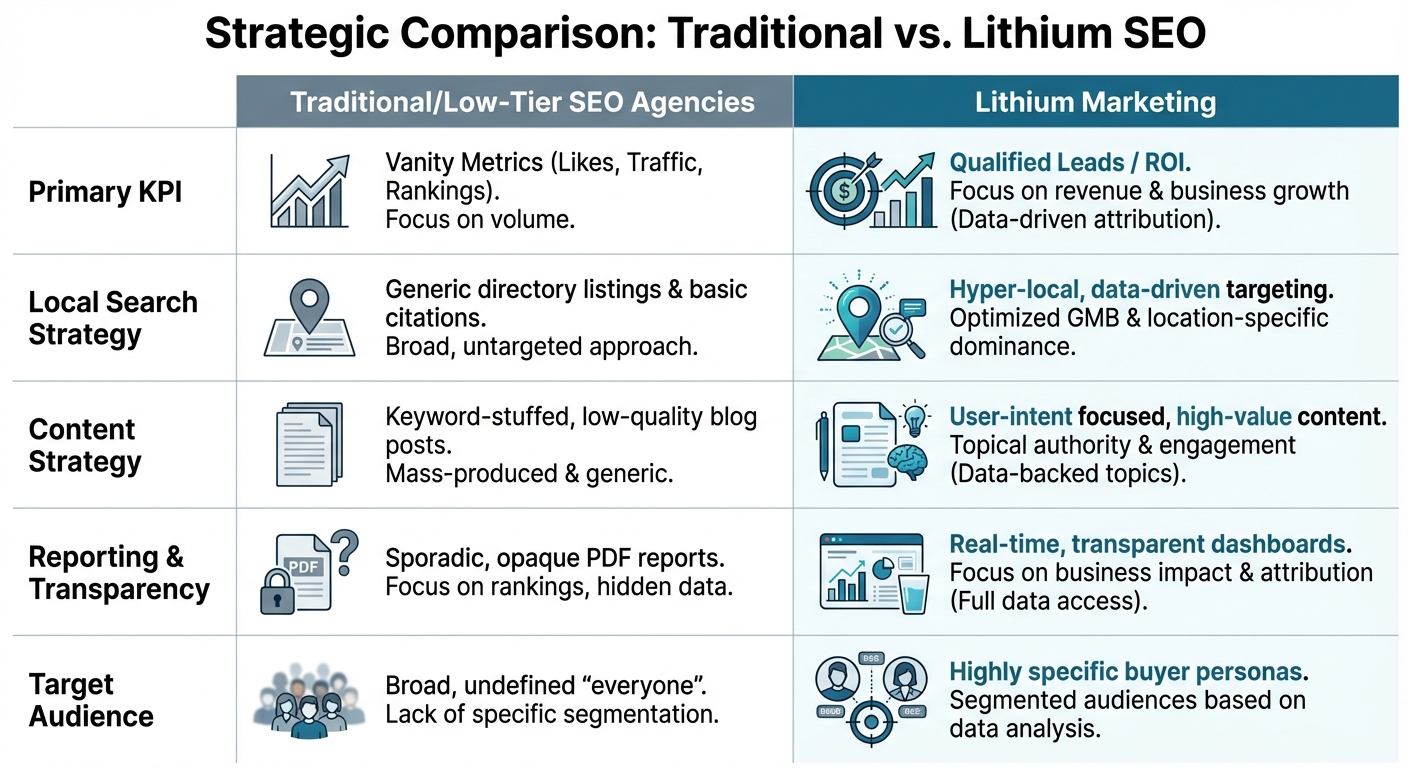
Ranking for queries that do not convert
A slow mobile page can lose a ready buyer before the first section matters. We evaluate Core Web Vitals, server response, image handling, scripts, and layout stability so technical drag is not quietly reducing organic opportunities.
Technical debt blocking growth
A strong search landing page helps the visitor act without hunting. Phone numbers, forms, booking options, and quote requests should be clear, supported by practical copy, and placed where interest is most likely to turn into contact.
Generic content that says nothing local
Local search depends on consistent signals. Crawlable service pages, clean URLs, valid schema, internal links, accurate citations, reviews, and a complete Google Business Profile help Google understand the business and its real service area.
No measurement tied to revenue
Buyers look for evidence that the company can handle their situation. Reviews, photos, case context, credentials, service details, and visible policies make a page feel accountable instead of generic.
A stronger SEO program starts with coordinated work.
We begin by finding the gap between visibility and useful inquiries. That may involve technical repairs, content depth, local profile issues, measurement problems, or weak proof. The strategy orders the work so each improvement supports the next.
Technical SEO foundation
Technical SEO checks whether the site can be crawled, indexed, and used without unnecessary friction. Redirects, canonical tags, schema, sitemaps, JavaScript, page speed, and broken paths are reviewed before content is expected to carry the account.
Mobile-first indexing readiness
Mobile behavior matters because many Jonesboro service searches start from a phone. We review tap targets, form length, sticky actions, content order, and page stability so the visitor can move quickly from need to action.
Keyword strategy tied to revenue per lead
Keyword priorities are chosen by service value and intent. We identify the searches that suggest someone is ready to call, schedule, or request an estimate, then map those terms to pages that can answer the need directly.
On-page SEO depth on every page
On-page work turns important pages into clearer answers. Titles, headings, metadata, internal links, schema, FAQs, and section flow are tuned so the page explains the offer to both people and search engines.
Local SEO and GBP optimization
Local SEO keeps Google Business Profile, citations, review strategy, service categories, photos, and service-area copy aligned. For Jonesboro companies, that can include clarifying regional coverage without pretending every nearby town needs its own thin page.
Authority Earned From Useful Sources
Authority work is strongest when the source has a reason to mention the business. We look for credible associations, community references, partners, suppliers, and industry resources, then monitor link quality so reputation work stays defensible.
Tracking that ties traffic to revenue
The reporting setup tracks whether organic work is producing useful activity. GA4 events, call tracking, form tracking, Search Console, and dashboard reporting help separate casual visits from calls, quotes, appointments, and pages that deserve more attention.
AI search and generative engine optimization
AI search optimization starts with unambiguous facts. We structure service explanations, proof, locations, credentials, and FAQs so answer systems have cleaner material to understand and buyers can scan the same content quickly.
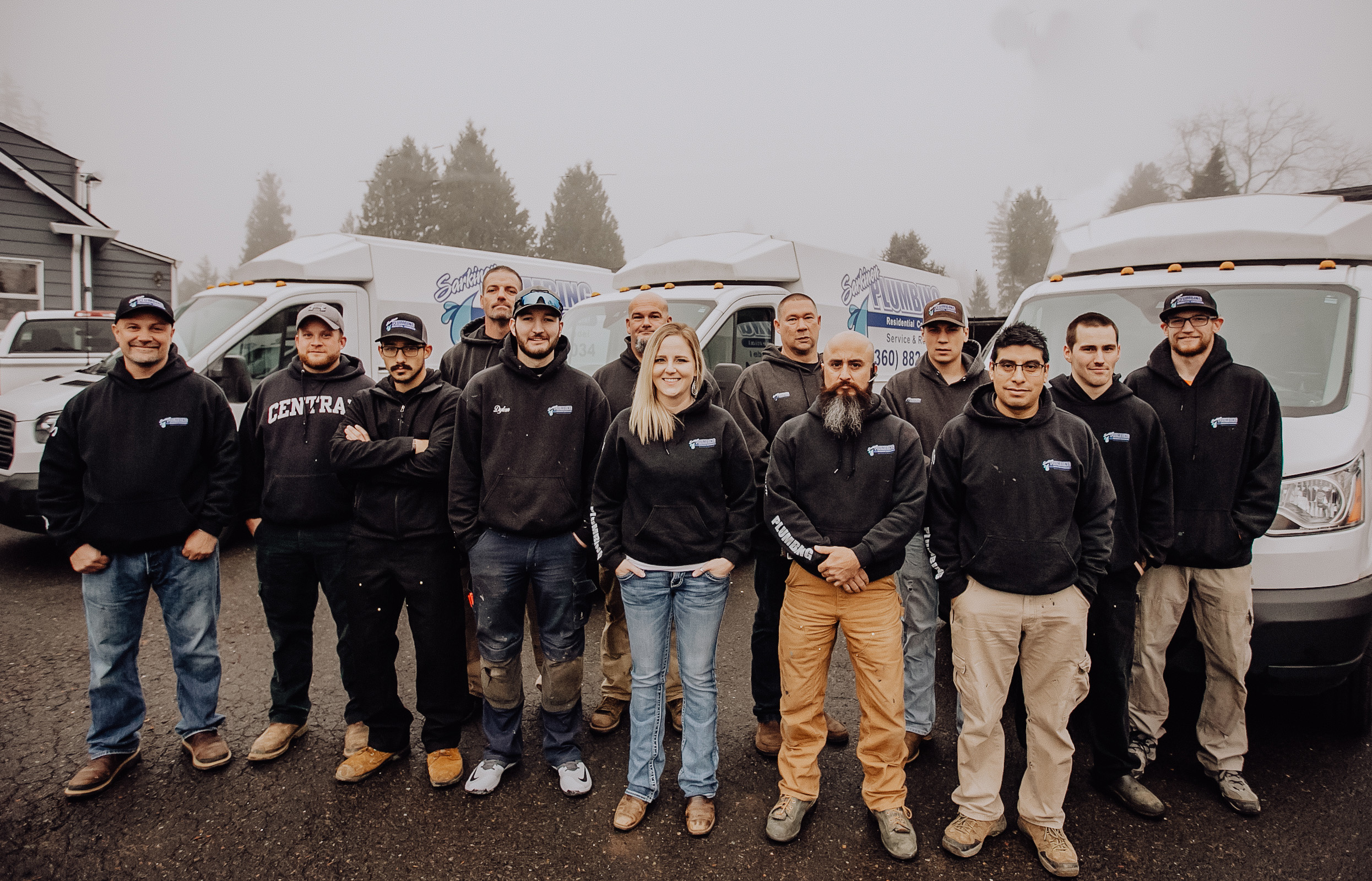
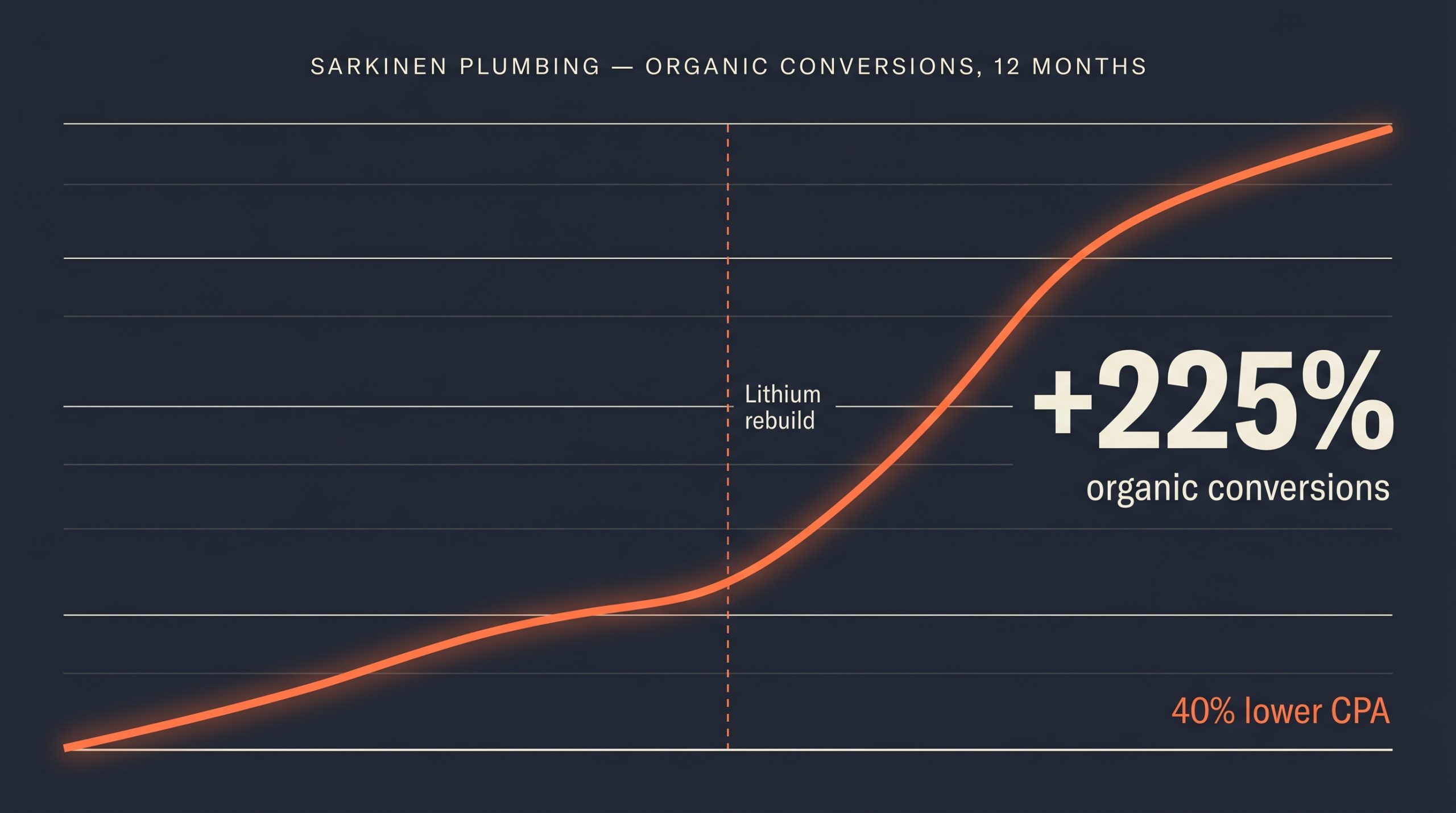
How a service business put 225% more conversions on the board with technical SEO and a content rebuild.
Sarkinen Plumbing shows why connected execution matters. Lithium improved service content, tightened technical issues, refined local visibility, and measured calls and forms instead of guessing. Conversions rose 225 percent, and cost per acquisition dropped 40 percent after the search program had a better foundation.

The strongest fit is a business people actively compare.
We work best with companies where search is part of the buying decision. If customers compare providers, read reviews, check availability, or need confidence before calling, the SEO program has practical work to do.
Home-services SEO supports plumbers, HVAC teams, roofers, electricians, remodelers, restoration crews, and lawn care companies. The work emphasizes service pages, emergency terms, review depth, seasonal content, and local profile details that match how people search.
Dental, medical, and wellness practices need pages that make care easier to choose. Procedure explanations, provider bios, insurance details, patient reviews, appointment options, and local content help a visitor understand the next step.
Contractors need search pages that prove the work before a quote request. Project examples, trade credentials, service details, estimate expectations, and location context help serious buyers decide whether to start a conversation.
Professional firms sell expertise and confidence. Attorneys, accountants, consultants, advisors, and agencies need service pages that answer first-call questions, show credentials, explain process, and make the inquiry feel lower risk.
Restaurants, venues, caterers, and hospitality businesses need search results that answer practical questions fast. Menus, hours, reservations, event information, photos, reviews, and profile details should stay current and consistent.
Auto repair, collision, glass, detailing, towing, and fleet service companies need pages for urgent and planned needs. Service categories, warranty language, reviews, directions, and appointment actions make the experience easier to choose.
Specialty retail SEO helps shoppers know whether to visit. Furniture, flooring, jewelry, gifts, outdoor products, and home goods need inventory context, photos, product information, reviews, and store details that support local discovery.
B2B SEO helps regional buyers understand capability before outreach. Manufacturing, logistics, IT, staffing, training, and professional firms need content that names services, industries, proof, process, and the problems they solve best.
From audit to compounding organic traffic in ninety days, with monthly reporting tied to leads and revenue.
SEO is a compounding system, not a one-time project. The Lithium process starts with a technical audit and a keyword strategy locked to revenue per lead, then ships fixes and content on a weekly cadence with monthly reporting that ties impressions to booked work.
Discovery and full SEO audit
Discovery uses the available data first. Search Console, GA4, Google Business Profile, crawl results, ranking visibility, and backlink quality are compared with the business goals and strongest competitors.
Keyword strategy and content roadmap
The roadmap decides what gets handled first. It includes technical repairs, page priorities, keyword clusters, content briefs, internal link improvements, local search actions, tracking updates, and a clear sequence for execution.
Technical fixes and on-page work
Core Web Vitals optimization on the pages buyers actually land on, render-blocking JavaScript removal, image compression with lazy loading, schema deployment (LocalBusiness, Service, FAQPage, BreadcrumbList, Article), internal linking restructure, sitemap cleanup, and indexation pruning. Every schema change validated in Google’s Rich Results Test before it ships.
Content production and on-page SEO
Foundational content comes before scattered publishing. Service pages, location pages, FAQs, comparison pages, and conversion sections give the site enough structure for later articles to reinforce, not replace, the core sales pages.
Local SEO and link earning
Local search work brings Google Business Profile, citations, reviews, photos, categories, services, and relevant local references into one plan. The business should look consistent wherever buyers and search systems verify it.
Measurement and monthly iteration
Monthly review connects completed work with performance. Rankings, impressions, clicks, profile actions, calls, forms, landing-page conversion rate, Core Web Vitals, and organic activity guide what should be improved next.
Engineered to surface in Google AI Overviews, ChatGPT, Perplexity, and Claude.
SEO with AEO and GEO shares the need for clear source material. Ranking pages, direct answers, and generative summaries all work better when services, entities, proof, and structured data are easy to understand.
Quotable answer blocks
Answer blocks should respect the reader. We give the direct answer first, then add context, exceptions, and proof so a visitor does not have to dig through promotional language to understand the point.
Fact density and citations
Specific details carry more weight than broad promises. Service scopes, coverage areas, credentials, project examples, policies, timelines, and pricing context make content more useful when they are accurate.
Schema for generative engines
Schema helps search systems read the same facts the page explains. We use business, service, FAQ, article, breadcrumb, and review markup where appropriate, then test the implementation before the page is treated as complete.
Brand consistency across the web
Generative systems compare many sources when forming an answer. We audit website content, profiles, listings, reviews, and public references so the business entity is described consistently and with enough useful detail.
Topical authority and entity coverage
Topical depth is built by connecting related pages. Service content, FAQs, guides, internal links, and proof should make the business easier to understand instead of creating a pile of loosely related posts.
llms.txt + AI crawler controls
llms.txt can guide AI crawler access and source preferences. It is not a shortcut, but it can support a thoughtful structure when paired with robots.txt, canonical pages, and clear business content.
The right SEO approach should match the decision.
Service businesses Lithium has driven SEO results for.
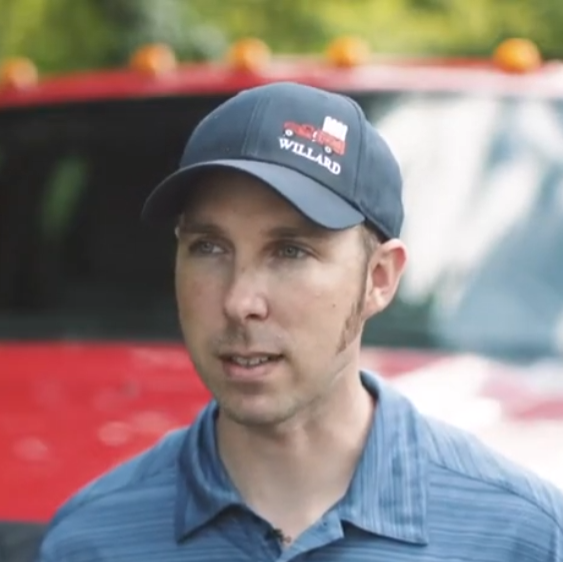
Willard Power Vac
“Lithium Marketing has been amazing for our business. They have greatly increased our web traffic and helped us land hundreds of jobs.”
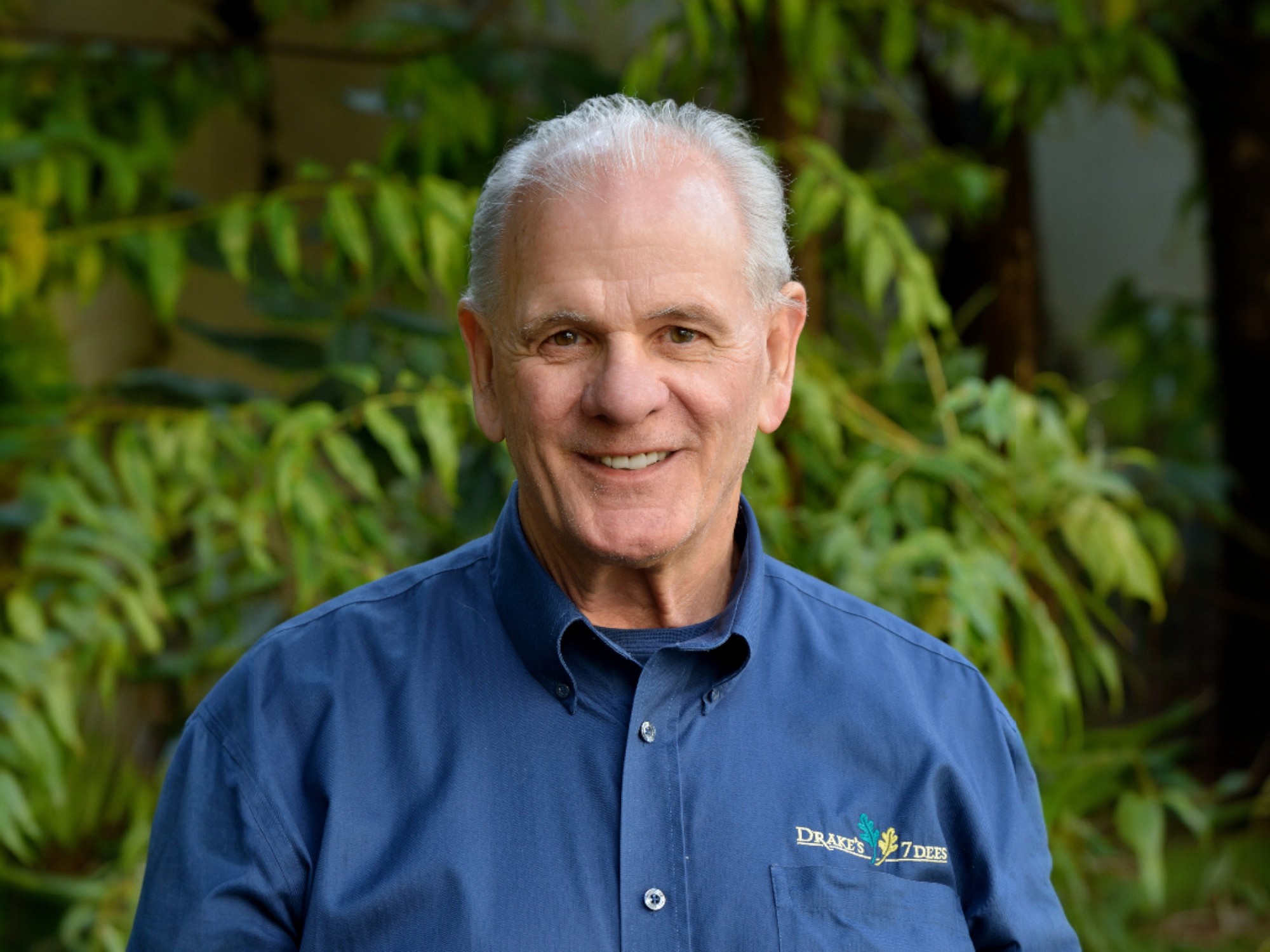
Drake’s 7 Dees
“Lithium has moved us to page 1 in Google search organically.”
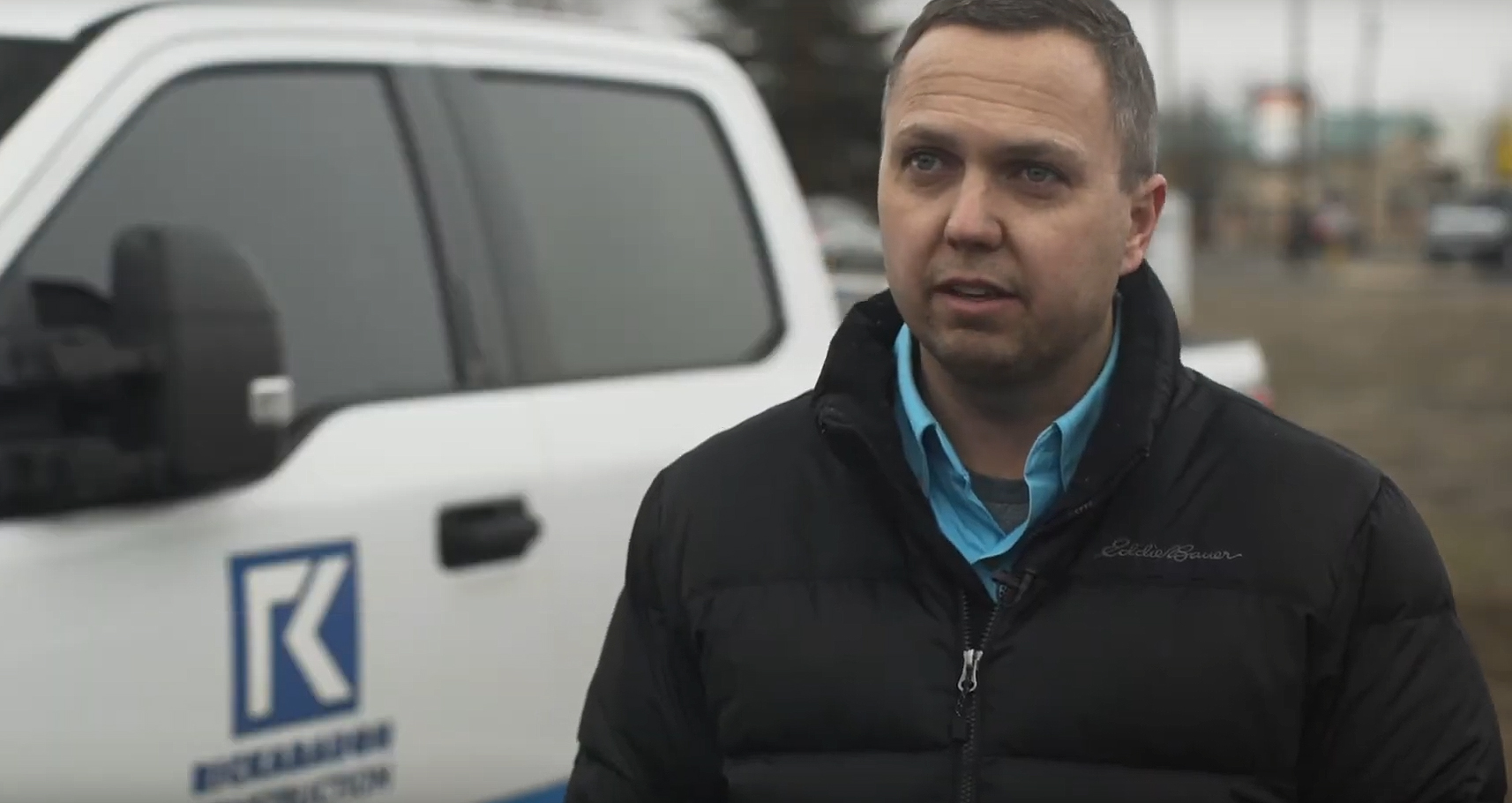
Rickabaugh Construction
“Working with Lithium Marketing has been awesome.”
Jonesboro SEO questions, answered without hype.
Some early movement may appear in 60 to 90 days, especially after technical cleanup, indexing fixes, or profile improvements. Competitive service terms usually require a longer runway. Six to twelve months is common when the site needs stronger content, reviews, authority, and conversion quality at the same time.
Google Ads can help while organic visibility builds, especially when a business needs calls quickly or wants to test which searches convert. SEO takes longer but creates durable service pages, local assets, and content depth. Many companies use both channels, then adjust based on cost and quality.
A local SEO retainer for a service business often falls between $1,300 and $3,000 per month. Competition, technical cleanup, content volume, service-area scope, and authority work drive the final scope. The budget should be judged against the value of the calls and appointments it can influence.
No. A guaranteed ranking promise is not credible because Google controls the results and competitors keep changing. What can be guaranteed is the work plan, execution, reporting, and the quality of the fixes and content delivered each month.
SEO supports traditional search visibility. AEO improves how pages answer specific questions. GEO helps generative engines understand and summarize the business. The work overlaps through clear answers, structured data, consistent facts, helpful pages, and source material that deserves to be referenced.
We measure the program with search movement and business actions. Impressions, rankings, Map Pack visibility, clicks, calls, forms, appointment requests, landing-page conversion rate, and organic activity in analytics all help show whether the work is creating useful opportunities.
A retainer commonly includes technical checks, on-page improvements, service content, Google Business Profile updates, citation cleanup, review planning, authority work, reporting, and monthly strategy. If the site has conversion issues, testing and page edits may also be part of the scope.
Yes, but the first phase has to be realistic. A new business needs a solid site, Google Business Profile, citations, reviews, core service pages, and content for reachable terms. Paid traffic can help cover the early gap while organic proof builds.

Your SEO strategy call is led by DJ Van Zanten.
DJ Van Zanten co-founded Lithium in 2018 and leads strategy for client relationships. On the review call, he connects search findings to practical business priorities while Kurt Schell oversees technical, content, paid media, and conversion execution.
Get a free 30-minute Jonesboro SEO review.
The review looks at Core Web Vitals, indexation, organic keywords, Google Business Profile, schema, backlink quality, service pages, and local competitors. You receive a written priority list that explains what should be fixed first.
- No-obligation 30-minute call with DJ Van Zanten, not a junior
- Written priority list of the top 5 to 10 changes that will move leads
- Google Partner with a 5.0 rating across 30+ Google reviews