
McKinney SEO Built for High-Intent Local Searches
Strengthen the pages, profiles, and technical signals buyers see first.
We help McKinney businesses improve the local search foundation behind better calls, forms, appointments, and quote requests. The work covers technical cleanup, service-page depth, Google Business Profile accuracy, content planning, and reporting that shows which searches are creating real opportunities.
- Classic SEO: technical foundation, on-page, content, schema
- AI Search: AEO and GEO for AI Overviews, ChatGPT, Perplexity, Claude
- Local SEO: Google Business Profile and Map Pack visibility
- Reporting tied to leads and revenue. Google Partner. 5.0 across 30+ Google reviews

Partner
More traffic does not fix unclear service pages.
McKinney companies compete in a fast-moving Collin County market where home services, healthcare, professional firms, builders, restaurants, and B2B providers all fight for attention. Buyers often compare several North Texas options before calling.
“ Search visibility has to help a buyer choose with confidence.
The missed opportunities are rarely abstract. They show up when a ready prospect searches for a specific service, reviews several results, and finds one page that explains the offer better than the others: roof repair McKinney TX or McKinney orthodontist for adults Those pages need speed, proof, location clarity, service depth, and accurate business details across Google and the website. If the page feels vague, the next provider in the results gets the comparison instead.
A strong SEO program connects the website, local profile, content, technical health, and reporting into one system. Without that coordination, the business can publish more pages and still lose the searches that would have become real conversations.
Ranking for queries that do not convert
Fast growth makes the local results crowded, and slow pages give impatient buyers another reason to leave. We check Core Web Vitals, image handling, scripts, server response, and layout stability so performance supports both rankings and real use.
Technical debt blocking growth
A page should make the next step obvious without forcing a visitor to dig. Calls, forms, booking links, service descriptions, and location details need to stay close to the decision points a buyer reaches while comparing providers.
Generic content that says nothing local
Google needs a clear picture of the business before it can match pages to local intent. Clean URLs, crawlable content, valid schema, consistent listings, and complete profile data all help connect services to the right McKinney-area searches.
No measurement tied to revenue
Buyers look for evidence before they share their information. Reviews, service examples, team credentials, project photos, warranties, and a clear service area can make one local provider feel easier to choose than a similar competitor.
The search foundations a competitive local site needs first.
We start by finding the constraints that keep search visibility from becoming useful activity. That can include weak service pages, messy indexing, thin local signals, missing proof, incomplete tracking, or content that answers keywords without helping the buyer choose.
Technical SEO foundation
Technical SEO reviews the site from the crawler’s point of view and the visitor’s point of view. We inspect redirects, indexation, crawl paths, structured data, Core Web Vitals, duplicate pages, image weight, and sitemap health before building more content on top.
Mobile-first indexing readiness
Mobile behavior matters because many service searches happen during a quick comparison. We test form usability, button spacing, sticky actions, page speed, viewport issues, and content order so the mobile version does not undercut the desktop strategy.
Keyword strategy tied to revenue per lead
Keyword strategy is built around commercial intent, service fit, urgency, and likely value. A phrase can have volume and still be a poor target, so we prioritize searches that deserve a dedicated page or a stronger section.
On-page SEO depth on every page
On-page work improves what search engines read and what buyers understand. We refine titles, meta descriptions, headings, internal links, schema, FAQs, section order, and service explanations so each page has a clear purpose.
Local SEO and GBP optimization
Local SEO keeps the public business record aligned. Categories, services, reviews, photos, citations, and Google Business Profile details should support the real service area, whether the business serves McKinney, Frisco, Allen, or nearby Collin County communities.
Authority Through Real Relevance
Authority work should support reputation, not create noise. We identify relevant directories, industry references, association opportunities, local mentions, partner pages, and useful resources, then monitor the link profile so quality does not drift over time.
Tracking that ties traffic to revenue
Measurement should show which searches are turning into useful McKinney inquiries. We connect GA4, Search Console, call tracking, form events, and landing-page reporting so organic work can be reviewed by service line, location intent, and contact quality.
AI search and generative engine optimization
AI search work depends on clean facts, not magic phrasing. We structure answers, entity details, service descriptions, credentials, locations, and supporting pages so the business is easier for search systems to understand and summarize accurately.
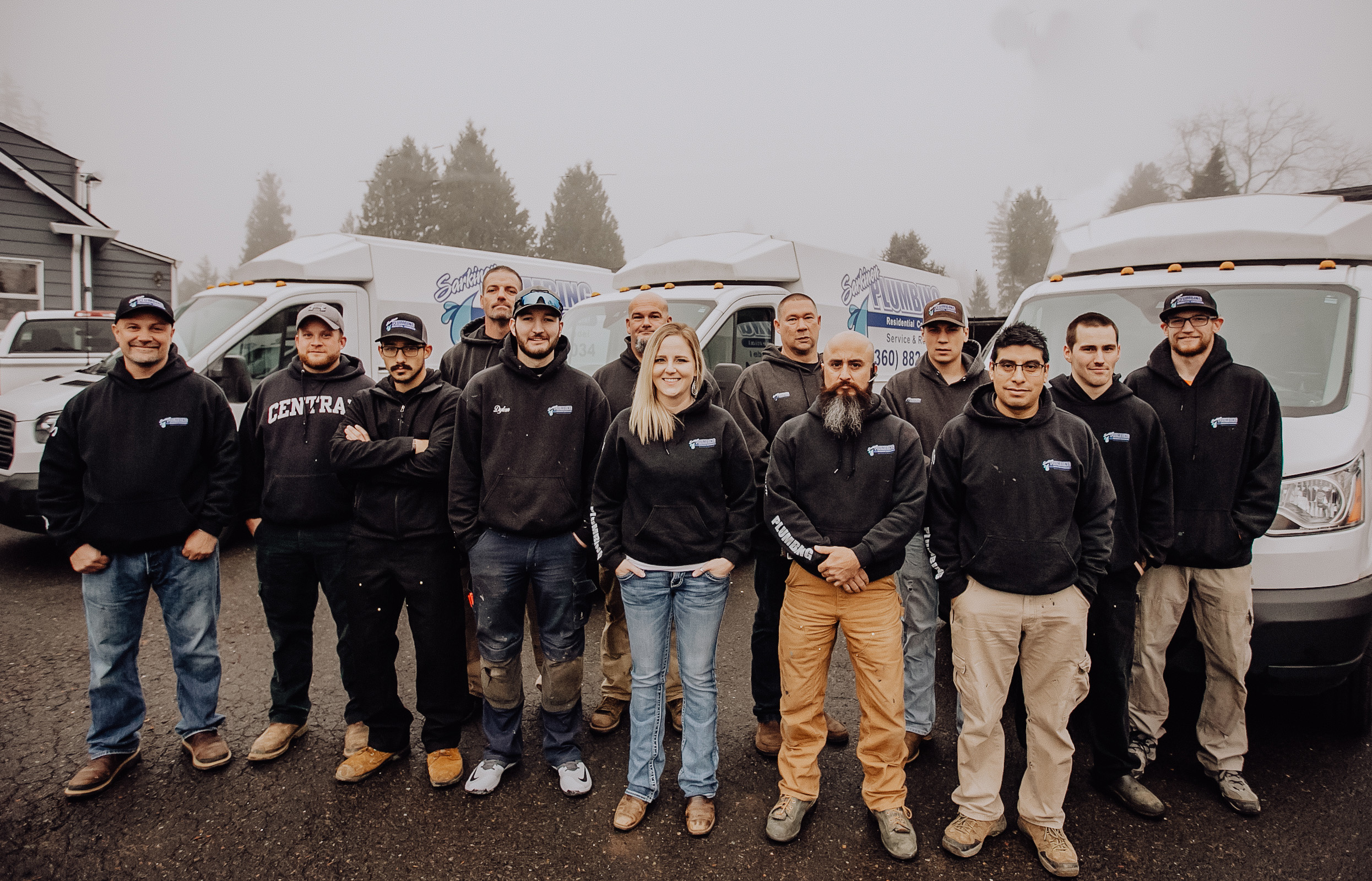
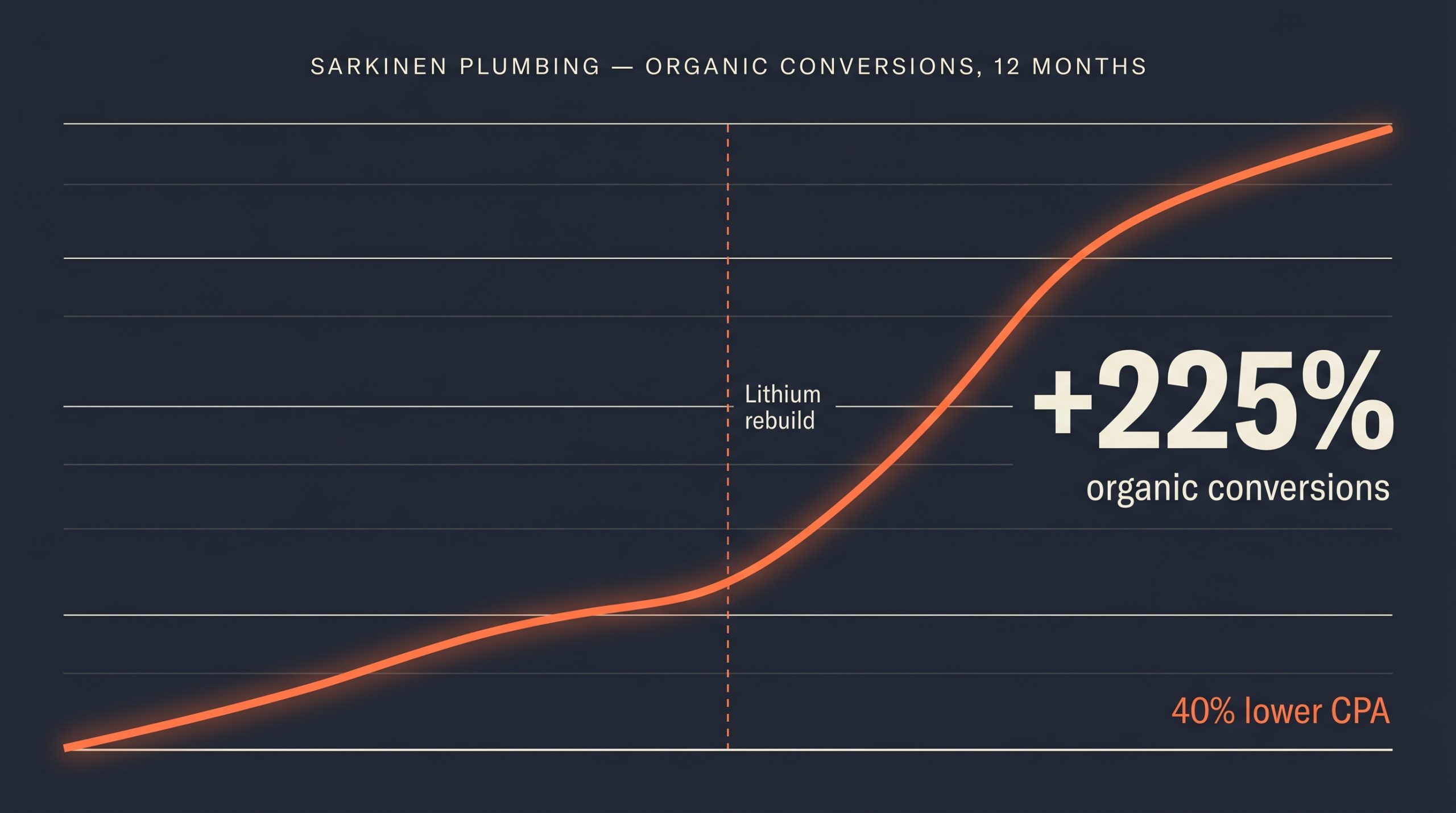
How a service business put 225% more conversions on the board with technical SEO and a content rebuild.
Sarkinen Plumbing needed more than branded visibility. Lithium strengthened the technical base, rewrote buyer-focused service pages, improved local profile signals, and connected analytics plus call tracking to the actions that mattered. The result was a 225 percent conversion lift and a 40 percent drop in cost per acquisition.

Local operators with searches worth earning.
Our strongest fit is a business where search behavior connects directly to calls, appointments, estimates, or consultations. The industry examples below share the same need: pages that answer real questions and tracking that shows which visits become serious conversations.
Home-services SEO covers HVAC, plumbing, electrical, roofing, remodeling, fencing, landscaping, and cleaning companies. Strong pages explain urgent services, seasonal needs, neighborhoods served, review proof, and the practical reason a homeowner should contact this provider first.
Dental and medical SEO has to make the appointment feel understandable. Procedure pages, insurance notes, provider bios, reviews, location details, and patient-friendly FAQs help McKinney families compare care without relying on thin directory listings.
Contractor SEO works best when the site shows finished work and explains the process. Galleries, service pages, materials, trade credentials, timelines, reviews, and estimate language help buyers evaluate a builder before the first appointment.
Professional-service SEO supports attorneys, CPAs, consultants, advisors, agencies, and insurance firms that sell expertise. Pages should clarify practice areas, credentials, client fit, appointment options, and the questions a careful buyer needs answered.
Restaurants, venues, caterers, and breweries need local search content that answers quickly. Menus, ordering, hours, private events, reservations, photos, parking, and profile updates should stay consistent so visitors can decide without extra research.
Auto-service SEO covers repair shops, body shops, detailers, dealerships, mobile mechanics, and fleet providers. Service pages should address symptoms, appointment options, reviews, location, vehicle types, and warranties for both urgent and planned work.
Specialty retail SEO helps shoppers confirm product fit before visiting or calling. Flooring, furniture, jewelry, boutique, appliance, and home-goods stores often need product categories, local inventory signals, photos, reviews, and merchant details that match Google.
B2B SEO supports firms with longer evaluation cycles, including software, engineering, staffing, industrial services, training, and consulting. Content should show capabilities, industries served, outcomes, technical expertise, and the next step for a qualified prospect.
From audit to compounding organic traffic in ninety days, with monthly reporting tied to leads and revenue.
SEO is a compounding system, not a one-time project. The Lithium process starts with a technical audit and a keyword strategy locked to revenue per lead, then ships fixes and content on a weekly cadence with monthly reporting that ties impressions to booked work.
Discovery and full SEO audit
Discovery combines Search Console, GA4, Google Business Profile, crawl data, rankings, competitor pages, backlink quality, and conversion tracking. We look for the few constraints that are holding back the most valuable searches first.
Keyword strategy and content roadmap
The roadmap gives the work an order. It identifies technical fixes, page rewrites, content gaps, local profile improvements, internal links, tracking needs, and authority opportunities, with the highest-intent services moved ahead of nice-to-have topics.
Technical fixes and on-page work
Core Web Vitals optimization on the pages buyers actually land on, render-blocking JavaScript removal, image compression with lazy loading, schema deployment (LocalBusiness, Service, FAQPage, BreadcrumbList, Article), internal linking restructure, sitemap cleanup, and indexation pruning. Every schema change validated in Google’s Rich Results Test before it ships.
Content production and on-page SEO
Core content should be useful before it is expansive. Service pages, location pages, FAQs, comparison content, and supporting guides need to cover the decision clearly, then ongoing publishing can strengthen topics already connected to revenue.
Local SEO and link earning
Local search execution includes profile updates, citation cleanup, review planning, service-area clarity, useful references, and reporting. The goal is to make the business easier to understand wherever a buyer or search engine checks it.
Measurement and monthly iteration
Monthly reporting looks past movement for its own sake. We review impressions, clicks, rankings, map visibility, calls, forms, conversion rate by page, and completed work, then adjust the next month around the searches most likely to produce serious conversations.
Engineered to surface in Google AI Overviews, ChatGPT, Perplexity, and Claude.
SEO, AEO, and GEO share a need for clear, consistent source material. We build pages that can rank, answer direct questions, and help generative systems understand the business without relying on vague or inflated claims.
Quotable answer blocks
Answer-first sections help both scanners and search systems. The copy should state the useful answer, then add conditions, examples, service details, and proof, so the page feels helpful instead of padded with repeated keywords.
Fact density and citations
Specific facts make local pages more credible. We add services, timelines, pricing context, credentials, cities served, project examples, staff details, and policies only when they are accurate and useful to the person comparing options.
Schema for generative engines
Schema helps search engines read important facts in a structured way. We apply supported markup such as LocalBusiness, Service, FAQPage, Article, BreadcrumbList, and Review data, then test the output so errors are not carried into launch.
Brand consistency across the web
AI search tools need clear facts about what the business does, where it works, and why it can be trusted. We compare McKinney service pages, profile data, reviews, directories, and mentions so those facts stay consistent.
Topical authority and entity coverage
Topical depth comes from covering the decision from several angles. Related service pages, FAQs, guides, internal links, proof, and entity references should make the site feel like a complete answer, not a set of isolated pages.
llms.txt + AI crawler controls
An llms.txt file can provide guidance about which content AI crawlers may use and how the site should be represented. It should support, not replace, strong pages, clean robots.txt rules, and consistent public information.
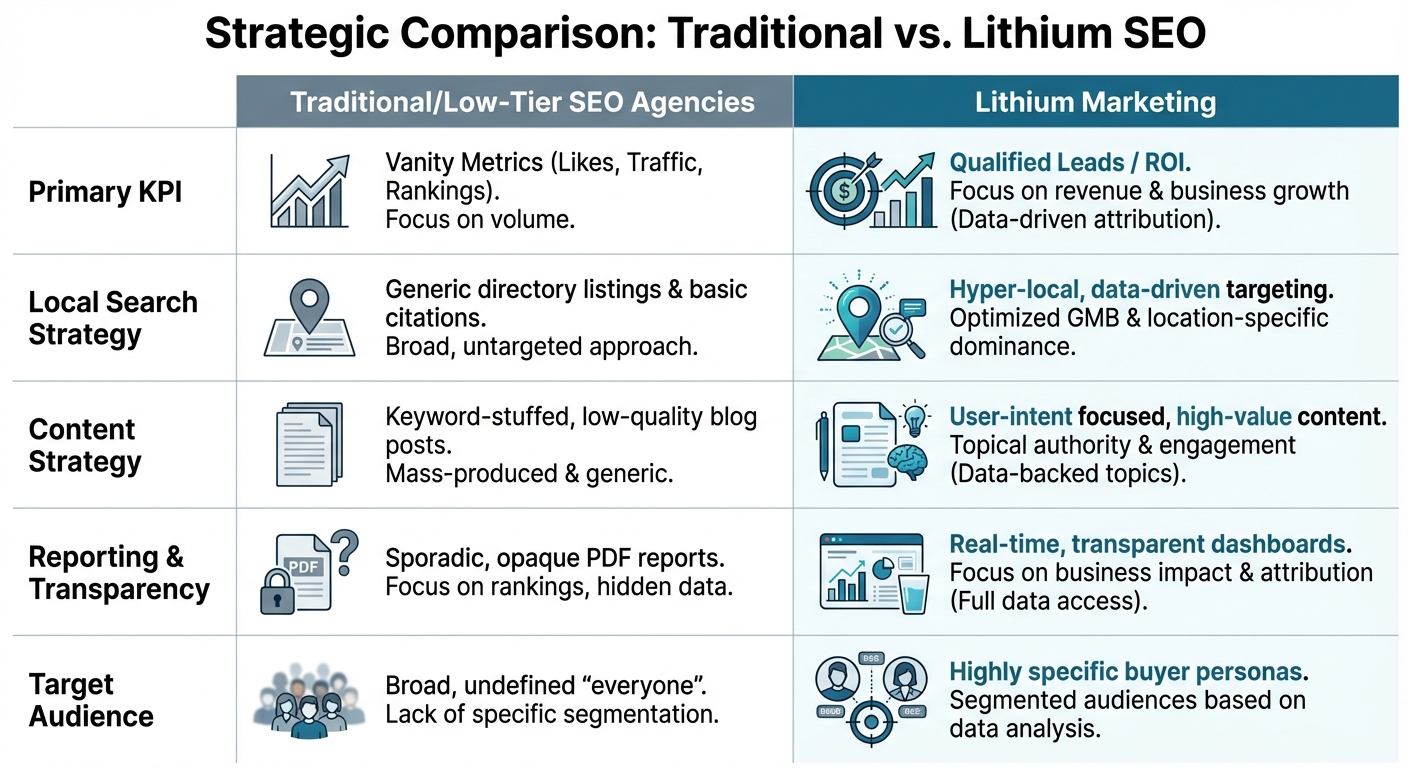
What each SEO approach gives a local owner.
Service businesses Lithium has driven SEO results for.

Willard Power Vac
“Lithium Marketing has been amazing for our business. They have greatly increased our web traffic and helped us land hundreds of jobs.”
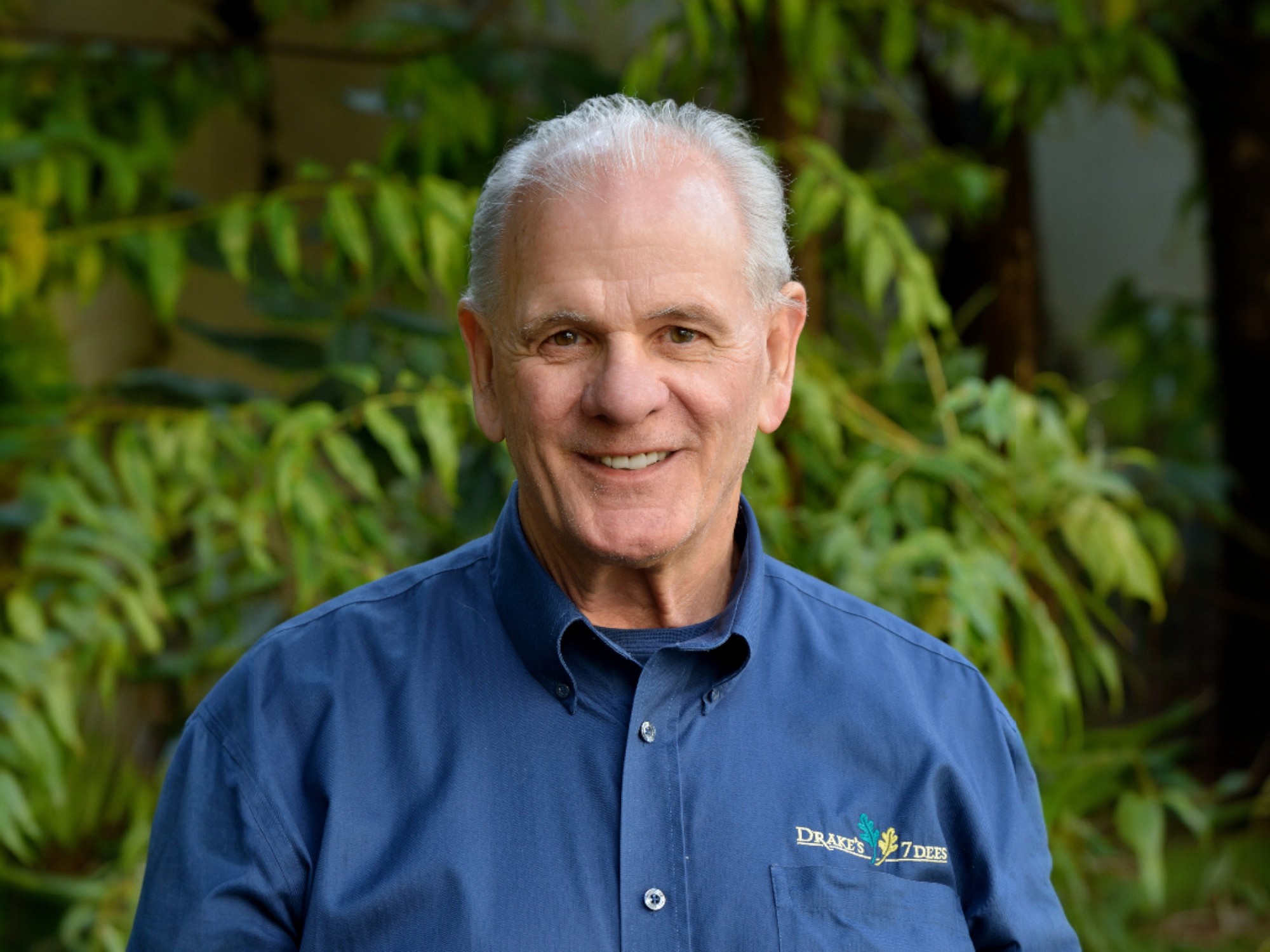
Drake’s 7 Dees
“Lithium has moved us to page 1 in Google search organically.”

Rickabaugh Construction
“Working with Lithium Marketing has been awesome.”
McKinney SEO questions, answered plainly.
Most local SEO programs need 60 to 90 days before early movement is visible, and six to twelve months for harder terms. Technical cleanup and profile improvements can move faster. Competitive service pages need time because content, authority, reviews, and conversion quality have to improve together.
Google Ads can put a McKinney business in front of buyers quickly while SEO builds longer-term organic visibility. Ads can test messages and keywords fast. SEO turns the winning intent into better pages, profile signals, internal links, and content that keep working after the first click.
Most local SEO retainers for service businesses land between $1,300 and $3,000 per month. Competition, site condition, content needs, number of services, tracking setup, and authority work all affect the scope. The budget should make sense against the value of a booked job.
No. A specific Google ranking cannot be guaranteed ethically because the results are controlled by Google and influenced by competitors. The work can be guaranteed: fixes completed, pages improved, content published, data cleaned up, and reporting delivered on schedule.
SEO improves traditional organic search visibility. AEO helps pages answer direct questions in formats such as snippets and People Also Ask. GEO helps generative engines understand the business. In practice, all three need clear answers, structured facts, useful content, and consistent public details.
SEO should be measured with visibility, engagement, and business actions together. We look at impressions, rankings, Map Pack movement, clicks, calls, forms, booked appointments, landing-page conversion rate, and attributed organic activity in GA4 or call tracking.
A retainer often includes technical monitoring, on-page edits, content production, Google Business Profile updates, citation cleanup, review strategy, authority work, reporting, and a strategy call. The exact mix depends on competition, site condition, and how quickly the business needs progress.
Yes, but a new business should expect staged progress. The early work usually covers site structure, Google Business Profile, citations, reviews, service pages, and lower-competition terms. Paid search can help while organic authority and local reputation are still developing.

Your SEO strategy call is led by DJ Van Zanten.
DJ Van Zanten joined Lithium as co-founder in 2018 and leads client strategy. On the review call, he helps connect search findings to business priorities while Kurt Schell guides technical and content execution from more than twenty years of SEO, PPC, and conversion work.
Get a free 30-minute McKinney SEO review.
The review covers Core Web Vitals, organic keywords, Google Business Profile health, backlink quality, schema, indexation, page depth, and competitor gaps. You leave with a written priority list that shows what should be fixed first.
- No-obligation 30-minute call with DJ Van Zanten, not a junior
- Written priority list of the top 5 to 10 changes that will move leads
- Google Partner with a 5.0 rating across 30+ Google reviews