
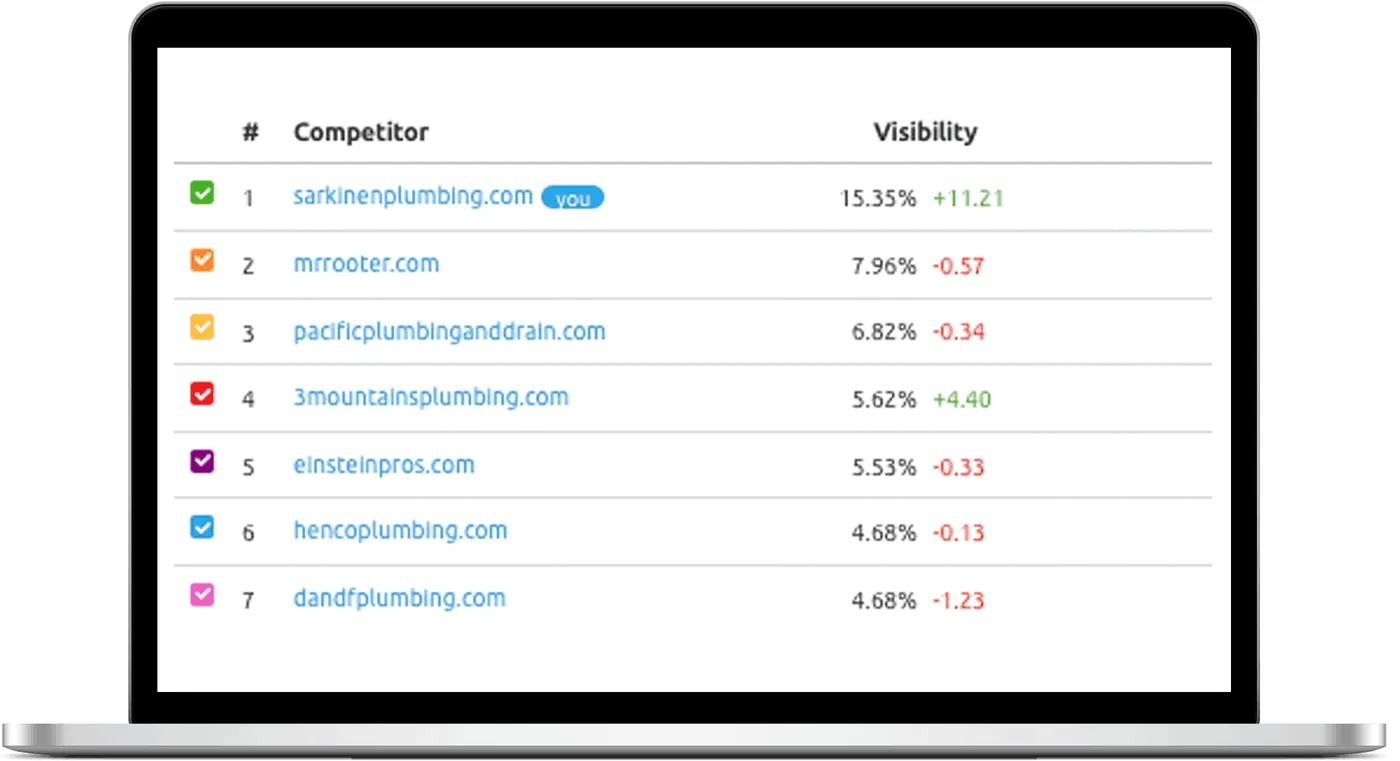
 Plumbing
Sarkinen Plumbing
2Xleads
on the same budget
- search visibility
- 3.75X
- search visibility
- ads conversion rate
- 27.37%
- ads conversion rate
Web design for Newark landscaping businesses
Help Newark customers understand your landscaping offer before they ask for a price, with clear service choices and a website your business owns.
 Google PartnerView our Partners listing
5.0on Google · read our reviews
Google PartnerView our Partners listing
5.0on Google · read our reviews
Businesses
we’ve worked with
Businesses we’ve worked with
Explain the difference between recurring care and a new landscape project
A landscaping gallery can look attractive while leaving customers unsure whether the company offers ongoing care, new projects or both. Lithium Marketing designs the website around the services you want to sell. We write clear explanations, organize genuine examples and give each visitor a practical way to introduce the work they need.
Agree the service names, enquiry questions and receiving process before building the pages. A customer should be able to choose a useful starting point without understanding your internal job categories. We test the agreed contact functions and hand over a finished website the business owns.
Use discovery questions to organize the site's service information
Someone using ‘landscaping Newark DE’, a query with 140 monthly searches, needs an explanation of the services they can request. We can separate regular property care from a new outdoor project where both belong in the offer. Each explanation should lead to appropriate examples and first questions.
New Castle County’s 239 landscaping establishments describe a broad business category, so the site's own service choices need to be more specific. We discuss the company's work with its team and organize the pages in language customers recognize. The design should help a visitor understand the offer rather than requiring them to interpret a portfolio alone.
| Search | Searches a month | Cost per click |
|---|---|---|
| web design newark de | 10 | not reported |
| web designer newark de | under 10 | not reported |
| website design newark de | under 10 | not reported |
Source: Google Ads keyword data, average monthly U.S. searches. "Under 10" = below Google’s reporting floor.
Source: one Google results page for “plumber newark de”, as Google showed it to a searcher located in Newark. Search ad counts exclude sponsored local listings. Results shift by searcher and day.
Connect outdoor examples with the work a visitor wants to discuss
Newark’s median housing construction year is 1978, giving local background for examples of outdoor changes at existing properties. A readable description can identify the area, the aim and the landscaping work performed. Linking it to the relevant service lets a visitor decide whether their own idea belongs in that conversation.
Newark has a 10.9% share of housing built in 2010 or later; genuine examples of work around newer homes can answer a different project question from regular care of an established landscape. We choose material from the company's experience and explain what was done. The enquiry can ask which outdoor area the customer wants to discuss and what they hope to change.
Sources: U.S. Census Bureau 2025 population estimates, ACS 2020–2024 and 2023 County Business Patterns.
Build the contact route around useful service introductions
In Newark, where the owner-occupied housing share is 50.7%, service introductions can ask who is arranging the outdoor work and which property area is involved. A care request and a proposed redesign may need different opening questions. Staff can use those details to continue the right conversation with the customer.
New Castle County’s median housing construction year of 1975 supplies wider existing-property context when selecting genuine project material. Discuss the outdoor aim and the company's work in a caption instead of leaving the image unexplained. Keep the contact route visible from the example and agree any further information the team needs.
County Business Patterns
Trade and home service businesses in New Castle County
Establishments by industry, 2023
Source: U.S. Census Bureau, 2023 County Business Patterns (NAICS establishment counts).
Choose the service choices before arranging the pages
Agree the offer, gather useful examples, develop and test the contact routes, then hand over the site and editing guidance.
Define ongoing care, project work and the first customer questions for each.
Choose images and descriptions that show the purpose and work performed.
Check that the agreed pages and forms reach the right receiving team.
Confirm business ownership, agreed functionality and how to keep service information useful.
What every Lithium website includes
The same eight parts go into every website build, wherever the business is.
A Portland-area plumbing website with organic and paid search work
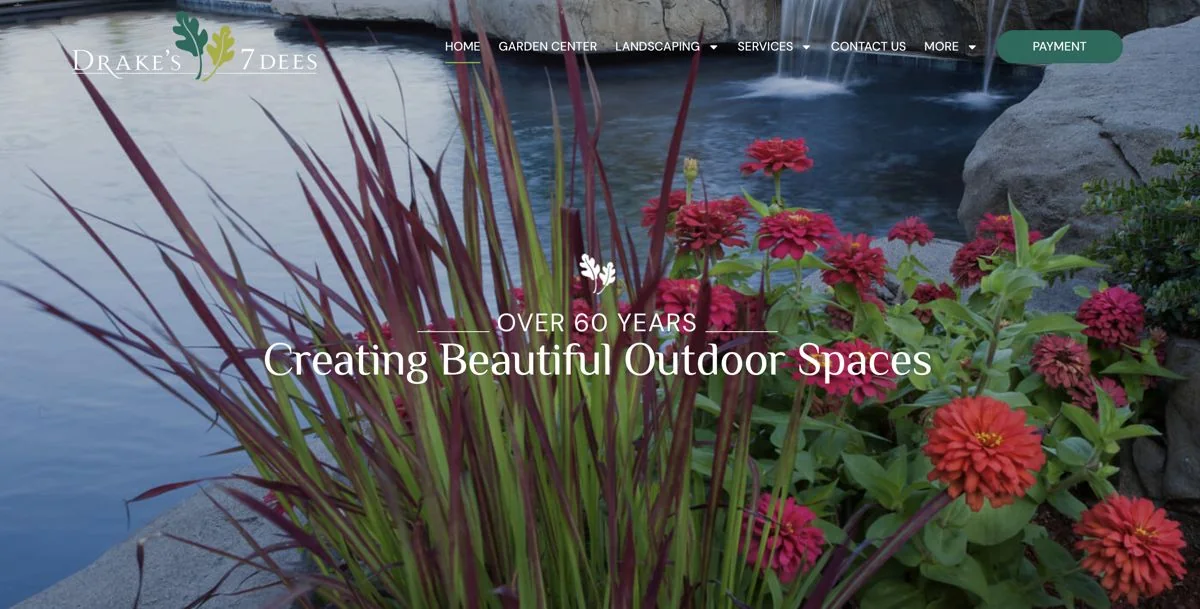
The Portland-area Sarkinen Plumbing project included a new website alongside Google Ads and SEO delivered by Lithium. Drake Snodgrass of garden-center business Drake’s 7 Dees shares a separate experience of website and organic-search work in his recommendation.
Plumbing2Xleads
on the same budget
“Lithium has moved us to page 1 in Google search organically. Prior to working with them we spent a huge part of our marketing budget on paid search. Website redesign was a great experience.”
 Drake SnodgrassDrake’s 7 Dees
Decide where each landscaping service can be requested
For Delaware customers, discuss care and project pages covering Wilmington and Bear, then Middletown and Dover according to the company's work. If the business accepts enquiries in Pennsylvania, Chester and Norristown need clearly identified coverage information of their own. The Delaware city collection supplies further destinations for planning readable service and contact pages.
Published price
$5,000
typical project
Larger sites get a fixed proposal after a 30-minute discovery call. Six to nine weeks from kickoff to launch. You own the domain, hosting account, WordPress install and content.
FAQ

Still curious?
Call (503) 766-5964 or email [email protected].
We can organize the agreed services and give each an appropriate introduction and enquiry route. Your team helps choose the distinctions customers need to understand. The scope should name the pages, questions and functions to build.
A typical website takes 6–9 weeks, with content, decisions and reviews affecting delivery. Your business owns the completed site. We agree the handover and editing guidance; ongoing search or advertising work is a separate purchase.
Bring the services you want to promote, genuine work examples and the customer questions staff hears. Useful captions can explain the outdoor area and project aim. Customers can leave earlier landscape details they do not know for the later team conversation.
A clear website helps visitors understand the offer and contact you. Discovery still depends on the agreed marketing work and existing audience. SEO and advertising can be discussed alongside the build, with their own scope and enquiry reporting.
Agree landscaping answers and qualification questions that follow the site's care and project choices. An AI receptionist can provide those answers and connect the caller with supported managed calendar or CRM booking, texts and staff transfers. Additional quotation preparation or actions in a private service record need separately defined work.
Free action plan
Show a co-founder the service choices and examples customers currently see. By video, we can discuss the missing explanation and agree the pages and contact functions that would help them start a useful enquiry.
What we’ll cover
2000 NE 42nd Ave Ste D Unit 2370, Portland, OR 97213
Prefer to pick a time? Book a 30-minute call with DJ