
Quincy Web Design for Clearer Local Inquiries
Websites that help South Shore buyers understand and act.
Your website should help a Quincy visitor decide whether your business is the right fit before they call or book. We build fast WordPress pages with clear services, visible proof, and practical contact options that work from a phone.
- Google Partner certified
- Meta Business Partner
- 5.0 ★ across 30+ Google reviews
- 100+ clients served nationwide
- $10M+ in Google Ads managed
- Marketing services since 2010
Partner
Most local sites make ready buyers piece together the answer.
Quincy buyers often compare providers from the edge of Boston, the South Shore, or a phone between commuter stops and errands. A local business has to explain the service, proof, and next step before a larger regional competitor feels easier to choose.
“ A useful website makes the local choice feel obvious.
The right visitors usually arrive with a specific need and a short comparison window. They may be checking service fit, location, reviews, or appointment availability with phrases like: Quincy contractor website design or South Shore dental website design Those visitors need a fast mobile page, plain service language, visible proof, and a simple way to call, book, or request an estimate. A vague homepage or buried form turns qualified attention into a silent exit.
A stronger Quincy site connects brand clarity, WordPress performance, local SEO, conversion tracking, and service content. It should support both local residents and nearby Boston-area buyers without pretending that every audience has the same question.
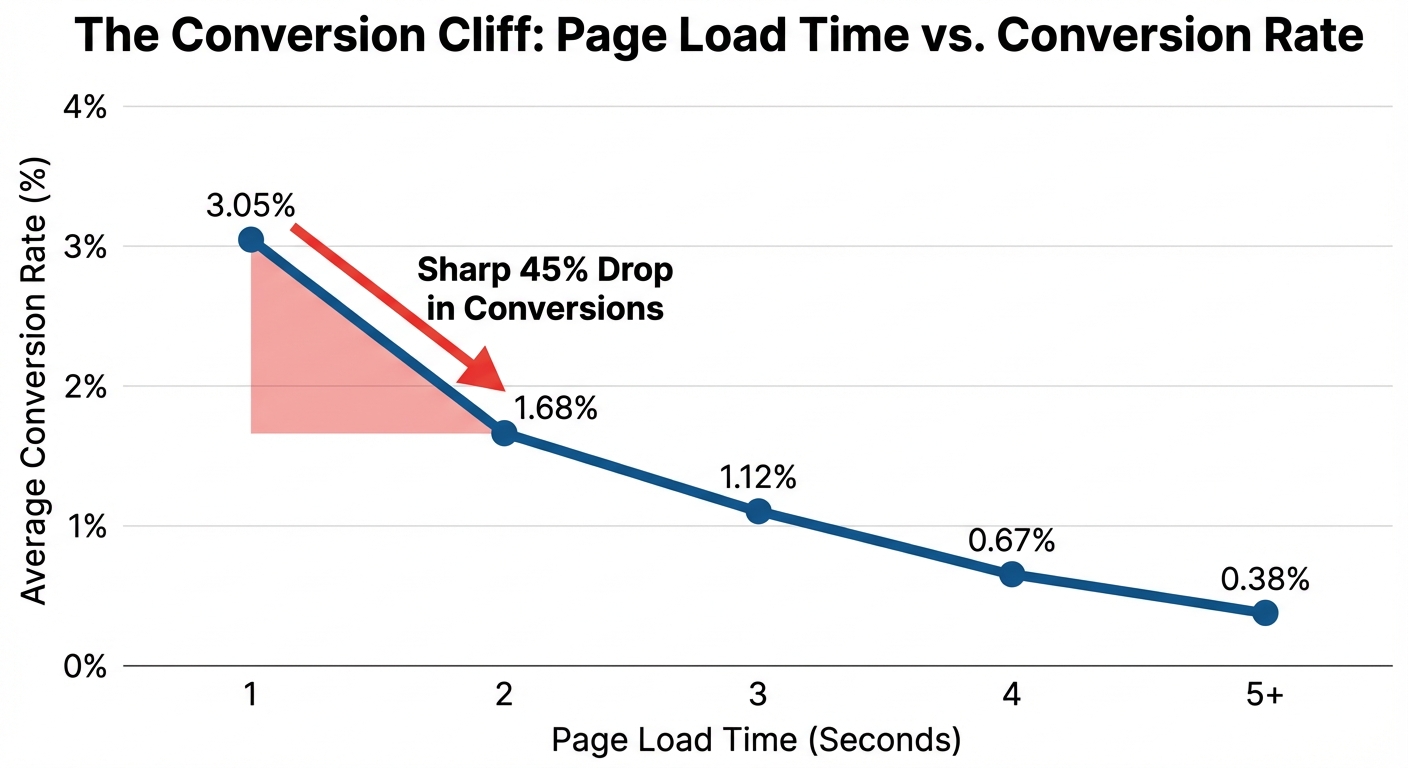
Slow mobile load = lost lead
Slow pages lose attention quickly when someone is comparing providers around Quincy, Boston, or the South Shore. We remove the friction caused by heavy images, unstable layouts, unclear first screens, and mobile forms that feel hard to finish.
No one-tap path to call you
Contact options should stay close to the moment of confidence. Tap-to-call, short forms, estimate requests, and booking links need to appear near service details, reviews, and proof instead of hiding in the footer.
Built for looks, not for ranking
Search structure matters before design polish. Clean URLs, service pages, schema, Core Web Vitals, internal links, and Google Business Profile consistency help the site explain what the business offers and where it works.
No proof above the fold
Visitors scan for reassurance before they commit. Reviews, project photos, credentials, staff context, warranties, hours, and location details should answer the doubts that keep a person from making the first move.
Eight practical foundations every service website should launch with.
A Lithium build starts with positioning, mobile speed, service-page clarity, clear actions, local search structure, proof, accessibility basics, and tracking. Each piece supports the same goal: helping a serious visitor take the next step.
Sub-2.5-second mobile load
We design around performance targets, not just appearance. Fast loading, stable layouts, responsive interactions, optimized media, and clean templates matter when Quincy visitors are checking the site during a commute or between appointments.
Mobile actions that stay easy
Phone calls, booking links, quote requests, and forms remain easy to find as visitors move through services and proof. A good mobile page reduces decisions instead of adding extra taps.
Above-the-fold value proposition
The hero should clarify the business immediately: service, audience, proof, and next step. A generic welcome message wastes the one screen most visitors use to decide whether the page is worth reading.
SEO-ready architecture
Local SEO and GBP alignment
Business details should match the way the company appears across Google Business Profile, core directories, and the website. Service-area language should describe real coverage around Quincy and the South Shore without inventing offices.
Real proof, placed where it converts
Proof belongs near the claim it supports. Reviews, before-and-after photos, credentials, awards, team experience, and project examples should make the visitor feel they found a capable business.
Tracking that ties leads to revenue
GA4 events fire on every form submission, booking action, and click-to-call. Call tracking connects conversations back to traffic source, and conversion tags are wired to Google Ads before campaigns send paid traffic into the new site.
WCAG-aware, AI-search-ready
Accessible structure helps people and search systems understand the page. We plan semantic headings, contrast, keyboard behavior, concise answers, and AI-readable facts so the site is easier to use and summarize.
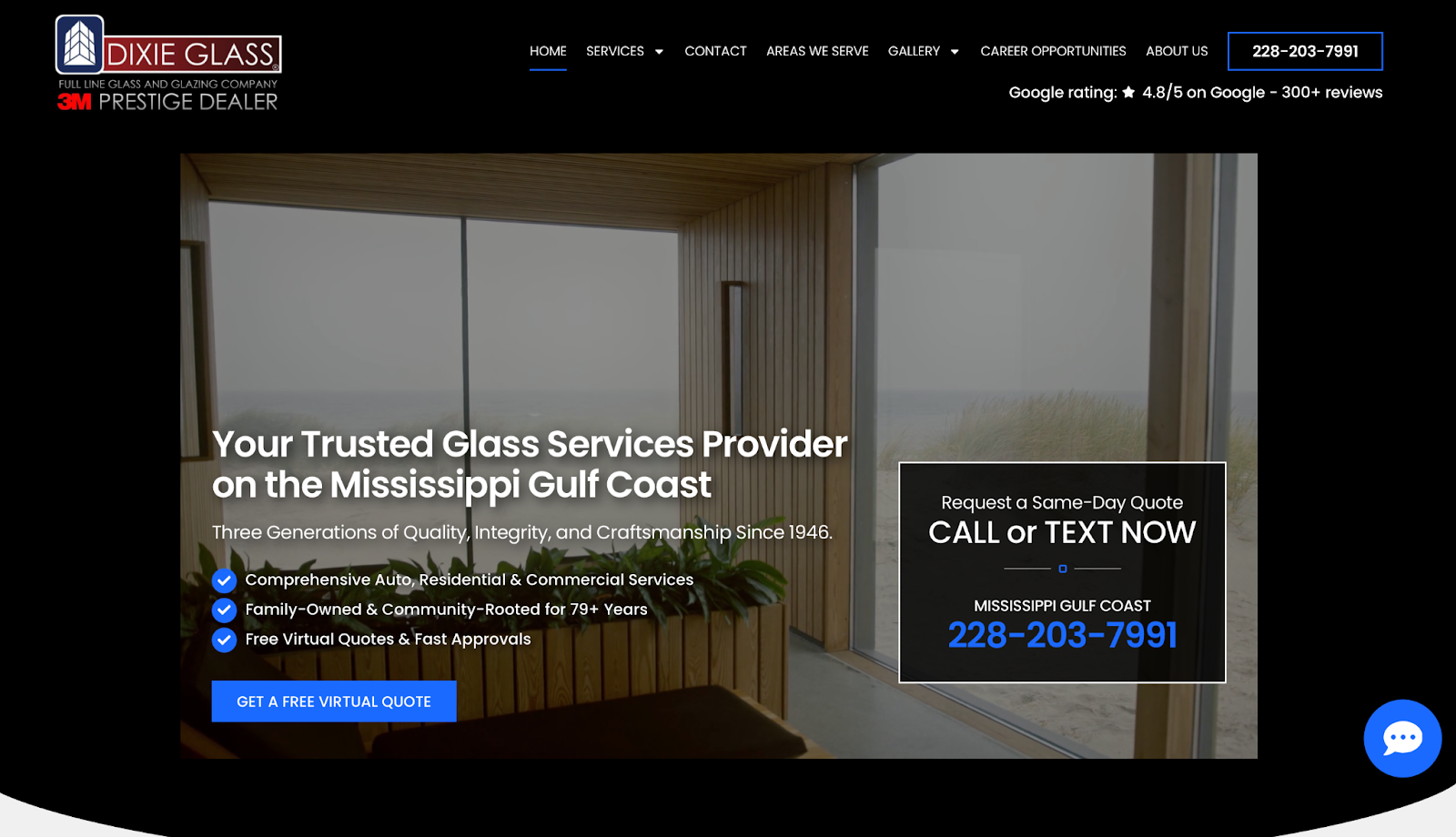
How a third-generation Gulf Coast glass company drove 76% more conversions after we rebuilt their site.
Dixie Glass needed a modern site and better campaign measurement. Lithium rebuilt the WordPress experience, clarified quote requests, reworked the PPC campaigns, and supported the launch with SEO improvements. Conversions increased 76 percent within twelve months.
More conversions
Organic traffic growth
Search visibility growth
DIXIE GLASS | WEBSITE REBUILD CASE STUDY

Quincy service businesses need sites that make the next step simple.
Quincy businesses serve local residents, South Shore customers, and Boston-area buyers who expect fast answers. Healthcare, trades, restaurants, professional services, retail, and B2B firms all need pages that make fit clear quickly.
HVAC, plumbing, roofing, electrical, cleaning, restoration, and remodeling companies need pages that explain services, response areas, reviews, and estimate steps. Strong local SEO planning helps the site support real service coverage without thin city copies.
Dental, medical, therapy, chiropractic, and specialty practices need pages that answer patient concerns. Provider bios, insurance context, treatment pages, reviews, scheduling, parking, and location details should be easy to find.
Contractors, builders, painters, roofers, landscapers, and specialty trades need visible proof before a prospect asks for an estimate. The site should connect project photos, materials, credentials, reviews, and quote steps.
Attorneys, accountants, advisors, consultants, and insurance agencies need credibility before the first conversation. Pages should explain services, process, credentials, reviews, and how a cautious buyer starts.
Restaurants, cafes, venues, caterers, hotels, and hospitality businesses need sites that handle quick decisions. Hours, menus, reservations, events, private functions, photos, reviews, maps, and ordering details all compete for attention.
Auto repair, body shops, detailing, towing, tire, glass, and fleet services need urgent-service clarity. Pages should support calls from organic search and PPC campaigns with service categories, estimate language, reviews, and mobile actions.
Specialty retail sites need to compete with local shops, Boston-area chains, marketplaces, and social discovery. Inventory cues, product categories, store details, pickup options, reviews, and photos help shoppers decide whether to visit.
B2B, marine, industrial, logistics, technology, and professional-service firms need pages that establish competence before a buyer asks for pricing. Capability details, sectors served, proof, and qualified forms should be straightforward.
From kickoff to launch in six to nine weeks, with weekly decisions instead of mystery delays.
Our process keeps decisions visible. Strategy, content, design, build, QA, and launch are handled through a steady cadence of reviews so the project does not drift into a surprise reveal.
Discovery & strategy
Discovery clarifies the service mix, audience, value per inquiry, current analytics, search visibility, and local competitors. The work starts by agreeing on what the site must help the visitor do.
Information architecture & content plan
Planning covers sitemap, URL structure, schema, content outlines, conversion goals, redirects, and SEO requirements. Design starts after the structure is tied to real business priorities.
Design direction
The design direction grows from strategy rather than decoration. We show desktop and mobile concepts, refine the system with your feedback, then build pages from consistent patterns that fit the business.
Build, content, integrations
We build the site in Elementor on WordPress and write SEO-optimized copy in parallel. The build phase also includes forms, GA4 events, call tracking, Google Ads conversion tags, Google Business Profile alignment, schema, and any CRM or booking integrations needed to make leads trackable.
QA, launch, indexing
Launch QA checks mobile layouts, form submissions, phone clicks, redirects, schema, analytics events, conversion tags, page speed, accessibility basics, and Search Console setup before the site depends on live traffic.
30 / 60 / 90-day tracking
After launch, we monitor search movement, conversions, traffic quality, Core Web Vitals, forms, calls, and pages where visitors hesitate. Useful websites keep improving after the first version goes live.
Engineered to surface in Google AI Overviews, ChatGPT, Perplexity, and Claude when buyers ask.
AI search pulls from clear service content, reviews, entity data, citations, and useful answers. We connect SEO structure with AI systems work so the business is easier to understand across answer surfaces.
Quotable answer blocks
Direct-answer sections help visitors and machines. We open important questions with a plain answer, then add context and proof so AI systems and search engines can interpret the page cleanly.
Fact density and citations
A Quincy page should include details a real customer would care about: services, service areas, parking or access notes when relevant, credentials, examples, pricing context, review themes, and next steps.
Schema for generative engines
Schema supports what visitors can already read. We mark up business identity, service categories, FAQ answers, breadcrumbs, reviews, and action details where appropriate so search systems receive clearer structure.
Brand consistency across the web
A consistent web presence prevents confused summaries. We align website copy with profiles, reviews, listings, and public mentions so search and answer tools see the same business facts.
Topical authority and entity coverage
Topical depth should help the buyer decide. Related services, FAQs, proof, internal links, and service clusters explain the business more effectively than repeating one phrase across every section.
llms.txt + AI crawler controls
AI visibility also depends on crawler guidance. We pair structured content with llms.txt and robots.txt planning for major AI crawlers and Google-Extended when that control supports the business strategy.
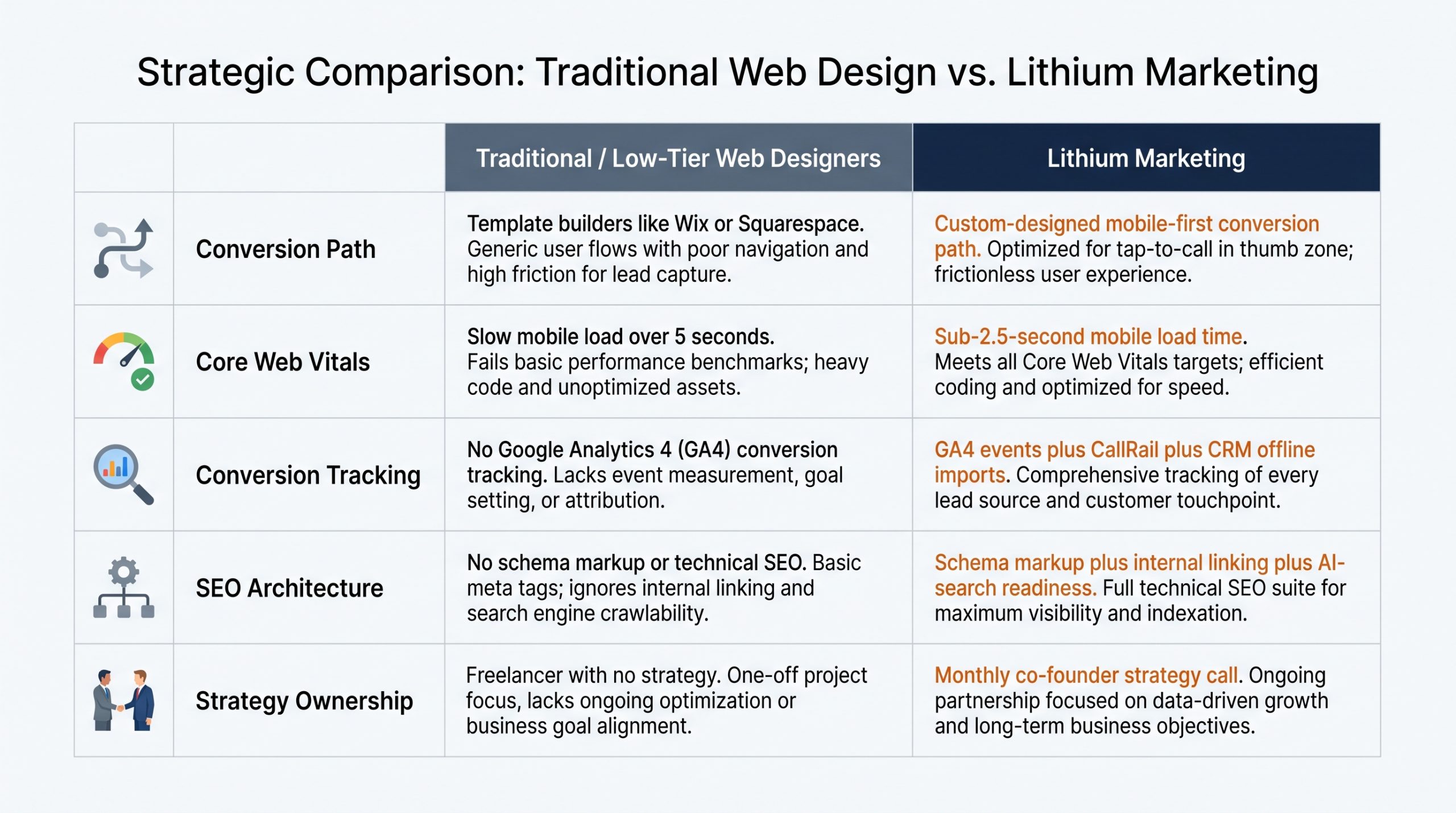
What service businesses get from each web design approach
Service businesses Lithium has built websites for.
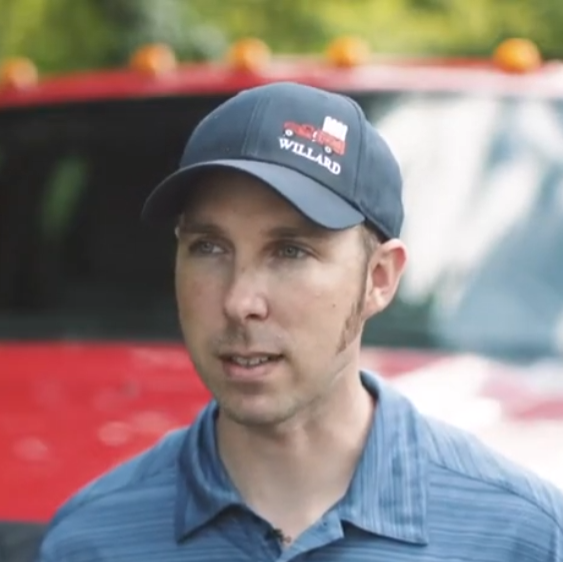
Willard Power Vac
“Lithium Marketing has been amazing for our business. They have greatly increased our web traffic and helped us land hundreds of jobs.”
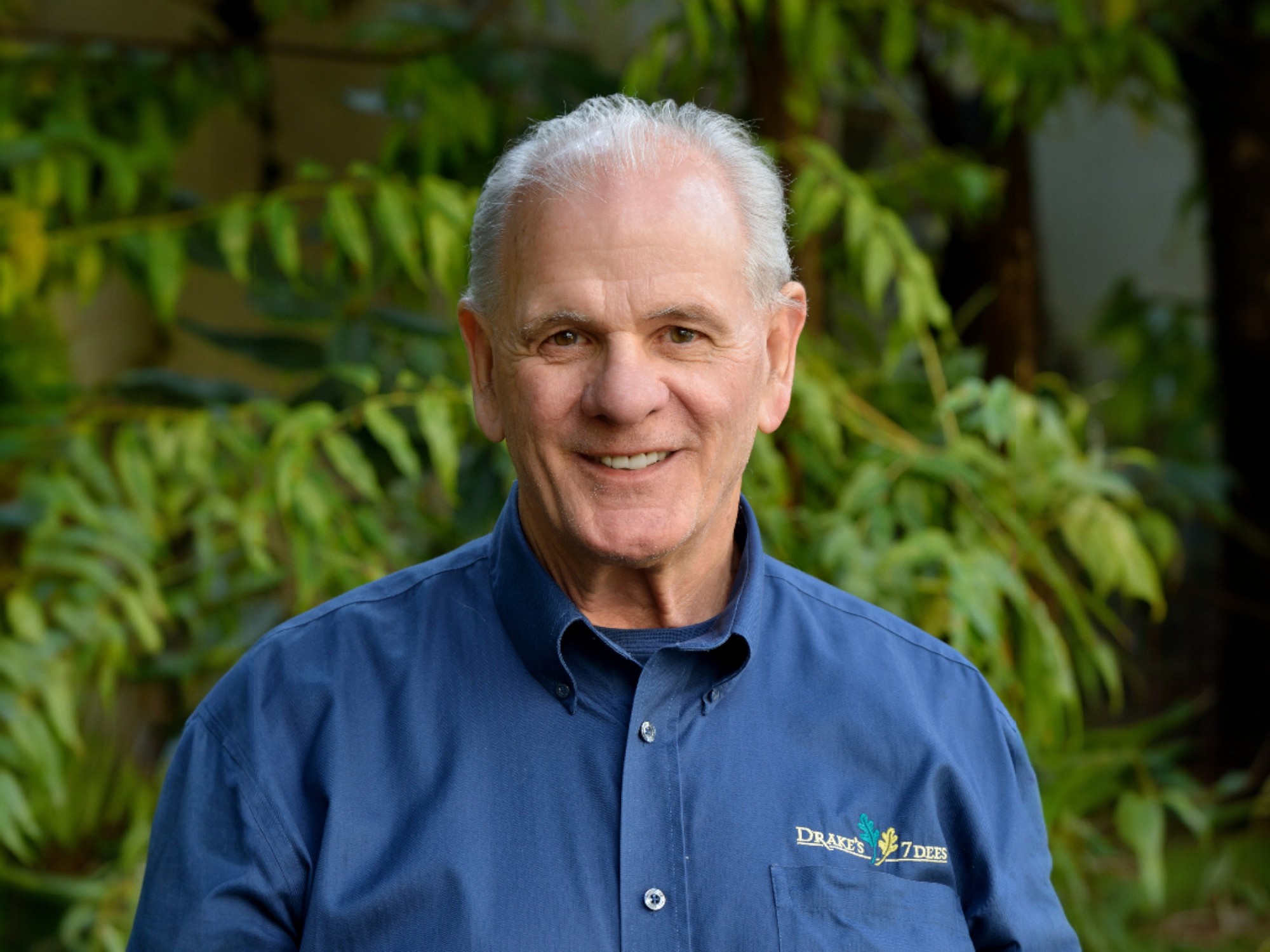
Drake’s 7 Dees
“Lithium has moved us to page 1 in Google search organically.”
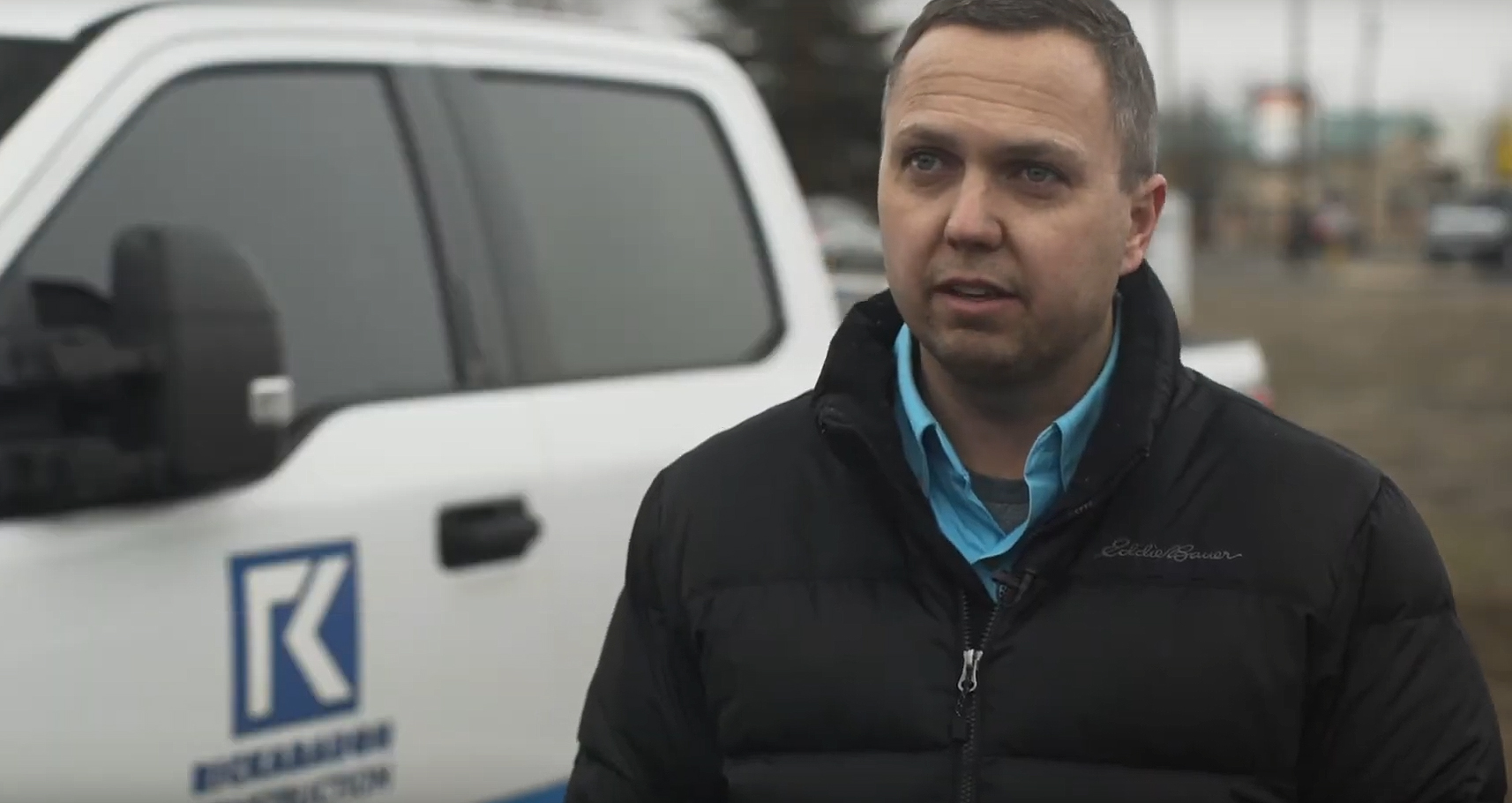
Rickabaugh Construction
“Working with Lithium Marketing has been awesome.”
Quincy web design questions, answered plainly.
Most projects take six to nine weeks. Strategy, content direction, design, build, mobile QA, form testing, redirects, schema, analytics events, and final launch review all need time to happen in the right order. Rushing that sequence usually creates avoidable launch problems.
A new site can help when it gives Google a cleaner foundation: crawlable service pages, internal links, schema, speed targets, local proof, and consistent business data. Ongoing SEO is still needed for competitive growth. The build should make future optimization easier.
Yes. Your business owns the WordPress build, page content, approved creative assets, and custom work covered by scope. Domain and hosting access should also remain under your control after launch. Clear ownership keeps the website a real business asset.
Yes. We build with WordPress and Elementor so normal edits can be handled visually by your team. Lithium can also stay involved for technical support, content, search, paid traffic, and conversion improvement. That gives your team control without losing technical support.
Good remote work depends on process and accountability. Lithium works with service businesses across markets, using buyer research, analytics, local search structure, and paid search data to shape the build without needing the same conference room.
Most Quincy projects run remotely because it keeps schedules and approvals simpler. Calls, Loom walkthroughs, shared docs, email, and project notes cover the work clearly. Travel can be scoped separately when truly necessary. The remote process keeps the project moving between reviews.
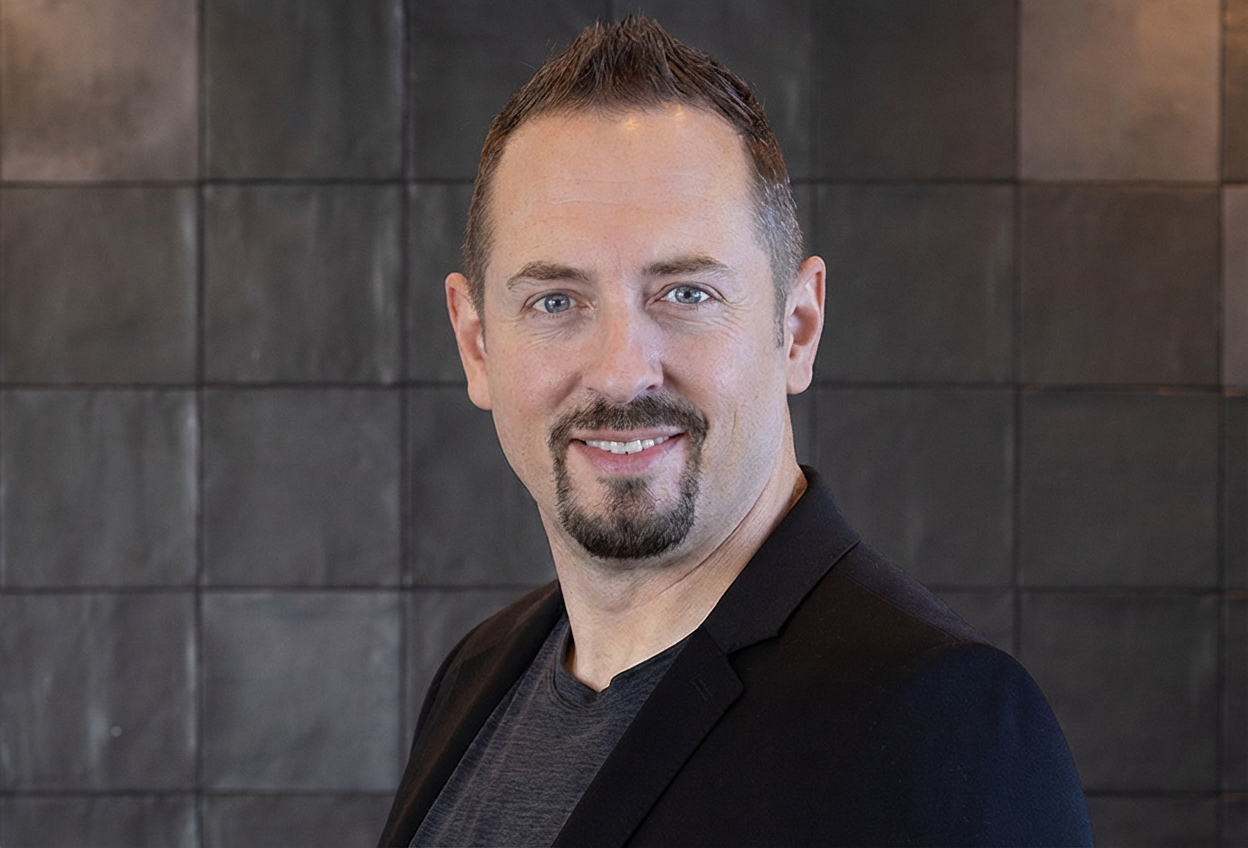
Your strategy call is led by DJ Van Zanten
DJ has worked in digital marketing for more than twenty years and has consulted with over 1,000 service businesses. Your first Lithium review is led by the strategist responsible for the recommendation.
Get a free Quincy website review
The review looks at speed, mobile usability, CTA placement, proof, service-page clarity, schema, Google Business Profile alignment, analytics events, and the places where motivated visitors leave before contacting you.
- No sales pitch
- 30 minutes
- You keep the audit either way