
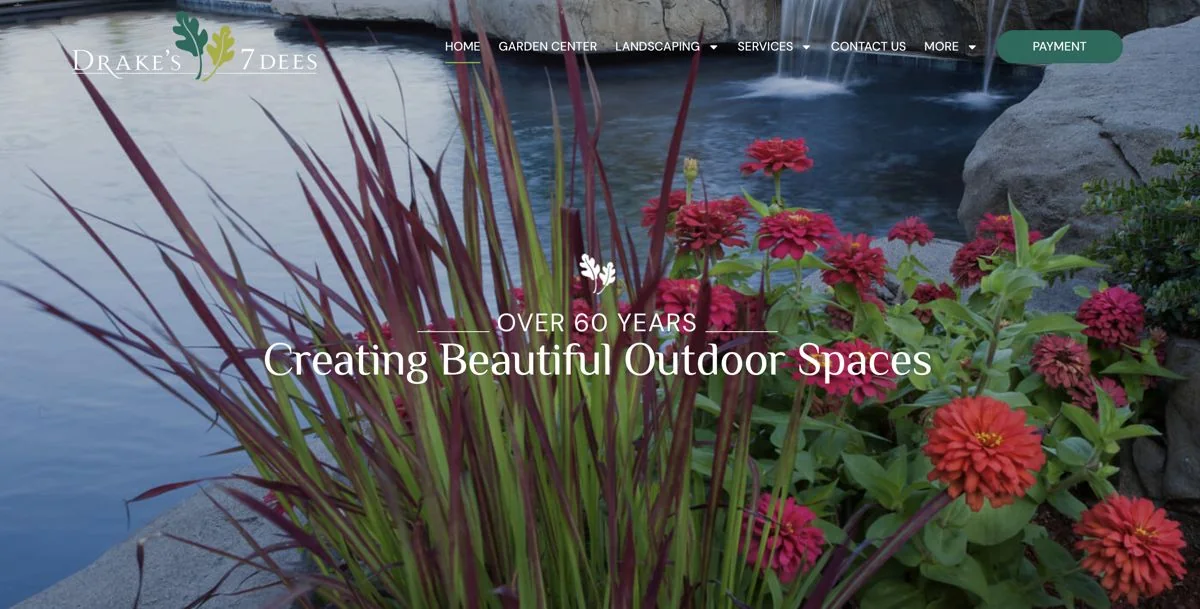
 Garden center
Drake’s 7 Dees
380%more organic traffic
in one year
- Google Ads conversion rate
- 26.4%
- Google Ads conversion rate
- leads in 60 days
- 744
- leads in 60 days
SEO agency for Rialto, CA plumbing businesses
Make Rialto plumbing services easier to find and understand, with connected customer answers, practical local and technical improvements and reporting focused on calls and quote requests.
 Google PartnerView our Partners listing
5.0on Google · read our reviews
Google PartnerView our Partners listing
5.0on Google · read our reviews
Businesses
we’ve worked with
Businesses we’ve worked with
Customers should not have to assemble a service offer from scattered answers
A plumbing service can be explained in pieces across an FAQ, a project post and a contact page, leaving a search visitor to work out the offer. Lithium Marketing researches the jobs and territory you want to promote, then organises readable customer answers. We improve relevant pages, technical and local foundations and links, with real enquiry review alongside the work.
The SEO purchase should make the company and desired services understandable. We examine current visibility and how the existing information connects. Genuine project experience and useful first questions can then support a clear customer destination instead of another fragment the visitor has to interpret.
Research the service question and the pages that should answer it
The reported plumber Rialto phrase records 260 monthly searches, a starting point for investigating how customers ask about the work. The $22.73 average CPC is a paid-search reference to discuss alongside organic acquisition priorities. The business's actual services, visibility and received questions guide the page work.
A plumbing company within San Bernardino County’s category of 563 plumbing and HVAC establishments can connect its own service answers and genuine examples. We can review the information a visitor needs before calling and choose relevant destinations. Accurate local details and technical or linking work support those readable pages.
| Search | Searches a month | Cost per click |
|---|---|---|
| seo rialto | 10 | not reported |
| seo agency rialto | under 10 | not reported |
| seo company rialto | under 10 | not reported |
| seo services rialto | under 10 | not reported |
Source: Google Ads keyword data, average monthly U.S. searches. "Under 10" = below Google’s reporting floor.
Source: one Google results page for “plumber rialto”, as Google showed it to a searcher located in Rialto. Search ad counts exclude sponsored local listings. Results shift by searcher and day.
Use real plumbing work to explain the customer service
A service explanation can identify the room, fixture and work involved, with Rialto’s median housing construction year of 1982 as existing-home background. We can connect a genuine project description with the relevant answers. The customer then has a practical way to introduce their own aim.
The site should help a visitor find what the company does and the next discussion. Choose useful service information from the team's real experience rather than leave the hiring question spread across unrelated pages. Staff feedback about the received enquiries helps decide which answer to improve next.
Sources: U.S. Census Bureau 2025 population estimates, ACS 2020–2024 and 2023 County Business Patterns.
Choose useful customer questions and the real work territory
For a plumbing request in Rialto, where the owner-occupied housing share is 66.2%, the page can ask which fixture or room is involved and who staff should contact. Pair that introduction with the service answer the visitor has just read. The team can discuss incomplete installation history later.
Choose relevant service and area pages from the plumbing company's actual coverage across Rialto’s 24.107 square miles of land. Useful destinations and accurate local information should reflect the work the team considers. Calls and quote requests reviewed with staff help the owner assess those search tasks.
County Business Patterns
Trade and home service businesses in San Bernardino County
Establishments by industry, 2023
Source: U.S. Census Bureau, 2023 County Business Patterns (NAICS establishment counts).
Choose the customer answers and search improvements needed for the jobs you want
Agree services and territory, research visibility and existing answers, improve connected pages and search foundations, then review real requests.
Define the services and actual locations the business wants to promote.
Identify which answers need a clearer service destination.
Improve readable content, relevant links and technical or local work.
Choose the next SEO task from real enquiry purpose and outcomes.
What every SEO retainer includes
The same eight parts go into every SEO retainer, wherever the business is.
A garden-center website and marketing engagement
Lithium delivered a new website, SEO and Google Ads for garden center Drake's 7 Dees. The separate construction-business recommendation is Marc Rickabaugh of Rickabaugh Construction, describing his experience with the team's website and SEO help.
Garden center380%more organic traffic
in one year
“We used the team at Lithium Marketing to update our website and increase our SEO. We couldn't have been happier with the results! We receive compliments about our updated website on a regular basis!”
 Marc RickabaughRickabaugh Construction
Choose plumbing search content from actual services and territory
Discuss useful plumbing pages for Fontana and San Bernardino, then consider Rancho Cucamonga, Ontario, Riverside and Jurupa Valley according to the company's work. All are California destinations. The Inland Empire metro page and California city collection help choose further relevant locations and service questions for the search plan.
Published price
$1,300–$3,000
per month
Typical local SEO retainer, scoped against what a lead is worth to you, with AI search optimization included.
FAQ

Still curious?
Call (503) 766-5964 or email [email protected].
We can research customer questions and review where your current information belongs. Relevant service pages can link genuine examples and practical first questions. The useful offer should be understandable before a visitor calls.
A typical monthly SEO scope costs $1,300–$3,000. Consider the plumbing jobs you want, their value and the fraction of suitable enquiries staff books. Reviewing that work and those outcomes helps the owner discuss what is needed to cover the expense.
Typical technical fixes take about 30 days, local and long-tail movement about 60–90 days and revenue compounding can begin from month four. Existing visibility, competition and completed work affect these expectations. Positions and enquiry totals are not promised.
Accurate Google Business Profile and local information support Map Pack work, while proximity still affects reach. Useful service and area pages also support organic discovery. Google Ads is a separate management and advertising-budget purchase.
Helpful answers, clear business information and appropriate schema are included in SEO readiness work. AI mentions and rankings are not promised. A managed AI receptionist is a separate phone service for approved FAQs, qualification and supported booking functions.
Free action plan
Discuss the jobs and existing service information with a co-founder by video. We can choose the first page and search improvements and agree a practical review of the calls and quote requests staff receives.
What we’ll cover
2000 NE 42nd Ave Ste D Unit 2370, Portland, OR 97213
Prefer to pick a time? Book a 30-minute call with DJ