Santa Ana, California Web Design

Santa Ana Web Design for Businesses Competing Across Orange County

Turn mobile visitors into calls, appointments, quotes, and tracked inquiries.

A Santa Ana website has to work in a crowded Orange County market where visitors compare quickly and often from a phone. We design service pages that explain the offer, prove credibility, support local search, and make calls, forms, appointments, and quote requests simple to start.

Custom web design services displayed on laptop and phone screens
5.0
Google reviews
Verified 5-star rating across 30+ reviews
Google
Partner
Certified
Vetted search agency in Google's official program
20+
Years
Digital marketing experience under one roof
500+
Service businesses
Helped to grow with SEO across the U.S.
The Website Problem

Dense competition punishes vague websites fast.

Santa Ana buyers compare providers in a dense Orange County market where attention is expensive and alternatives are close. The website has to explain fit, proof, services, and the next step quickly enough for a mobile visitor who may already be choosing between several businesses.

The site should make trust easier before the first call.

The searches that matter tend to be direct and practical. A homeowner, patient, driver, restaurant guest, or business owner may be comparing providers with phrases like these: Santa Ana contractor website design or Santa Ana dental website design Those visitors need fast pages, clear service language, visible contact options, and proof close to the decision. When the design looks polished but hides answers, qualified traffic can disappear without a useful signal.

A better website connects brand, search structure, conversion tracking, and credible evidence. It helps Santa Ana visitors understand the offer, trust the company, and take a measurable step instead of leaving with unanswered questions.

Slow mobile load = lost lead

A slow or confusing mobile page can waste expensive attention. Santa Ana buyers comparing clinics, attorneys, contractors, restaurants, retailers, or professional firms will not wait through heavy visuals and unclear layouts when another result gives them the answer sooner.

No one-tap path to call you

Calls, booking links, quote forms, and directions should be obvious when the visitor is ready. The site should not force someone to open three menu levels or scroll past unrelated sections before they can start a real conversation.

Built for looks, not for ranking

The build needs a search-ready structure underneath the design. Service pages, clean URLs, schema, Core Web Vitals, internal links, and Google Business Profile consistency help search engines understand the company and connect it to the right Santa Ana searches.

No proof above the fold

Visitors look for proof before they trust the page. Reviews, project examples, credentials, photos, process details, bilingual context when relevant, and clear service coverage can make the business feel safer than a competitor with generic copy.

What a Lithium Website Includes

Every build should support speed, clarity, search, proof, and measurement.

We build around practical outcomes: clear positioning, fast mobile pages, focused service content, visible actions, local SEO structure, proof near decisions, accessibility basics, and tracking that shows whether visitors call, book, request quotes, or leave.

Sub-2.5-second mobile load

Performance is planned early. We watch Largest Contentful Paint, Interaction to Next Paint, Cumulative Layout Shift, image weight, JavaScript, hosting response, and mobile layout behavior so the finished site does not feel slow in real use.

Mobile Actions Designed for Quick Decisions

Phone buttons, forms, appointment links, quote requests, and maps should stay close to service detail and proof. A Santa Ana visitor should be able to move from interest to action without hunting or losing context.

Above-the-fold value proposition

The hero section has to answer the core questions immediately: what you do, who you help, why the visitor should trust you, and what action comes next. We avoid headlines that sound polished but fail to say anything useful.

SEO-ready architecture

URL structure, header hierarchy, internal links, and schema markup are planned before design starts. When SEO or PPC traffic reaches the site later, the page architecture is ready instead of becoming the bottleneck.

Local SEO and Profile Consistency

Business data should match across the website, Google Business Profile, and important listings. Service areas, categories, hours, phone numbers, and LocalBusiness or Service schema should support a clear search identity without pretending the business has offices it does not have.

Real proof, placed where it converts

Proof should be placed where skepticism appears. Reviews, licenses, case examples, before-and-after photos, service guarantees, staff expertise, and recognizable project details help visitors feel they have enough evidence to reach out.

Tracking that ties leads to revenue

GA4 events fire on every form submission, booking action, and click-to-call. Call tracking connects conversations back to traffic source, and conversion tags are wired to Google Ads before campaigns send paid traffic into the new site.

WCAG-aware, AI-search-ready

Accessible structure helps real people and AI systems understand the page. We plan semantic headings, readable contrast, keyboard-friendly interactions, direct answers, and content that states services and facts clearly.

SERVICE-BUSINESS CASE STUDY

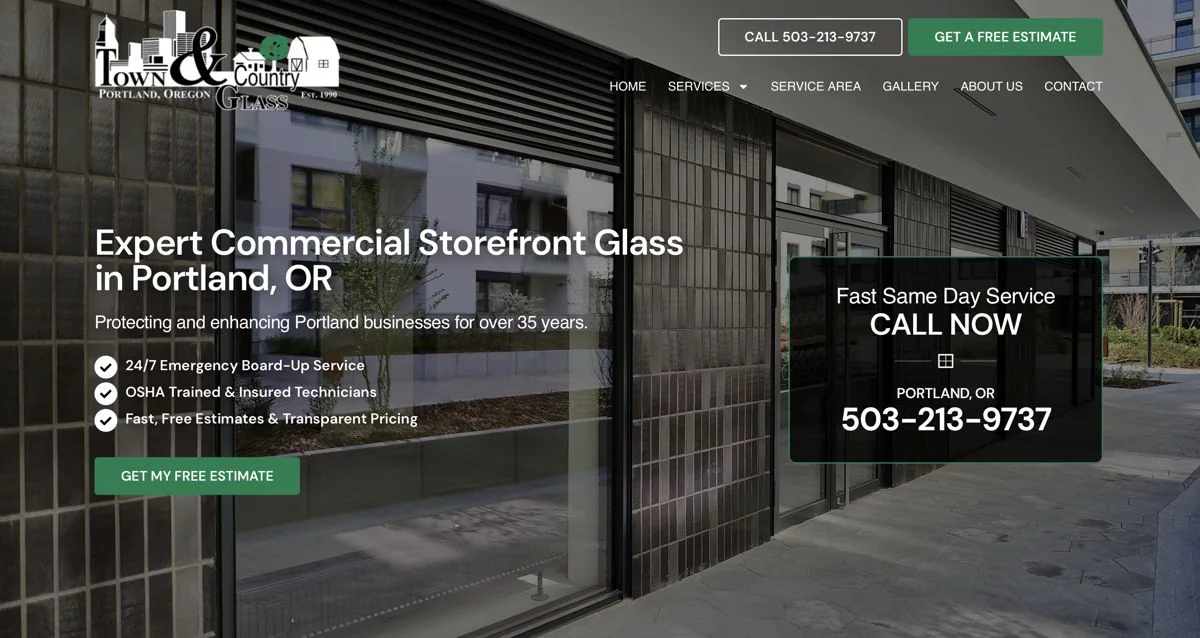
How a third-generation Gulf Coast glass company drove 76% more conversions after we rebuilt their site.

Dixie Glass needed a site and campaign system that could turn interest into measurable action. Lithium rebuilt the WordPress site, clarified quote requests, rebuilt PPC campaigns, and strengthened SEO. In twelve months, conversions rose 76 percent and search visibility increased 71.2 percent.

76%

More conversions

18.2%

Organic traffic growth

71.2%

Search visibility growth

DIXIE GLASS | WEBSITE REBUILD CASE STUDY

Mississippi Gulf Coast • Since 1946
Dixie Glass website rebuilt by Lithium Marketing. A WordPress conversion-focused redesign that replaced an outdated Wix site
Dixie Glass logo
Who We Build For in Santa Ana

Service businesses win more when the site removes friction.

Santa Ana’s business mix includes healthcare, legal, trades, auto services, restaurants, retail, nonprofit, logistics, and professional firms. A useful site has to be direct, mobile-friendly, and credible enough for people comparing options in a crowded local market.

Home services

HVAC, plumbing, electrical, roofing, restoration, remodeling, and cleaning companies need pages built for urgent comparison. We organize service categories, review proof, quote actions, local coverage, and SEO structure so homeowners and property managers can act quickly.

Dental and medical practices

Dental, medical, therapy, chiropractic, and specialty practices need websites that make appointments easier. Provider details, insurance context, service pages, reviews, directions, languages served where appropriate, and booking options should be clear on mobile.

Contractors and construction

Contractors, remodelers, painters, roofers, and specialty trades need proof that matches the job type. We build pages with project photos, materials, estimate expectations, credentials, service areas, and calls to action that support better quote requests.

Legal and professional services

Attorneys, accountants, consultants, insurance agencies, and financial professionals need pages that earn trust before a consultation. Practice areas, credentials, process, eligibility, consultation options, and proof should be organized for cautious decision-makers.

Hospitality and restaurants

Restaurants, cafes, venues, hotels, and catering teams need sites that move fast from interest to decision. Menus, reservations, private events, hours, maps, photos, reviews, and ordering details should be easy to reach without clutter.

Auto services

Auto repair, body shop, tire, glass, detailing, towing, and fleet-service websites need to support urgent searches. Service categories, phone actions, estimates, warranty language, reviews, and paid search pages should all point visitors toward the right next step.

Specialty retail

Specialty retail websites need to compete with marketplaces, malls, social discovery, and local competitors. Product categories, inventory cues, reviews, store expertise, location, hours, and brand story help turn discovery into store visits or inquiries.

B2B services

B2B, industrial, logistics, nonprofit, and professional-service firms need more than a brochure. The site should explain capabilities, industries served, proof, compliance or process details, and what a qualified inquiry can expect after the form.

OUR PROCESS

From kickoff to launch in six to nine weeks, with weekly decisions instead of mystery delays.

The process is structured so strategy does not disappear once design begins. We move through research, content, design, build, review, and launch with decision points that keep the project focused on business outcomes.

01

Discovery & strategy

Week 1

We review your services, audience, current site data, revenue priorities, search context, and Orange County competitors. Before design work starts, we define what the site has to make easier for serious buyers.

02

Information architecture & content plan

Week 2

You receive a sitemap, URL plan, schema notes, content outline, and page briefs before visual design takes over. SEO and conversion thinking are planned into the architecture so the launch has a stronger foundation.

03

Design direction

Week 2–3

Design direction starts from the approved strategy. We show the mobile and desktop system, refine it with feedback, then carry the pattern across pages so the site feels cohesive and efficient rather than ornamental.

04

Build, content, integrations

Week 3–6

We build the site in Elementor on WordPress and write SEO-optimized copy in parallel. The build phase also includes forms, GA4 events, call tracking, Google Ads conversion tags, Google Business Profile alignment, schema, and any CRM or booking integrations needed to make leads trackable.

05

QA, launch, indexing

Week 6–7

Before launch, we test forms, phone clicks, mobile layouts, redirects, schema, analytics events, conversion tags, Search Console, and speed basics. The goal is to find friction before Santa Ana traffic depends on the site.

06

30 / 60 / 90-day tracking

Post-launch

After launch, the site should produce useful data. We monitor traffic, conversions, lead quality, search movement, Core Web Vitals, and the next opportunities for improving service pages, paid traffic landing pages, and contact rates.

AI SEARCH READINESS: AEO + GEO

Engineered to surface in Google AI Overviews, ChatGPT, Perplexity, and Claude when buyers ask.

AI search tools need clear source pages with consistent facts, reviews, citations, and useful service explanations. A Santa Ana website should support classic SEO and AI systems without relying on thin keyword copy.

Quotable answer blocks

Important sections should answer directly, then explain. That structure helps visitors scan and gives AI systems cleaner language to interpret instead of forcing them to infer the business from design fragments.

Fact density and citations

Specificity makes the page feel real. We use service details, response expectations, project examples, credentials, languages or access notes where true, review themes, and proof points that help a visitor decide whether to contact the business.

Schema for generative engines

Schema makes business identity, service categories, FAQs, article context, and action options easier to parse. We use markup that matches the page and validate it so the structured layer supports the visible content.

Brand consistency across the web

A mismatched web presence can create weak summaries. We align the Santa Ana page with profiles, reviews, directory data, and public service details so answer engines see the same business facts in more than one place.

Topical authority and entity coverage

Depth comes from connected pages and useful evidence. Service pages, FAQs, internal links, proof, schema, and supporting articles should show what the business does and why it is credible without repeating the same broad claims.

llms.txt + AI crawler controls

For companies that care about AI visibility, crawler guidance can be part of the plan. llms.txt and robots.txt rules can sit beside clear source pages to define a more intentional approach to discovery.

LITHIUM VS. DIY VS. TYPICAL WEB DESIGNER

What each web design approach gives a local operator.

Strategic comparison of traditional web designers vs Lithium Marketing across conversion path, Core Web Vitals, conversion tracking, SEO architecture, and strategy ownership
Capability
DIY Builder (Wix / Squarespace)
Typical Web Designer
Lithium Marketing
Mobile load time
DIY Builder (Wix / Squarespace):
5+ seconds, untuned
Typical Web Designer:
3-5 seconds, theme-defaults
Lithium Marketing:
Sub-2.5 seconds, Core Web Vitals targets met
Primary action visible before the visitor doubts
DIY Builder (Wix / Squarespace):
Home page used as landing
Typical Web Designer:
Stock template hero
Lithium Marketing:
Mobile-first hero with tap-to-call + sticky CTA
Conversion tracking
DIY Builder (Wix / Squarespace):
Default Google Analytics only
Typical Web Designer:
GA4 at launch, never audited
Lithium Marketing:
GA4 + CallRail + offline conversion imports from CRM
Schema markup + technical SEO
DIY Builder (Wix / Squarespace):
None
Typical Web Designer:
Plugin-installed, unvalidated
Lithium Marketing:
LocalBusiness + Service + FAQ + Article schema, validated in Rich Results Test
Site-speed monitoring (post-launch)
DIY Builder (Wix / Squarespace):
Never
Typical Web Designer:
Project-based, then handoff
Lithium Marketing:
Ongoing Core Web Vitals monitoring + alerts
Real proof above the fold
DIY Builder (Wix / Squarespace):
Generic stock language
Typical Web Designer:
Logos only, no outcomes
Lithium Marketing:
Outcome stats + client photo, CRO-tested placement
Site ownership
DIY Builder (Wix / Squarespace):
Locked into template platform
Typical Web Designer:
Sometimes you own it
Lithium Marketing:
You own the site, the domain, the CMS, all assets
AI-search readiness
DIY Builder (Wix / Squarespace):
Nothing built in
Typical Web Designer:
Nothing built in
Lithium Marketing:
llms.txt + structured data + quotable answer blocks
Internal linking + SEO architecture
DIY Builder (Wix / Squarespace):
Flat structure, no hierarchy
Typical Web Designer:
Whatever the template gives you
Lithium Marketing:
Topical hub-and-spoke + breadcrumb schema
Strategy ownership across web, SEO, CRO
DIY Builder (Wix / Squarespace):
N/A
Typical Web Designer:
Handed off to a junior at launch
Lithium Marketing:
Monthly co-founder strategy call
REAL CLIENTS, REAL OUTCOMES

Service businesses Lithium has built websites for.

Daniel Busby

Willard Power Vac

“Lithium Marketing has been amazing for our business. They have greatly increased our web traffic and helped us land hundreds of jobs.”

Drake Snodgrass

Drake’s 7 Dees

“Lithium has moved us to page 1 in Google search organically.”

Marc Rickabaugh

Rickabaugh Construction

“Working with Lithium Marketing has been awesome.”

FREQUENTLY ASKED QUESTIONS

Santa Ana web design questions, answered plainly.

A Lithium website for a Santa Ana service business typically ranges from $5,000 to $20,000, depending on page count, content, integrations, booking or quote tools, SEO requirements, and PPC landing pages. Discovery turns those details into a fixed proposal before the build begins.

Most projects take six to nine weeks. Strategy and content direction come first, then design, build, and launch preparation cover mobile layouts, forms, redirects, schema, analytics events, page speed, conversion tags, launch details, and final review.

A new site can improve the foundation for ranking, but it does not replace ongoing SEO. The build should give Google crawlable service pages, internal links, schema, fast mobile performance, consistent local data, and proof that can be expanded as authority grows.

Yes. Your business owns the site assets created under the project scope, including the WordPress build, approved page content, scoped creative assets, and custom work. Domain and hosting access should stay under your control so the site remains a company asset.

Yes. We build on WordPress with Elementor so your team can make routine content edits visually after launch. We also provide a walkthrough and can stay involved for technical support, content, paid traffic, SEO, or conversion improvement.

The right fit is about strategy, process, and accountability, not office location. Lithium works with service businesses across the country. For Santa Ana companies, the work focuses on buyer research, mobile clarity, conversion tracking, service-page structure, and paid traffic readiness through a remote process.

Three things usually matter most. Strategy comes before design, so pages answer real buyer questions. SEO, analytics, and PPC planning are considered together. A senior strategist stays involved so the work stays tied to calls, forms, bookings, and quote requests.

Most Santa Ana projects run remotely because it keeps feedback, approvals, and scheduling clear. Calls, Loom videos, shared docs, email, and project notes handle the work well. If travel or an in-person session is truly needed, we can discuss it during scope planning.

MEET THE CO-FOUNDER

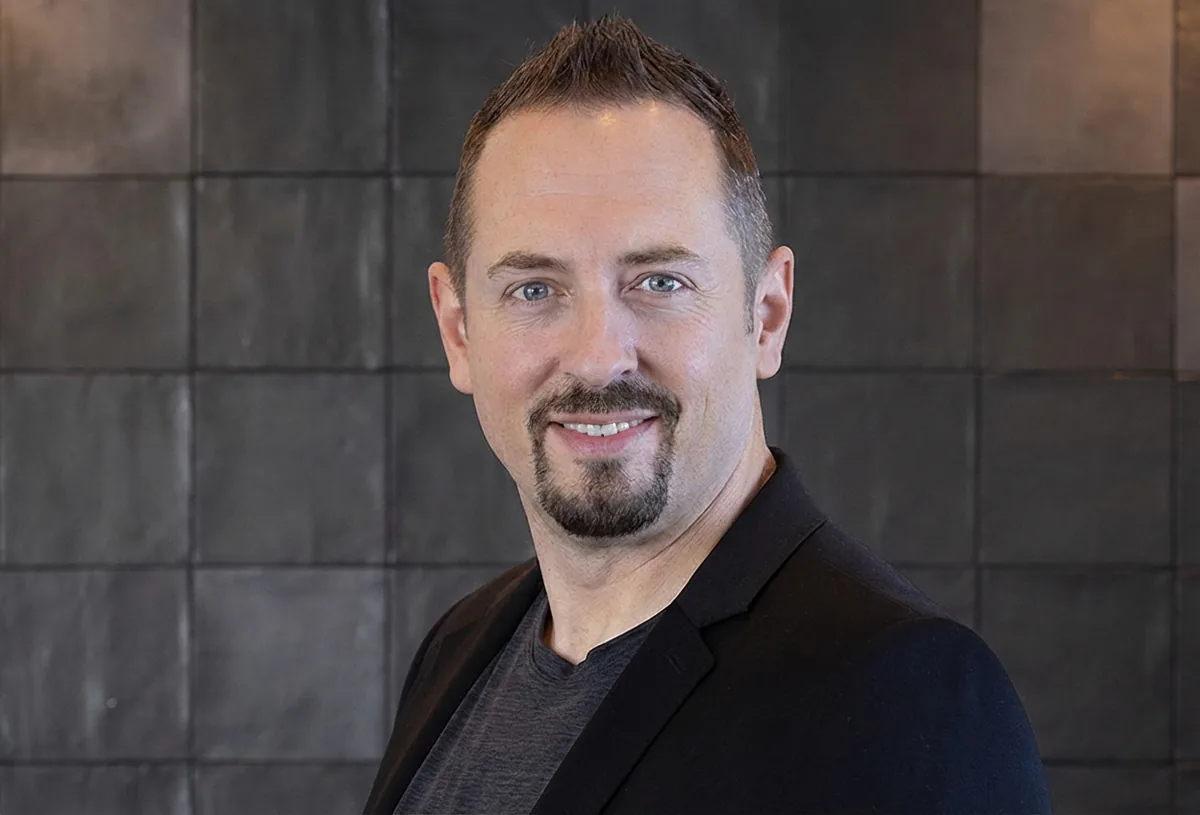
Your strategy call is led by DJ Van Zanten.

DJ has worked in digital marketing for more than twenty years and has consulted with over 1,000 service businesses. When you book a Lithium strategy call from this page, DJ leads the conversation himself and starts with the issues that affect business outcomes.

Get a free Santa Ana website review.

The review focuses on speed, mobile layout, CTA placement, proof, service-page clarity, schema, Google Business Profile alignment, analytics events, and the points where serious visitors may leave before they call, book, or submit a form.

Scroll to Top