
Atlanta Web Design for Service Teams in a Fast Market
Make the offer clear before a busy visitor leaves the first screen.
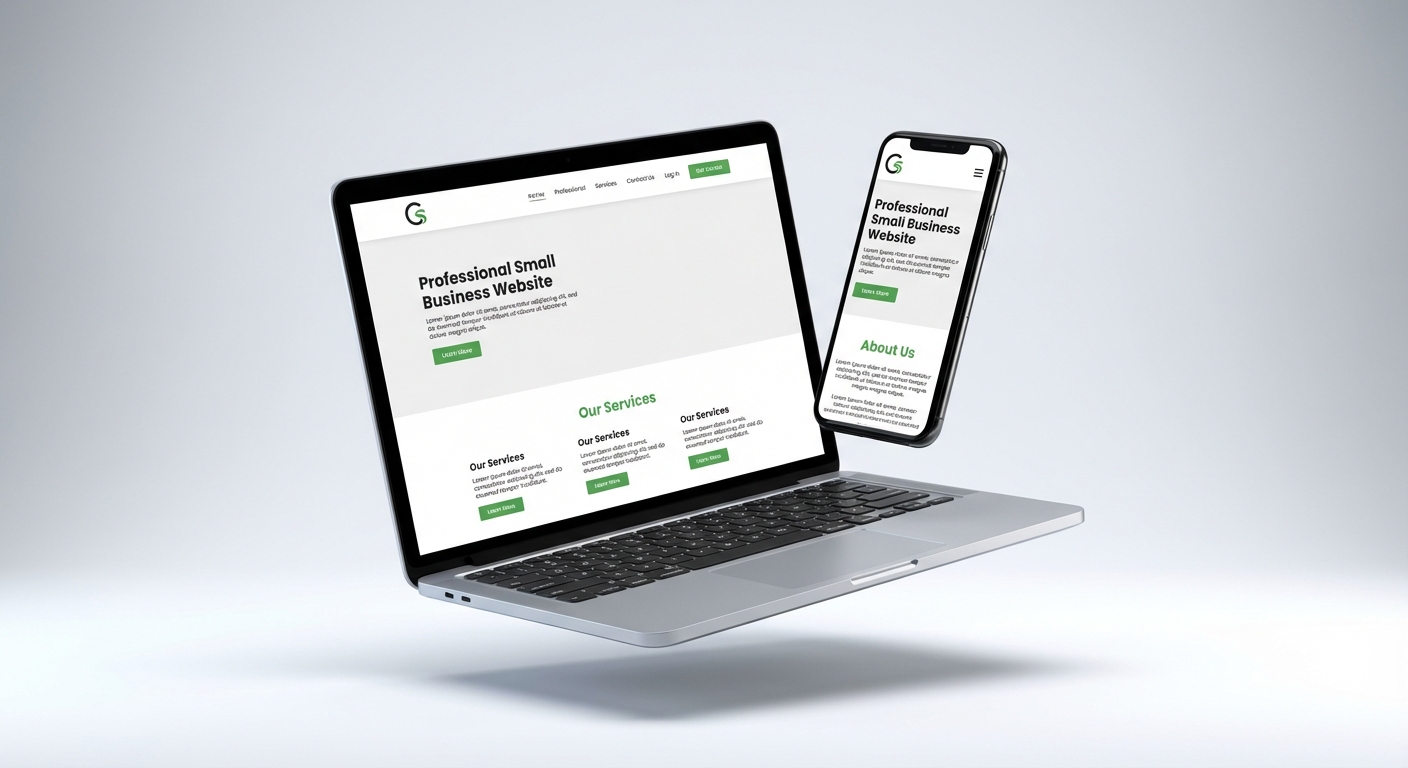
Your website has to explain why an Atlanta buyer should choose you while they are moving between calls, commutes, referrals, and search results. We build service pages that clarify the offer, show proof early, and make calls, bookings, forms, and quote requests easy to start from a phone.
- Google Partner certified
- Meta Business Partner
- 5.0 ★ across 30+ Google reviews
- 100+ clients served nationwide
- $10M+ in Google Ads managed
- Marketing services since 2010
Partner
Atlanta pages lose buyers when the proof arrives too late.
Atlanta buyers are used to comparing options quickly, whether they are checking a referral from Midtown, reviewing a contractor from a job site, or looking up a practice after hours. The page has to confirm the service, the fit, and the next step before another tab wins the moment.
“ A busy Atlanta visitor needs the page to answer before they have to hunt.
The searches that turn into calls are usually practical and tied to a decision. Someone may already know the category they need and only be deciding which provider looks credible enough to contact. Those visits can start with phrases like: Atlanta contractor website design or web design for medical practice Atlanta A useful page has to handle that moment with fast loading, plain service language, proof near the claim, and an easy way to call, book, or request a quote. Pretty sections do not help if the visitor cannot tell whether the business solves their exact problem.
We treat the Atlanta site as a sales conversation, not a brochure. Messaging, mobile layout, local search structure, reviews, forms, and analytics are planned together so the business can see which visits turn into real opportunities.
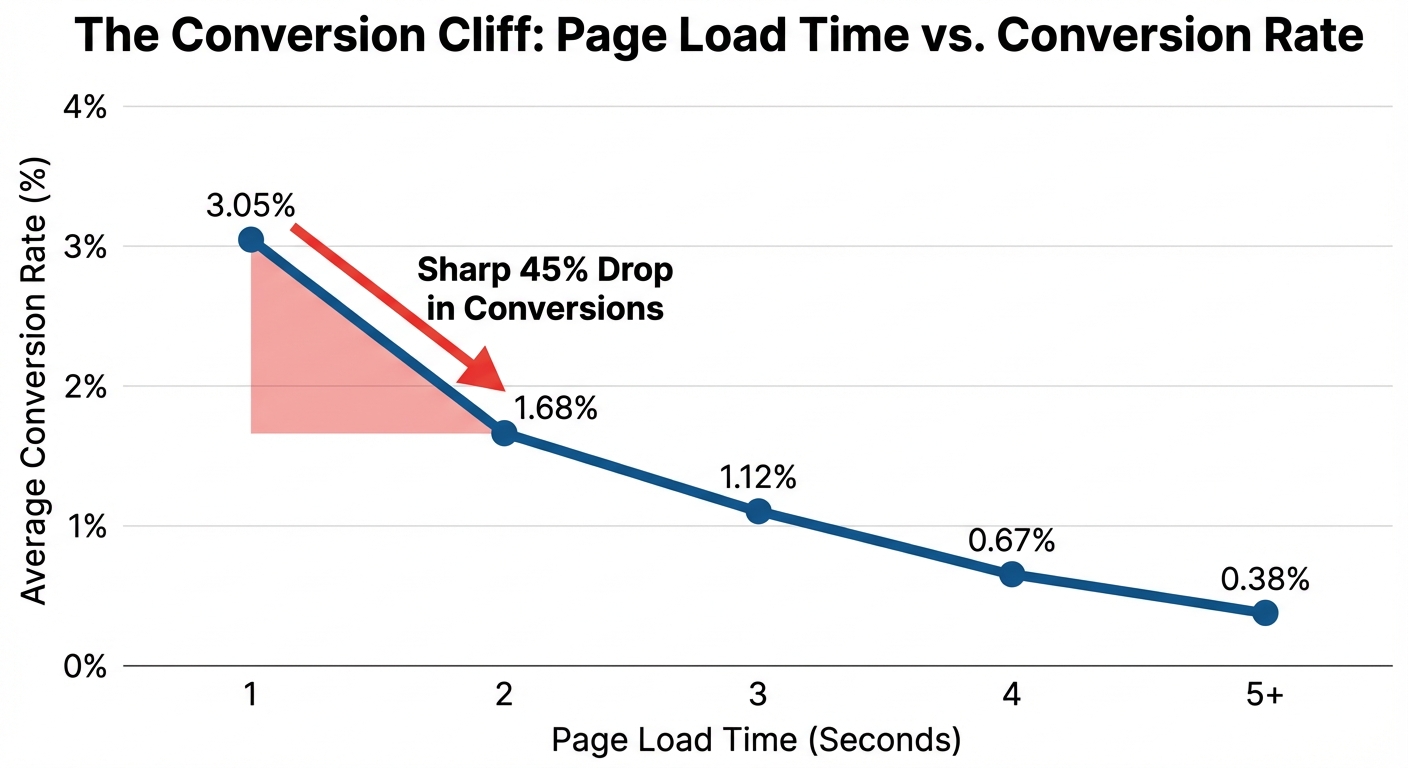
Slow mobile load = lost lead
Mobile speed matters in a market where buyers may be comparing providers from a parking lot, a job site, or a quick break between meetings. Heavy images, shifting layouts, and slow forms create doubt before the visitor has read the first service claim.
No one-tap path to call you
The next step should appear where the decision happens. For Atlanta service companies, that can mean a sticky phone action, a short quote form, an appointment link, or a clear consultation button that stays available as the visitor scans proof and service details.
Built for looks, not for ranking
Search structure has to match how the business actually works across the metro. Service pages, schema, clean URLs, Google Business Profile consistency, and performance standards give Google and buyers a clearer picture of what you offer and where you can help.
No proof above the fold
Atlanta visitors often skim for evidence before they read deeply. Reviews, project examples, credentials, service-area notes, and process details need to sit close to the claims they support so the page feels specific instead of interchangeable.
The website pieces Atlanta buyers notice before they call
Each Lithium build starts with a practical foundation: clear positioning, fast mobile performance, readable service pages, easy ways for visitors to call or request help, local SEO structure, proof near key decisions, accessibility basics, and tracking that shows what visitors actually do.
Sub-2.5-second mobile load
Every site we ship targets a Largest Contentful Paint under 2.5 seconds, an Interaction to Next Paint under 200 milliseconds, and Cumulative Layout Shift below 0.1. We validate against those targets on real mobile conditions because serious visitors do not wait for heavy pages to settle.
Primary actions built for mobile
Calls, quote requests, booking links, and forms stay easy to find as visitors move from the hero into service details and proof. The goal is a page that works naturally from a phone without making buyers hunt for the next step.
Above-the-fold value proposition
The hero should answer what you do, who you help, why the visitor should believe you, and what action comes next. We avoid vague welcome messages, generic stock visuals, and headlines that could belong to any business in the market.
SEO-ready architecture
GBP and local SEO integration
Your name, address, and phone details should match the way the business appears across Google Business Profile and core listings. LocalBusiness and Service schema support that consistency, while service-area pages describe real coverage without inventing office locations.
Real proof, placed where it converts
Reviews, project examples, credentials, awards, and service proof should appear close to the claims they support. The goal is not decoration. The page needs to help a skeptical visitor feel they have found a capable, accountable business.
Tracking that ties leads to revenue
GA4 events fire on every form submission, booking action, and click-to-call. Call tracking connects conversations back to traffic source, and conversion tags are wired to Google Ads before campaigns send paid traffic into the new site.
WCAG-aware, AI-search-ready
Accessible structure helps real people and search systems use the page. We pay attention to color contrast, semantic HTML, keyboard navigation, short answer blocks, and clean copy that AI systems and traditional search results can understand without guessing.
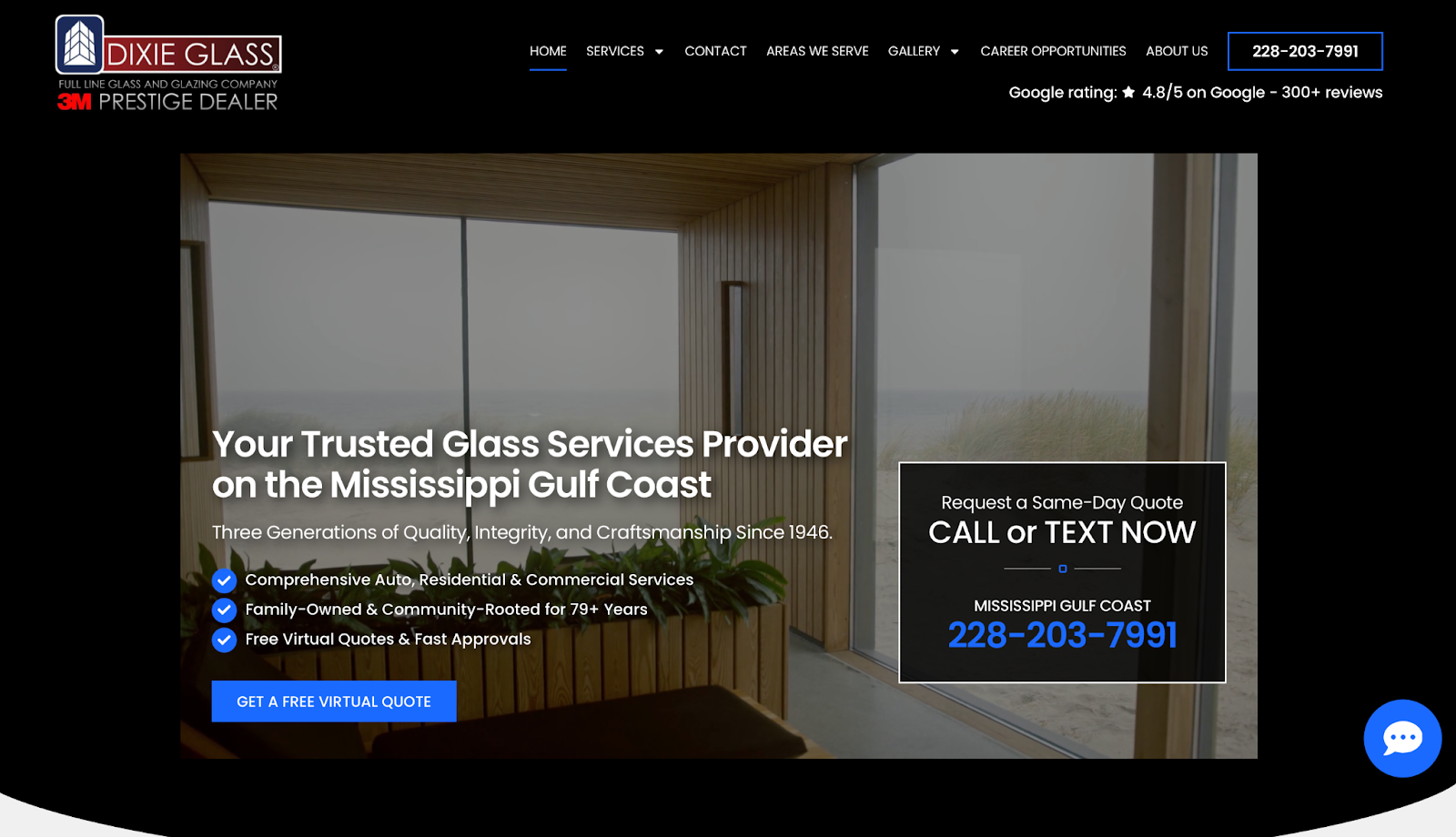
How a third-generation Gulf Coast glass company drove 76% more conversions after we rebuilt their site.
Dixie Glass came to Lithium with an outdated Wix site and paid campaigns that were not converting as well as they should. We rebuilt the site on WordPress around clearer calls, quote requests, and measurable form actions, then rebuilt the PPC campaigns and layered an SEO program on top. Within twelve months, conversions climbed 76 percent, search visibility rose 71.2 percent, and organic traffic grew 18.2 percent.
More conversions
Organic traffic growth
Search visibility growth
DIXIE GLASS | WEBSITE REBUILD CASE STUDY

Service businesses where a conversion-focused website can move revenue.
Metro Atlanta mixes healthcare, logistics, home services, hospitality, legal, education, retail, and B2B firms across very different neighborhoods and suburbs. A useful site has to speak clearly to the right buyer type without sounding like a template for every company in the region.
HVAC, plumbing, electrical, roofing, restoration, and cleaning companies often serve buyers across a wide radius. The site has to show services quickly, explain availability and service area clearly, and make tap-to-call effortless. We structure these pages around emergency intent, review proof, quote paths, and SEO architecture that does not bury the phone number.
Dental, medical, chiropractic, therapy, and specialty-care practices compete for patients who want clarity before they call. They look for insurance notes, appointment options, provider trust, reviews, and mobile directions. We build practice websites with service-specific pages and patient-friendly language.
Contractors, remodelers, roofers, painters, and specialty trades need more than a gallery. Buyers want proof that you handle their type of property, respond clearly, and can be trusted on the job site. We build project categories, estimate language, location pages, and conversion tracking around the best job types.
Attorneys, accountants, insurance agents, consultants, and other professional-service firms often sell trust before they sell a service. The website needs to clarify practice areas, answer first-call questions, show credentials, and route visitors to the right next step without forcing them through generic firm copy.
Restaurants, cafes, event venues, hotels, caterers, and hospitality businesses need sites that handle practical decisions fast. Hours, menus, reservations, private events, reviews, maps, and mobile ordering all compete for attention. We keep the brand polished while making high-intent actions easy.
Auto repair, body shops, detailing, tire, glass, towing, and fleet service businesses win urgent searches. Drivers and fleet managers are looking for help immediately. The site needs service categories, phone-first CTAs, review proof, warranty language, and pages that support organic rankings and PPC traffic.
Specialty retail has to compete with local shops, national chains, marketplaces, and social discovery at the same time. Whether the business sells home goods, food, gifts, wellness products, or repair services, the website should make inventory, location, brand story, reviews, and contact options easy to understand.
B2B, industrial, logistics, technology, and professional-service firms need credibility before a buyer asks for pricing. The site should explain capabilities, industries served, service territory, certifications, response process, and proof, then connect qualified form fills to pipeline data your team can review.
From kickoff to launch in six to nine weeks, with weekly decisions instead of mystery delays.
Our process keeps the Atlanta build in weekly motion. Strategy, copy, design, development, and review happen in visible steps, so your team knows what is being decided, what needs approval, and how each choice supports better inquiries.
Discovery & strategy
Discovery starts with your services, average job value, current search data, strongest competitors, and the reasons buyers hesitate before reaching out. That gives the site a sharper job than simply looking modern in a crowded metro market.
Information architecture & content plan
You receive a sitemap, URL structure, schema plan, content outline, and page-by-page brief. SEO and conversion thinking are built into the architecture before design starts, so the finished site supports service searches and paid traffic from day one.
Design direction
Design starts from strategy, not mood boards alone. We show the desktop and mobile direction, refine from your feedback, then use the approved system to keep the full build consistent across service pages, proof sections, forms, and calls to action.
Build, content, integrations
We build the site in Elementor on WordPress and write SEO-optimized copy in parallel. The build phase also includes forms, GA4 events, call tracking, Google Ads conversion tags, Google Business Profile alignment, schema, and any CRM or booking integrations needed to make leads trackable.
QA, launch, indexing
Before launch, we test the site the way buyers and crawlers will experience it. Mobile layouts, form submissions, phone clicks, redirects, schema, analytics events, conversion tags, Search Console, and page-speed basics all get checked before live traffic depends on them.
30 / 60 / 90-day tracking
A launch is the beginning of useful data. We monitor traffic, conversions, search movement, lead quality, Core Web Vitals, and the next opportunities for improving the funnel once real visitors begin showing where the site is strong or unclear.
Engineered to surface in Google AI Overviews, ChatGPT, Perplexity, and Claude when buyers ask.
Atlanta pages need to be clear enough for classic SEO and for newer AI systems that summarize services, reviews, locations, and business facts. We write in direct, sourceable language instead of relying on thin keyword repetition.
Quotable answer blocks
Strong answer sections help a hurried visitor and give AI systems cleaner source text. We open important topics with the useful answer, then add service context, proof, and next-step details where they belong.
Fact density and citations
A strong service page should sound like it came from a real operator, not a keyword template. We use specific services, proof points, dates, examples, and claims that can survive scrutiny, then remove vague language that does not help a buyer choose.
Schema for generative engines
We use schema to make the page easier to parse: business identity, service categories, FAQ answers, article-style context, breadcrumbs, reviews where supported, and action paths all become clearer for search engines and AI systems.
Brand consistency across the web
A confused web presence creates confused summaries. We align the page with profiles, reviews, directory listings, and other public mentions so answer engines see a consistent business entity instead of conflicting names, services, phone numbers, or service areas.
Topical authority and entity coverage
Depth beats repetition. A strong service site uses related pages, FAQs, proof, internal links, and clear topical clusters so buyers and search engines can understand the business beyond a single generic services page.
llms.txt + AI crawler controls
For companies that care about AI visibility, crawler rules matter. We pair structured content with llms.txt and robots.txt guidance for GPTBot, ClaudeBot, PerplexityBot, and Google-Extended so the site has clearer rules for discovery.
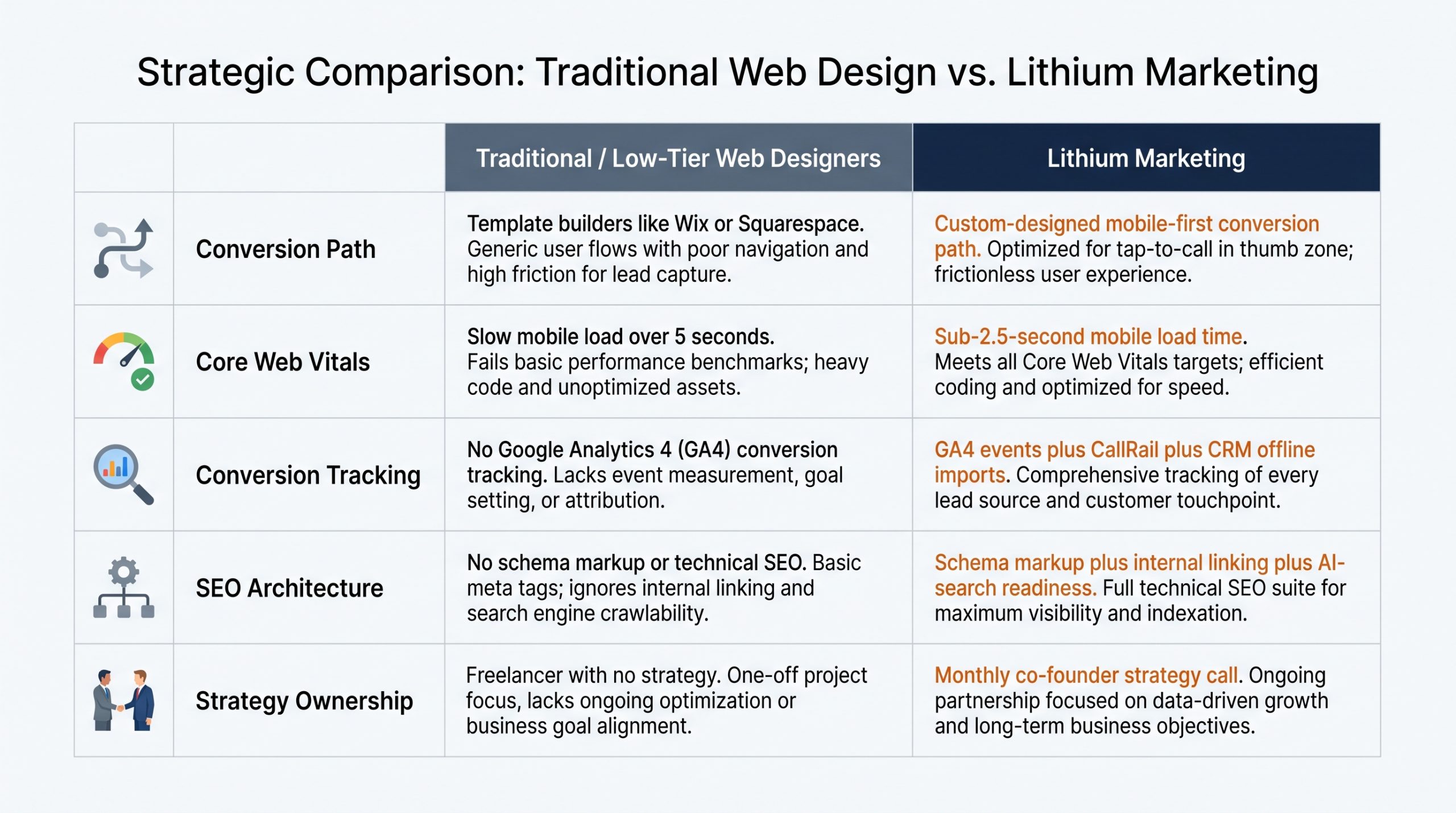
What service businesses get from each web design approach
Service businesses Lithium has built websites for.
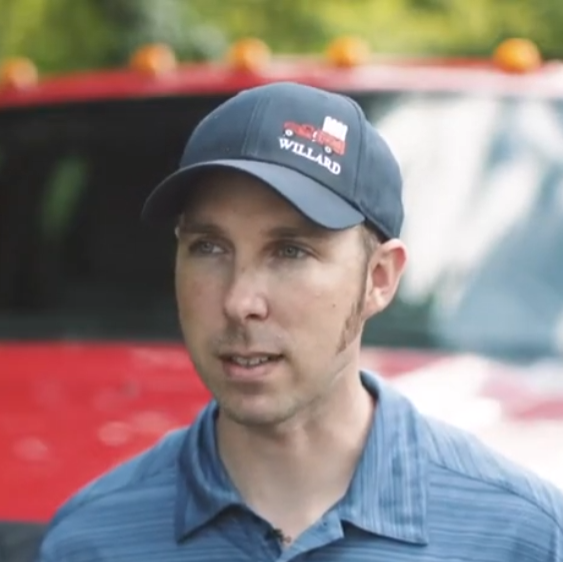
Willard Power Vac
“Lithium Marketing has been amazing for our business. They have greatly increased our web traffic and helped us land hundreds of jobs.”
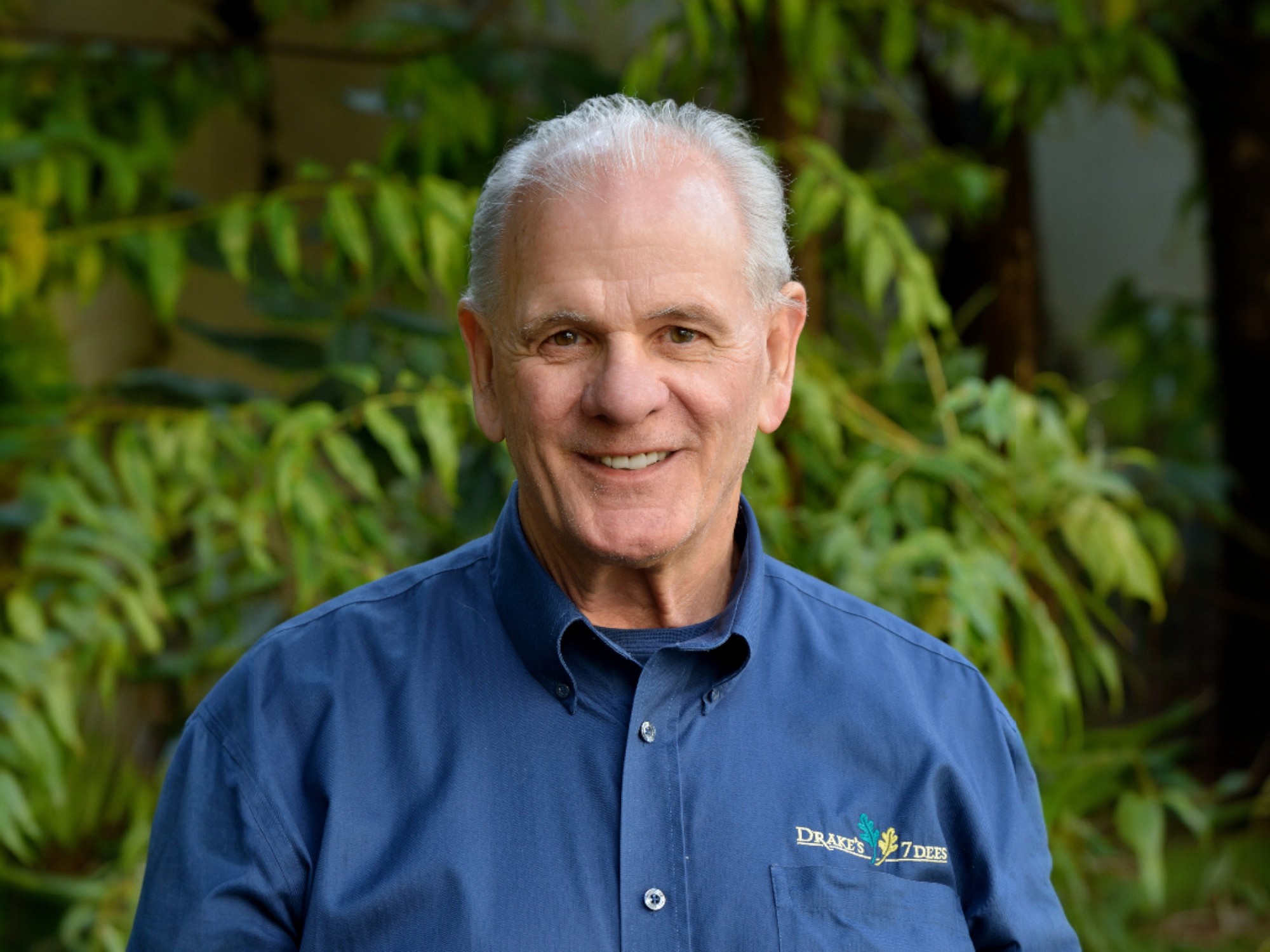
Drake’s 7 Dees
“Lithium has moved us to page 1 in Google search organically.”
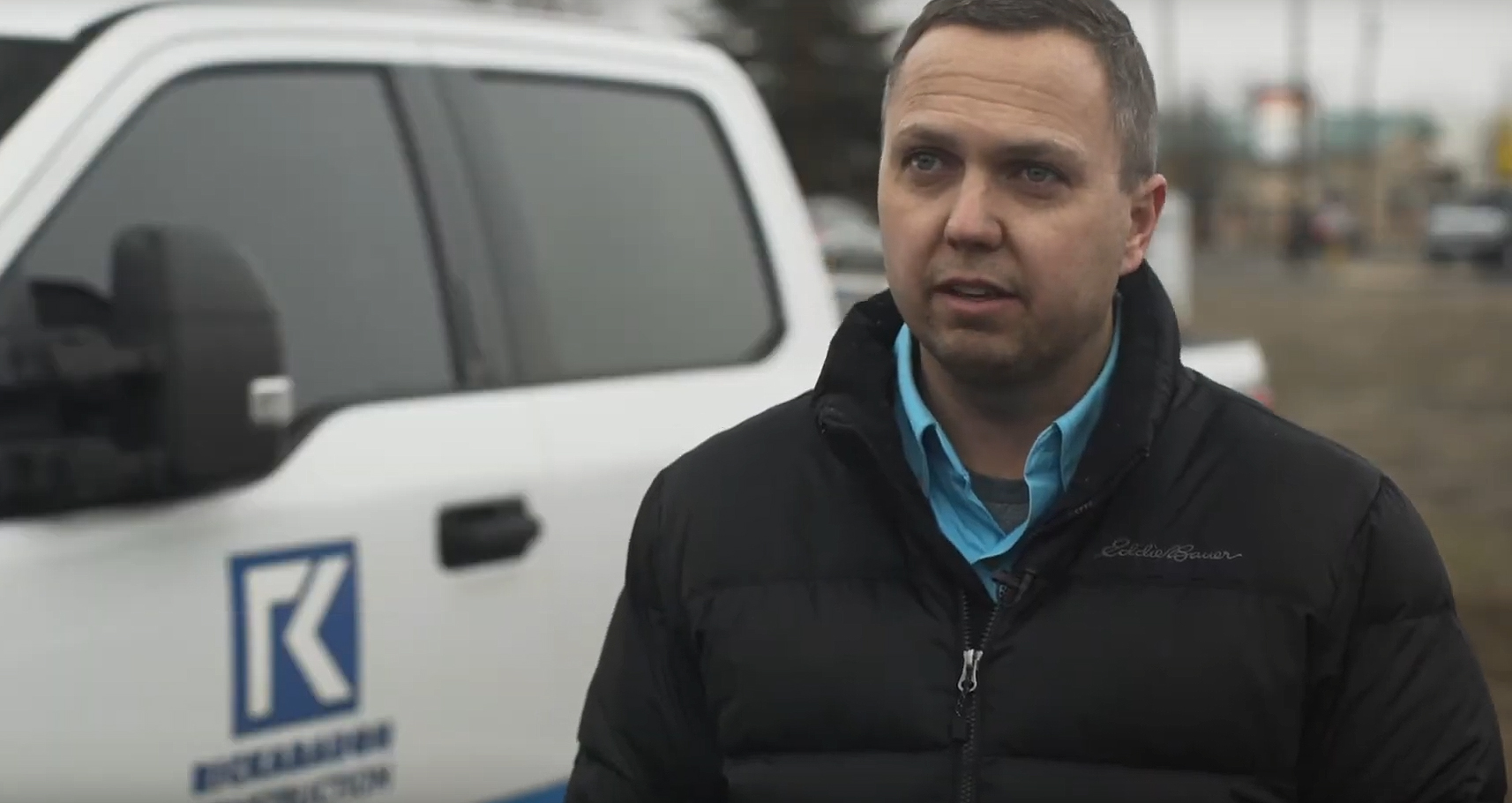
Rickabaugh Construction
“Working with Lithium Marketing has been awesome.”
Atlanta web design questions with practical answers.
Most projects take six to nine weeks when decisions and feedback stay on schedule. The early work covers strategy, content direction, and structure. Design, build, QA, tracking, redirects, forms, and launch checks follow before the site is placed in front of live buyers.
Yes, if the rebuild improves the foundation instead of only changing the look. Better crawl paths, service-page depth, internal links, schema, Core Web Vitals, and local proof all support SEO. Competitive searches still need ongoing content and authority work after launch.
Yes. Your business owns the site assets created for the project, including the WordPress build, page content, approved creative assets, and custom work covered in the scope. Domain and hosting access should also stay under your control, so the website remains a business asset after launch.
Yes. We build on WordPress with Elementor so your team can make normal page edits visually after launch. We also provide a walkthrough of the actual site, and Lithium can stay involved for technical support, SEO, content, paid traffic, and conversion improvement work when needed.
The agency location matters less than the operating rhythm. Lithium runs Atlanta projects with remote reviews, clear notes, senior strategy, analytics planning, service-page structure, and PPC readiness when paid traffic will be part of acquisition.
No. Most Atlanta builds run well through calls, shared docs, screen recordings, comments, and structured approvals. If a complex stakeholder group needs a different meeting format, we handle that during scope planning instead of slowing down the whole project.
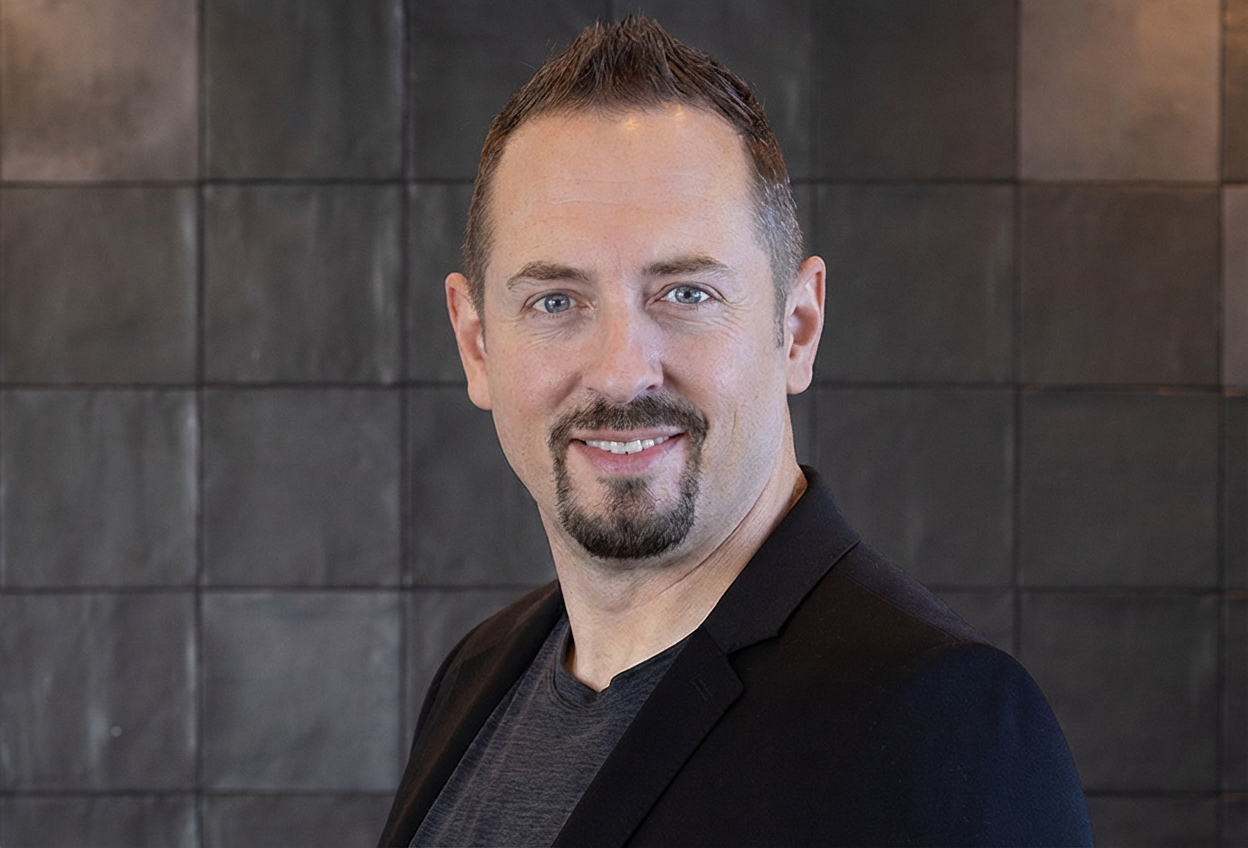
Your strategy call is led by DJ Van Zanten
DJ has worked in digital marketing for more than twenty years and has consulted with over 1,000 service businesses. When you book a Lithium strategy call from this page, DJ leads the conversation himself, so your first review is handled by the person responsible for the strategy.
Get a free website review
The review focuses on practical issues that affect contact rates: speed, mobile layout, CTA placement, proof, service-page clarity, schema, Google Business Profile alignment, analytics events, and the points where serious visitors leave before they call or submit a form.
- No sales pitch
- 30 minutes
- You keep the audit either way