
Buffalo Web Design for Established Local Service Brands
Modern pages for regional businesses built on reputation and response.
Buffalo service companies often carry years of neighborhood trust, but older pages can hide that strength. We rebuild the experience so visitors see service fit, proof, seasonal readiness, and contact options before they drift to another regional provider.
- Google Partner certified
- Meta Business Partner
- 5.0 ★ across 30+ Google reviews
- 100+ clients served nationwide
- $10M+ in Google Ads managed
- Marketing services since 2010
Partner
A familiar name can still feel uncertain online.
Buffalo buyers often know the neighborhoods, seasons, and old local names before they ever reach a website. A good page has to connect that local familiarity with modern proof, quick service clarity, and an easy way to ask for help.
“ Legacy reputation works harder when the page makes it visible.
The searches that matter tend to be practical and seasonal. A homeowner, patient, diner, or facilities manager may be checking whether a provider understands the area and can respond without delay. Buffalo snow damage roof repair website or Buffalo dental office web design Those visitors need quick-loading pages, plain service sections, reviews close to the claims, and contact options that work from a phone. A dated site can make a strong local business look harder to choose.
A stronger build should honor the brand people already know while making it easier for new customers to verify fit. Design, copy, local search structure, forms, and tracking all need to support the same first decision.
Slow mobile load = lost lead
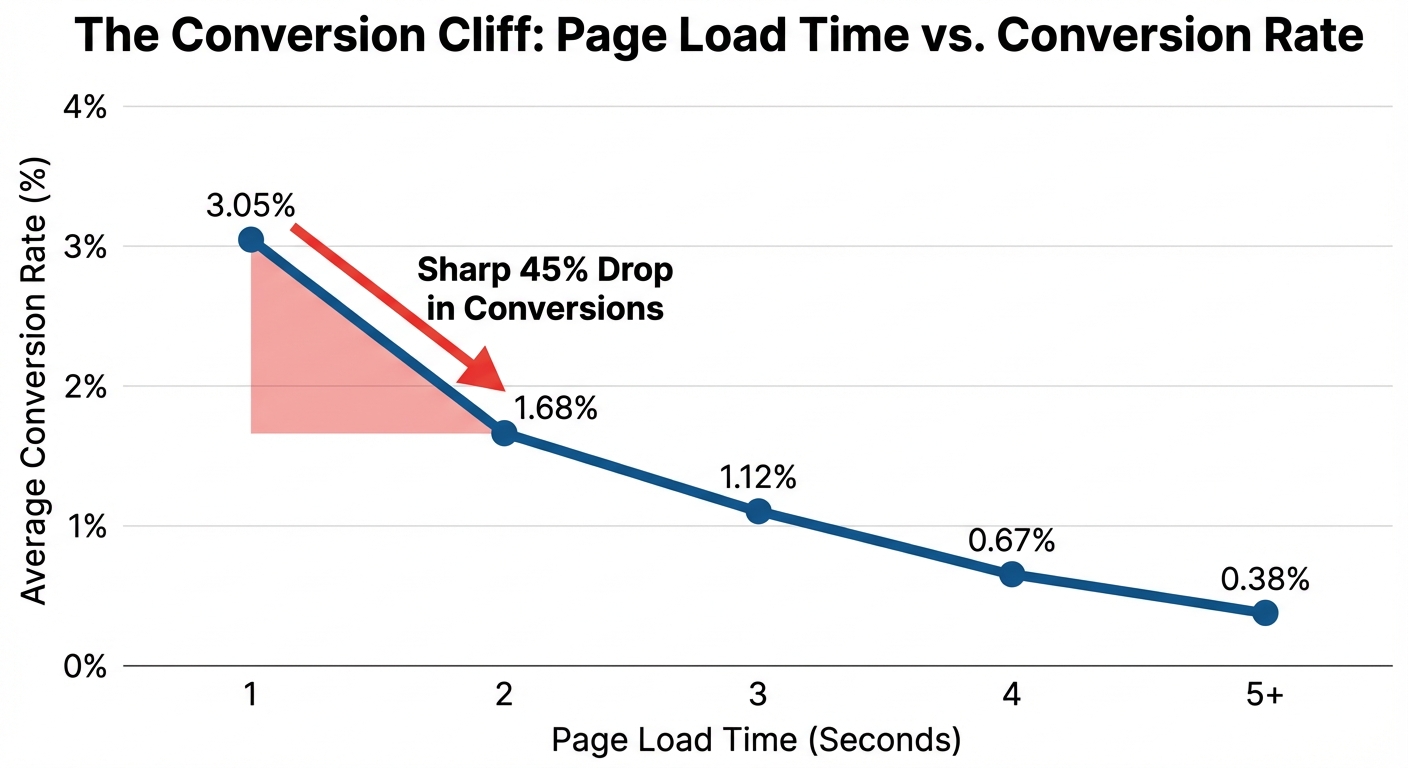
A heavy mobile page is especially risky during weather-driven searches. If a homeowner is dealing with ice, wind, water, or a furnace issue, oversized images and slow scripts can make a dependable Buffalo business look unavailable.
No one-tap path to call you
The call, estimate request, or booking link should appear before a visitor loses patience. We place actions beside service detail, reviews, seasonal notes, and location context so the next step feels natural.
Built for looks, not for ranking
Search structure has to reflect how Western New York buyers compare. Service pages, schema, Google Business Profile details, citations, and review language should support Buffalo, the Northtowns, the Southtowns, and real service coverage accurately.
No proof above the fold
Proof should feel local and current. Reviews, neighborhood project examples, crew photos, licensing, emergency policies, and practical guarantees help visitors trust the business instead of only recognizing the name.
A faster, clearer site that carries old reputation into new searches.
The build starts by finding where the current site undersells the business. Many Buffalo companies need clearer service organization, better mobile speed, more visible proof, tighter profile alignment, and tracking that shows which requests arrived from the site.
Sub-2.5-second mobile load
Performance work focuses on the pieces visitors feel first: image weight, font loading, layout shifts, server response, caching, and scripts. A reliable company should not be represented by a page that hesitates.
Mobile Actions for Urgent Seasons
Buffalo visitors often arrive with a practical reason to act: schedule service, ask about damage, make a reservation, or confirm availability. Buttons, forms, and phone links need to remain close to the details that create confidence.
Above-the-fold value proposition
The opening screen should show the service, local fit, proof, and action without a long introduction. We avoid generic welcome copy because buyers want to know whether the company can handle their need today.
SEO-ready architecture
Buffalo Profile and Service-Area Alignment
Business information should match across the site and public profiles. Hours, phone numbers, service categories, photos, review themes, and service-area notes need to agree so regional buyers do not find conflicting details.
Real proof, placed where it converts
Legacy businesses often have stronger proof than their sites show. We bring reviews, project evidence, credentials, team history, and service policies into the pages where a cautious customer is deciding what to do next.
Tracking that ties leads to revenue
GA4 events fire on every form submission, booking action, and click-to-call. Call tracking connects conversations back to traffic source, and conversion tags are wired to Google Ads before campaigns send paid traffic into the new site.
WCAG-aware, AI-search-ready
Clean structure helps people and AI systems understand the same facts. We use semantic headings, accessible contrast, answer blocks, and consistent entity details so the business is easier to interpret.
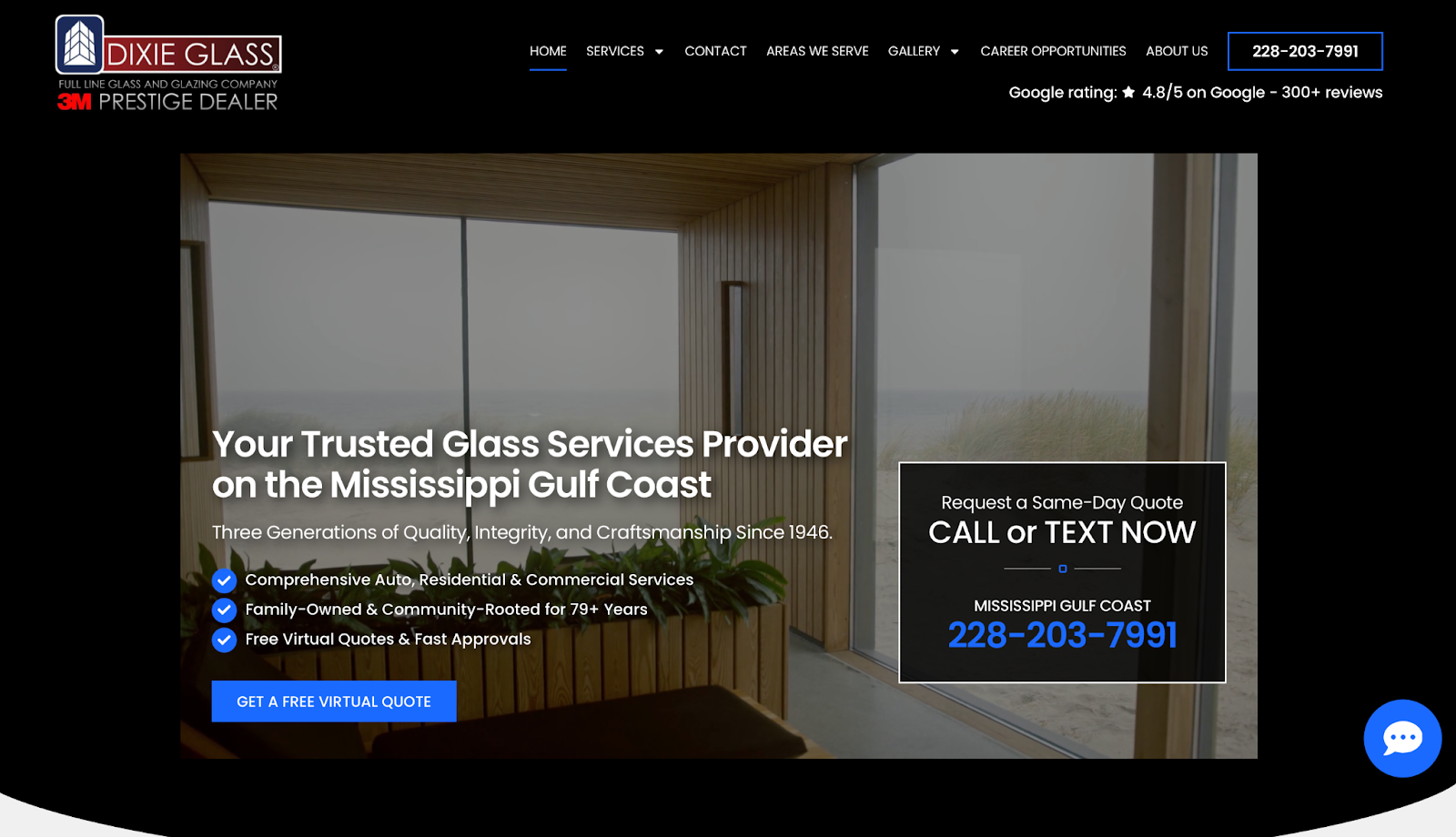
How a third-generation Gulf Coast glass company drove 76% more conversions after we rebuilt their site.
Dixie Glass had a recognizable regional business but an outdated Wix site and weak campaign measurement. Lithium rebuilt the site around quote requests, repaired paid traffic tracking, and strengthened organic search foundations. Conversions rose 76 percent, visibility climbed 71.2 percent, and organic traffic grew 18.2 percent.
More conversions
Organic traffic growth
Search visibility growth
DIXIE GLASS | WEBSITE REBUILD CASE STUDY

Regional service teams that need credibility to show before the call.
Buffalo companies often serve city neighborhoods, suburbs, and nearby towns with a mix of repeat customers and first-time searchers. A useful site should combine service clarity, proof, seasonal readiness, and tracking without burying the local story.
HVAC, roofing, plumbing, electrical, restoration, and snow-season service companies need pages that answer urgency quickly. We connect service details, weather-aware proof, tap-to-call actions, and local search structure so customers can request help without confusion.
Medical, dental, chiropractic, and therapy practices need a calmer decision experience. Insurance notes, provider bios, parking details, appointment options, reviews, and accessibility information should be easy to scan from a phone.
Contractors and trades need project evidence that looks current. Photos, materials, property types, service limits, weather-related repairs, and estimate language help homeowners decide whether the company fits the job.
Professional firms need pages that turn familiarity into confidence. Attorneys, accountants, advisors, insurance teams, and consultants should explain process, credentials, consultation options, and fit before asking for a form submission.
Restaurants, venues, caterers, hotels, and event spaces need practical details to stay accurate. Menus, hours, private events, reservations, parking, photos, and profile updates influence decisions before a visitor reads the full story.
Auto repair, collision, glass, tire, detailing, towing, and fleet service sites need to support urgent searches. Service categories, warranty language, reviews, phone-first actions, and paid search landing pages should work together.
Specialty retailers need a site that makes the trip feel worthwhile. Product categories, inventory hints, photos, store story, neighborhood location, reviews, and service policies help shoppers choose local instead of defaulting online.
Manufacturers, distributors, technology providers, staffing teams, and consultants need content that supports longer evaluation. Capability pages, industries served, service territory, certifications, and follow-up forms should not feel like an afterthought.
From kickoff to launch in six to nine weeks, with weekly decisions instead of mystery delays.
Our process avoids the big reveal. Buffalo clients see strategy, copy direction, design, and build progress in review cycles, so local details and proof can be corrected before the site reaches launch.
Discovery & strategy
Discovery looks at service mix, seasonality, local reputation, revenue per inquiry, and the current website data. We review analytics, Search Console, profile performance, and competitor pages before design direction is approved.
Information architecture & content plan
The plan includes sitemap, page briefs, URL decisions, schema notes, and conversion goals. Search strategy is planned before visuals so service pages support Buffalo discovery from the start.
Design direction
Design direction is built around trust rather than decoration. We choose layout, proof placement, calls to action, and image needs based on how a regional buyer will decide whether the company is dependable.
Build, content, integrations
We build the site in Elementor on WordPress and write SEO-optimized copy in parallel. The build phase also includes forms, GA4 events, call tracking, Google Ads conversion tags, Google Business Profile alignment, schema, and any CRM or booking integrations needed to make leads trackable.
QA, launch, indexing
Launch QA covers phone clicks, forms, mobile layouts, redirects, tracking tags, schema, page speed, profile consistency, and thank-you states. A site serving urgent seasonal work needs these basics tested before traffic arrives.
30 / 60 / 90-day tracking
After launch, the useful questions are practical: which pages got calls, which forms were used, where visitors dropped, which services gained search visibility, and what proof still feels thin.
Engineered to surface in Google AI Overviews, ChatGPT, Perplexity, and Claude when buyers ask.
Classic search optimization and AI search readiness both depend on clear source material. We make service facts, local details, and proof easier to understand without turning the page into a keyword list.
Quotable answer blocks
Answer sections help visitors and AI systems by stating the useful point first. Then the page adds local details, limitations, proof, and next steps for someone comparing Buffalo providers.
Fact density and citations
A Buffalo page should sound grounded in the actual business. Seasonal service notes, neighborhood examples, years in operation, crew credentials, emergency policies, and review themes make the copy more believable than broad claims.
Schema for generative engines
Schema organizes the facts behind the page: business identity, services, FAQs, reviews, breadcrumbs, and action details. We validate the markup so crawlers receive a cleaner version of the same information visitors see.
Brand consistency across the web
A regional business should not look different in every source. We align website copy, Google profile details, reviews, directory listings, social profiles, and public mentions around one consistent description.
Topical authority and entity coverage
Depth comes from answering the real decision. Service pages, seasonal pages, FAQs, project proof, internal links, and local examples help visitors understand the company beyond one polished homepage.
llms.txt + AI crawler controls
Crawler guidance can help explain how important content should be treated. llms.txt and robots.txt work best when the site already has clear source pages worth representing accurately.
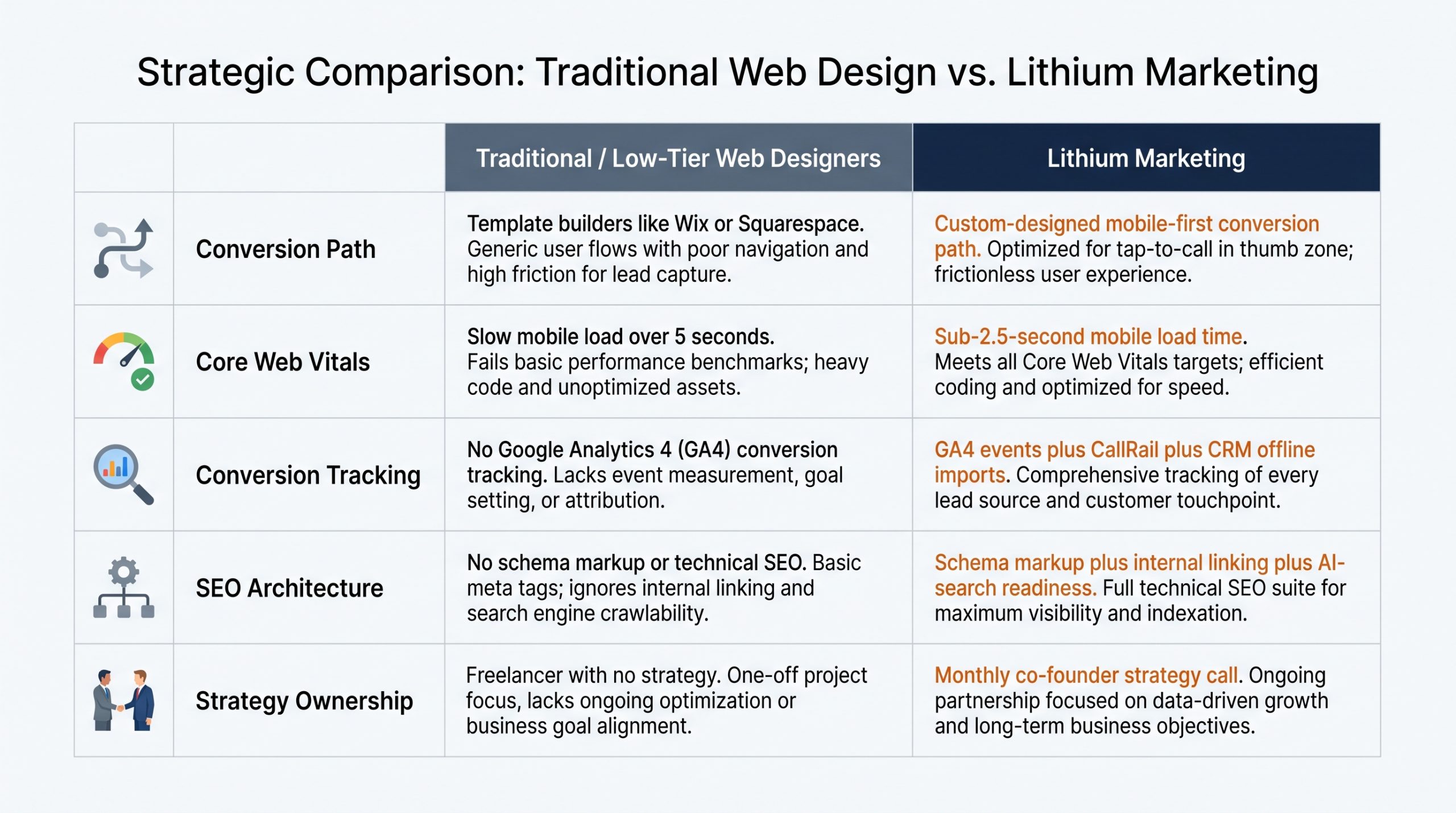
What Buffalo businesses get from each build approach
Service businesses Lithium has built websites for.
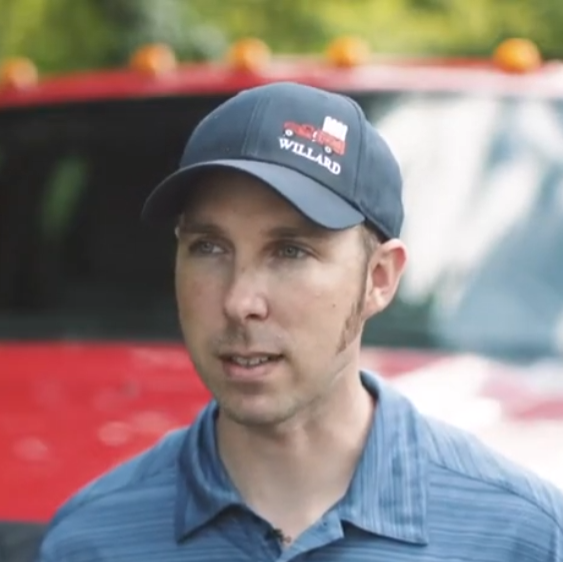
Willard Power Vac
“Lithium Marketing has been amazing for our business. They have greatly increased our web traffic and helped us land hundreds of jobs.”

Drake’s 7 Dees
“Lithium has moved us to page 1 in Google search organically.”
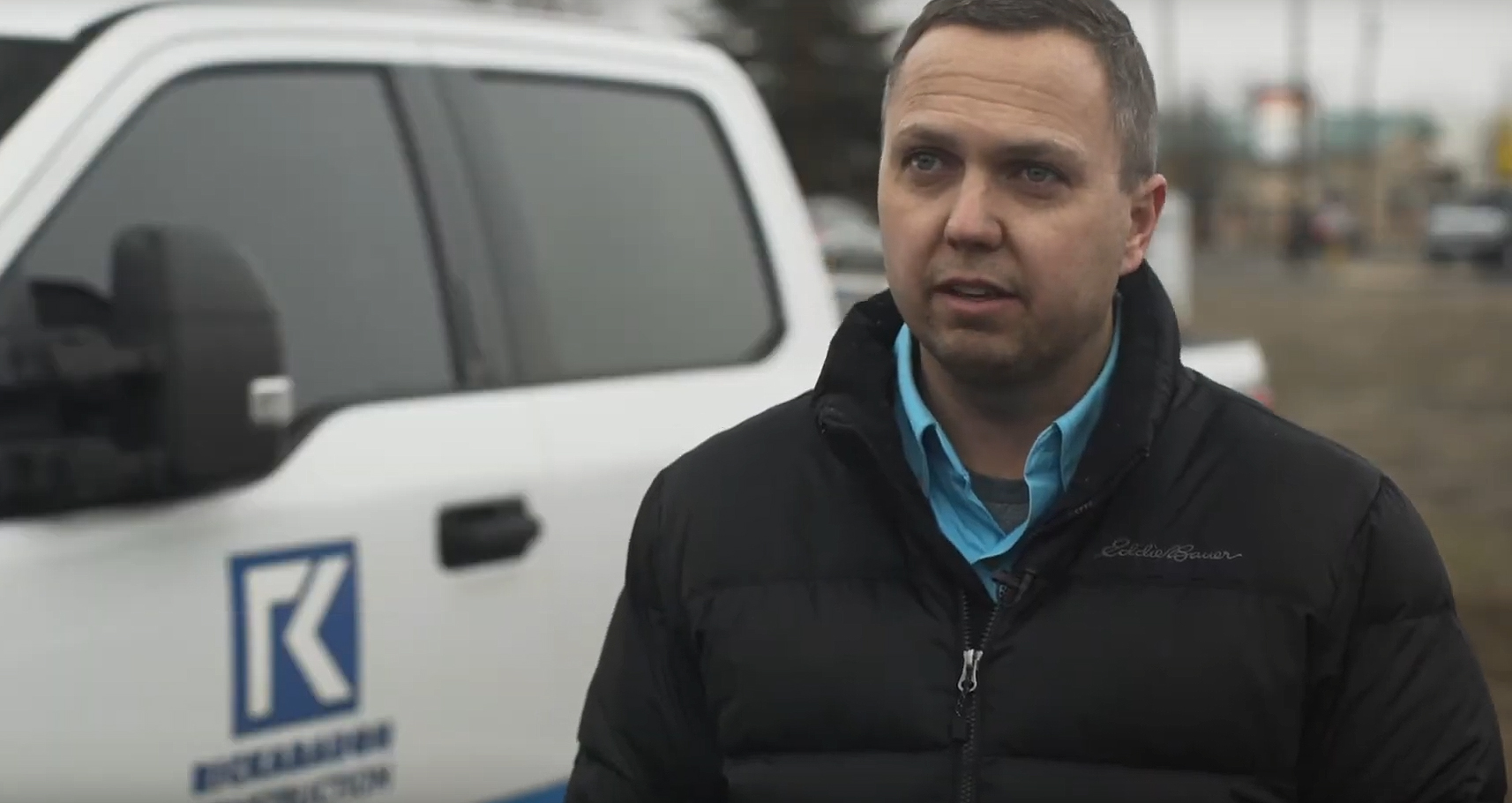
Rickabaugh Construction
“Working with Lithium Marketing has been awesome.”
Buffalo web design questions, answered plainly.
A Buffalo service-business website commonly ranges from $5,000 to $20,000, depending on page count, copy needs, seasonal service pages, integrations, booking features, search structure, and paid traffic needs. We scope the work after reviewing the current site and the inquiry value.
Most projects take six to nine weeks after access, scope, and review timing are settled. Sites with many service lines, seasonal pages, legacy content, or old tracking setups may need extra planning before design begins.
Yes, the build can create a cleaner foundation for organic visibility. Crawlable service pages, internal links, schema, profile consistency, mobile speed, and proof all help, though competitive rankings still need ongoing content, reviews, and authority work.
Yes. Your business should own the WordPress build, approved page content, creative assets, and custom work included in the scope. Domain, hosting, analytics, advertising, and search accounts should remain under your control through seasonal updates too.
Yes. We build with WordPress and Elementor so normal edits can be handled visually after launch. Lithium can also stay involved for technical support, content updates, search work, paid traffic, tracking, and conversion improvements when campaigns change.
The right partner is defined by process and accountability more than office location. Lithium handles Buffalo projects with remote reviews, local research, structured feedback, launch QA, and conversion tracking that does not require sharing a conference room.
A stronger build connects design, service copy, analytics, search foundations, paid campaign support, and proof placement. That gives the business one site that can support referrals, organic traffic, and ads without separate disconnected landing experiences.
Most projects run remotely because it keeps reviews and approvals easier to track. Calls, Loom videos, shared docs, email, and project notes cover the work clearly. If travel is truly needed, we can discuss it during scope planning.

DJ Van Zanten leads your website review
DJ has worked in digital marketing for more than twenty years and has reviewed sites for over 1,000 service businesses. He leads the first strategy call so the discussion starts with business goals, not a generic design questionnaire.
Get a free Buffalo website review
The review looks at mobile speed, service-page clarity, seasonal proof, CTA placement, profile alignment, schema, forms, analytics events, and the points where a serious Buffalo visitor leaves before contacting you.
- No sales pitch
- 30 minutes
- You keep the audit either way