
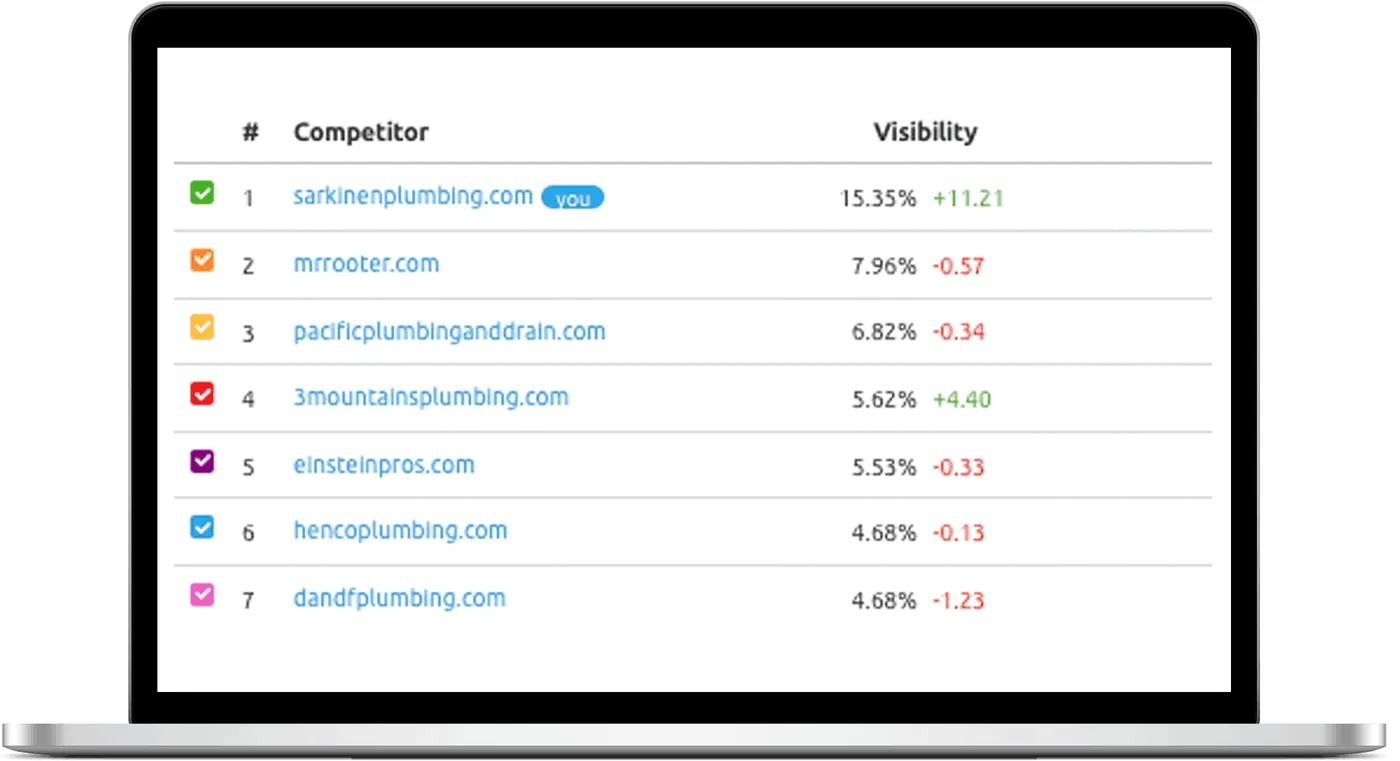
 Plumbing
Sarkinen Plumbing
2Xleads
on the same budget
- search visibility
- 3.75X
- search visibility
- ads conversion rate
- 27.37%
- ads conversion rate
Cambridge websites for project-based contractors
With 49,444 occupied homes in Cambridge, get web design that explains a remodeler’s real project experience without publishing unapproved client details.
 Google PartnerView our Partners listing
5.0on Google · read our reviews
Google PartnerView our Partners listing
5.0on Google · read our reviews
Businesses
we’ve worked with
Businesses we’ve worked with
Show the work you can substantiate
Lithium Marketing designs Cambridge websites that help a remodeler explain completed work and invite a relevant project inquiry. Middlesex County records 1,145 residential remodeling establishments. That county category does not tell a prospective customer what this particular firm has built or what evidence it can publish.
If the strongest project photographs include details the client has not approved for publication, establish the permitted material before designing the gallery. An approved description can explain the contractor's role without implying that a stock image is its work. Give a visitor enough truthful scope to decide whether their proposed project is worth discussing.
Designer searches and the visitor's next decision
“web design cambridge” records 390 monthly searches. That measures searches for a designer, not requests for remodeling. Select the website's project examples from the contractor's actual work and the questions prospective customers need answered; do not treat this agency measure as a lead forecast.
Compare the project page with the information its inquiry form requests. If the page explains a completed remodel but gives a visitor no guidance for describing proposed work, decide what scope information the contractor needs at that first contact. Ask for the prospective customer's project details rather than private details about the client whose completed work appears in the gallery.
| Search | Searches a month | Cost per click |
|---|---|---|
| web design cambridge | 390 | not reported |
| website design cambridge | 390 | not reported |
| web designer cambridge | 10 | not reported |
Source: Google Ads keyword data, average monthly U.S. searches. "Under 10" = below Google’s reporting floor.
Source: one Google results page for “plumber cambridge”, as Google showed it to a searcher located in Cambridge. Search ad counts exclude sponsored local listings. Results shift by searcher and day.
Housing context without a project assumption
Cambridge's median household income is $130,748. A city median is not the budget of a person who sends a project inquiry. Explain the kinds of work the remodeler accepts and ask the customer to describe the proposed scope instead of presenting a city figure as evidence of what they can spend.
The Middlesex County housing record puts the share built from 2010 onward at 8.6%, including homes outside Cambridge. It says nothing about the condition of an individual home. When selecting a case for the website, describe the actual building and work with permitted evidence, rather than assigning a project type from its age or location.
Sources: U.S. Census Bureau 2025 population estimates, ACS 2020–2024 and 2023 County Business Patterns.
Make the contractor's role visible
Middlesex County records 234 new-home-building establishments. A visitor should be able to distinguish a remodeling project from a new build and see which role the firm performed. Keep those descriptions accurate even when the same photograph could look relevant to both categories.
The county also records 291 painting establishments. If a finished-room photo includes work performed by another trade, approve a caption that states the remodeler's own contribution. A category count cannot establish who did the work, and a gallery should not borrow another contractor's experience.
County Business Patterns
Trade and home service businesses in Middlesex County
Establishments by industry, 2023
Source: U.S. Census Bureau, 2023 County Business Patterns (NAICS establishment counts).
Build around evidence that is ready to publish
Bring a completed project and explain which images, descriptions and customer details are approved for the website.
Have the business identify what it is authorized to publish. Keep uncertain material out of the design until the appropriate person approves it.
Describe the accepted work and the role the contractor actually performed. Match captions to the permitted photographs instead of letting an image imply a wider scope.
Give a visitor a clear route to discuss a similar project. Explain what information the contractor needs to decide whether the proposal fits.
Review the page with the person responsible for publication. Confirm the captions and inquiry wording before the site presents them as the business's account.
What every Lithium website includes
The same eight parts go into every website build, wherever the business is.
Real businesses and their own experience
Sarkinen Plumbing serves the Portland area. Lithium's work for the business includes a new website, SEO and Google Ads, and the displayed measures belong to that program. Chris Martin of Mt. Hood Pro Painting supplies the separate recommendation beside it. Neither account substitutes for a remodeler's own approved project evidence.
Plumbing2Xleads
on the same budget
“Ever since we've used Lithium Marketing, our phone has been ringing off the hook and we can hardly keep up with the leads we get from Google, Facebook or through our website. Most of our leads other than referrals are through Google and it's all because of Lithium Marketing.”
 Chris MartinMt. Hood Pro Painting
Other website destinations
Boston, Quincy, Lynn, Brockton and Lowell have web-design destinations below, alongside Nashua in New Hampshire and the Massachusetts collection. Read the relevant place's figures when planning a website for a contractor there. Project attribution still comes from that firm's actual work, whichever city the page discusses.
Published price
$5,000
typical project
Larger sites get a fixed proposal after a 30-minute discovery call. Six to nine weeks from kickoff to launch. You own the domain, hosting account, WordPress install and content.
FAQ

Still curious?
Call (503) 766-5964 or email [email protected].
Yes, but identify that limit before the design depends on them. Bring the material you can approve and explain what remains private or unresolved. We can discuss a truthful page structure around the evidence available, without presenting placeholder photography as the firm's completed work.
Choose someone who knows your firm's actual contribution. Have them approve the description before publication and distinguish work performed by others. The purpose is to give a prospective customer an accurate account, rather than letting a finished image imply responsibility for every part of the project.
No, a useful project description can focus on the permitted scope and the contractor's role. Establish which identifying details the business is prepared to publish. We should not add a customer name, address or testimonial merely to make a project page appear more specific.
Explain that difference directly in the website brief. Identify the work you currently accept and the evidence supporting each claim. Avoid suggesting experience you cannot document; a prospective customer needs a clear service description even when a matching project photo is unavailable.
Review the heading, caption and inquiry wording together. A photograph may be permitted while the surrounding copy still overstates the contractor's role or future availability. Approve the full account and the customer's next step before signing off the page for publication.
Free action plan
Send a completed-project example and identify the material approved for publication. A short video call with a co-founder lets us choose the evidence and inquiry explanation a prospective remodeling customer should see.
What we’ll cover
2000 NE 42nd Ave Ste D Unit 2370, Portland, OR 97213
Prefer to pick a time? Book a 30-minute call with DJ