
Clearwater Web Design for Service Pages That Convert Interest
Clearer pages, faster mobile performance, and fewer dead ends for serious visitors.
A Clearwater site has to work for residents, tourists, property owners, and local teams who compare options quickly. Lithium builds fast, readable service pages with visible proof, simple contact options, and the SEO structure needed for long-term discovery.
- Google Partner certified
- Meta Business Partner
- 5.0 ★ across 30+ Google reviews
- 100+ clients served nationwide
- $10M+ in Google Ads managed
- Marketing services since 2010
Partner
A modern site can still hide the information buyers need.
Clearwater buyers may be local residents, seasonal visitors, property managers, retirees, or business owners comparing providers across Pinellas County. The website has to communicate what the company does, why it is credible, and how to respond without slowing the visitor down.
“ The page should help a visitor choose before the phone rings.
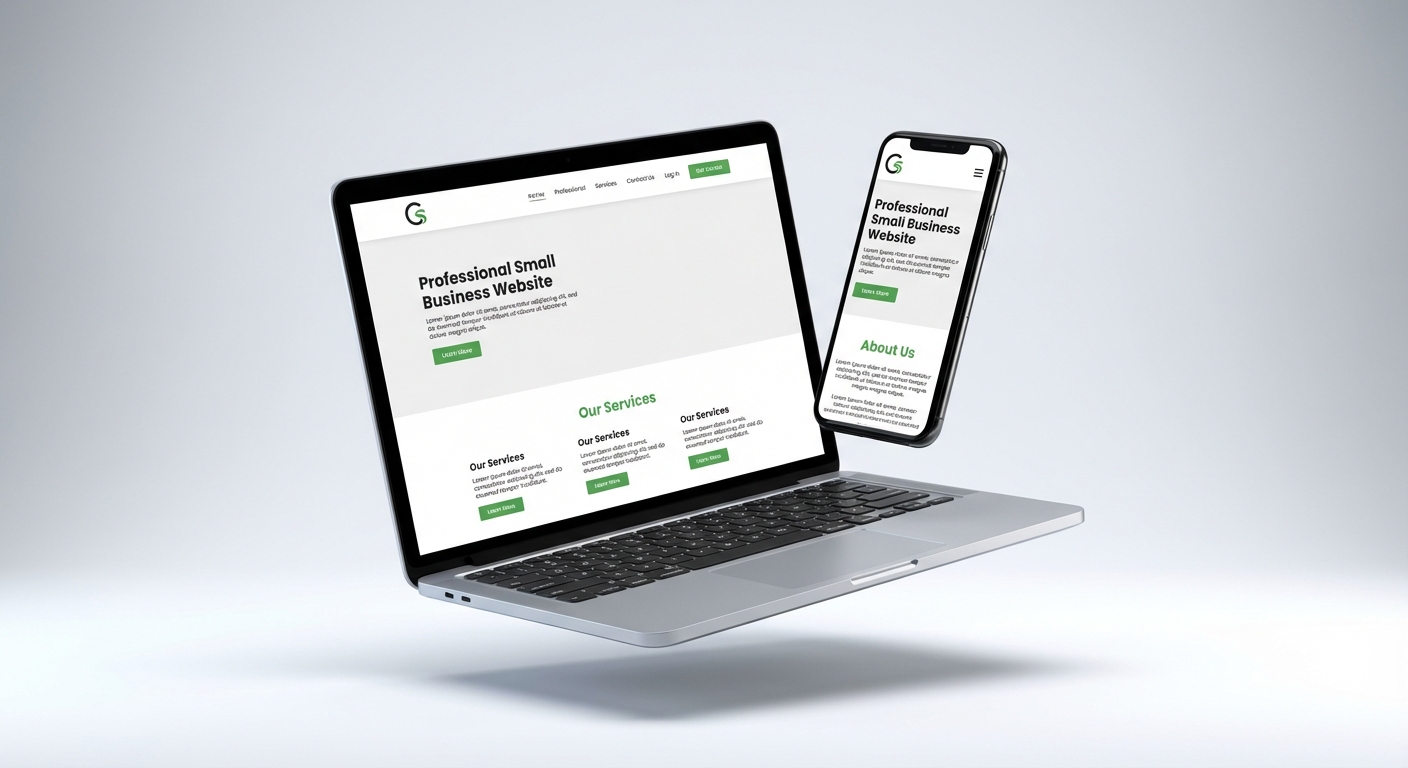
Useful web design work starts with the decisions people are already trying to make. A prospect might be searching for help with a phrase like: Clearwater contractor website design or Pinellas dental website redesign Those searches need a site that loads well on mobile, explains services plainly, shows examples or reviews, and supports calls, forms, bookings, or quote requests. A pretty layout is not enough if the buyer cannot act.
Underperforming sites usually suffer from several small problems at once: vague headlines, hidden proof, slow images, thin service pages, unclear local SEO structure, and analytics that do not show where inquiries came from.
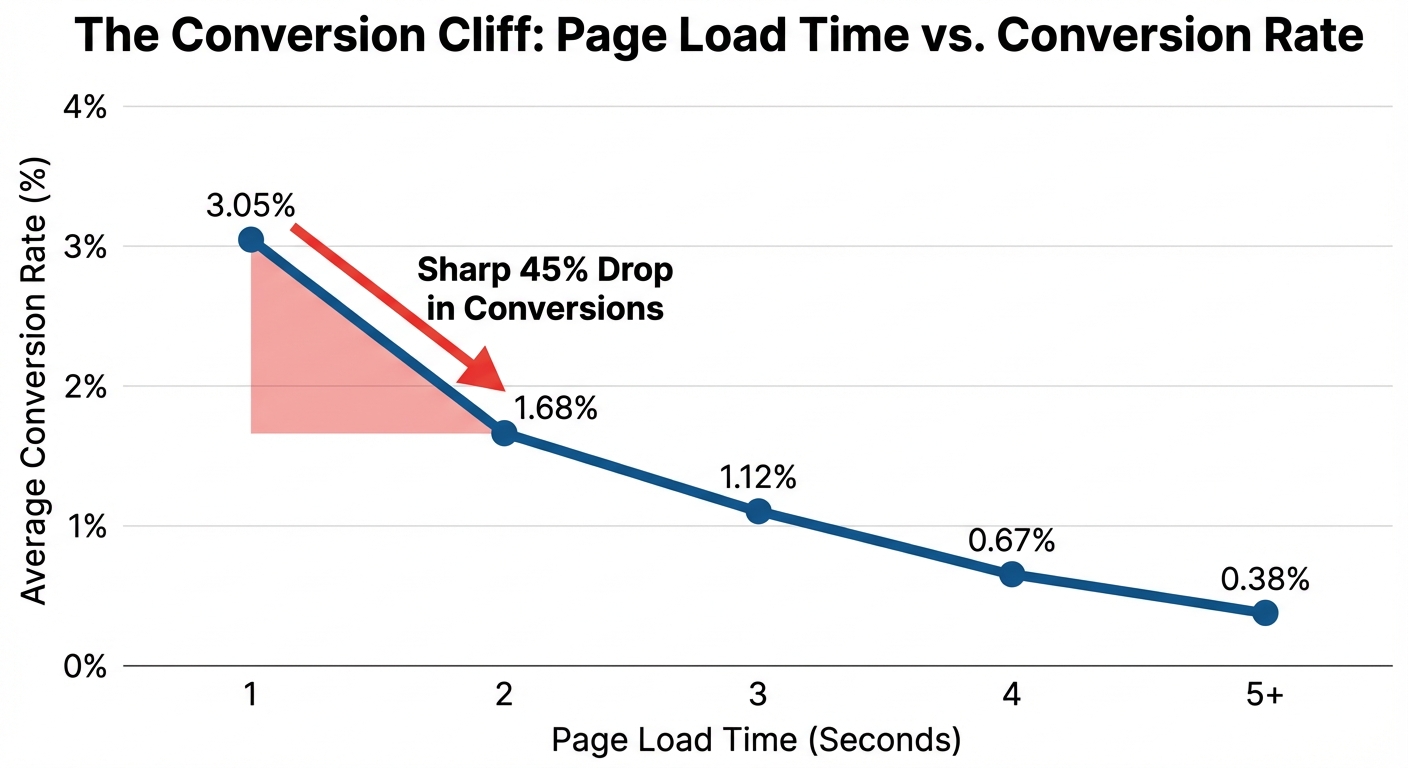
Slow mobile load = lost lead
Mobile speed matters because many visitors are checking the site between appointments, errands, property visits, or work. We reduce bloated media, layout shifts, script weight, and friction that can make a polished design feel unreliable.
No one-tap path to call you
The site should make action feel natural after the visitor sees the service fit. Calls, forms, booking links, and quote requests belong near the content that answers objections, not buried in a footer.
Built for looks, not for ranking
Good web design includes the pieces visitors never see directly. Crawlable pages, clean URL structure, schema, redirects, accessibility basics, tracking events, and Core Web Vitals all affect whether the site works after launch.
No proof above the fold
Proof needs to appear close to the claims it supports. Reviews, project photos, credentials, guarantees, case details, and team information help a visitor feel safer before calling or submitting a form.
The essentials that help a website turn visits into inquiries
The project begins with what the website has to accomplish. We define the audience, services, proof, conversion actions, SEO structure, analytics events, and content priorities before deciding how the design should look.
Sub-2.5-second mobile load
Speed is designed into the project instead of patched at the end. We manage media, fonts, plugin choices, scripts, caching, and layout stability so the site stays usable on real mobile connections.
Calls and forms built for mobile users
Mobile action design is about reducing unnecessary effort. We use clear buttons, shorter forms, tap-friendly phone links, and section-level prompts so visitors can respond when they are ready.
Above-the-fold value proposition
The first screen has to orient the visitor quickly. We make the offer, audience, proof, and next step clear before asking someone to scroll through brand language that does not help them choose.
SEO-ready architecture
Search structure before launch
Local SEO planning includes the details that help search engines trust the site. We align business information, service categories, location language, schema, internal links, and Google Business Profile details before launch.
Real proof, placed where it converts
Proof is part of the design system. Testimonials, before-and-after images, certifications, case snippets, staff credentials, and guarantees are placed near the sections where visitors are deciding whether the claim is believable.
Tracking that ties leads to revenue
GA4 events fire on every form submission, booking action, and click-to-call. Call tracking connects conversations back to traffic source, and conversion tags are wired to Google Ads before campaigns send paid traffic into the new site.
WCAG-aware, AI-search-ready
Accessibility is part of quality, not an optional polish pass. We review headings, contrast, keyboard flow, form labels, alt text, source order, and answer-friendly sections so visitors and AI systems can interpret the content more reliably.
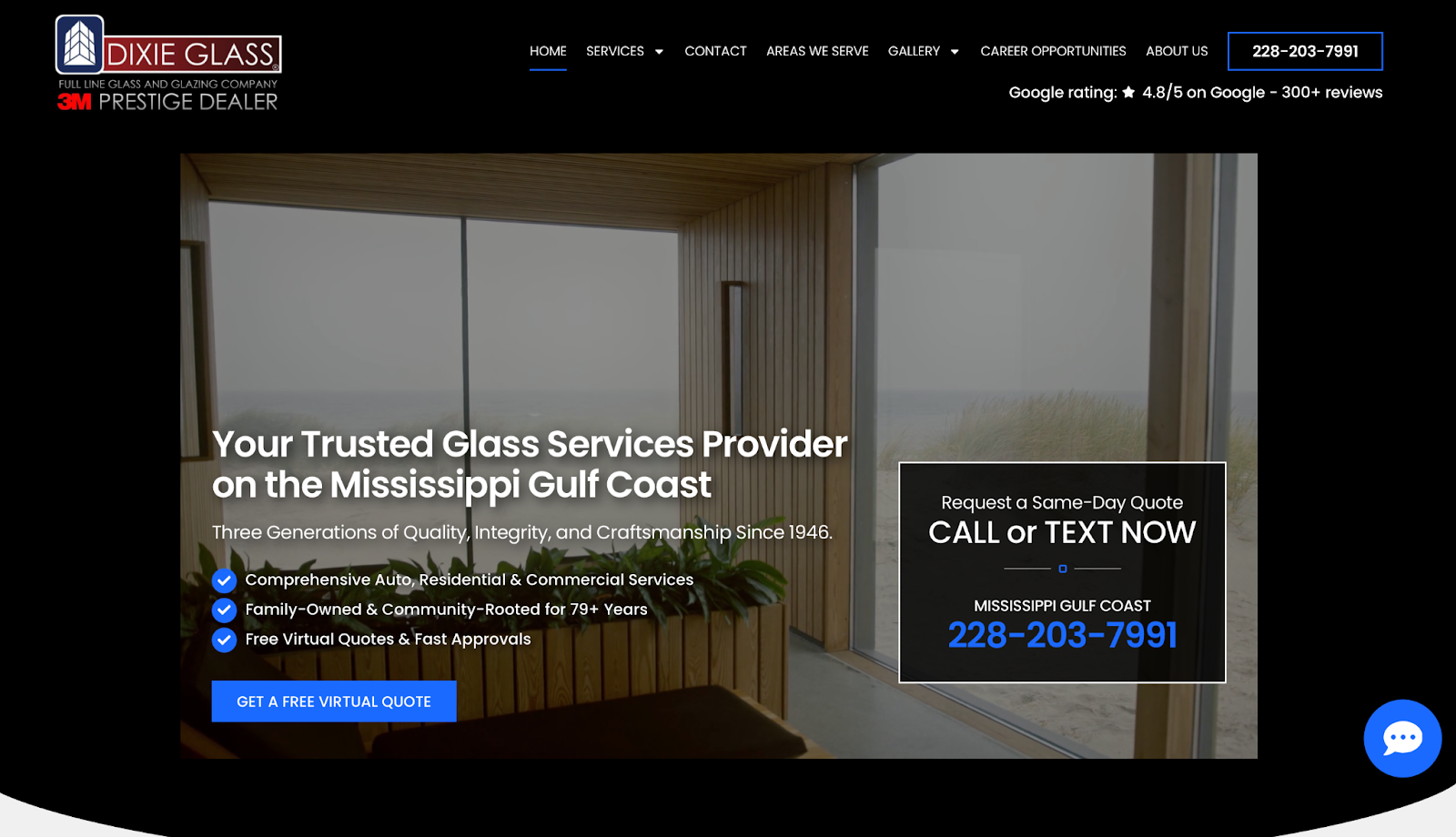
How a third-generation Gulf Coast glass company drove 76% more conversions after we rebuilt their site.
Dixie Glass needed a website that could support both organic search and paid campaigns. Lithium replaced thin pages with clearer service content, improved PPC landing-page structure, and strengthened the SEO foundation so more visitors had a useful reason to inquire.
More conversions
Organic traffic growth
Search visibility growth
DIXIE GLASS | WEBSITE REBUILD CASE STUDY

Web design for businesses where the next inquiry matters
Clearwater businesses serve a mix of home services, healthcare, hospitality, legal, marine, retail, and professional services. The site has to explain the category quickly, show why the company is credible, and support the action that matters most for that service.
Home-service websites need to handle emergencies, estimates, maintenance, and larger projects. HVAC, plumbing, roofing, restoration, and remodeling pages should show reviews, service areas, financing notes, photos, and local SEO structure clearly.
Medical and dental sites need to make appointments feel understandable. Provider bios, services, insurance details, reviews, accessibility, forms, and location information should help patients decide without feeling rushed.
Construction and trade websites should make the estimate request feel informed. Galleries, project types, materials, service pages, credentials, reviews, and process notes help visitors understand quality before they reach out.
Professional services sell expertise and fit. We structure pages for practice areas, credentials, team experience, industries served, review proof, intake questions, and consultation steps so a cautious prospect can choose confidently.
Hospitality and retail sites need to answer practical questions immediately. Menus, hours, reservations, events, inventory, directions, reviews, and photos should stay consistent across the website and public profiles.
Auto repair, marine, fleet, and equipment businesses need service pages that support urgent and planned decisions. Menus, estimates, financing notes, warranties, reviews, and PPC-ready landing pages help visitors move from comparison to contact.
Specialty retail websites have to compete with marketplaces and local alternatives. Category pages, brand information, availability cues, store policies, reviews, photos, and directions can make the visit feel worth it.
B2B websites need to support longer research cycles. Capabilities, industries served, process, case context, certifications, service territory, and inquiry routing help a qualified buyer understand whether the company belongs on the shortlist.
From kickoff to launch in six to nine weeks, with weekly decisions instead of mystery delays.
The project is managed in clear phases so the site does not become a surprise at the end. Strategy, content, design, build, QA, launch, and handoff each have decisions your team can review.
Discovery & strategy
We begin by learning what the website has to change. Services, margins, audiences, current analytics, search visibility, competitors, proof assets, sales objections, and follow-up workflows all shape the structure.
Information architecture & content plan
The planning phase turns strategy into a sitemap, URL structure, page outlines, schema notes, analytics events, and SEO requirements. That gives design a clear foundation instead of a loose list of sections.
Design direction
Design starts from the approved page plan. We create the visual system, responsive layouts, Elementor components, media direction, forms, and proof sections around the content visitors need to compare the business.
Build, content, integrations
We build the site in Elementor on WordPress and write SEO-optimized copy in parallel. The build phase also includes forms, GA4 events, call tracking, Google Ads conversion tags, Google Business Profile alignment, schema, and any CRM or booking integrations needed to make leads trackable.
QA, launch, indexing
Launch QA covers more than proofreading. We test mobile layouts, forms, phone links, redirects, schema, analytics events, conversion tags, page speed, indexing settings, and Search Console so the site is ready for real users.
30 / 60 / 90-day tracking
After launch, we watch traffic, forms, calls, rankings, crawl issues, page speed, and user behavior. Early monitoring helps catch broken assumptions before the site has been live long enough to waste good opportunities.
Engineered to surface in Google AI Overviews, ChatGPT, Perplexity, and Claude when buyers ask.
Search is no longer limited to ten blue links. A Clearwater site needs crawlable SEO structure, clear service facts, consistent entity signals, and content that AI systems can summarize accurately.
Quotable answer blocks
Useful sections do not bury the answer. We open with the direct response, then add context, proof, limits, and next steps so visitors and AI systems can understand the page more quickly.
Fact density and citations
Generic copy makes companies sound interchangeable. We look for real service details, pricing factors, process notes, proof, team credentials, policies, examples, and review themes that make the page more useful.
Schema for generative engines
Structured data helps search systems read the site more cleanly. We use LocalBusiness, Service, FAQPage, BreadcrumbList, Review, and Article markup when the visible content supports those details.
Brand consistency across the web
Consistent business facts matter across profiles, reviews, directories, ads, and the website. We align names, categories, services, locations, and descriptions so search and answer systems see fewer contradictions.
Topical authority and entity coverage
A useful site explains the decision from several angles. Service pages, FAQs, comparisons, project examples, proof, and internal links help visitors understand the business without forcing the same phrase into every section.
llms.txt + AI crawler controls
AI crawler guidance is one small part of a modern technical setup. We review llms.txt, robots.txt, sitemap access, source-page quality, and public facts so important content is easier to identify.
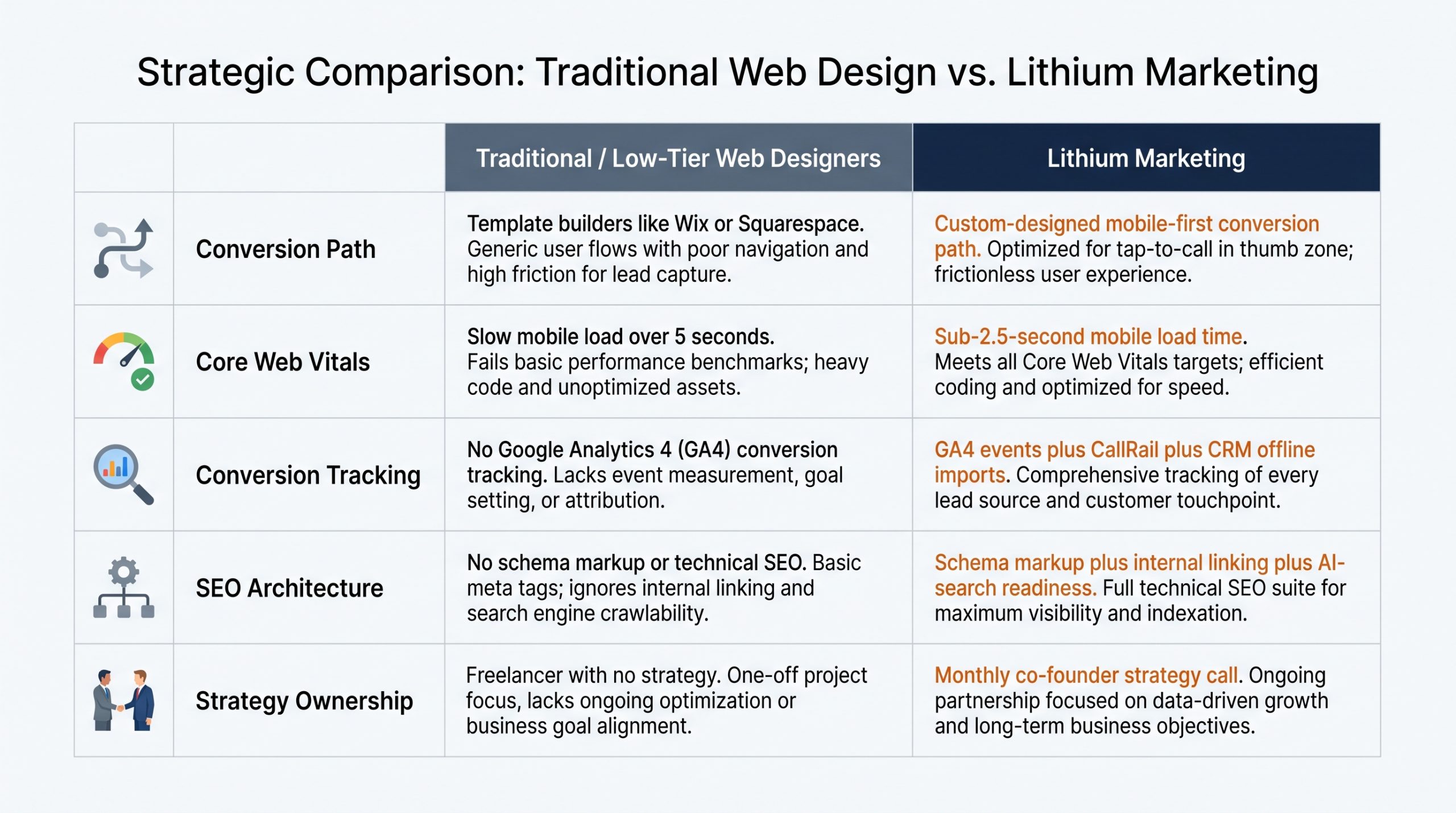
How different web design choices affect inquiries
Service businesses Lithium has built websites for.
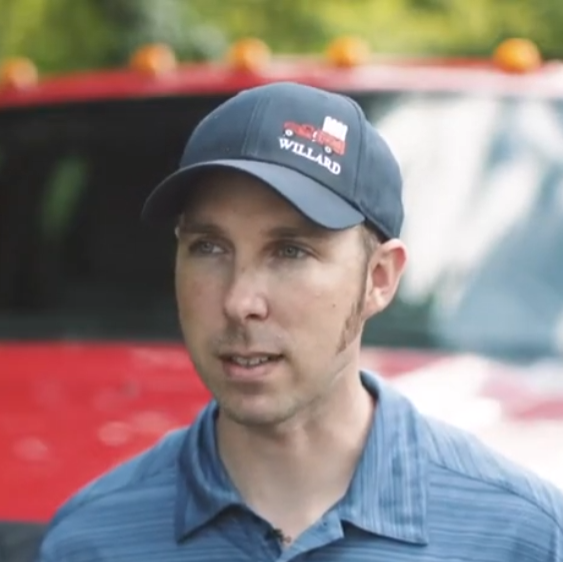
Willard Power Vac
“Lithium Marketing has been amazing for our business. They have greatly increased our web traffic and helped us land hundreds of jobs.”
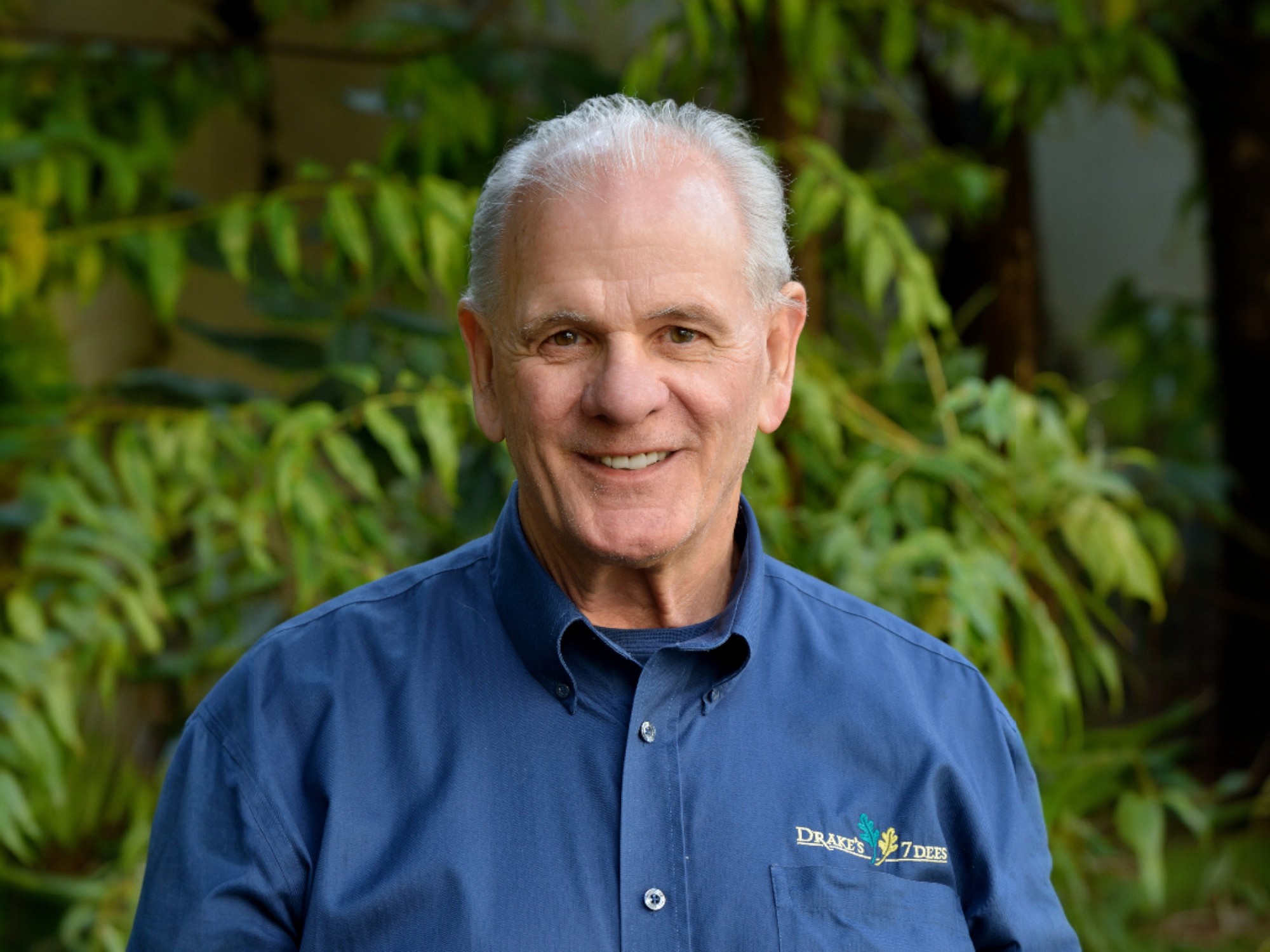
Drake’s 7 Dees
“Lithium has moved us to page 1 in Google search organically.”
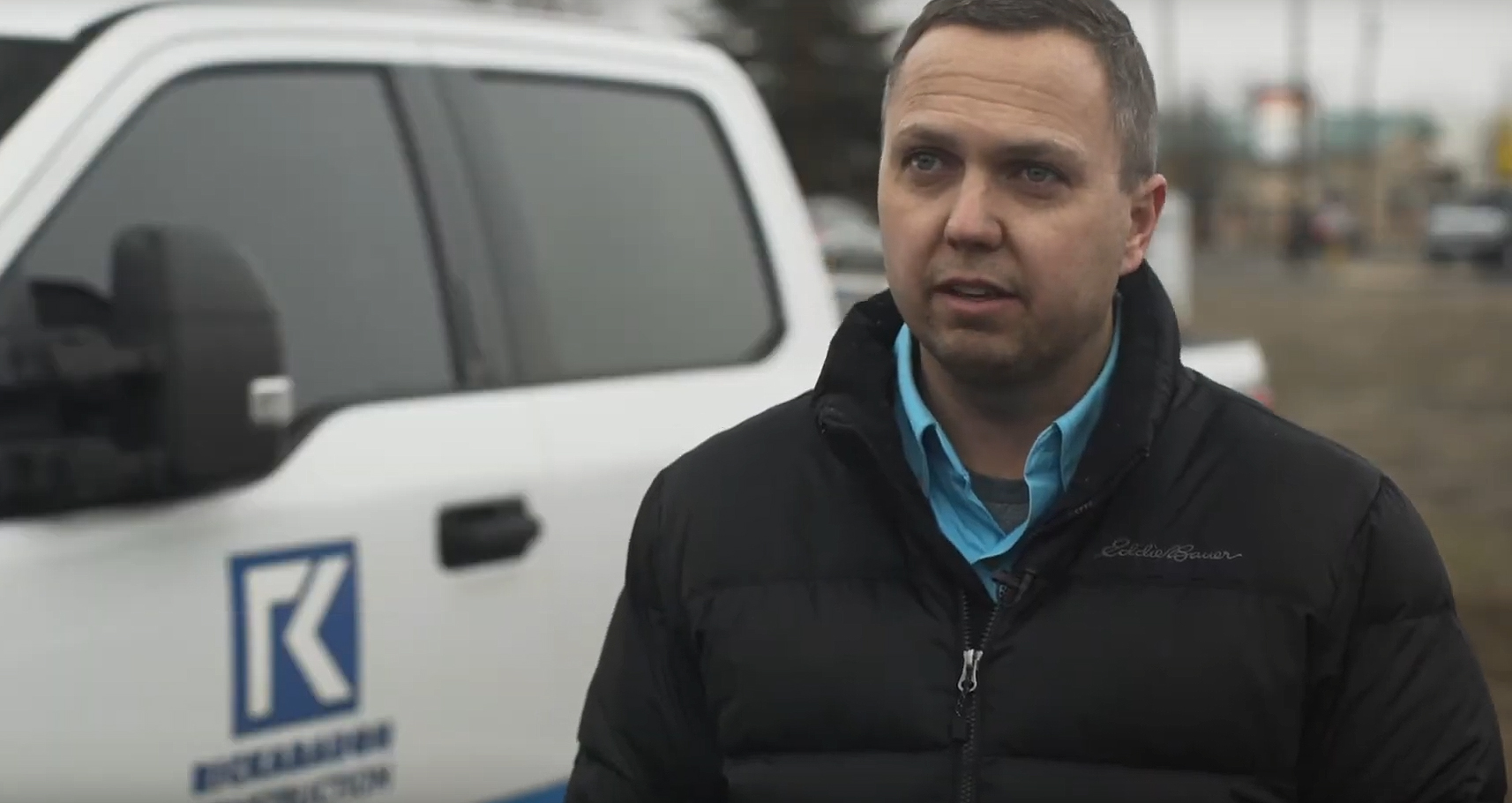
Rickabaugh Construction
“Working with Lithium Marketing has been awesome.”
Clearwater web design FAQs for service businesses.
Most projects need six to nine weeks when strategy, copy, design, build, QA, and launch are handled properly. Larger sites, custom integrations, delayed content, or complex approval processes can extend the timeline. Clear review cycles keep the timeline from drifting.
A redesign can help search when it improves crawl paths, speed, page depth, schema, internal links, and service clarity. It does not replace ongoing SEO, but it can give that work a stronger foundation. That foundation makes later optimization easier to sustain.
Yes. The WordPress build, approved page content, scoped creative assets, and custom work belong to your business. We also prefer that domain, hosting, and key platform accounts remain under your control. That protects the site as a long-term business asset.
Yes. WordPress and Elementor make everyday edits manageable after launch. We provide a walkthrough, keep the structure organized, and can stay involved for technical support, SEO, content, paid campaigns, and conversion improvements. That support keeps routine updates from becoming redesign work.
The right partner is the one with the strategy and process to finish the site well. Lithium works remotely with clear milestones, recorded reviews, shared notes, and senior oversight, including planning for PPC traffic when campaigns are part of the launch.
Most website projects are handled remotely with strategy calls, recorded walkthroughs, written notes, shared documents, and scheduled review rounds. That usually creates a clearer record than trying to solve every decision in a conference room.

Talk through the site with DJ Van Zanten
DJ Van Zanten leads Lithium strategy calls and brings more than two decades of digital marketing experience to the first review. The conversation focuses on the business goal, the current site, and the changes most likely to improve inquiries.
Request a practical website review
We review the issues most likely to affect response: page speed, mobile layout, service clarity, proof placement, forms, phone links, schema, Google Business Profile alignment, analytics events, and campaign readiness.
- No sales pitch
- 30 minutes
- You keep the audit either way