Conway, Arkansas Web Design

Conway Web Design Built Around Calls, Forms, and Trust

A sharper site for buyers who need answers before they reach out.

Your website should help a buyer decide whether your company is the right fit, not just show that the business exists. For Conway education, healthcare, contractors, restaurants, local retail, finance, and professional services, we build pages that explain the offer clearly and make calls, forms, bookings, and quote requests easy to start.

Custom web design services displayed on laptop and phone screens
5.0
Google reviews
Verified 5-star rating across 30+ reviews
Google
Partner
Certified
Vetted search agency in Google's official program
20+
Years
Digital marketing experience under one roof
500+
Service businesses
Helped to grow with SEO across the U.S.
THE SERVICE WEBSITE PROBLEM

A good-looking site still fails when the next step is unclear.

Conway websites have to work for a practical central Arkansas audience: college families, homeowners, clinic patients, commuters, and local business buyers. The site has to explain services without overcomplicating the decision.

In Conway, a useful website feels clear before it feels flashy.

Visitors often arrive with a concrete task already in mind. They may be looking for a contractor, appointment, campus-area service, or local provider after searching phrases like: Conway contractor website design or medical practice website Conway AR The page should respond with plain service language, fast mobile performance, local proof, and a simple action that respects how Conway buyers compare options. before they compare a second provider.

A weak build usually fails quietly. The design may look fine, but service pages are thin, forms are too long, analytics are incomplete, and the structure does not support search or paid traffic after launch.

Slow mobile load = lost lead

Conway visitors may be checking a site between classes, appointments, commutes, or errands. We remove heavy page assets, unstable layouts, and slow mobile behavior so the visitor can understand the offer before attention fades.

No one-tap path to call you

The main action changes by business type. A clinic needs appointment options, a contractor needs quote requests, a restaurant needs practical visit details, and a B2B firm needs qualified forms. The page should not use one generic action everywhere.

Built for looks, not for ranking

The site structure should help search engines understand services and local relevance. Clean URLs, internal links, service pages, schema, page speed, and Google Business Profile consistency give Conway businesses a better foundation for discovery.

No proof above the fold

Visitors need proof that matches their risk. Reviews, staff details, project examples, credentials, campus or community context, and clear service boundaries all help a Conway page feel real instead of interchangeable.

WHAT A CONWAY WEBSITE NEEDS

The practical pieces your site needs before traffic arrives

A Conway website plan starts with the business model: appointments, estimates, visits, applications, consultations, or quote requests. Once that goal is clear, design decisions can support the path instead of decorating around it.

Sub-2.5-second mobile load

Performance work keeps the site light enough for real mobile use. We compress media, reduce unnecessary scripts, stabilize layouts, and test Core Web Vitals so pages can support search, ads, and repeat visitors.

Simple mobile actions for central Arkansas buyers

Mobile actions are designed around the visitor task. A short form, phone button, booking link, menu action, or directions link should appear when the page has answered enough questions to make the action reasonable.

Above-the-fold value proposition

The hero section should state the service, audience, credibility cue, and next action without a long introduction. Conway visitors should know whether the company fits before scrolling into detailed proof.

SEO-ready architecture

URL structure, header hierarchy, internal links, and schema markup are planned before design starts. When SEO or PPC traffic reaches the site later, the page architecture is ready instead of becoming the bottleneck.

Conway local search structure

Local business details are handled in the build: service areas, NAP consistency, profile alignment, LocalBusiness or Service schema, and pages that describe real coverage without making the site feel inflated.

Real proof, placed where it converts

Proof should match the decision. A healthcare page needs provider trust, a contractor page needs project examples, a restaurant page needs photos and reviews, and a professional firm needs credentials and process clarity.

Tracking that ties leads to revenue

GA4 events fire on every form submission, booking action, and click-to-call. Call tracking connects conversations back to traffic source, and conversion tags are wired to Google Ads before campaigns send paid traffic into the new site.

WCAG-aware, AI-search-ready

Accessible structure helps students, families, local shoppers, crawlers, and AI systems use the same content. We review semantic headings, labels, contrast, keyboard movement, concise answers, and clean source order.

SERVICE-BUSINESS CASE STUDY

How a third-generation Gulf Coast glass company drove 76% more conversions after we rebuilt their site.

Dixie Glass showed how a rebuild can support acquisition instead of just appearance. Lithium clarified services, improved PPC landing pages, and rebuilt the SEO foundation so visitors had clearer reasons to contact the company.

76%

More conversions

18.2%

Organic traffic growth

71.2%

Search visibility growth

DIXIE GLASS | WEBSITE REBUILD CASE STUDY

Mississippi Gulf Coast • Since 1946
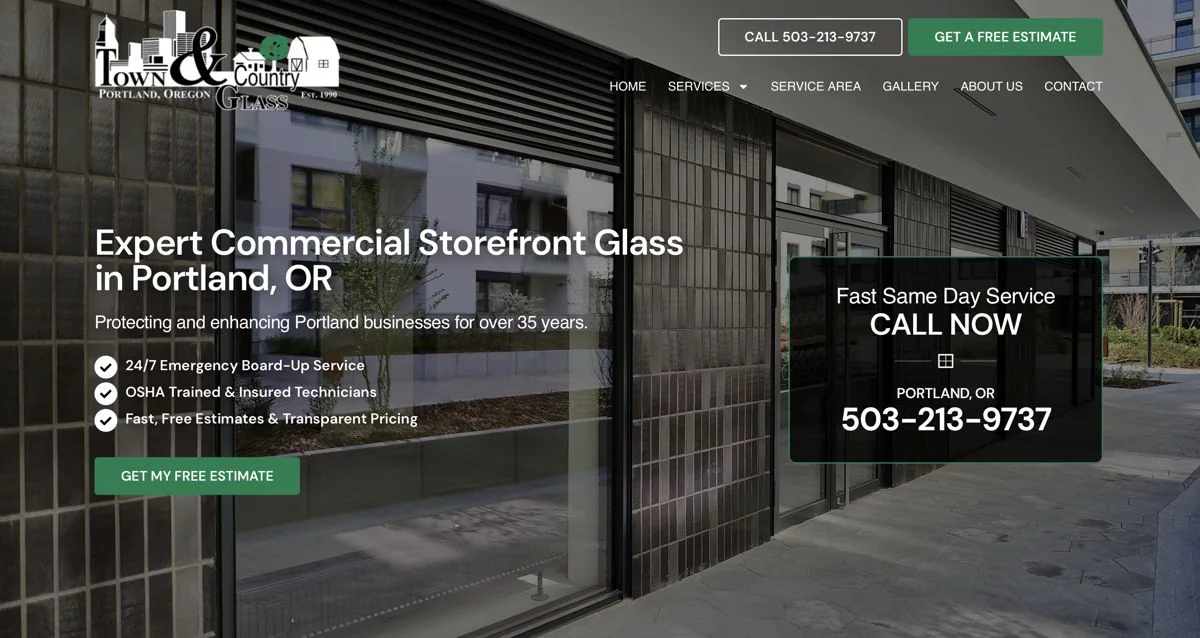
Dixie Glass website rebuilt by Lithium Marketing. A WordPress conversion-focused redesign that replaced an outdated Wix site
Dixie Glass logo
WHO WE BUILD FOR IN CONWAY

Conway service businesses where a stronger website can move revenue.

Conway mixes education, healthcare, trades, retail, restaurants, finance, and professional services. A useful site should feel grounded in that market: direct services, local proof, mobile clarity, and measurement that shows which inquiries matter.

Home services

Home-service sites need to explain availability and fit without forcing a phone call too early. HVAC, plumbing, roofing, electrical, landscaping, cleaning, and remodeling pages need reviews, estimate context, service areas, and SEO structure.

Dental and medical practices

Medical, dental, chiropractic, therapy, counseling, and specialty-care sites should answer patient questions in a calm order. Provider context, appointment types, insurance or payment notes, directions, and reviews belong near the relevant service.

Contractors and construction

Contractor websites in Conway should organize proof by job type. Builders, remodelers, roofers, painters, landscapers, and trade contractors benefit from galleries, materials, warranties, scheduling notes, and estimate forms.

Legal and professional services

Professional-service firms need pages that make the first conversation feel safe. Attorneys, accountants, advisors, banks, insurance offices, and consultants should explain practice areas, process, credentials, and response expectations.

Hospitality and restaurants

Restaurants, coffee shops, venues, caterers, hotels, and event businesses need fast answers: hours, menus, events, reservations, ordering, photos, parking, and maps. The website should support both local visits and campus-area discovery.

Auto services

Auto repair, body shops, tire stores, towing, detailing, glass, and fleet providers often serve urgent needs. Service menus, phone actions, warranty notes, and PPC landing pages help high-intent traffic act faster.

Specialty retail

Retail pages should help shoppers decide whether to stop in. Boutiques, campus-area shops, fitness studios, furniture stores, food sellers, and home-goods retailers need product cues, hours, reviews, and contact options.

B2B services

B2B pages for education support, manufacturing, logistics, staffing, technology, and professional services need capability explanations and trust markers. Buyers need to see industries served, response process, proof, and a qualified inquiry route.

OUR PROCESS

From kickoff to launch in six to nine weeks, with weekly decisions instead of mystery delays.

The project runs in visible stages: align, outline, design, build, test, launch. That cadence keeps Conway owners from approving a layout before content, tracking, and service architecture are settled.

01

Discovery & strategy

Week 1

Discovery reviews services, buyer groups, analytics, search data, current site problems, and the inquiry types the business wants more of. In Conway, we often separate appointment, visit, quote, and consultation goals before design begins.

02

Information architecture & content plan

Week 2

The plan includes sitemap, URL logic, page briefs, conversion events, schema, content priorities, and SEO requirements. The architecture should support local search and paid campaigns before visual design gets too far ahead.

03

Design direction

Week 2–3

Design direction is built from the agreed page roles. We review mobile and desktop layouts, refine around feedback, then apply the system to service pages, proof blocks, FAQs, and conversion sections.

04

Build, content, integrations

Week 3–6

We build the site in Elementor on WordPress and write SEO-optimized copy in parallel. The build phase also includes forms, GA4 events, call tracking, Google Ads conversion tags, Google Business Profile alignment, schema, and any CRM or booking integrations needed to make leads trackable.

05

QA, launch, indexing

Week 6–7

Launch preparation includes form tests, phone clicks, redirects, analytics events, schema validation, Search Console, speed checks, responsive QA, and content review. The site should be ready for real Conway traffic on day one.

06

30 / 60 / 90-day tracking

Post-launch

After launch, we watch which pages earn calls, forms, bookings, and useful sessions. That data guides content, SEO, paid traffic, and conversion improvements instead of guessing from design opinions alone.

AI SEARCH READINESS: AEO + GEO

Engineered to surface in Google AI Overviews, ChatGPT, Perplexity, and Claude when buyers ask.

Conway pages need to be readable to people and machines. Clean SEO architecture, consistent business facts, direct answers, and pages prepared for AI systems help the site show up with fewer mixed signals.

Quotable answer blocks

Answer blocks should sound like a helpful front desk: give the answer, then explain the detail. That format helps visitors scan and gives AI systems source text that is easier to interpret.

Fact density and citations

A Conway page should include details that affect the decision: appointment types, service radius, project size, campus or neighborhood context, payment notes, credentials, and response expectations when they are true.

Schema for generative engines

Schema is planned around the actual page content. Business identity, service categories, FAQs, breadcrumbs, and action details are marked up only when the visible page supports those facts.

Brand consistency across the web

The site should agree with the company profile, reviews, listings, and public mentions. Consistency keeps search results and AI summaries from inventing a different version of the Conway business.

Topical authority and entity coverage

Useful depth depends on the service. A clinic may need provider pages and appointment FAQs; a contractor may need project examples and estimate steps; a restaurant may need menus, events, and ordering details.

llms.txt + AI crawler controls

AI crawler guidance works best after the site itself is clear. We pair llms.txt and robots.txt thinking with source pages that plainly describe services, locations, proof, and ownership.

LITHIUM VS. DIY VS. TYPICAL WEB DESIGNER

What a Conway website build should include

Strategic comparison of traditional web designers vs Lithium Marketing across conversion path, Core Web Vitals, conversion tracking, SEO architecture, and strategy ownership
Capability
DIY Builder (Wix / Squarespace)
Typical Web Designer
Lithium Marketing
Mobile load time
DIY Builder (Wix / Squarespace):
5+ seconds, untuned
Typical Web Designer:
3-5 seconds, theme-defaults
Lithium Marketing:
Sub-2.5 seconds, Core Web Vitals targets met
Inquiry action tied to page purpose
DIY Builder (Wix / Squarespace):
Home page used as landing
Typical Web Designer:
Stock template hero
Lithium Marketing:
Mobile-first hero with tap-to-call + sticky CTA
Conversion tracking
DIY Builder (Wix / Squarespace):
Default Google Analytics only
Typical Web Designer:
GA4 at launch, never audited
Lithium Marketing:
GA4 + CallRail + offline conversion imports from CRM
Schema markup + technical SEO
DIY Builder (Wix / Squarespace):
None
Typical Web Designer:
Plugin-installed, unvalidated
Lithium Marketing:
LocalBusiness + Service + FAQ + Article schema, validated in Rich Results Test
Site-speed monitoring (post-launch)
DIY Builder (Wix / Squarespace):
Never
Typical Web Designer:
Project-based, then handoff
Lithium Marketing:
Ongoing Core Web Vitals monitoring + alerts
Real proof above the fold
DIY Builder (Wix / Squarespace):
Generic stock language
Typical Web Designer:
Logos only, no outcomes
Lithium Marketing:
Outcome stats + client photo, CRO-tested placement
Site ownership
DIY Builder (Wix / Squarespace):
Locked into template platform
Typical Web Designer:
Sometimes you own it
Lithium Marketing:
You own the site, the domain, the CMS, all assets
AI-search readiness
DIY Builder (Wix / Squarespace):
Nothing built in
Typical Web Designer:
Nothing built in
Lithium Marketing:
llms.txt + structured data + quotable answer blocks
Internal linking + SEO architecture
DIY Builder (Wix / Squarespace):
Flat structure, no hierarchy
Typical Web Designer:
Whatever the template gives you
Lithium Marketing:
Topical hub-and-spoke + breadcrumb schema
Strategy ownership across web, SEO, CRO
DIY Builder (Wix / Squarespace):
N/A
Typical Web Designer:
Handed off to a junior at launch
Lithium Marketing:
Monthly co-founder strategy call
REAL CLIENTS, REAL OUTCOMES

Service businesses Lithium has built websites for.

Daniel Busby

Willard Power Vac

“Lithium Marketing has been amazing for our business. They have greatly increased our web traffic and helped us land hundreds of jobs.”

Drake Snodgrass

Drake’s 7 Dees

“Lithium has moved us to page 1 in Google search organically.”

Marc Rickabaugh

Rickabaugh Construction

“Working with Lithium Marketing has been awesome.”

FREQUENTLY ASKED QUESTIONS

Conway web design, straight answers.

Most Conway service-business websites cost $5,000 to $20,000. The final scope depends on page count, copy needs, integrations, media, tracking, SEO structure, and any PPC landing pages tied to lead generation. That range gives room for a serious build without pretending every site needs the same scope.

Most projects take six to nine weeks when decisions and access are available. Strategy and page planning come first, then design, build, content loading, mobile QA, tracking, redirects, schema, and launch review. Content readiness and fast feedback can shorten delays more than rushing development work.

A better site can improve ranking potential by cleaning up service pages, crawl paths, internal links, speed, schema, and local proof. Ongoing SEO still matters after launch when the market is competitive. The launch should give later optimization a cleaner base to build from.

Yes. Your business owns the scoped WordPress build, page content, approved creative assets, and custom work created for the project. Hosting, domain, analytics, and profile access should also remain under your control. Clear ownership also makes future support, hosting changes, and reporting easier to manage.

Yes. Elementor makes normal content edits visual after launch. We provide a walkthrough of the actual site, and Lithium can stay involved for technical help, SEO, paid traffic, new content, or conversion work. That keeps normal updates practical without turning every change into a developer request.

Remote work fits Conway projects well because reviews, notes, Loom videos, and shared docs keep decisions clear. The process also helps when the site must support forms, analytics, content updates, and PPC traffic after launch.

Lithium plans the site around business outcomes before design decoration. SEO shapes the sitemap and service pages, while PPC needs shape any landing pages that may receive paid traffic. That keeps acquisition needs visible while the design system is being built.

Most Conway projects run remotely. Calls, screen recordings, shared notes, and milestone reviews usually cover the work clearly. If an in-person session is truly needed, it can be discussed during scope planning. The goal is a clear decision trail, not more meetings than the project needs.

MEET THE CO-FOUNDER

Your Conway website review is led by DJ Van Zanten

DJ has more than twenty years of digital marketing experience and has consulted with over 1,000 service businesses. He leads the strategy call so the first review connects the site to search, paid traffic, and inquiry quality.

Get a focused Conway website review

The review looks at mobile speed, service-page clarity, proof, forms, schema, analytics events, Google Business Profile alignment, search structure, and the places where Conway visitors may be leaving before they contact you.

Scroll to Top