
Fort Worth Web Design for Companies That Need Better Calls
Build a site that works in a competitive local market.
Fort Worth service businesses need websites that make a fast case for fit. We design around clear offers, strong service pages, useful proof, measurable calls and forms, and local search structure that helps serious visitors choose the business sooner.
- Google Partner certified
- Meta Business Partner
- 5.0 ★ across 30+ Google reviews
- 100+ clients served nationwide
- $10M+ in Google Ads managed
- Marketing services since 2010
Partner
Big-market traffic disappears when the page lacks clarity.
Fort Worth buyers move through a crowded metro market where service companies compete with local specialists, larger Dallas-Fort Worth brands, and paid listings. A website has to make the business understandable, credible, and easy to contact before the visitor keeps comparing.
“ A large market rewards pages that answer quickly and prove fit.
High-value searches usually happen when someone is trying to choose a provider, not admire a design. A visitor may be comparing practical phrases with strong intent, including: Fort Worth HVAC website design or Fort Worth law firm web design Those visitors need pages that load fast, name the service plainly, show proof near important claims, and keep contact actions close. If the page feels generic or slow, the next result can win the conversation.
Good design is not enough by itself. The site also needs search structure, clear copy, reliable forms, analytics events, launch checks, and a practical plan for improving the pages after real visitors start using them.
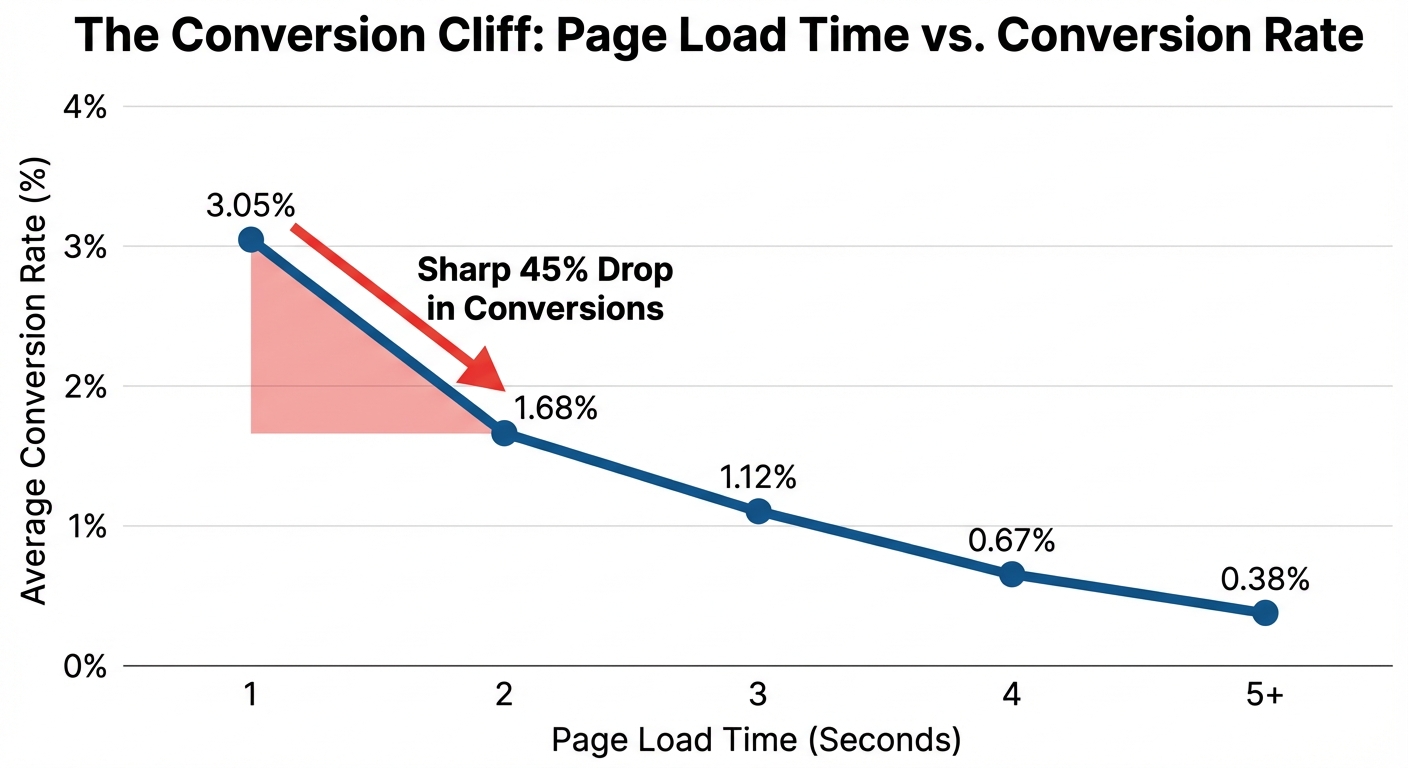
Slow mobile load = lost lead
Mobile speed affects credibility before a visitor reads the offer. Heavy media, shifting sections, and slow scripts can make a strong company feel unreliable, especially when a Fort Worth buyer has several similar tabs open.
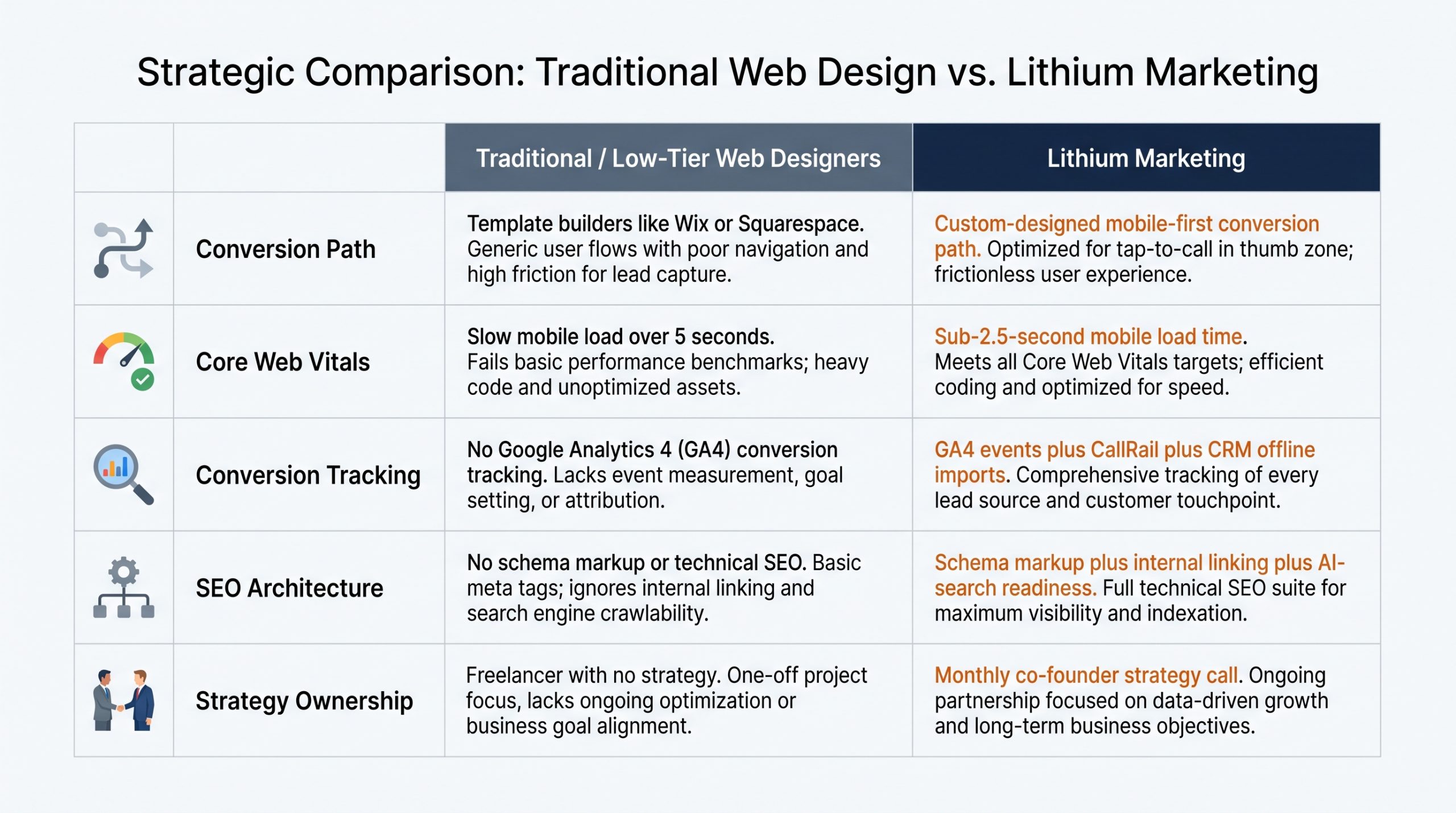
No one-tap path to call you
The next step should be easy to find and easy to understand. Calls, quote requests, booking links, and short forms need to appear at natural decision points without forcing the visitor through a maze.
Built for looks, not for ranking
Search-ready structure has to be planned into the build. Clean URLs, schema, Core Web Vitals, internal links, service pages, and Google Business Profile consistency help the site support local visibility after launch.
No proof above the fold
Proof has to arrive while the visitor is deciding. Reviews, job photos, credentials, service details, guarantees, process notes, and clear service-area language make the page feel accountable instead of decorative.
The best service sites combine clarity, speed, and measurement.
A Lithium build starts with positioning, conversion goals, mobile performance, readable service content, clear primary actions, search structure, proof placement, accessibility basics, and tracking. The design supports those decisions rather than replacing them.
Sub-2.5-second mobile load
Performance work covers image weight, scripts, layout stability, caching, and the metrics that affect mobile usability. We test on realistic conditions because a Fort Worth visitor comparing providers will not wait for a heavy page.
Mobile Actions Stay Within Reach
Calls, estimate requests, scheduling links, and forms stay close to the service details and proof that support them. A visitor should always understand how to move forward without being interrupted by aggressive design.
Above-the-fold value proposition
The hero section has to do useful work fast. It should identify the service, audience, differentiator, proof, and primary action without relying on vague slogans or visuals that say nothing about the company.
SEO-ready architecture
Local SEO Is Part Of The Build
We align name, address, phone details, services, categories, and service-area language with Google Business Profile and core listings. Schema helps search engines read those facts when the visible page supports them.
Real proof, placed where it converts
Trust is built from relevant evidence. Reviews, certifications, project photos, team context, process details, and realistic promises should sit near the sections where a buyer is deciding whether to make contact.
Tracking that ties leads to revenue
GA4 events fire on every form submission, booking action, and click-to-call. Call tracking connects conversations back to traffic source, and conversion tags are wired to Google Ads before campaigns send paid traffic into the new site.
WCAG-aware, AI-search-ready
Accessibility and clarity support every visitor. We plan semantic HTML, contrast, keyboard movement, direct answer blocks, and clean copy so AI systems planning and traditional search both have a clearer source.
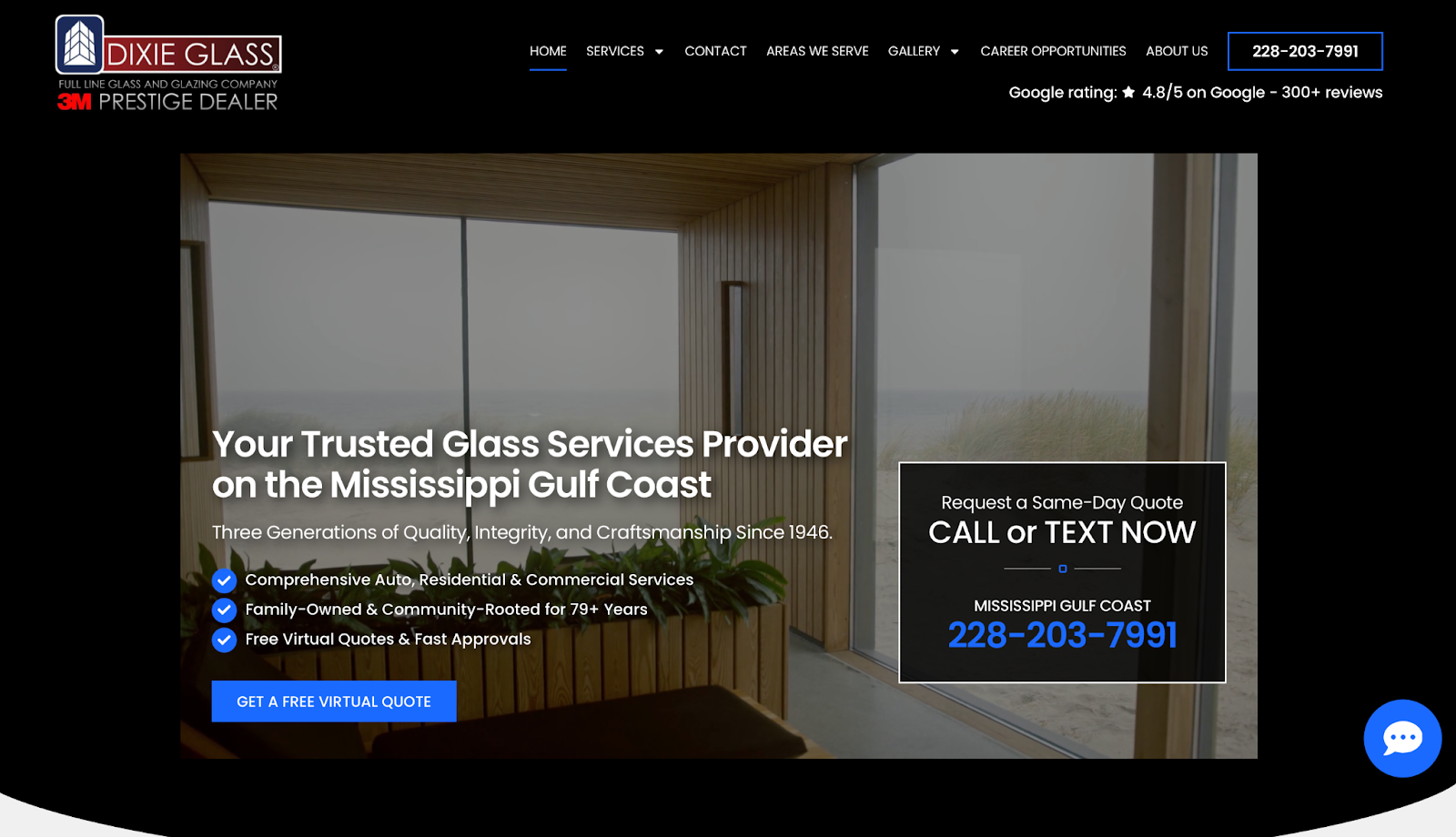
How a third-generation Gulf Coast glass company drove 76% more conversions after we rebuilt their site.
Dixie Glass needed more than a prettier site. Lithium rebuilt the WordPress experience around clearer quotes, stronger measurement, and coordinated PPC campaigns plus SEO work. Conversions increased 76 percent in twelve months while organic visibility improved sharply.
More conversions
Organic traffic growth
Search visibility growth
DIXIE GLASS | WEBSITE REBUILD CASE STUDY

Service companies win when the site makes decisions easier.
The Fort Worth market includes fast-growing home services, healthcare, legal, construction, hospitality, retail, and B2B firms. A useful site should make services easy to understand, proof easy to find, and contacts easy to measure.
HVAC, plumbing, electrical, roofing, restoration, cleaning, and remodeling companies need pages that match urgent and planned searches. Service categories, review proof, location clarity, and Fort Worth SEO architecture help those pages compete.
Healthcare, dental, therapy, and specialty practices need calm, clear pages. Provider information, appointment options, insurance notes, patient reviews, directions, and service explanations help visitors decide whether to call.
Contractors, builders, remodelers, painters, and specialty trades need evidence that matches the job type. Galleries, project categories, estimate language, warranty notes, and service areas help attract better-fit requests.
Law firms, accountants, consultants, insurance teams, and advisors need websites that earn confidence. Practice areas, credentials, process, fees or consultation context, and next steps should be easy to evaluate.
Restaurants, venues, hotels, caterers, and hospitality groups need pages that handle practical decisions quickly. Menus, reservations, events, maps, parking, photos, and reviews all need to work smoothly from mobile.
Auto repair, collision, detailing, tire, towing, and fleet sites often serve time-sensitive visitors. Service pages, quote actions, review proof, warranty details, and PPC landing pages can turn urgent searches into calls.
Specialty retailers need to show inventory, location, brand story, product fit, and customer proof before a shopper visits. The site should support both local discovery and in-store decisions.
Industrial, logistics, technology, construction, and professional firms need capability pages that feel credible before pricing is requested. We connect industries served, proof, certifications, process, and qualified forms.
From kickoff to launch in six to nine weeks, with weekly decisions instead of mystery delays.
The project moves through visible stages: research, decisions, design, build, review, launch, and improvement. That cadence keeps the work practical and prevents the final site from feeling disconnected from the original business goal.
Discovery & strategy
Discovery reviews services, buyers, inquiry value, current analytics, Search Console, competitors, and conversion gaps. The goal is to define the business result the Fort Worth site needs to improve before wireframes begin.
Information architecture & content plan
Planning sets the sitemap, URL structure, content outline, schema needs, and local SEO priorities. The site architecture is shaped around search intent and conversion before design details take over.
Design direction
Design translates the strategy into desktop and mobile screens. We refine the direction from feedback, then apply the approved system across service pages, proof sections, and calls to action.
Build, content, integrations
We build the site in Elementor on WordPress and write SEO-optimized copy in parallel. The build phase also includes forms, GA4 events, call tracking, Google Ads conversion tags, Google Business Profile alignment, schema, and any CRM or booking integrations needed to make leads trackable.
QA, launch, indexing
Launch checks cover mobile layouts, forms, phone clicks, redirects, schema, analytics events, conversion tags, Search Console, speed, and page behavior. The point is to catch practical issues before real visitors do.
30 / 60 / 90-day tracking
After launch, we watch how the site performs. Traffic, search movement, form quality, phone calls, Core Web Vitals, and service-page behavior tell us where the next improvement should happen.
Engineered to surface in Google AI Overviews, ChatGPT, Perplexity, and Claude when buyers ask.
AI search visibility depends on clear sources. Strong SEO structure, consistent entity facts, reviews, and AI systems support help answer engines understand what the business does.
Quotable answer blocks
Direct answers make the page easier to scan. We write important sections so people get the point first, while AI systems receive language that is easier to interpret.
Fact density and citations
Specific details make a service page believable. Services, service areas, credentials, dates, examples, policies, project types, and pricing context help a visitor judge fit without reading vague claims.
Schema for generative engines
Schema supports the visible content with structured facts: business identity, services, FAQ answers, breadcrumbs, articles, and action details. We validate markup rather than assuming it helps because it exists.
Brand consistency across the web
Public consistency matters. We align the site with profiles, reviews, listings, and other mentions so search systems and AI tools see one coherent business instead of mixed facts.
Topical authority and entity coverage
A strong site covers the decision with connected pages. Service content, supporting guides, FAQs, proof, and internal links create depth without repeating the same generic message.
llms.txt + AI crawler controls
AI crawler guidance can be planned through llms.txt and robots.txt when the business needs that control. The files work best when the site already has clear source pages worth using.
A web design choice should change how buyers act.
Service businesses Lithium has built websites for.
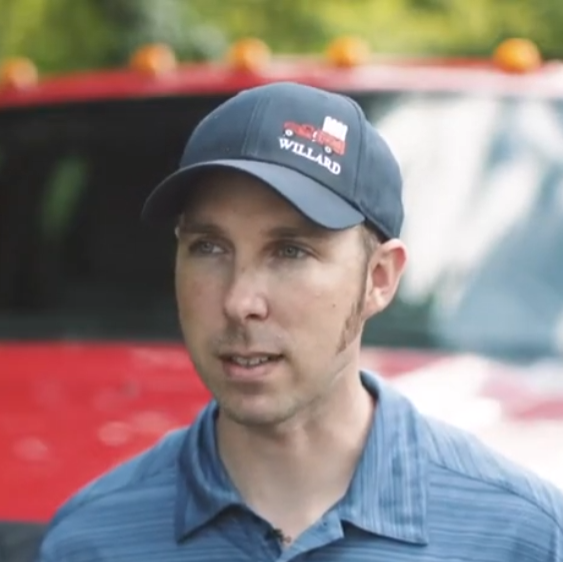
Willard Power Vac
“Lithium Marketing has been amazing for our business. They have greatly increased our web traffic and helped us land hundreds of jobs.”
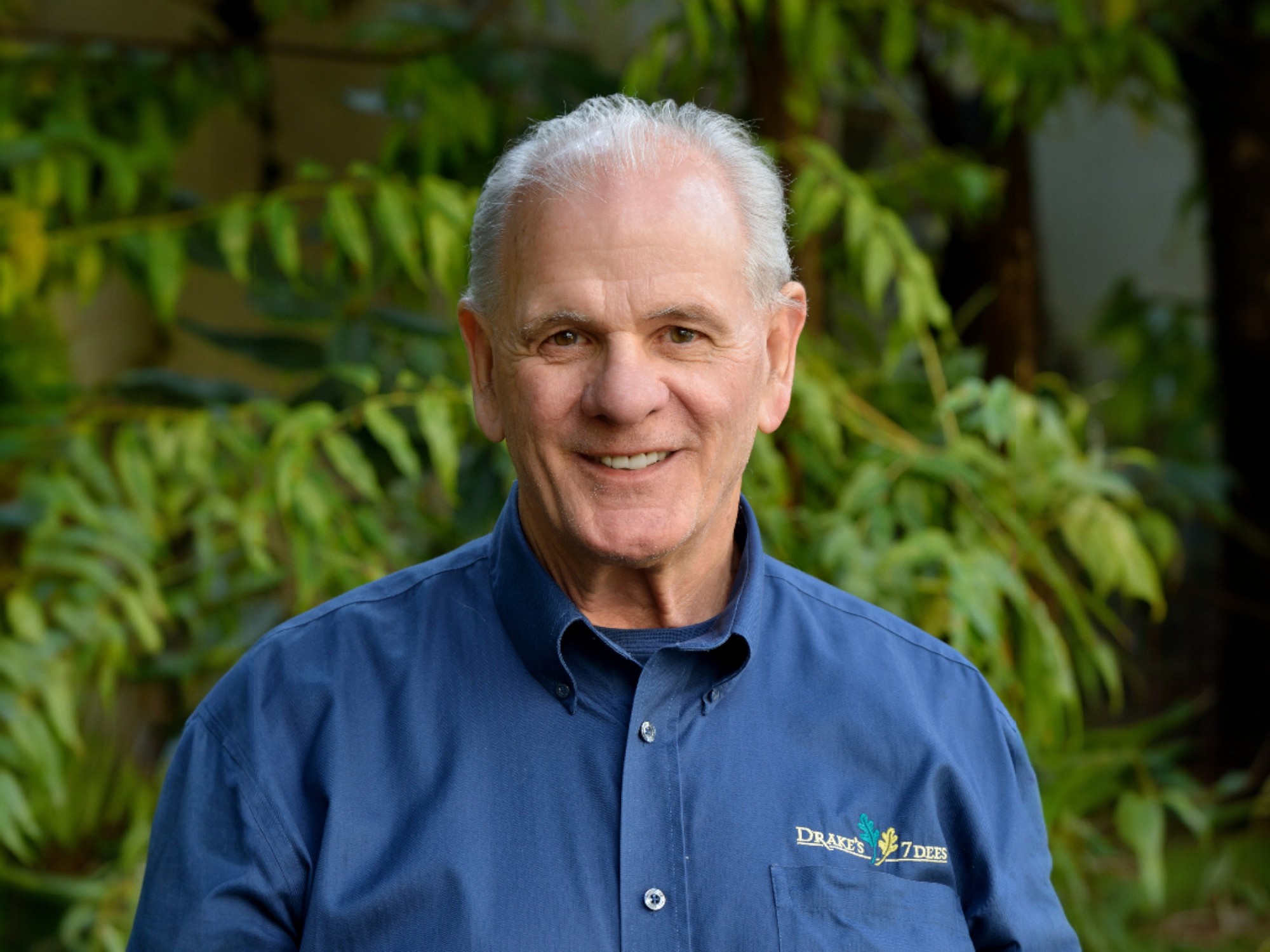
Drake’s 7 Dees
“Lithium has moved us to page 1 in Google search organically.”
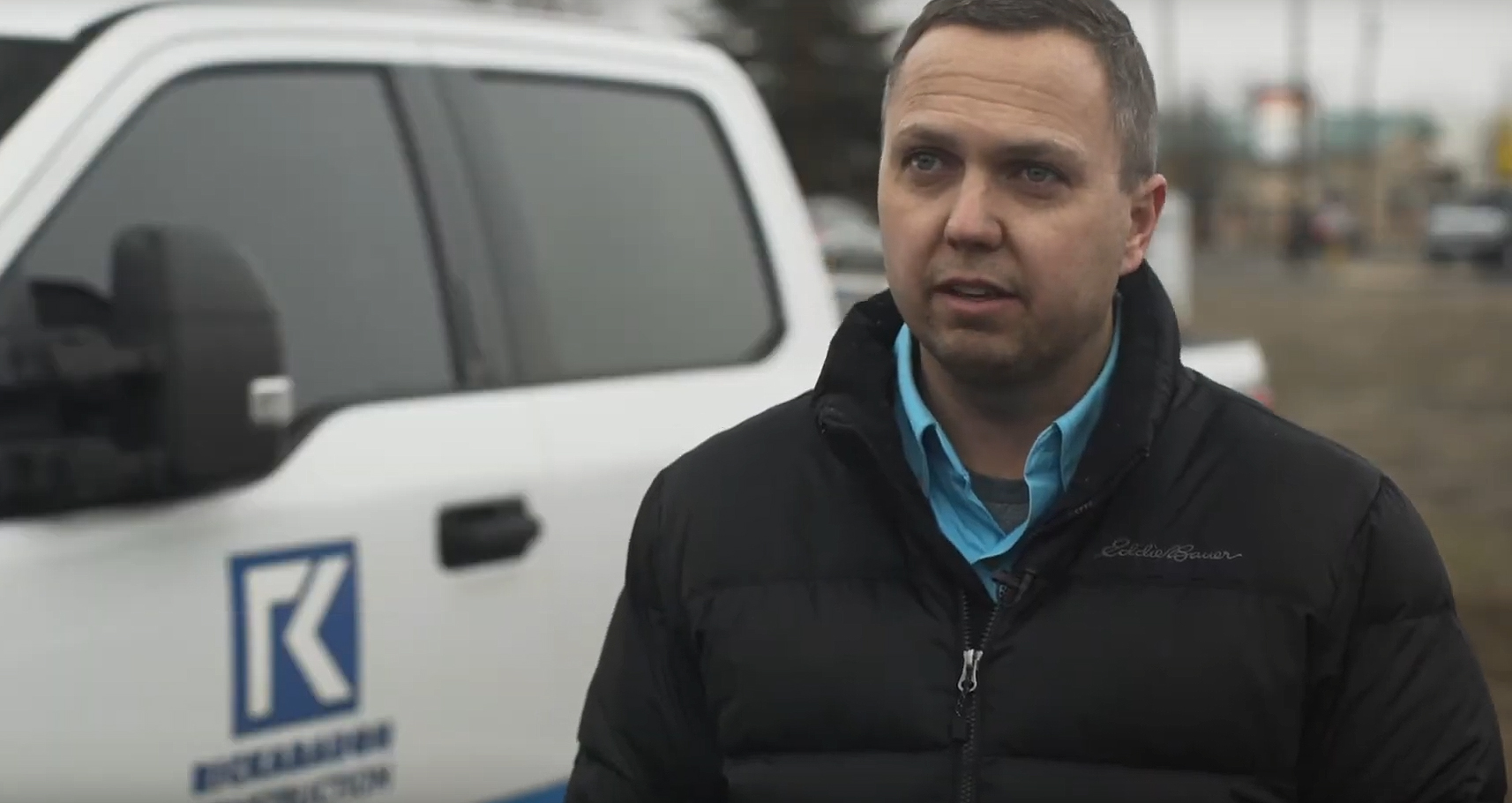
Rickabaugh Construction
“Working with Lithium Marketing has been awesome.”
Fort Worth web design questions, answered directly.
Most projects take six to nine weeks. Strategy and content direction come first, then design and development. Launch preparation checks mobile layouts, forms, speed, redirects, schema, analytics events, and conversion tracking before the site is published.
A new site can improve the foundation for ranking when it includes crawlable service pages, internal links, schema, Core Web Vitals targets, proof, and consistent business data. It should support ongoing SEO rather than pretend design alone can solve visibility.
Yes. The business owns the WordPress build, page content, approved creative assets, and custom work included in the project scope. Domain and hosting control should remain with the business so the site stays a real company asset.
Yes. We build in WordPress with Elementor so your team can make normal visual edits after launch. Lithium can also help with ongoing technical support, content, search, paid traffic, and conversion improvements if you want continued support.
A strong remote process matters more than sharing an office address. Lithium is based in Portland and works with service businesses in competitive markets across the country. For Fort Worth companies, we bring buyer research, measurement, search structure, and paid traffic planning when the project needs it.
Most Fort Worth projects run remotely. Calls, Loom reviews, shared documents, project notes, and email keep decisions clear without adding travel delays. If a project has a specific reason for an in-person session, that can be discussed during scope planning.
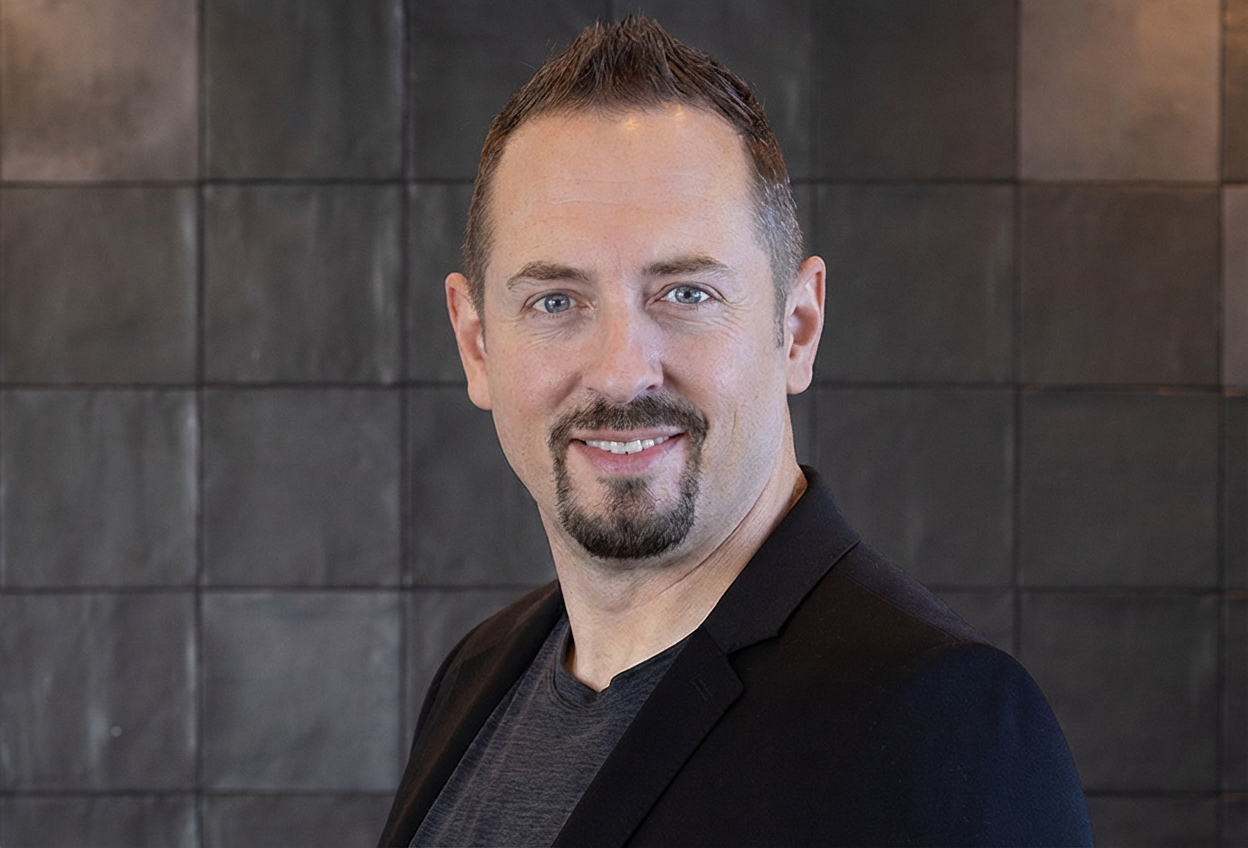
Your strategy call is led by DJ Van Zanten.
DJ has more than twenty years of digital marketing experience and has consulted with over 1,000 service businesses. He leads the first strategy call himself, so the review begins with the person responsible for the plan.
Get a free Fort Worth website review.
The review looks at speed, mobile layout, CTA placement, service clarity, proof, schema, Google Business Profile alignment, analytics events, and the points where serious visitors leave before calling or submitting a form.
- No sales pitch
- 30 minutes
- You keep the audit either way