
Lincoln Web Design for Service Businesses That Need Action
Websites built to clarify services and support measurable contact.
Lincoln businesses need websites that work for local comparison and repeated service decisions. We build pages that explain the offer, support search structure, load quickly on mobile, show proof, and make calls, forms, bookings, and quote requests easier to start.
- Google Partner certified
- Meta Business Partner
- 5.0 ★ across 30+ Google reviews
- 100+ clients served nationwide
- $10M+ in Google Ads managed
- Marketing services since 2010
Partner
A visitor should not need to decode the offer.
Lincoln buyers compare providers across healthcare, trades, education, restaurants, professional services, and local retail. The website has to explain the offer, show proof, support search visibility, and make contact clear before the visitor keeps browsing.
“ The best service site makes the next step feel obvious and earned.
The searches that matter are usually practical and tied to a decision. A homeowner, patient, student, business owner, or facilities manager may be comparing providers with phrases like these: Lincoln NE HVAC website design or Lincoln dental website redesign Those visitors need fast mobile pages, straightforward service language, proof near the claims, and contact options that do not require searching through menus. Design should make the decision easier, not just prettier.
When pages are thin, forms are hidden, and tracking is unclear, even qualified traffic becomes hard to learn from. A stronger site connects content, local structure, design, analytics, and launch QA before the first visitor arrives.
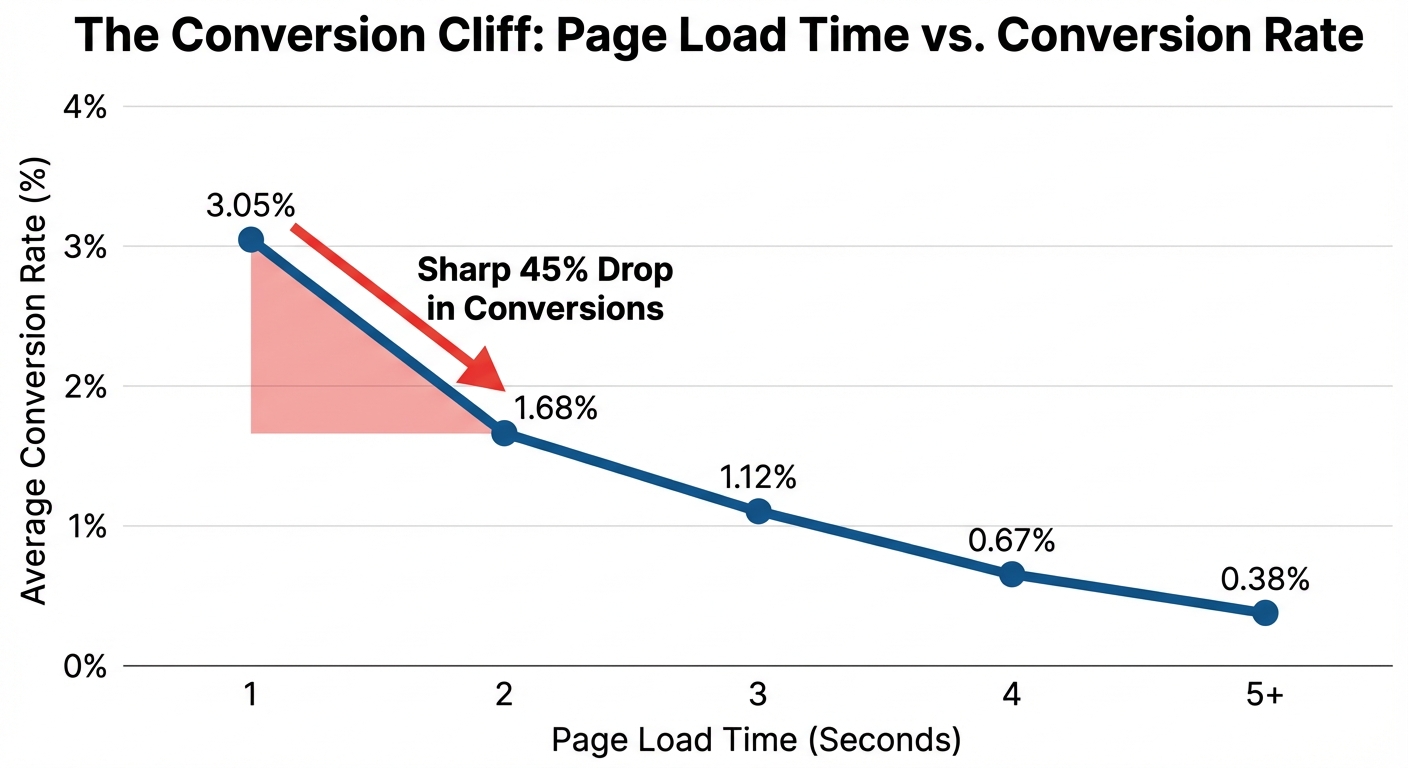
Slow mobile load = lost lead
A slow mobile page weakens the first impression before the visitor understands the service. We review media weight, scripts, hosting, layout shifts, and responsive behavior so the site feels usable on the devices buyers rely on.
No one-tap path to call you
Contact actions should sit near the decision, not just in the navigation. Calls, forms, booking links, and quote requests need to appear alongside service details, proof, and FAQs where a visitor is ready to act.
Built for looks, not for ranking
Technical structure supports visibility and usability. Clean URLs, schema, service pages, internal links, Core Web Vitals, and Google Business Profile consistency help search systems understand what the Lincoln business offers.
No proof above the fold
Proof should answer the visitor’s quiet objections. Reviews, project examples, staff credentials, photos, warranties, process details, and service-area clarity help the page feel grounded instead of generic.
The essentials behind a stronger local service site.
Each build starts with the foundations that affect real inquiries: positioning, service architecture, fast mobile pages, clear contact actions, local search structure, accessibility basics, proof placement, and tracking that shows visitor behavior.
Sub-2.5-second mobile load
Performance is planned before the site is assembled. Images, fonts, scripts, hosting behavior, layout stability, and responsive sections are reviewed so Lincoln visitors can move from headline to contact without unnecessary delay.
Phone-first actions for mobile
Mobile layouts should keep the next step within reach. Calls, quote requests, appointments, and forms stay accessible as visitors move through services, proof, questions, and pricing or process context.
Above-the-fold value proposition
The hero should answer what the business does, who it serves, why the visitor should believe it, and what action comes next. We avoid stock language that forces buyers to hunt for the actual service.
SEO-ready architecture
Local search foundations
Business identity should stay consistent across the website, Google Business Profile, and important listings. LocalBusiness and Service schema support that clarity, while service pages explain real coverage and offers.
Real proof, placed where it converts
Proof belongs close to the promise. Reviews, credentials, project photos, team experience, awards, warranties, and process notes help a skeptical visitor decide whether the business is worth contacting.
Tracking that ties leads to revenue
GA4 events fire on every form submission, booking action, and click-to-call. Call tracking connects conversations back to traffic source, and conversion tags are wired to Google Ads before campaigns send paid traffic into the new site.
WCAG-aware, AI-search-ready
Accessible structure helps visitors, crawlers, and AI systems use the page. We review headings, contrast, form labels, keyboard behavior, concise answers, and source structure so important details are easier to interpret.
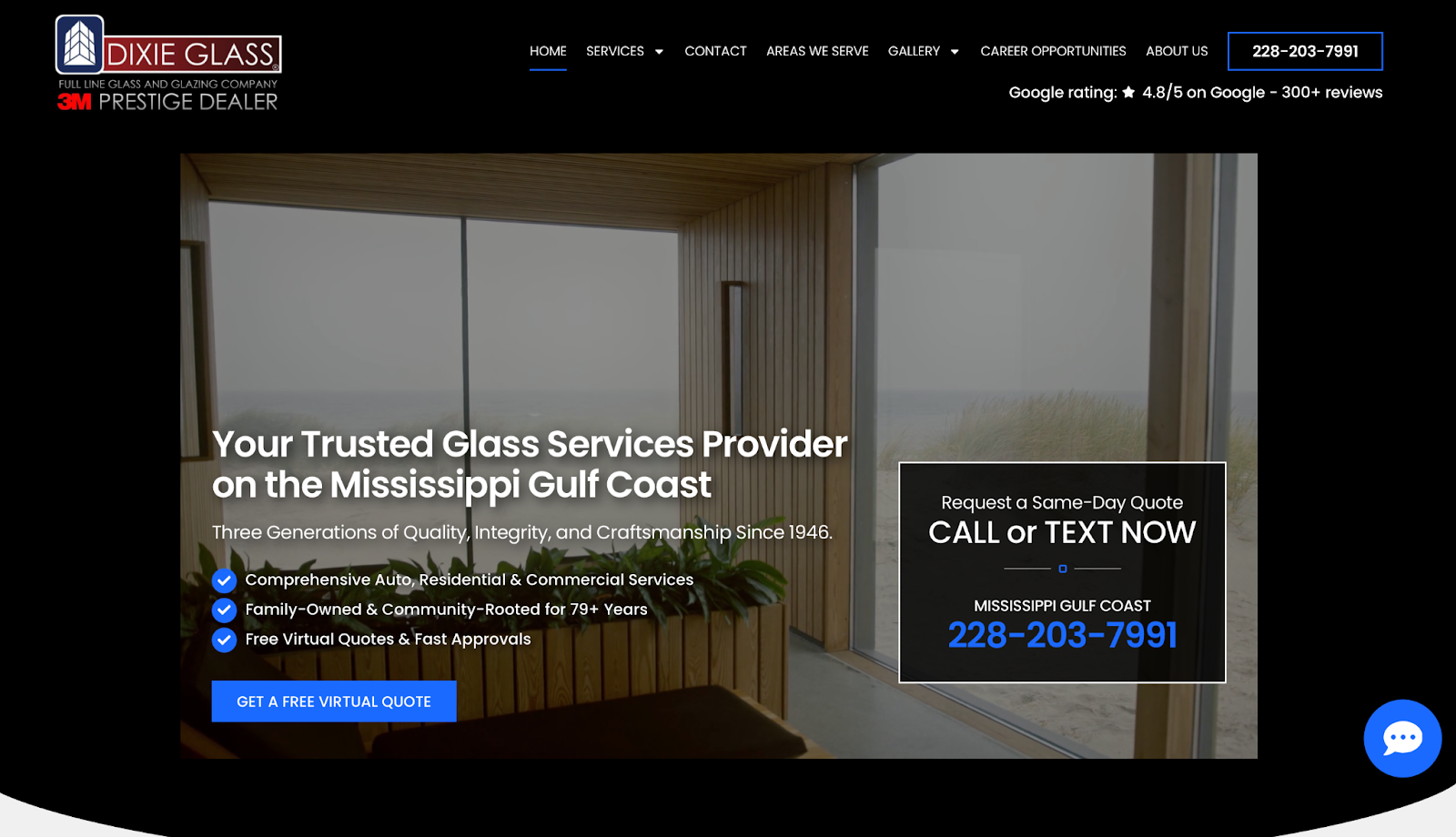
How a third-generation Gulf Coast glass company drove 76% more conversions after we rebuilt their site.
Dixie Glass needed a site that could support measurable acquisition, not just a fresher look. Lithium rebuilt the experience around clearer services, focused PPC landing pages, and a stronger SEO foundation so shoppers had fewer reasons to leave before contacting the company.
More conversions
Organic traffic growth
Search visibility growth
DIXIE GLASS | WEBSITE REBUILD CASE STUDY
Service sites for local decisions that happen quickly
Lincoln’s mix of university, government, healthcare, trades, restaurants, retail, and professional services creates practical website needs. A useful site should make the service, proof, location fit, and next step clear for people comparing real options.
Home-service websites need to support emergencies and planned improvements. HVAC, plumbing, electrical, roofing, restoration, landscaping, remodeling, and cleaning companies need reviews, service-area clarity, estimate language, and SEO structure that supports discovery.
Healthcare, dental, therapy, chiropractic, and wellness practices need pages that help patients understand appointments. Provider bios, services, insurance or payment context, reviews, forms, and location details make the next step easier.
Contractors, builders, and trade businesses need visual proof and plain process details. Galleries, materials, credentials, warranty language, financing, service coverage, and quote requests help homeowners judge fit.
Professional firms in law, finance, consulting, insurance, recruiting, and accounting need to communicate expertise without dense copy. Pages should clarify services, credentials, client fit, process, and inquiry steps.
Restaurants, venues, local retail, and entertainment businesses need fast answers. Menus, hours, reservations, event details, inventory cues, photos, parking, and policies should be easy to confirm from a phone.
Auto, fleet, equipment, and repair companies need sites that handle urgent and planned visits. Service menus, reviews, appointment steps, warranty language, and PPC landing pages can make paid and organic traffic easier to act on.
Specialty retail websites should help shoppers decide whether a visit is worth it. Category pages, product guidance, staff knowledge, reviews, financing options, store policies, and photos support that decision.
B2B, agriculture-adjacent, technology, manufacturing, and professional-service firms need credibility before a buyer asks for pricing. The site should explain capabilities, industries served, proof, process, and response expectations.
From kickoff to launch in six to nine weeks, with weekly decisions instead of mystery delays.
The project follows a defined sequence so decisions stay visible. Strategy, content, sitemap, design, development, revision, tracking, launch QA, and handoff each have a purpose and review point.
Discovery & strategy
Discovery looks at services, buyer questions, margins, competitors, analytics, search data, proof assets, forms, booking needs, and follow-up. The point is to understand what a serious visitor needs before contacting the business.
Information architecture & content plan
The plan includes sitemap, URL structure, service-page briefs, content priorities, schema, analytics events, and SEO requirements. Strong architecture lets design support search and conversion from the beginning.
Design direction
Design translates the strategy into wireframes, responsive sections, proof areas, forms, media treatments, and Elementor components. The approved system keeps each page consistent while still answering its specific buyer questions.
Build, content, integrations
We build the site in Elementor on WordPress and write SEO-optimized copy in parallel. The build phase also includes forms, GA4 events, call tracking, Google Ads conversion tags, Google Business Profile alignment, schema, and any CRM or booking integrations needed to make leads trackable.
QA, launch, indexing
Before launch, we test mobile layouts, form delivery, phone clicks, redirects, schema, analytics events, conversion tags, Search Console, page speed, and editor access. The goal is a clean publish, not a rushed handoff.
30 / 60 / 90-day tracking
After launch, we review traffic, conversions, search movement, call or form quality, Core Web Vitals, and points where visitors may still be dropping. The site should become easier to improve once real data arrives.
Engineered to surface in Google AI Overviews, ChatGPT, Perplexity, and Claude when buyers ask.
Lincoln service pages need to work for regular search and answer-driven discovery. Crawlable SEO architecture, consistent entity details, direct answers, and pages structured for AI systems make the business easier to understand.
Quotable answer blocks
Direct answer sections help visitors scan quickly. They also give AI systems clearer source passages when services, pricing context, appointment steps, or location fit are being compared.
Fact density and citations
Specificity gives the website substance. Lincoln pages should include services, credentials, project examples, appointment or estimate steps, service-area details, pricing context when useful, and review themes that support the promise.
Schema for generative engines
Structured data helps search systems understand the business behind the layout. LocalBusiness, Service, FAQPage, BreadcrumbList, Review, and Article schema can clarify services, locations, questions, ratings, and supporting resources.
Brand consistency across the web
Consistent public facts reduce confusion. The website, Google Business Profile, citations, reviews, directories, and social profiles should agree on services, locations, categories, contact details, and descriptions.
Topical authority and entity coverage
Depth beats repetition. Related service pages, FAQs, proof, internal links, and clear topical clusters help buyers and search engines understand the business beyond a single generic services page.
llms.txt + AI crawler controls
An llms.txt file can guide AI crawlers toward important source pages and usage notes. It works best with clean robots.txt rules, sitemap hygiene, and service content that already explains the business clearly.
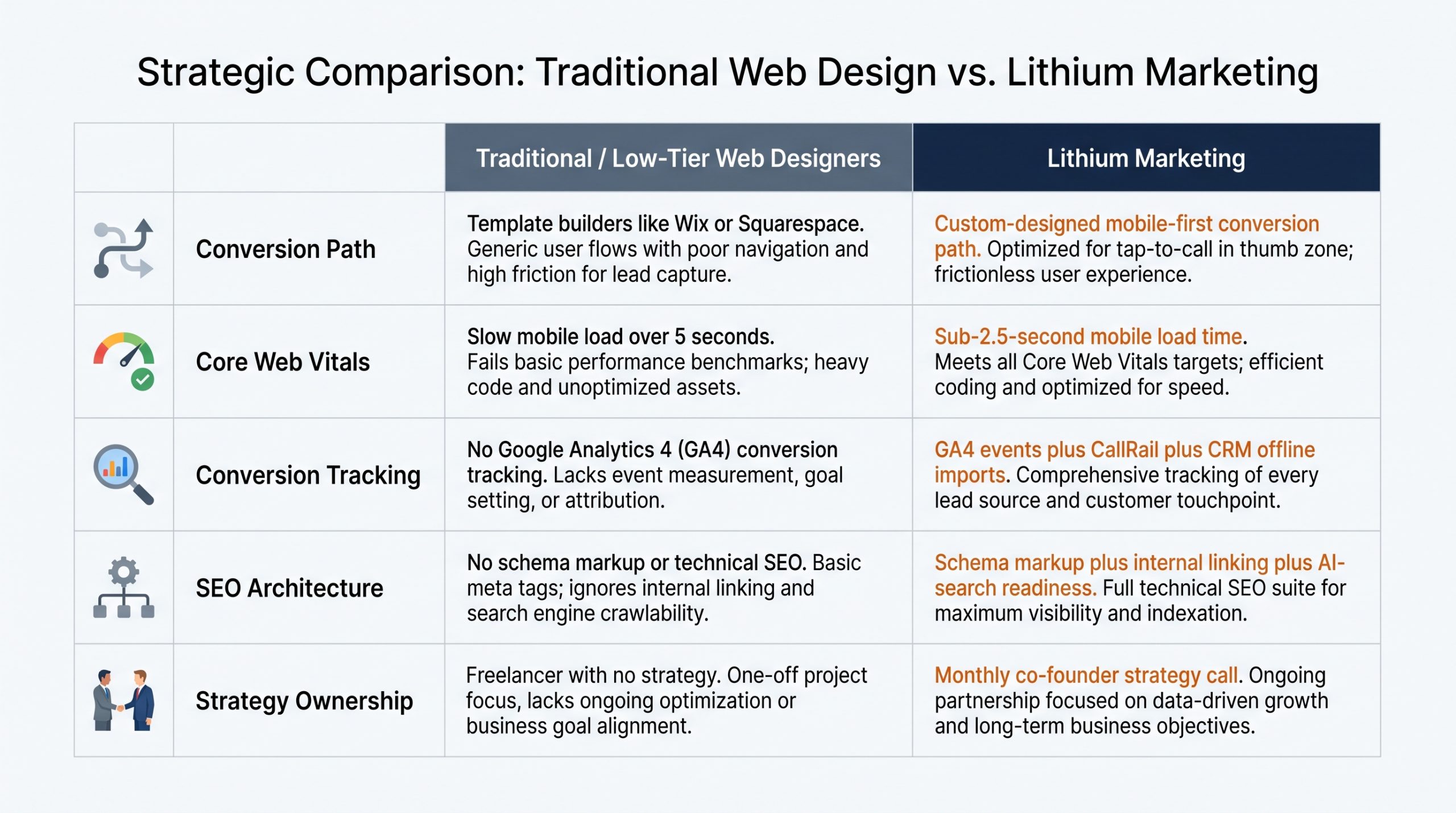
What service businesses get from each web design approach
Service businesses Lithium has built websites for.
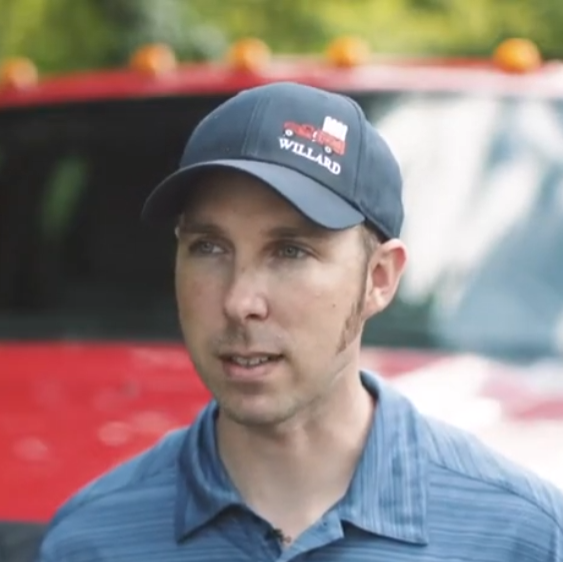
Willard Power Vac
“Lithium Marketing has been amazing for our business. They have greatly increased our web traffic and helped us land hundreds of jobs.”
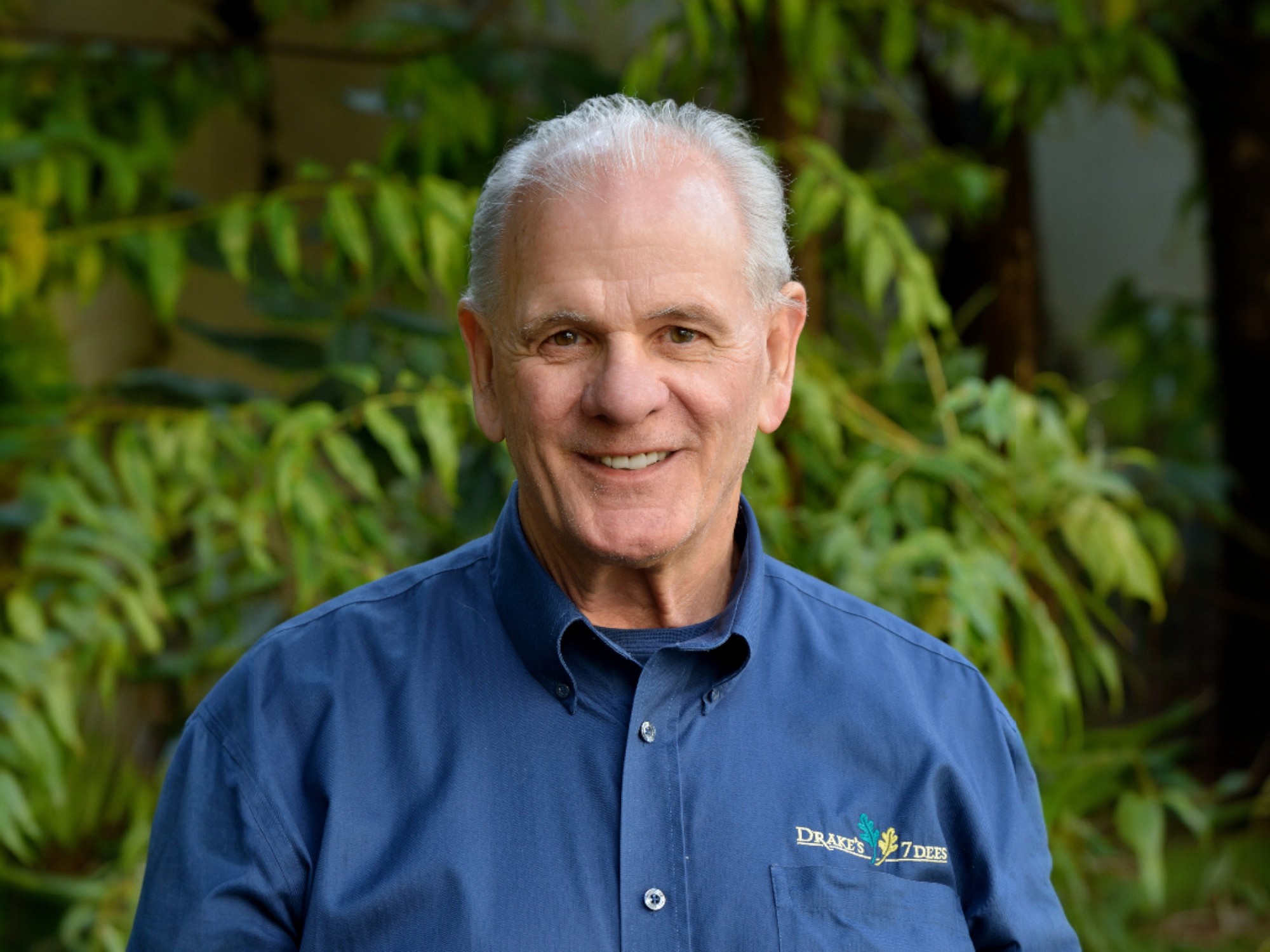
Drake’s 7 Dees
“Lithium has moved us to page 1 in Google search organically.”
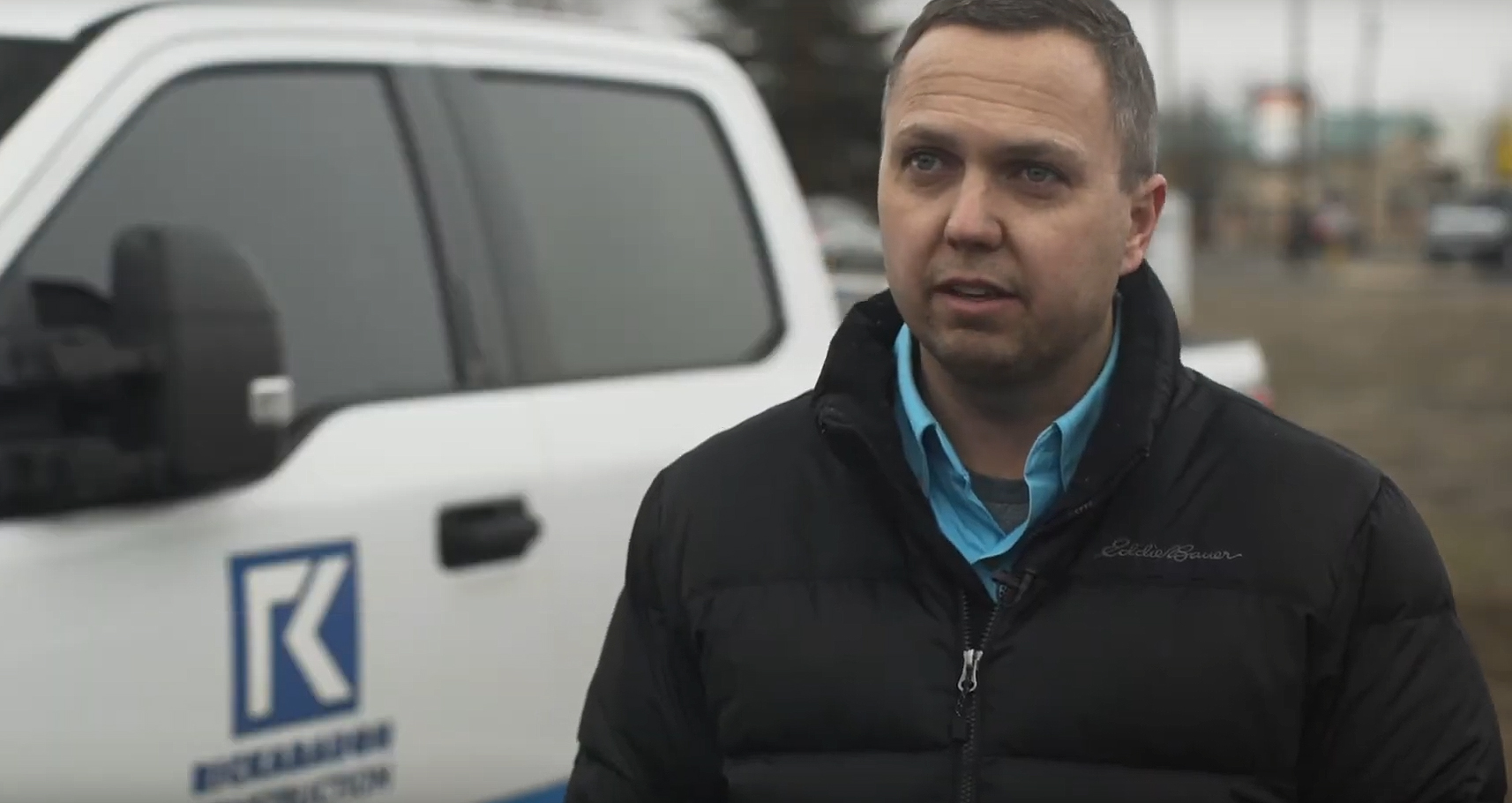
Rickabaugh Construction
“Working with Lithium Marketing has been awesome.”
Lincoln web design questions, answered plainly.
Most Lincoln website projects take six to nine weeks. Strategy and content direction come first, then design, development, revisions, mobile testing, forms, redirects, schema, tracking events, and final review happen before the site is shown to real buyers.
Yes, a new site can improve the search foundation. It can strengthen crawl paths, service-page depth, internal links, Core Web Vitals, schema, and location clarity. Competitive Lincoln terms still require ongoing SEO work after launch.
Yes. Your business owns the WordPress build, page content, approved creative assets, and custom work covered in the project scope. Domain and hosting access should stay under your control so the site remains a business asset after launch.
Yes. We build on WordPress with Elementor so your team can make normal page edits visually after launch. Lithium also provides a walkthrough and can stay involved for technical support, content, SEO, paid traffic, or conversion improvement work.
The right fit is about strategy and accountability more than geography. Lithium manages Lincoln builds remotely with structured reviews, clear notes, and senior strategy, which helps when the site must support analytics, service pages, forms, and PPC traffic after launch.
Most Lincoln projects run remotely because it keeps feedback, approvals, and scheduling simpler. Calls, Loom videos, shared docs, email, and project notes cover the work clearly. If travel or an in-person session is truly needed, that can be scoped separately.
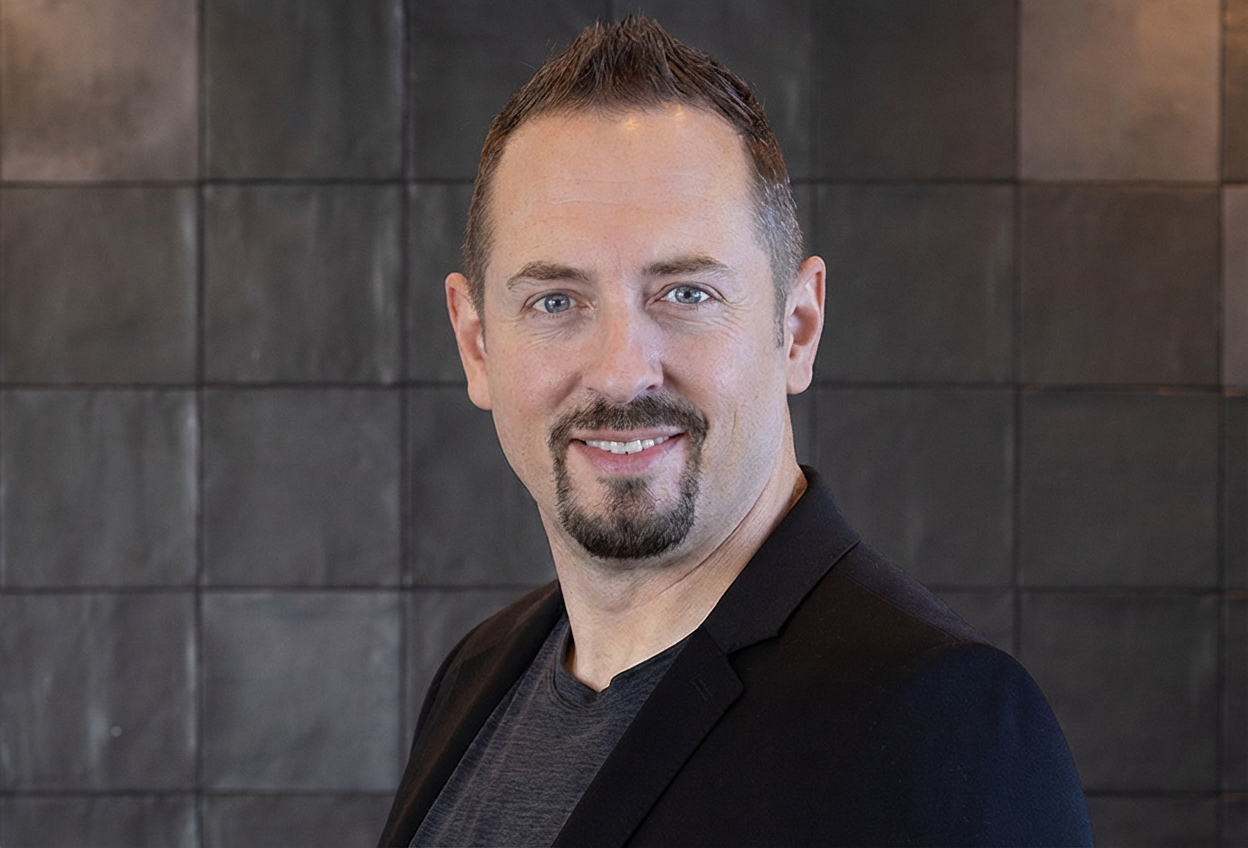
Your strategy call is led by DJ Van Zanten
DJ has worked in digital marketing for more than twenty years and has consulted with over 1,000 service businesses. When you book a Lithium strategy call, DJ leads the conversation himself, so the first review is handled by the person responsible for the strategy.
Get a free website review
The review focuses on practical issues that affect contact rates: speed, mobile layout, CTA placement, proof, service-page clarity, schema, Google Business Profile alignment, analytics events, and the points where serious visitors leave before calling or submitting a form.
- No sales pitch
- 30 minutes
- You keep the audit either way