
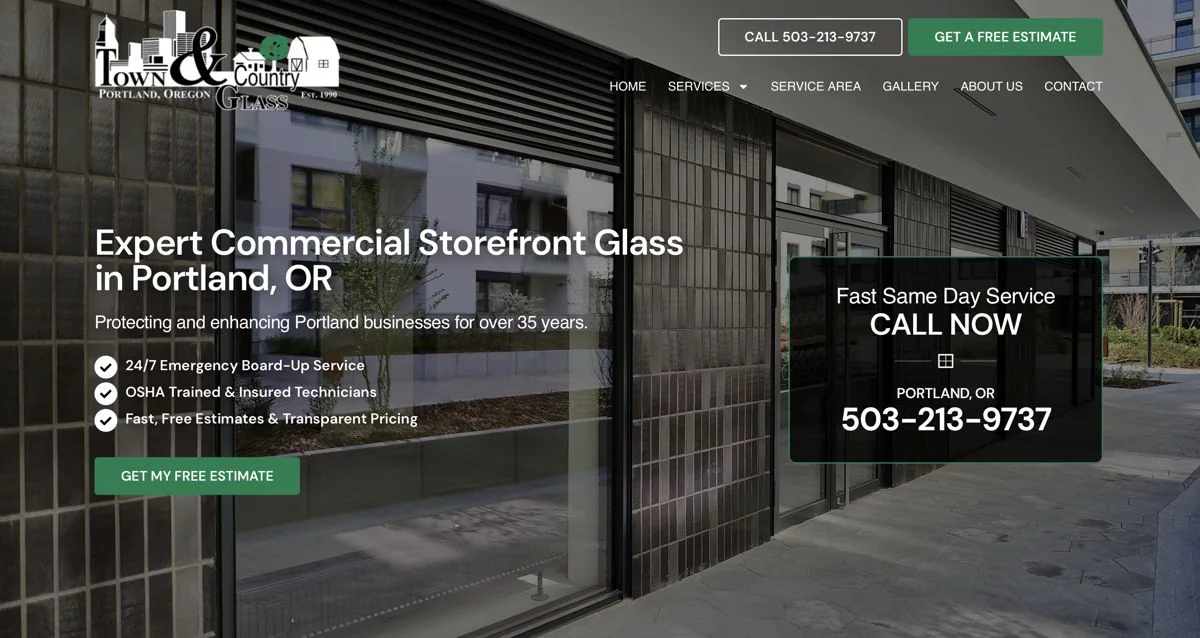
 Commercial glass
Town & Country Glass
13Xorganic traffic
145 to 1,849 visits a month
- top-3 rankings, up from 1
- 109
- top-3 rankings, up from 1
- Google Ads conversion rate
- 29.9%
- Google Ads conversion rate
A landscape service page should be useful without opening the PDF
Help Mount Pleasant landscape visitors read the services you accept and introduce a project on a phone without depending on a downloadable document.
 Google PartnerView our Partners listing
5.0on Google · read our reviews
Google PartnerView our Partners listing
5.0on Google · read our reviews
Businesses
we’ve worked with
Businesses we’ve worked with
The document can support the page rather than carry every answer
Lithium Marketing builds websites that explain your landscape work and help customers contact the team. Essential service information may sit in a downloadable PDF that is difficult to read on a phone. We put the accepted work and useful first questions on the service page, with the document available as supporting material.
The owner may feel the PDF already explains everything customers need. We review the mobile page before the file opens: can the visitor understand the offer, find the project information and send a question? Clear written content, service navigation and a practical form make that first discussion easier.
Your actual landscape offer in ordinary page content
Charleston County records 184 landscaping establishments. We explain the services your company actually supplies within that category and organize the website around those customer questions. A downloadable file can add detail while the page itself gives the hiring answer.
Using Mount Pleasant's aggregate median housing year of 2000 as local context, we write descriptions of genuine landscape jobs and the known property setting. Explain supplied work and retained features, then ask what the customer wants to change or care for at their own site.
| Search | Searches a month | Cost per click |
|---|---|---|
| web design mount pleasant sc | 10 | not reported |
| web designer mount pleasant sc | under 10 | not reported |
| website design mount pleasant sc | under 10 | not reported |
Source: Google Ads keyword data, average monthly U.S. searches. "Under 10" = below Google’s reporting floor.
Source: one Google results page for “plumber mount pleasant sc”, as Google showed it to a searcher located in Mount Pleasant. Search ad counts exclude sponsored local listings. Results shift by searcher and day.
Known landscape projects and useful opening questions
For genuine earlier-property landscape work, we write the service supplied, retained features and the customer's aims, with Charleston County's 34.5% housing share built before 1980 as background. A visitor can explain the desired work and known site details without using a document to infer the whole service.
We can also develop page descriptions from actual newer-property jobs, with Charleston County's 21.3% housing share built in 2010 or later informing the local examples. Link the represented service to a clear opening project question so the customer understands the hired work and can introduce their own property.
Sources: U.S. Census Bureau 2025 population estimates, ACS 2020–2024 and 2023 County Business Patterns.
The project property and the people discussing the landscape work
Mount Pleasant is a suburban town in Charleston County, South Carolina. We write your landscape coverage answers around that geography and the places your company accepts, then create clear service-address and project-description fields. Visitors can check the working area and send the property with their aims.
Charleston County's owner-occupied housing share is 63.9%. The project form can ask how the contact is involved with the property, who will discuss the desired landscape work and who can arrange access. Staff receives that supplied context with the requested service and can continue the right conversation.
County Business Patterns
Trade and home service businesses in Charleston County
Establishments by industry, 2023
Source: U.S. Census Bureau, 2023 County Business Patterns (NAICS establishment counts).
A mobile landscape website with the essential answer on the page
Agree the landscape offer, bring essential information out of the PDF and build a useful first project discussion on a phone.
Confirm the work, coverage and opening questions with the person who keeps the landscape offer current.
Explain genuine supplied work and useful preparation information on the page, keeping approved documents as optional support.
Give visitors a visible phone option and practical fields for the service property, desired work and known site information.
Check how visitors understand the offer and what they send, then improve the page or form from actual feedback.
What every Lithium website includes
The same eight parts go into every website build, wherever the business is.
Commercial-glass web work and historical landscape feedback
For Portland commercial-glass business Town & Country Glass, Lithium supplied a new website together with SEO and Google Ads. The separate testimonial is historical feedback from Matt Johnson of On-Target Landscape, which is no longer operating.
Commercial glass13Xorganic traffic
145 to 1,849 visits a month
“Lithium Marketing is awesome to work with and the results you’ll get are outstanding. Once I started working with them I saw increase in my online presence and my sales increased too. I would highly recommend them to anyone looking for help with marketing!”
 Matt JohnsonOn-Target Landscape
Readable landscape coverage and project contact
Landscape customers in Columbia, Charleston and North Charleston, South Carolina, should be able to read your accepted services and introduce the project on the page. Where the company also works in Augusta or Savannah, Georgia, or Wilmington, North Carolina, make those state scopes and property prompts clear. The South Carolina city directory supports further useful coverage pages.
Published price
$5,000
typical project
Larger sites get a fixed proposal after a 30-minute discovery call. Six to nine weeks from kickoff to launch. You own the domain, hosting account, WordPress install and content.
FAQ

Still curious?
Call (503) 766-5964 or email [email protected].
Keep essential hiring information on the page as well. The document can support it, but phone visitors should be able to read the accepted services, understand the opening process and contact the team without opening a file.
Yes. Approved supporting material can remain downloadable while the page explains the essential service and project information. Agree which details belong in the first customer conversation and keep the document current.
Describe the work your company supplied, retained features where known and the service a customer can hire. Useful captions and page links help visitors describe their own desired work instead of relying on an image or file alone.
A typical website project is about $5,000. Agree the readable service content, mobile navigation, supporting files and contact form in the proposal. Judge the work by customers' understanding and the usefulness of project inquiries.
Your team supplies accurate services, genuine project material and feedback on customer questions. Lithium in Portland, Oregon can review the page drafts and mobile contact with the person responsible for the landscape offer.
Free action plan
Bring the current document, mobile service page and accepted landscape work to a co-founder call. We can choose the essential written information, useful project examples and contact fields that help customers introduce their jobs clearly.
What we’ll cover
2000 NE 42nd Ave Ste D Unit 2370, Portland, OR 97213
Prefer to pick a time? Book a 30-minute call with DJ