
St. Louis Web Design for Businesses That Need Better Inquiries
Build pages that explain the offer before visitors lose interest.
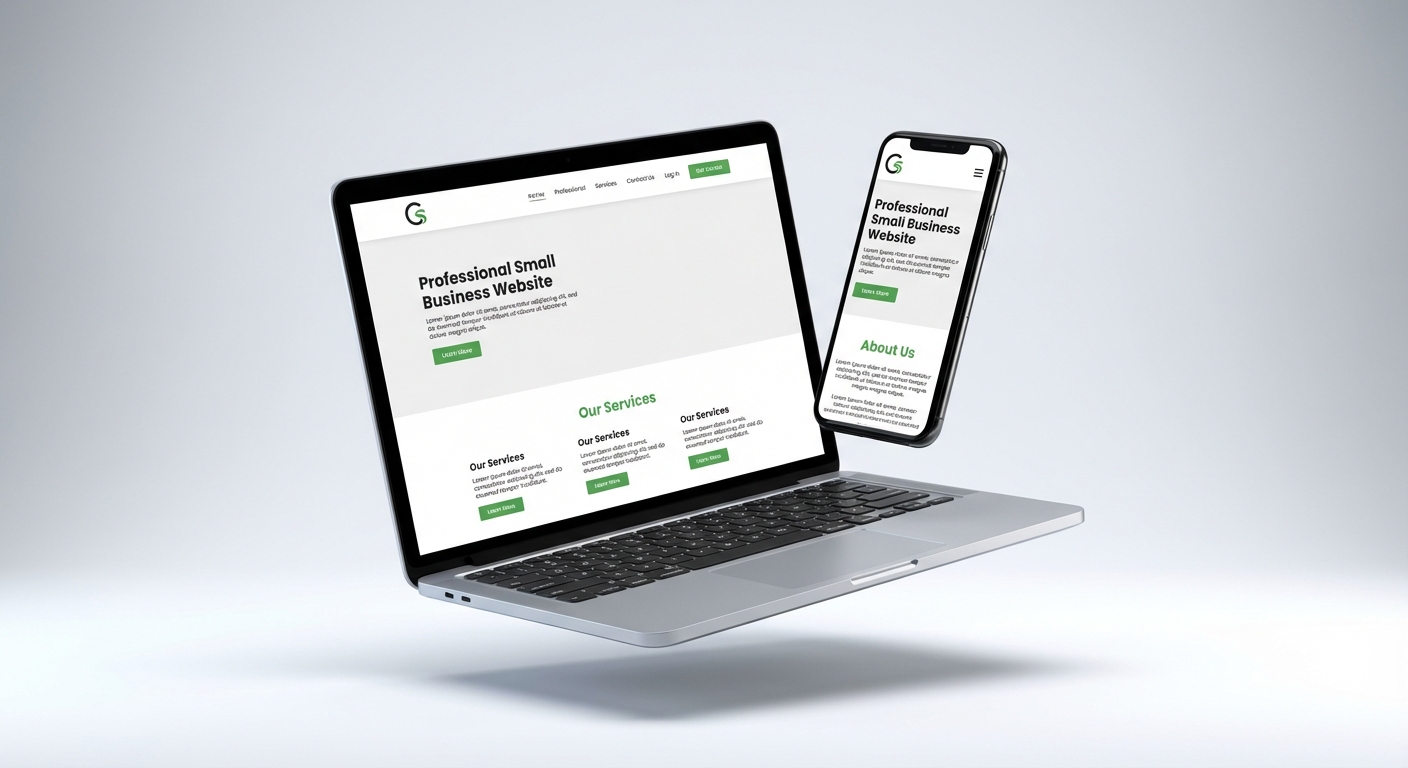
Your website should help a St. Louis buyer decide whether your business is the right fit, not simply prove the company exists. We build pages that clarify services, show proof, load quickly on mobile, and make calls, forms, bookings, and quote requests easy to start.
- Google Partner certified
- Meta Business Partner
- 5.0 ★ across 30+ Google reviews
- 100+ clients served nationwide
- $10M+ in Google Ads managed
- Marketing services since 2010
Partner
Most service sites wait too long to answer the buyer.
St. Louis buyers compare businesses across a market with city neighborhoods, county suburbs, medical corridors, legal and financial firms, contractors, restaurants, and industrial teams. A website has to show service fit and credibility quickly because the next provider is one tap away.
“ The first screen should make the next step feel safe.
The valuable visits often start with plain service searches rather than brand awareness. A manager, homeowner, patient, or event planner may be comparing options with phrases like these: St. Louis roofing company website or St. Louis dental website design Those visitors need fast pages, direct service language, proof near the claim, and contact options that do not hide behind a menu. When a design delays those answers, good traffic leaves without telling you why.
A stronger site gives buyers enough clarity to keep moving. It also gives search engines and AI tools cleaner structure: services, locations, reviews, schema, and actions all describing the same business.
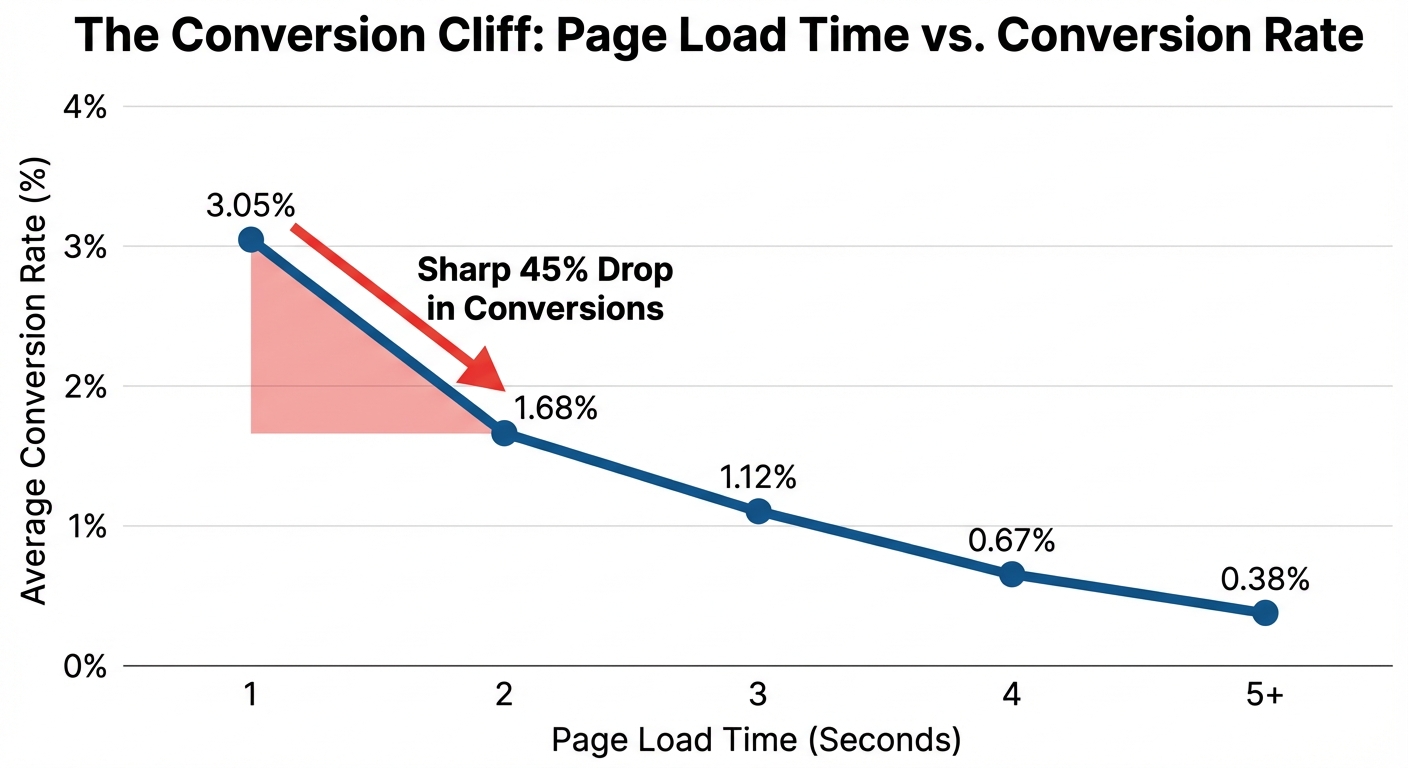
Slow mobile load = lost lead
A slow page creates doubt before the offer is read. St. Louis visitors comparing clinics, contractors, restaurants, firms, or retailers will not wait through oversized images, shifting layouts, and heavy scripts when another site explains the same service faster.
No one-tap path to call you
Contact options should appear where the decision happens. Tap-to-call buttons, short forms, appointment links, and quote requests need to stay reachable as visitors move through services, proof, pricing context, and location details.
Built for looks, not for ranking
Technical structure supports both search visibility and visitor confidence. Clean URLs, schema, Core Web Vitals, service pages, accessibility basics, and Google Business Profile consistency help the site explain what the company offers and where it works.
No proof above the fold
Visitors scan before they read deeply. They notice the headline, service fit, reviews, credentials, project examples, and the next action, then decide whether the business feels credible enough for the first conversation.
Eight essentials every service-business website should have before launch.
Every Lithium build starts with practical foundations: clear positioning, fast mobile performance, readable service pages, easy inquiry actions, local search structure, proof near decisions, accessibility basics, and tracking that shows what visitors actually do.
Sub-2.5-second mobile load
Performance targets are part of the build, not an afterthought. We work toward strong Core Web Vitals, compressed media, stable layouts, and clean interaction behavior because St. Louis buyers should not wait for a page to settle before deciding.
Primary Actions Work Well on Mobile
Calls, booking links, quote requests, and forms stay easy to reach from the hero through service detail and proof. The mobile layout should make the next action obvious without turning the page into a wall of buttons.
Above-the-fold value proposition
The hero should answer what you do, who you help, why the visitor should believe you, and what comes next. We avoid vague welcome copy, generic stock visuals, and headlines that could belong to any company.
SEO-ready architecture
Local Search Structure Is Built Into the Site
Business identity needs to match across the site, Google Business Profile, and core listings. LocalBusiness and Service schema support that consistency, while service-area pages describe real coverage without inventing offices.
Real proof, placed where it converts
Proof belongs close to the claim it supports. Reviews, project examples, credentials, awards, staff context, and service guarantees help a skeptical visitor feel they have found a capable business, not just a polished layout.
Tracking that ties leads to revenue
GA4 events fire on every form submission, booking action, and click-to-call. Call tracking connects conversations back to traffic source, and conversion tags are wired to Google Ads before campaigns send paid traffic into the new site.
WCAG-aware, AI-search-ready
Accessible structure helps people and search systems use the page. We plan color contrast, semantic HTML, keyboard behavior, short answer blocks, and clear copy so AI systems and traditional search can understand the business.
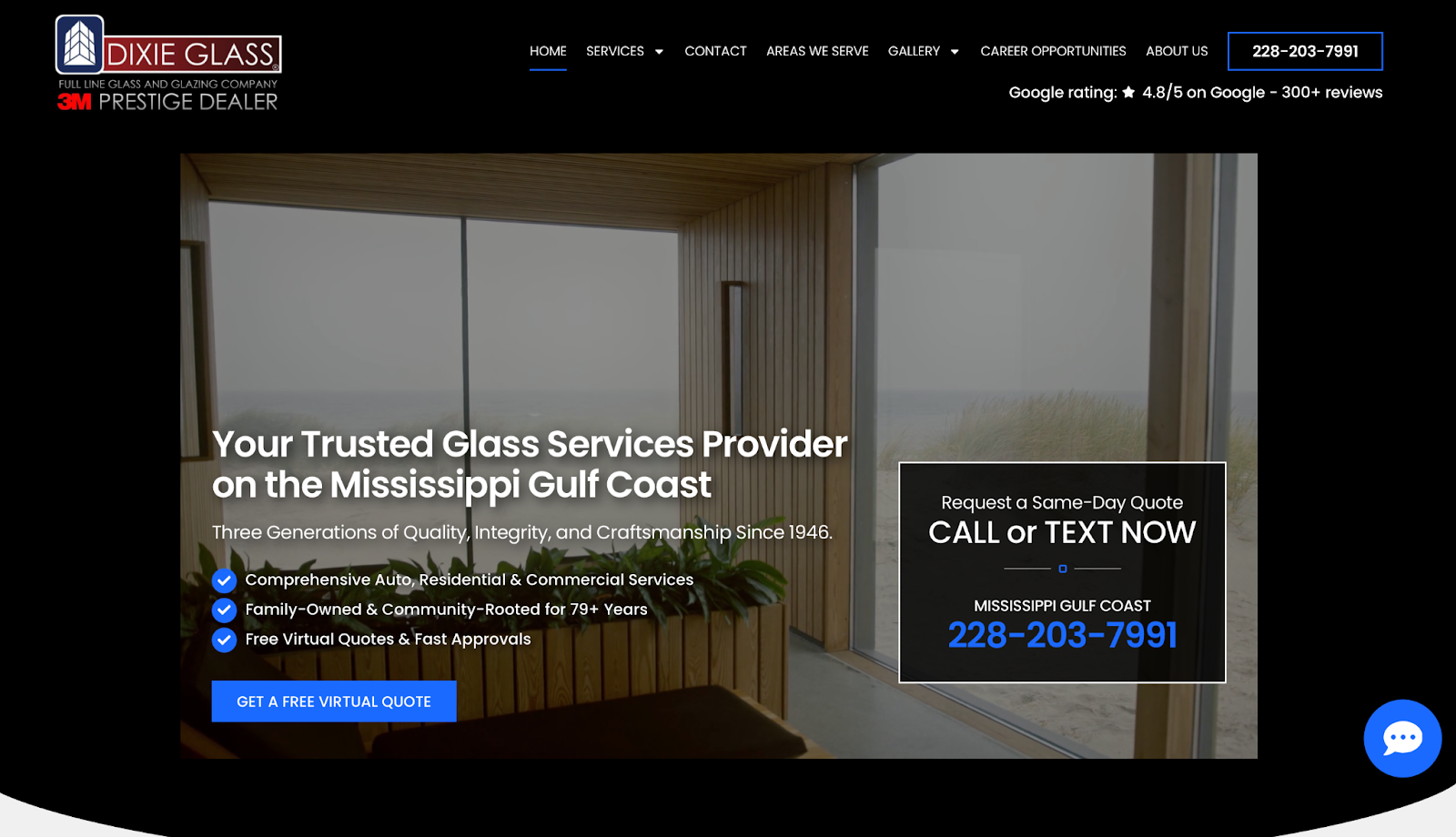
How a third-generation Gulf Coast glass company drove 76% more conversions after we rebuilt their site.
Dixie Glass came to Lithium with an outdated Wix site and flat paid results. We rebuilt the WordPress site around clearer quotes, measurable form actions, paid search rebuilds and organic visibility work. Within twelve months, conversions rose 76 percent, search visibility improved 71.2 percent, and organic traffic grew 18.2 percent.
More conversions
Organic traffic growth
Search visibility growth
DIXIE GLASS | WEBSITE REBUILD CASE STUDY

Service businesses where a clearer website can change the first conversation.
St. Louis includes healthcare, finance, law, construction, logistics, hospitality, retail, education, and neighborhood service businesses. A useful site respects that mix with direct services, fast mobile pages, proof near decisions, and tracking that separates serious inquiries from casual visits.
HVAC, plumbing, electrical, roofing, restoration, cleaning, and remodeling companies need pages built around urgent searches and estimate requests. We pair service categories, reviews, availability, and local SEO planning with phone-first mobile layouts.
Dental, medical, chiropractic, therapy, and specialty practices need patient-friendly sites. Provider bios, procedures, insurance notes, reviews, directions, and appointment actions should help someone understand whether the practice is a fit before calling.
Contractors, builders, painters, roofers, and specialty trades need more than a gallery. Project categories, before-and-after proof, estimate language, credentials, and service-area pages help buyers judge fit and quality.
Attorneys, accountants, consultants, insurance agents, and advisors sell trust before they sell a service. We clarify practice areas, consultation options, credentials, process, reviews, and next steps without burying the visitor in firm copy.
Restaurants, cafes, hotels, caterers, venues, and hospitality teams need practical details fast. Hours, menus, reservations, event options, maps, private dining, reviews, and mobile ordering should be easy to reach.
Auto repair, collision, detailing, tire, glass, towing, and fleet-service businesses win urgent attention. Service categories, warranty language, reviews, location details, and PPC landing pages should support both organic visits and paid traffic.
Specialty retailers compete with local shops, marketplaces, social discovery, and national chains. The site should make inventory, product fit, location, story, reviews, hours, and visit details clear from a phone.
B2B, industrial, logistics, technology, and professional firms need credibility before pricing is discussed. Capability pages, industries served, certifications, process, proof, and qualified forms help the site support longer sales cycles.
From kickoff to launch in six to nine weeks, with weekly decisions instead of mystery delays.
The process is designed to avoid surprise reveals. We work through a steady cadence of decisions, review, and build progress so your team knows what is finished, what needs feedback, and what comes next.
Discovery & strategy
We map the service mix, buyer questions, revenue per inquiry, and competitive landscape before design begins. When available, Search Console, GA4, and SEMrush data help define what the new site must improve.
Information architecture & content plan
You receive a sitemap, URL plan, schema direction, content outline, and page-by-page brief. SEO architecture and conversion thinking are planned before visual design so launch does not start with structural debt.
Design direction
Design starts from the approved strategy. We show desktop and mobile direction, refine from focused feedback, then use the accepted system to keep service pages, proof blocks, and contact sections consistent.
Build, content, integrations
We build the site in Elementor on WordPress and write SEO-optimized copy in parallel. The build phase also includes forms, GA4 events, call tracking, Google Ads conversion tags, Google Business Profile alignment, schema, and any CRM or booking integrations needed to make leads trackable.
QA, launch, indexing
Before launch, we test the site as visitors and crawlers will use it. Mobile layouts, forms, phone taps, redirects, schema, analytics events, conversion tags, Search Console, and speed basics are checked before traffic depends on them.
30 / 60 / 90-day tracking
A launch creates useful data, not a finish line. We monitor traffic, conversions, search movement, lead quality, Core Web Vitals, and the next opportunities for improving the St. Louis funnel.
Engineered to surface in Google AI Overviews, ChatGPT, Perplexity, and Claude when buyers ask.
SEO foundations and AI systems planning both need clear entity data, structured answers, reviews, citations, and useful service content. The site should be easy to understand across Google results and newer answer tools.
Quotable answer blocks
Important questions should open with the direct answer, then add detail. That structure helps visitors scan quickly and gives AI answer systems cleaner language to interpret instead of forcing them to infer the business details.
Fact density and citations
A St. Louis website should sound like it came from a real operator. We use specific services, proof, dates, examples, staff context, and claims that can stand up to a buyer’s closer look.
Schema for generative engines
Schema makes the page easier to parse. Business identity, service categories, FAQs, articles, breadcrumbs, reviews, and action details can become clearer for search engines when the markup matches the visible page.
Brand consistency across the web
A confused web presence creates confused summaries. We align the page with public profiles, reviews, directory listings, and other mentions so answer engines see one consistent business entity.
Topical authority and entity coverage
Depth beats repetition. A strong service site connects related pages, FAQs, proof, internal links, and topic clusters so buyers and search systems understand the business beyond one generic services page.
llms.txt + AI crawler controls
For companies that care about AI visibility, crawler guidance matters. We pair structured content with llms.txt and robots.txt guidance for GPTBot, ClaudeBot, PerplexityBot, and Google-Extended.
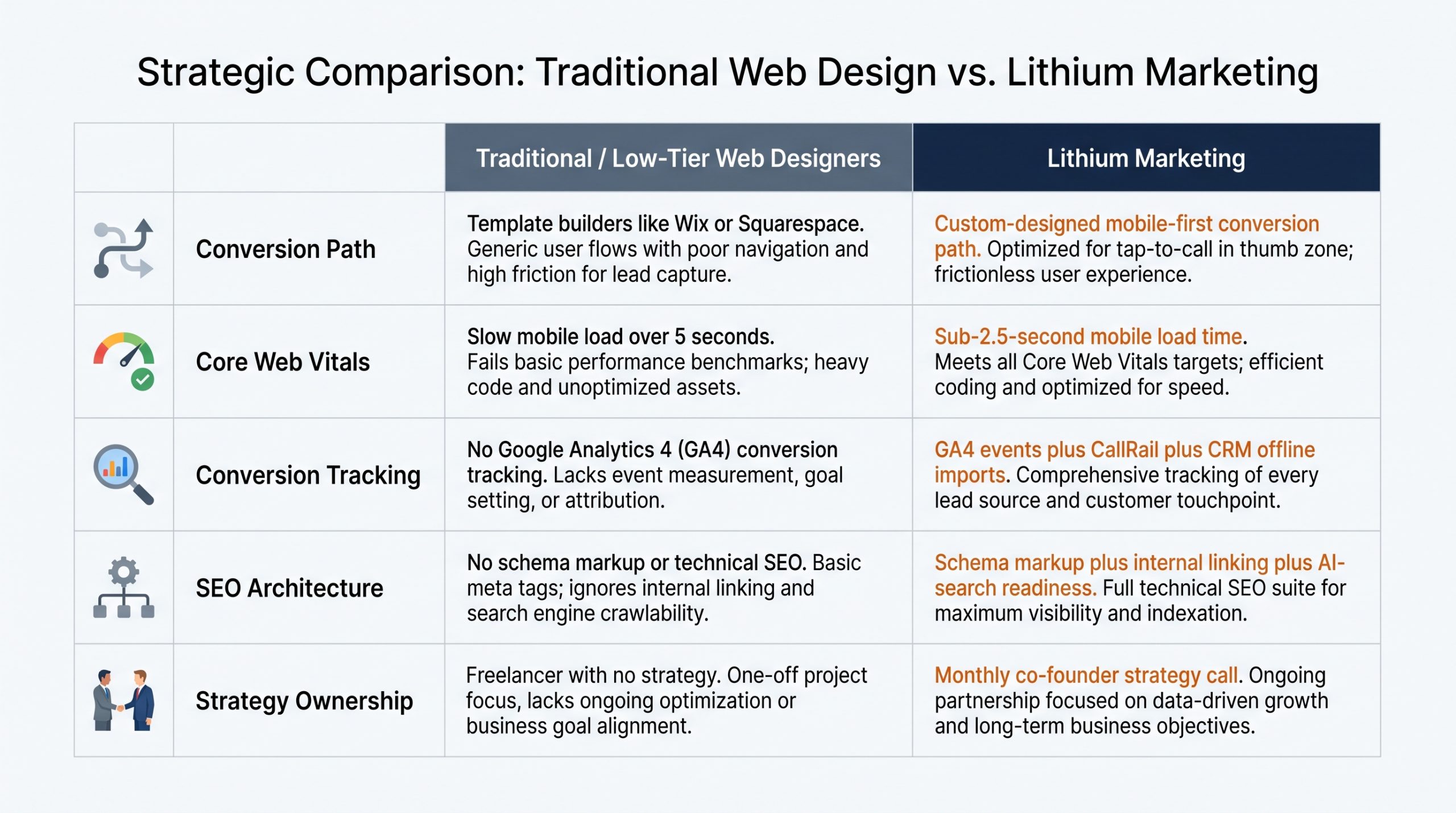
What each website approach gives a service business.
Service businesses Lithium has built websites for.
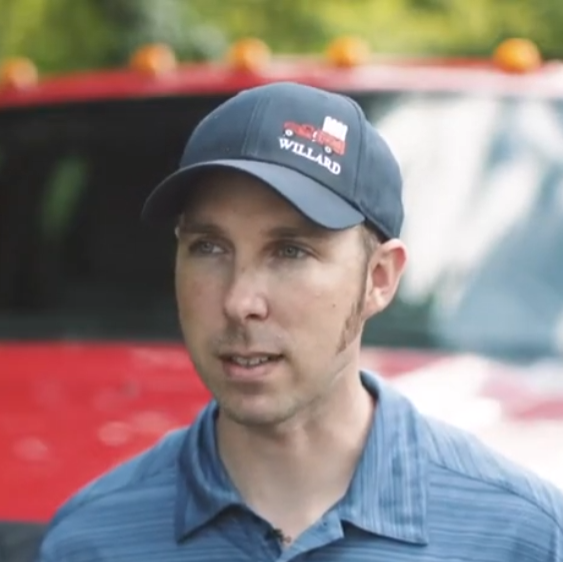
Willard Power Vac
“Lithium Marketing has been amazing for our business. They have greatly increased our web traffic and helped us land hundreds of jobs.”
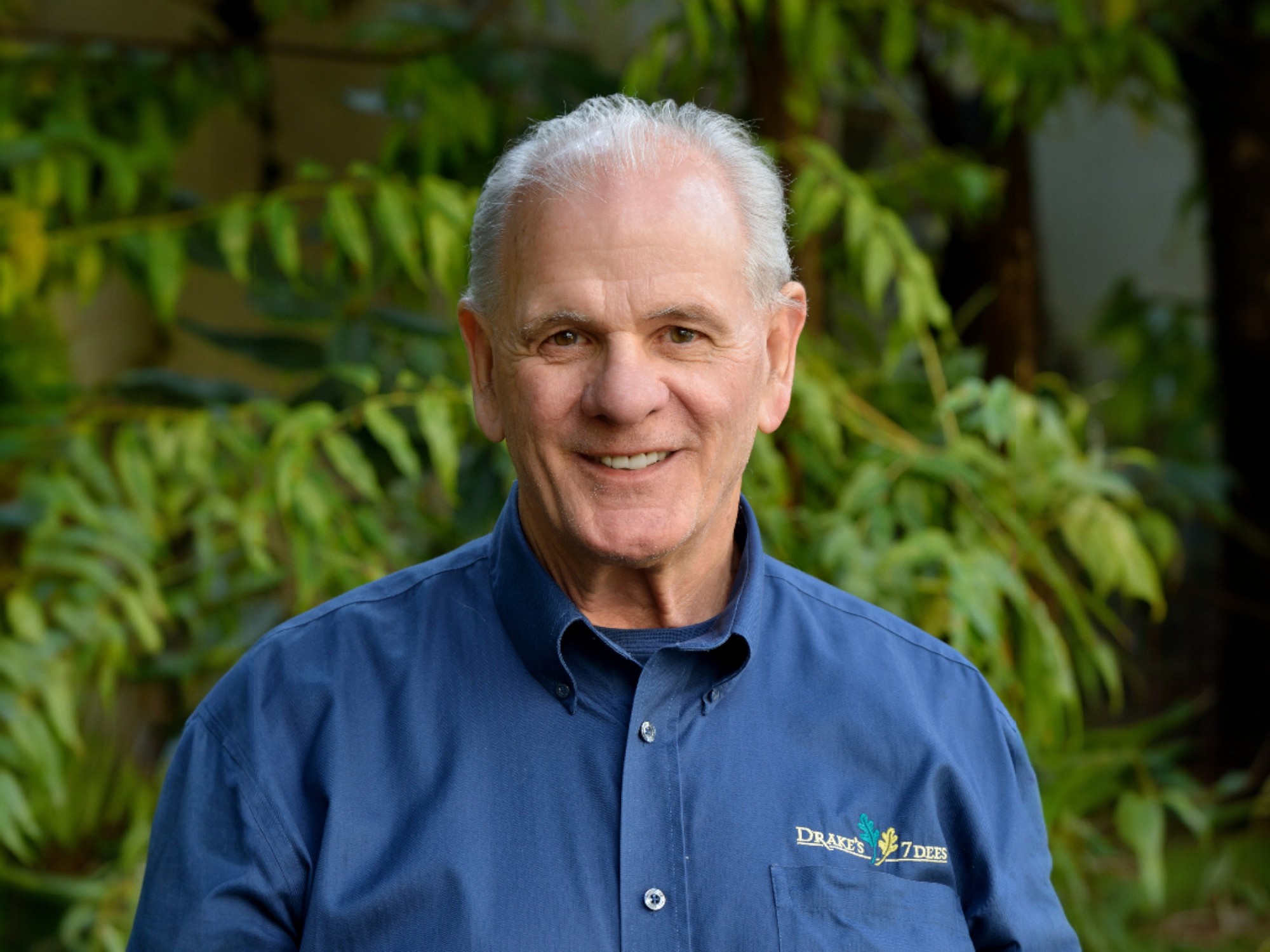
Drake’s 7 Dees
“Lithium has moved us to page 1 in Google search organically.”
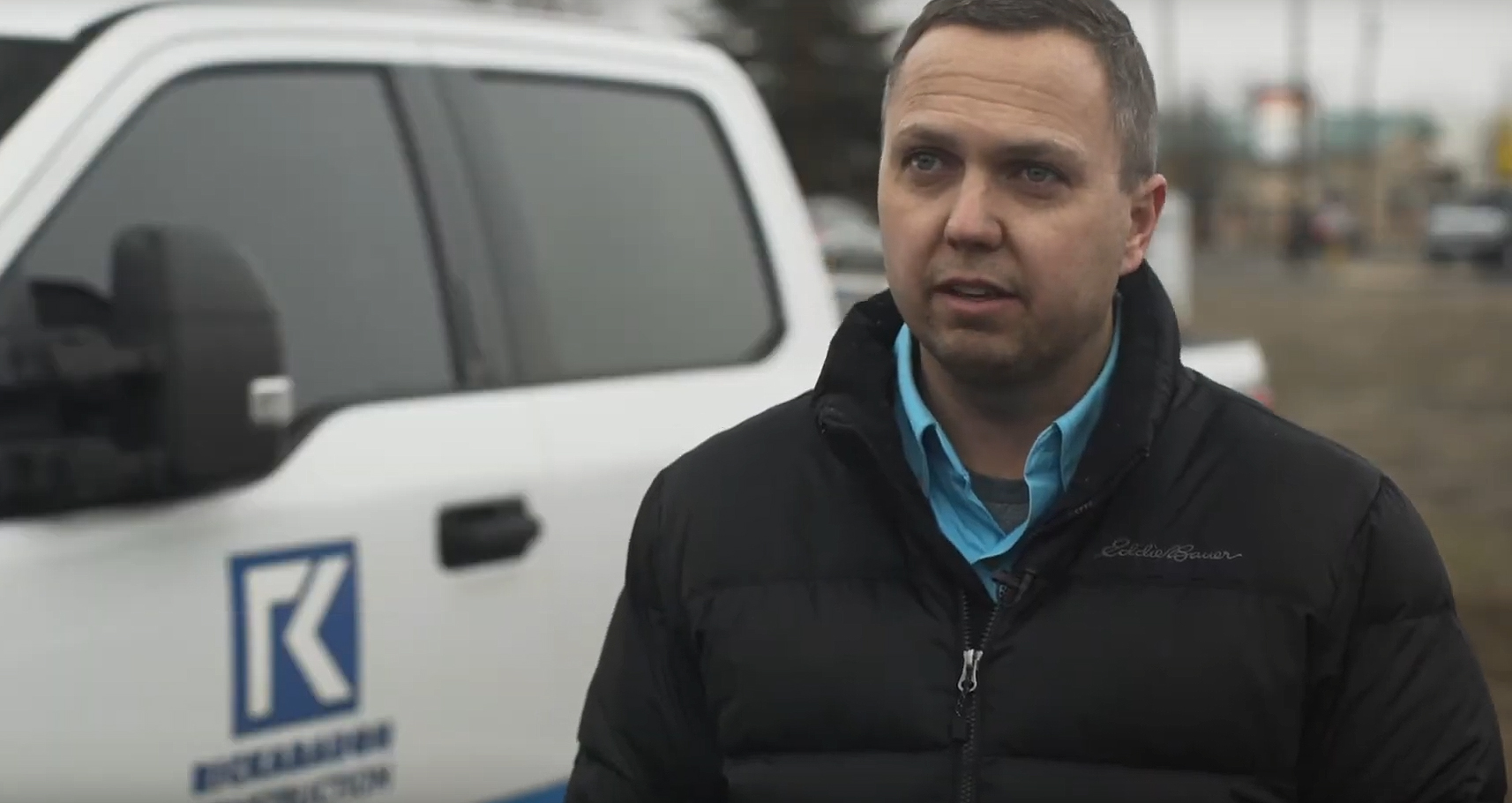
Rickabaugh Construction
“Working with Lithium Marketing has been awesome.”
St. Louis website questions, answered plainly.
A Lithium website for a St. Louis service business typically ranges from $5,000 to $20,000, depending on page count, content needs, integrations, booking or quote functions, SEO requirements and PPC landing page needs. Discovery turns those variables into a fixed scope.
Most service-business website projects take six to nine weeks. Strategy and content direction come first, design follows, then build and launch preparation cover mobile layouts, forms, speed, redirects, schema, tracking events, and final review before real buyers see the site.
A new website can support ranking, but it does not replace ongoing local SEO work. The build should give Google a cleaner foundation with crawlable services, internal links, schema, Core Web Vitals targets, local proof, consistent business data, and room for future content.
Yes. Your business owns the site assets created for the project, including the WordPress build, page content, approved creative assets, and custom work covered in scope. Domain and hosting access should also stay under your control after launch.
Yes. We build on WordPress with Elementor so your team can make normal visual page edits after launch. We also provide a walkthrough of the actual site, and Lithium can stay involved for technical support, SEO, content, paid traffic, and conversion improvement.
The right fit is about process, strategy, and accountability more than mailing address. Lithium is based in Portland and supports service markets around the country. For St. Louis businesses, the work centers on buyer research, local structure, conversion tracking, and paid traffic readiness.
Three things usually matter most. Strategy happens before design, so the site reflects real buyer questions. SEO planning and PPC planning are considered together. A senior strategist stays involved so the project remains tied to business outcomes.
Most St. Louis projects run remotely because it keeps feedback, approvals, and scheduling simpler. Calls, Loom videos, shared docs, email, and project notes cover the work clearly. If a project truly requires travel, we can discuss that during scope planning.

Your strategy call is led by DJ Van Zanten.
DJ has worked in digital marketing for more than twenty years and has consulted with over 1,000 service businesses. When you book a Lithium strategy call from this page, DJ leads the conversation himself so the first review is handled by the person responsible for strategy.
Get a free St. Louis website review.
The review focuses on practical issues that affect contact rates: speed, mobile layout, CTA placement, proof, service-page clarity, schema, Google Business Profile alignment, analytics events, and where serious visitors leave before they call or submit a form.
- No sales pitch
- 30 minutes
- You keep the audit either way