
Sunnyvale Web Design for Companies That Need Clearer Inquiries
Fast, credible pages for buyers who compare carefully.
Sunnyvale businesses compete in a market where expectations are shaped by technology, healthcare, home services, restaurants, startups, and B2B teams. We build sites that explain value quickly, support local search, and make calls, demos, bookings, or quote requests easier to start.
- Google Partner certified
- Meta Business Partner
- 5.0 ★ across 30+ Google reviews
- 100+ clients served nationwide
- $10M+ in Google Ads managed
- Marketing services since 2010
Partner
A polished design still fails when the offer feels vague.
Sunnyvale visitors bring high expectations because they compare polished technology companies, clinics, contractors, restaurants, and professional firms every day. A service website has to feel credible quickly and explain the offer without forcing a busy buyer to decode it.
“ In Silicon Valley, unclear pages lose trust faster than they lose traffic.
The valuable searches are specific and often come from someone already narrowing choices. A visitor may arrive during a comparison after typing phrases like these examples: Sunnyvale med spa website design or Sunnyvale managed IT website Those visitors need the page to load cleanly, show proof, answer the first questions, and make contact simple from a phone. A beautiful layout cannot carry a vague message or a hidden form.
A stronger build brings strategy, copy, performance, search structure, analytics, accessibility, and proof into one system. The goal is a site that a skeptical buyer can understand and a team can measure after launch.
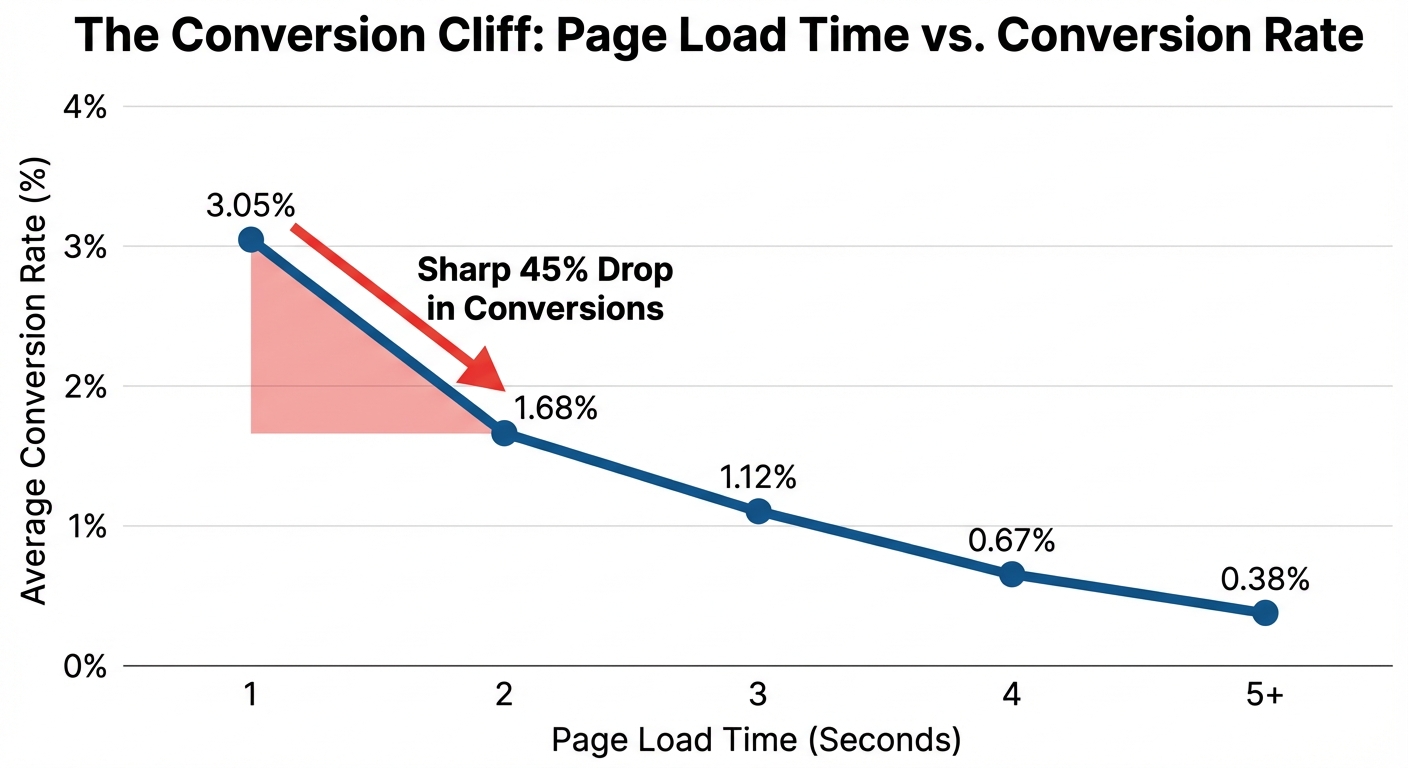
Slow mobile load = lost lead
Sunnyvale buyers will not wait for a slow page to prove itself. We reduce friction from oversized media, unnecessary scripts, unstable layouts, unclear navigation, and mobile delays that can make a credible business feel careless.
No one-tap path to call you
The page should help a visitor act as soon as they understand the fit. Demo requests, calls, forms, consultations, appointments, and quote buttons need to sit near the claims and proof that make action feel justified.
Built for looks, not for ranking
Search structure matters because sophisticated buyers still begin with practical queries. Service pages, schema, redirects, analytics events, Core Web Vitals, clean URLs, and profile consistency help the site support organic and paid acquisition.
No proof above the fold
Proof has to be specific. Case context, testimonials, credentials, photos, service examples, integrations, guarantees, and team experience give a visitor reasons to believe the company beyond a modern visual style.
A strategy-led build for speed, clarity, proof, and measurement.
We begin by defining what the site must help the business sell or schedule. Positioning, service architecture, content depth, analytics, accessibility, local search, and conversion actions are planned before the page design is treated as finished.
Sub-2.5-second mobile load
Performance choices are made early. We consider hosting, image strategy, scripts, component weight, layout stability, interaction timing, and mobile rendering so the site feels clean under real-world conditions, not only in a design preview.
Actions designed for mobile comparison
Many Sunnyvale prospects compare providers between meetings, commutes, appointments, and family schedules. The layout keeps the most important action close to the service explanation, proof, and pricing or consultation context.
Above-the-fold value proposition
The hero must do useful work immediately. It should name the offer, audience, reason to believe, and next action without leaning on abstract taglines that could belong to any company in the Bay Area.
SEO-ready architecture
Sunnyvale search and profile alignment
Business details should stay consistent across the website, Google Business Profile, listings, service pages, and analytics setup. Schema and service-area language clarify local relevance without bloating the site with thin location pages.
Real proof, placed where it converts
Proof is placed where decisions happen. Reviews, case snapshots, process details, security notes, credentials, awards, staff experience, and project examples should support the claims they sit beside.
Tracking that ties leads to revenue
GA4 events fire on every form submission, booking action, and click-to-call. Call tracking connects conversations back to traffic source, and conversion tags are wired to Google Ads before campaigns send paid traffic into the new site.
WCAG-aware, AI-search-ready
Accessibility and clean structure help users, search engines, and AI systems understand the same content. We use semantic headings, readable contrast, direct answers, keyboard-friendly behavior, and copy that remains clear when summarized.
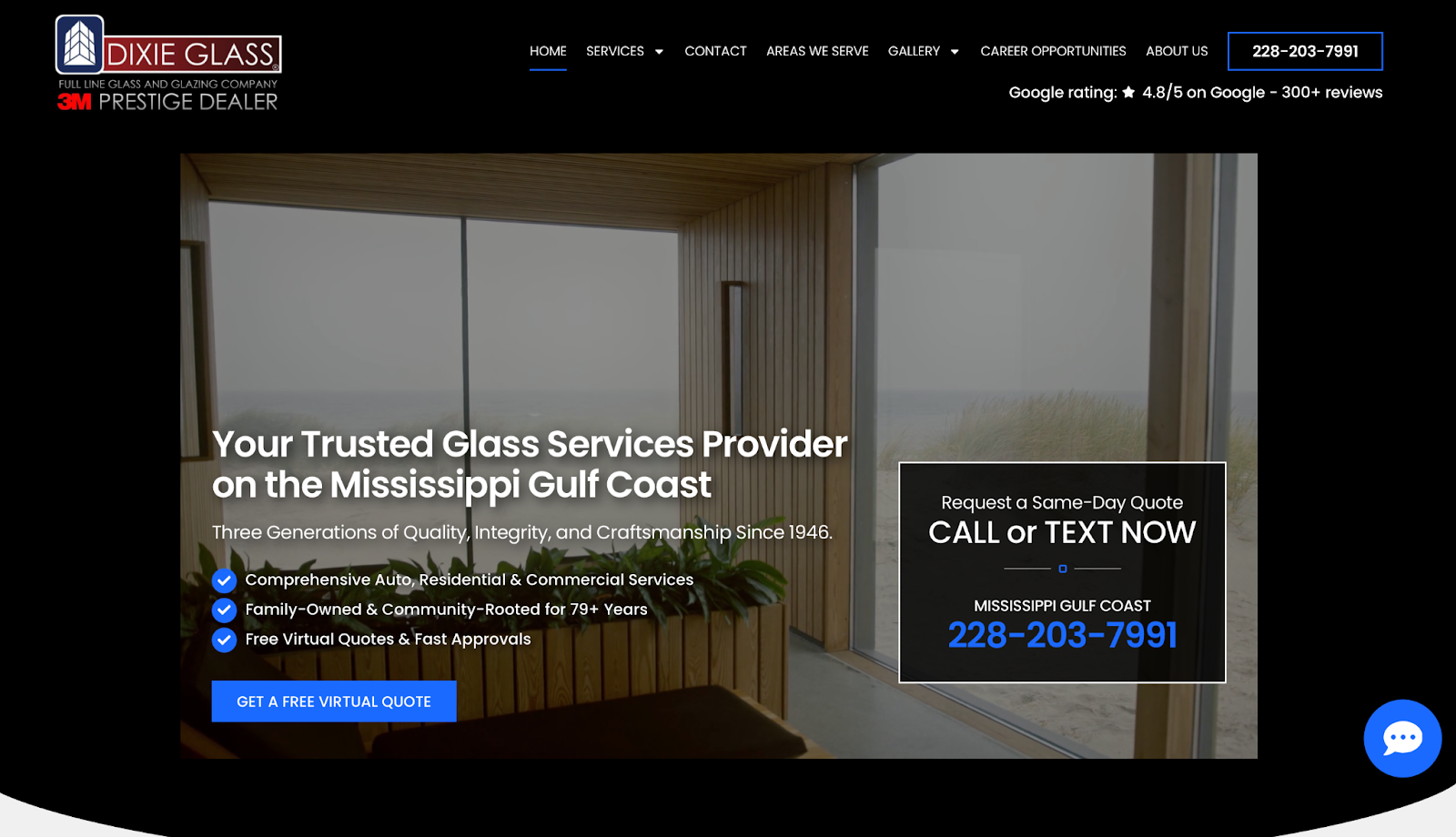
How a third-generation Gulf Coast glass company drove 76% more conversions after we rebuilt their site.
Dixie Glass needed a clearer site and better campaign visibility. Lithium rebuilt the WordPress experience around service clarity, stronger PPC landing pages, and a cleaner SEO foundation so forms, calls, and quote requests could be evaluated with less guesswork.
More conversions
Organic traffic growth
Search visibility growth
DIXIE GLASS | WEBSITE REBUILD CASE STUDY
Businesses where credibility and conversion details matter early.
Sunnyvale combines technology employers, local services, medical practices, restaurants, home improvement companies, retailers, and professional firms. A useful site respects that market by being fast, clear, specific, and measurable.
Home-service companies need pages that earn trust before the estimate request. HVAC, plumbing, electrical, roofing, remodeling, cleaning, and restoration sites should show service detail, reviews, availability, and local SEO structure without burying the call action.
Medical, dental, therapy, med spa, chiropractic, and specialty-care practices need careful language and simple scheduling. Provider bios, insurance context, treatment pages, reviews, compliance-sensitive claims, and directions should reduce uncertainty.
Contractors, builders, remodelers, painters, roofers, and specialty trades need more than attractive galleries. The site should explain project types, materials, process, scheduling, service areas, warranty details, and what happens after the estimate request.
Technology consultants, attorneys, accountants, advisors, recruiters, insurance agencies, and other professional firms need credibility before a prospect shares details. Strong pages clarify expertise, industries, proof, process, and consultation options.
Restaurants, cafes, hospitality groups, venues, caterers, and specialty food businesses need mobile experiences that answer fast. Menus, reservations, ordering, hours, events, photos, maps, and reviews should be easy to reach.
Auto repair, tire, detailing, towing, collision, glass, and fleet-service companies need a site that handles urgent mobile visits. Service categories, warranty notes, reviews, phone CTAs, and PPC landing-page support help drivers move quickly.
Retailers and specialty shops need to bridge online comparison with a store visit. Product categories, inventory cues, brand story, reviews, parking, hours, directions, and contact options help shoppers decide.
B2B, SaaS-adjacent, industrial, staffing, IT, consulting, and professional-service companies need pages that support longer evaluation. Capability detail, audience fit, integrations, proof, process, and inquiry routing all matter.
From kickoff to launch in six to nine weeks, with weekly decisions instead of mystery delays.
The build moves through strategy, content, design, development, launch testing, and handoff. Each stage has decisions and review points so the project does not become a late scramble over copy, forms, or tracking.
Discovery & strategy
Discovery maps audiences, services, deal value, current analytics, search data, competitors, and the weak points in the existing site. That work defines the sitemap, proof needs, content depth, and conversion goals.
Information architecture & content plan
Planning includes page briefs, URL structure, schema, conversion points, content outline, and measurement requirements. SEO architecture is built into the plan before visual polish starts.
Design direction
Design turns the strategy into a reusable system for desktop and mobile. We refine the visual direction, then apply the approved patterns to service pages, proof sections, forms, FAQs, resources, and landing pages.
Build, content, integrations
We build the site in Elementor on WordPress and write SEO-optimized copy in parallel. The build phase also includes forms, GA4 events, call tracking, Google Ads conversion tags, Google Business Profile alignment, schema, and any CRM or booking integrations needed to make leads trackable.
QA, launch, indexing
Launch review covers phone clicks, forms, redirects, schema validation, mobile layouts, speed basics, analytics events, conversion tags, Search Console, accessibility basics, and handoff notes before real traffic depends on the site.
30 / 60 / 90-day tracking
After launch, the site should create useful data. We watch conversion rate, request quality, traffic sources, search movement, Core Web Vitals, form behavior, and page sections that may need better copy or clearer proof.
Engineered to surface in Google AI Overviews, ChatGPT, Perplexity, and Claude when buyers ask.
A modern service site has to be readable by people and machines. Strong SEO architecture, consistent entity details, concise answers, and pages structured for AI systems help the company show up clearly across discovery surfaces.
Quotable answer blocks
Direct answers reduce friction for visitors and give AI systems cleaner passages about services, audience, process, timing, and contact options. The page should explain, then prove, instead of forcing inference.
Fact density and citations
A Sunnyvale page should sound specific enough for a careful buyer. Useful details include services, industries, security or compliance notes, credentials, response expectations, project examples, pricing context, and proof tied to the offer.
Schema for generative engines
Schema helps important facts stay legible. We use structured data for business identity, services, FAQs, breadcrumbs, articles, reviews, and actions when appropriate, then validate the output before launch.
Brand consistency across the web
Public consistency matters when buyers and answer engines compare sources. We align site copy with profiles, reviews, directories, social pages, and other mentions so the business does not appear fragmented.
Topical authority and entity coverage
Depth comes from useful related pages, not repeated claims. Service pages, FAQs, resources, case context, internal links, and local details help visitors understand fit from more than one angle.
llms.txt + AI crawler controls
AI crawler guidance can support discovery when the content is worth reading. llms.txt, robots.txt, sitemap hygiene, and accurate source pages help present approved information more clearly.
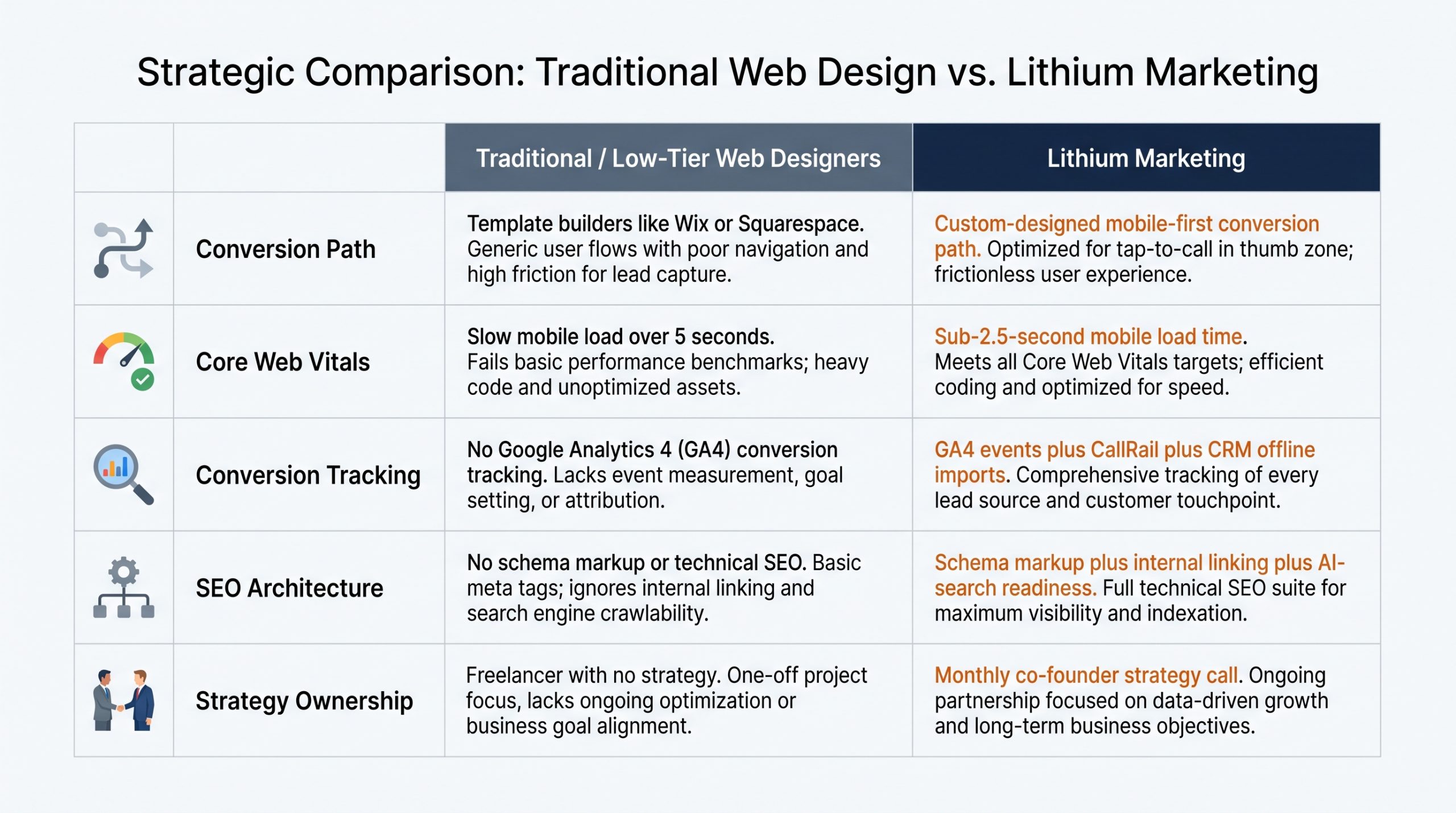
How different website choices affect a Sunnyvale business
Service businesses Lithium has built websites for.
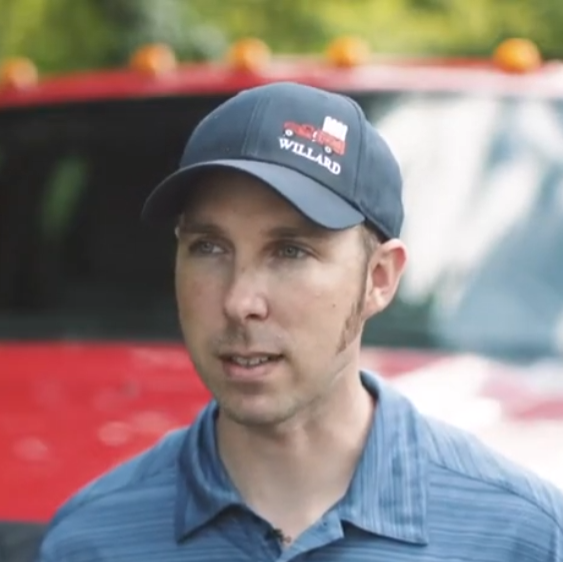
Willard Power Vac
“Lithium Marketing has been amazing for our business. They have greatly increased our web traffic and helped us land hundreds of jobs.”
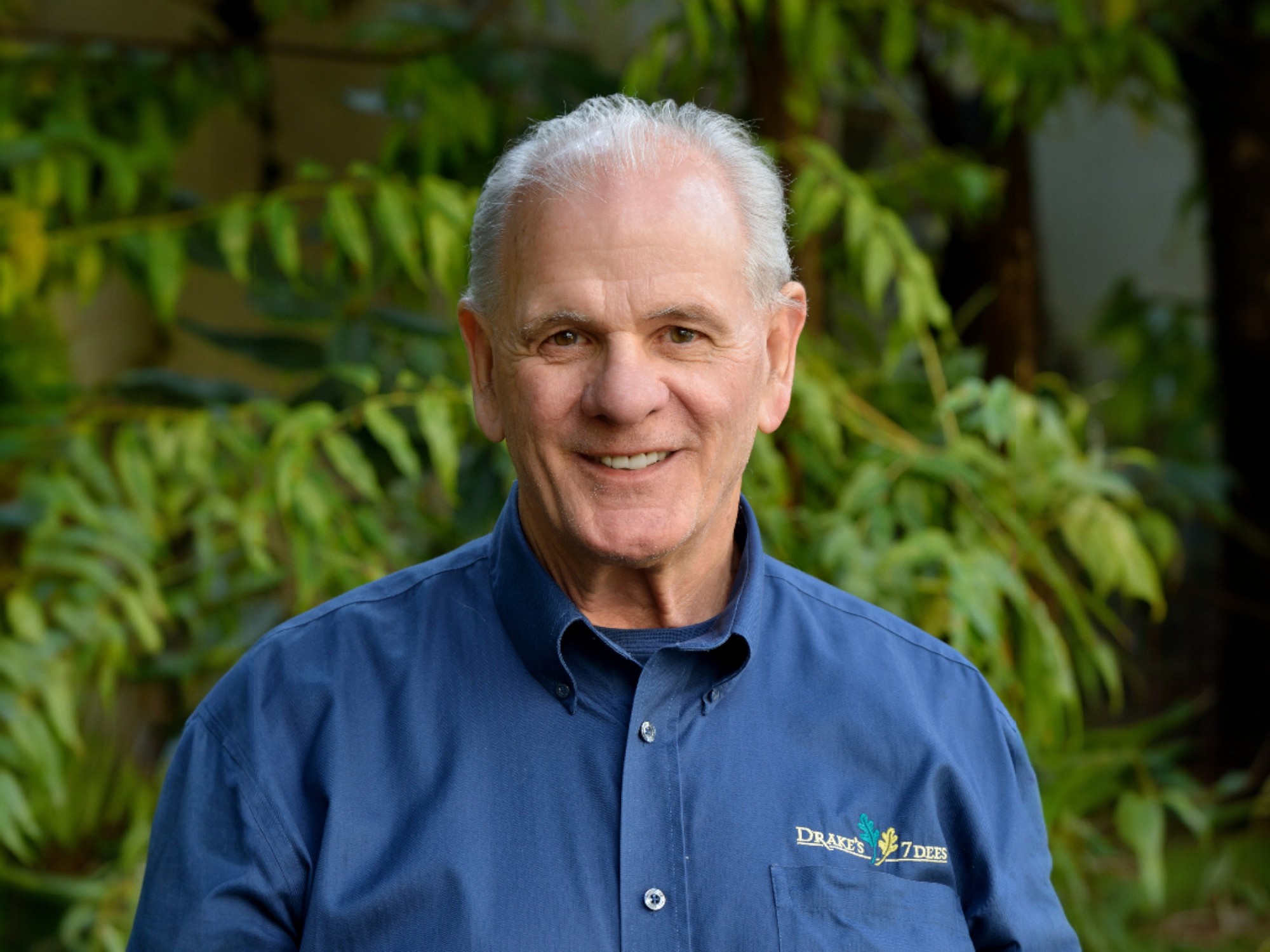
Drake’s 7 Dees
“Lithium has moved us to page 1 in Google search organically.”
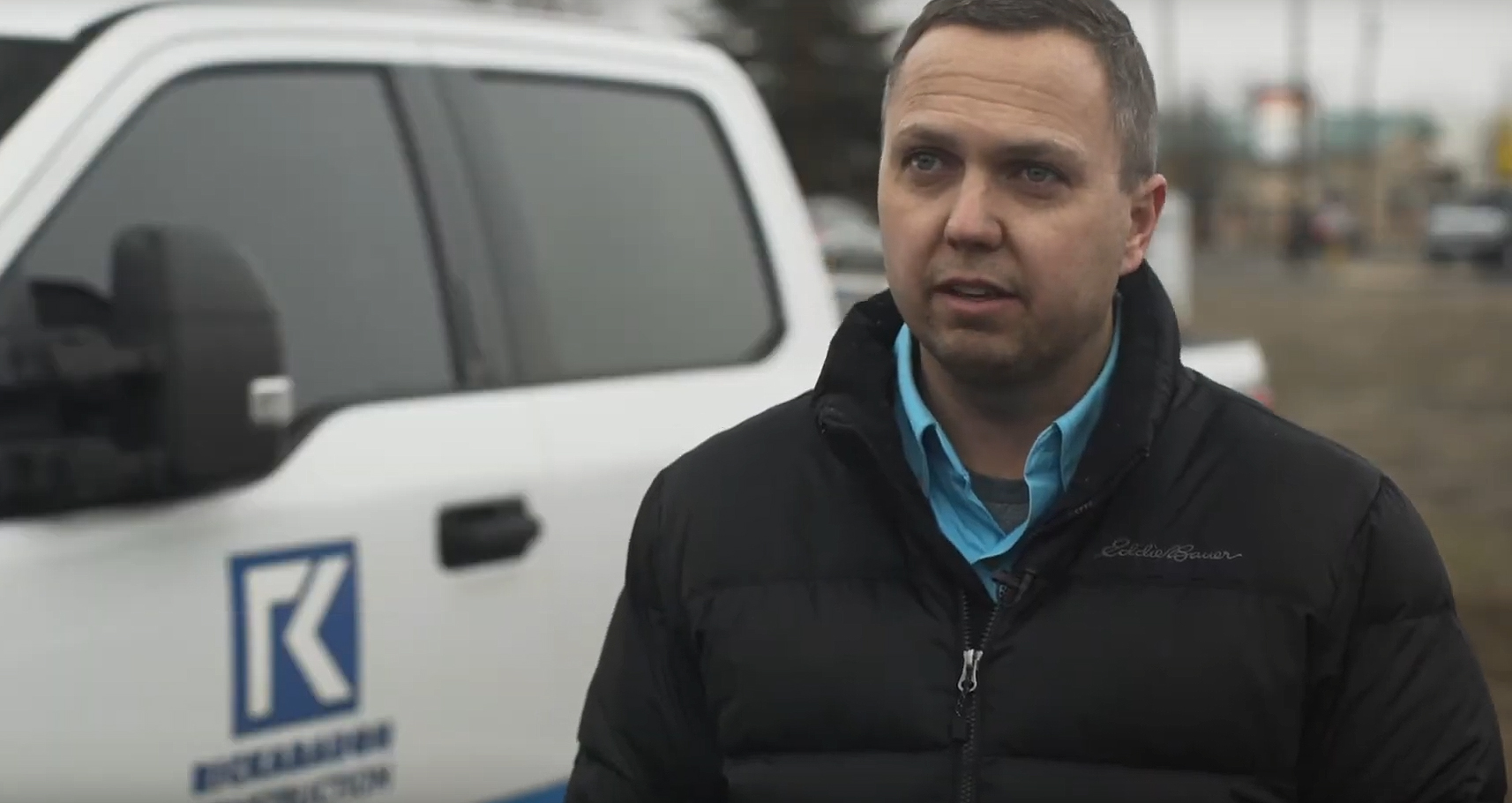
Rickabaugh Construction
“Working with Lithium Marketing has been awesome.”
Sunnyvale web design questions, answered plainly.
Most service-business websites range from $5,000 to $20,000, but complex content, integrations, landing pages, or tracking can change scope. A useful proposal should cover strategy, design, development, SEO structure, and PPC landing-page needs before work begins.
Most projects take six to nine weeks once scope, access, and feedback cadence are clear. Larger sites or approval-heavy teams may need more time because content, integrations, compliance review, redirects, analytics, and launch testing must be handled carefully.
Yes, a new site can remove technical and structural barriers by improving crawl paths, internal links, service-page depth, Core Web Vitals, schema, and local clarity. Competitive search terms still need ongoing SEO work after launch.
Yes. Your business owns the WordPress build, approved page content, creative assets, and custom work included in the scope. Domain, hosting, analytics, and advertising accounts should stay under business-controlled access after launch. That keeps the site portable and accountable after launch.
Yes. We build with WordPress and Elementor so normal page edits can be handled visually after launch. Lithium can also support technical updates, content, search, paid traffic, conversion work, and larger changes when needed. The editing setup should support routine updates without rebuilding the page.
The right fit is based on strategy, process, and accountability rather than distance. Lithium manages Sunnyvale projects with remote reviews, documentation, measurement planning, service pages, forms, analytics, and paid traffic support after launch. The review process keeps decisions visible even without local meetings.
A stronger build connects design, copy, analytics, search, and conversion tracking. That matters when a company wants SEO foundations and PPC landing pages to support the same acquisition plan after launch. The result is easier to evaluate after campaigns begin running.
Most projects run remotely because it keeps scheduling, decisions, and documentation cleaner. Calls, Loom videos, shared docs, email, and project notes are usually enough. Travel can be discussed separately if a scope truly requires it.
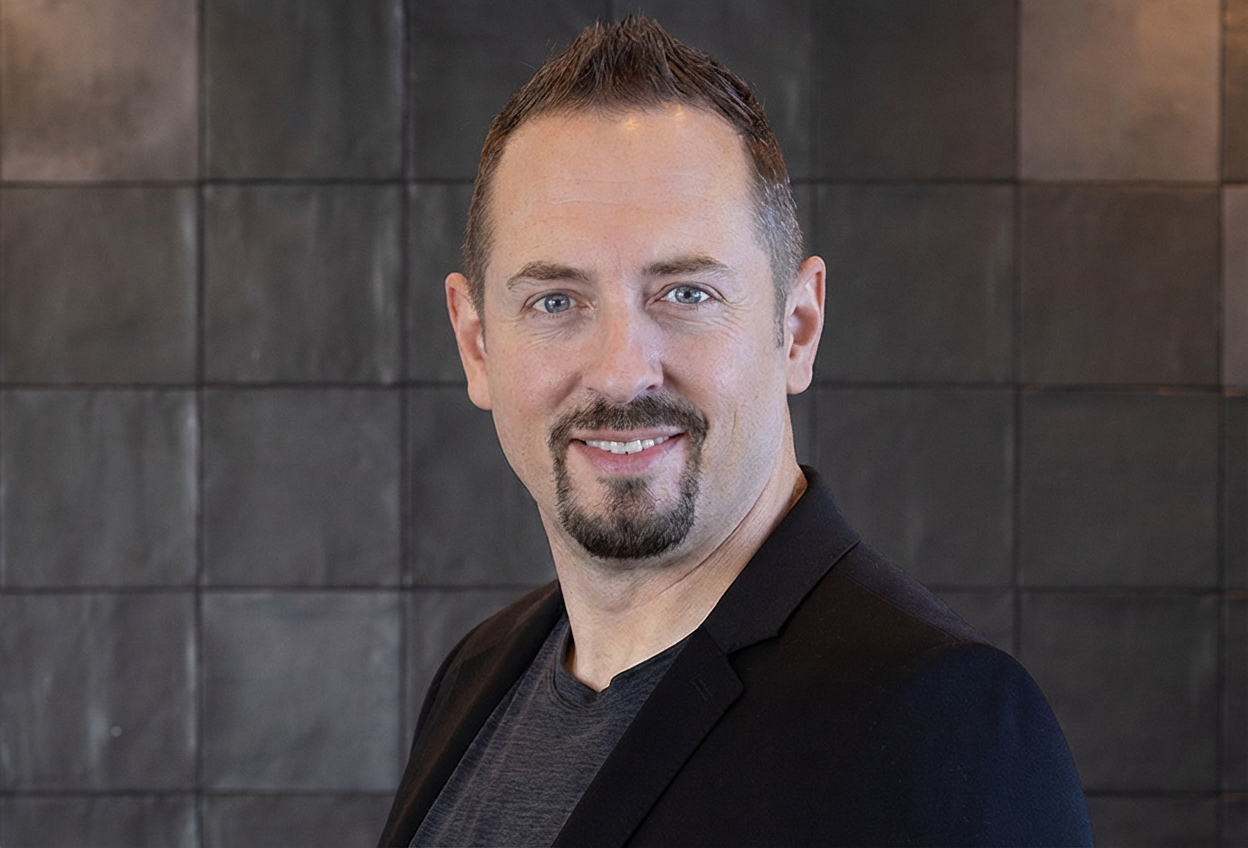
Your strategy call is led by DJ Van Zanten
DJ has worked in digital marketing for more than twenty years and has consulted with over 1,000 service businesses. On the first call, he evaluates the site through business outcomes rather than design taste alone.
Get a free website review
The review looks at speed, mobile layout, CTA placement, service-page clarity, proof, schema, Google Business Profile alignment, analytics events, form friction, and the places where serious visitors stop before contacting the business.
- No sales pitch
- 30 minutes
- You keep the audit either way