
 Septic
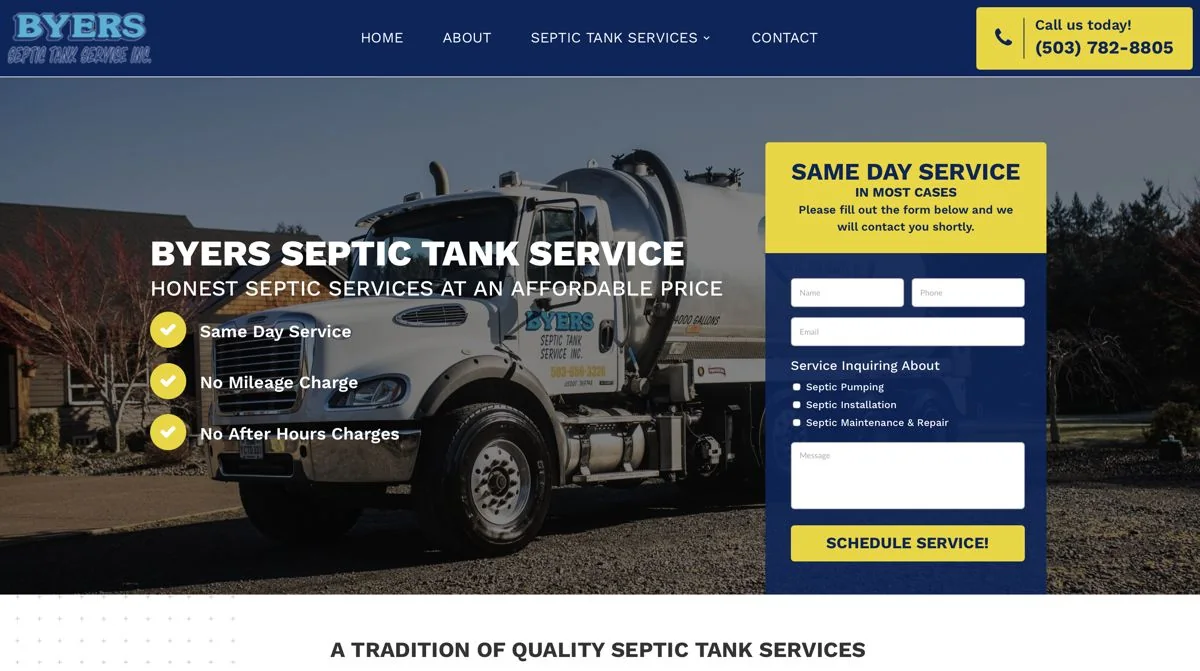
Byers Septic Service
9Xorganic traffic
91 to 799 visits a month
- more ranking keywords (36 to 395)
- 11X
- more ranking keywords (36 to 395)
- conversion rate
- 23.1%
- conversion rate
SEO for Corona, CA pest control businesses
Help Corona, CA customers discover useful pest control answers with an SEO plan that improves generic service pages and follows real enquiries with your business.
 Google PartnerView our Partners listing
5.0on Google · read our reviews
Google PartnerView our Partners listing
5.0on Google · read our reviews
Businesses
we’ve worked with
Businesses we’ve worked with
Give each service destination useful information for the customer
Lithium Marketing helps owners turn thin service content into an understandable local-search route. If each pest page repeats the same introduction beneath a different heading, customers may still not know what the company can discuss. We research useful questions, improve relevant destinations and local foundations, and connect that work with organic calls and enquiries the owner can assess.
‘Pest control corona’ records 390 monthly searches. That broad phrase introduces research, while the business's genuine services and customer questions guide the content. The plan should help a visitor recognize the relevant offer rather than assume a collection of headings explains every way to hire the company.
Research service questions and current visibility before recommending pages
The pest control phrase averages $27.40 per click. Paid acquisition research can introduce a discovery discussion, while organic SEO needs its own visibility and enquiry evidence. We examine the existing pages and useful hiring questions rather than value an organic request from that cached click figure.
Riverside County records 178 pest control establishments. Your firm's particular services need useful explanations within that broad category. We can shape accurate answers and genuine evidence for the appropriate destinations without using the establishment count to predict ranking difficulty or lead totals.
| Search | Searches a month | Cost per click |
|---|---|---|
| seo corona | 10 | not reported |
| seo agency corona | under 10 | not reported |
| seo company corona | under 10 | not reported |
| seo services corona | under 10 | not reported |
Source: Google Ads keyword data, average monthly U.S. searches. "Under 10" = below Google’s reporting floor.
Source: one Google results page for “plumber corona”, as Google showed it to a searcher located in Corona. Search ad counts exclude sponsored local listings. Results shift by searcher and day.
Use genuine property evidence to clarify the service
Corona’s median housing construction year is 1991. Genuine pest control examples can identify the property space and service the business handled in that varied housing context. A useful page should help another customer describe their own concern; the town-level year cannot establish infestation, condition or the treatment a particular property needs.
For enquiries within Riverside County’s 69.1% owner-occupied housing context, include the actual property and requester role where the team needs them. A person may discuss their own home or assist another contact. The county share cannot identify caller authority or replace the staff conversation about the proposed service.
Sources: U.S. Census Bureau 2025 population estimates, ACS 2020–2024 and 2023 County Business Patterns.
Keep search content connected with coverage and useful enquiry evidence
Pest control destinations across Corona’s 39.904 square miles of land should use the company's actual working area and a useful address question. Appropriate area content can support a clear first discussion beside the service information. The city's size does not establish travel capacity or a promised appointment.
Lithium can connect substantive service answers and genuine examples with internal links, technical work and accurate local business details. We then review actual calls and enquiry questions with staff feedback. Visibility and traffic provide evidence, while useful service conversations help the owner decide which SEO improvement merits attention next.
County Business Patterns
Trade and home service businesses in Riverside County
Establishments by industry, 2023
Source: U.S. Census Bureau, 2023 County Business Patterns (NAICS establishment counts).
Build useful service discovery from the company's genuine offer
Choose priority services, research useful questions and improve relevant destinations before assessing organic requests.
Identify the genuine offers and properties the business wants customers to discuss.
Review repeated introductions and the information customers still need.
Connect accurate service answers and genuine evidence with links and technical and business-detail work.
Follow calls and enquiries alongside visibility to guide further SEO decisions.
What every SEO retainer includes
The same eight parts go into every SEO retainer, wherever the business is.
The case results retain complete engagement credits
Byers Septic Service received website design, SEO and Google Ads as complete documented work, with no client location established by this evidence. The combined results cannot be attributed to SEO alone. Separately, Dozer Dave's Dave Turin recommends website and internet-marketing help. These sources support a practical Corona SEO discussion without promising pest control results.
Septic9Xorganic traffic
91 to 799 visits a month
“I highly recommend Dj Van Zanten if you need any help with your website and your internet marketing.”
 Dave TurinDozer Dave
Use coverage and relevant services to choose useful area content
Pest control content for Riverside and Jurupa Valley should reflect the company's genuine coverage and useful customer questions. Related SEO destinations also include Anaheim, Ontario, Irvine and Pomona. The Inland Empire metro page and California city collection provide wider planning views while your service and area pages explain the work the business can support.
Published price
$1,300–$3,000
per month
Typical local SEO retainer, scoped against what a lead is worth to you, with AI search optimization included.
FAQ

Still curious?
Call (503) 766-5964 or email [email protected].
Use accurate information and relevant questions for the actual offer, not a changed heading above the same generic introduction. Research and real customer enquiries help choose what belongs on a destination. Some offers may be better explained together when that serves the customer.
Typical expectations are technical fixes within 30 days, local and long-tail progress in 60–90 days, and revenue compounding from month four. Starting point, competition and completed work affect progress. These milestones do not promise positions or enquiries.
Discuss the services, working area, current visibility and content or technical work required. Review useful calls and enquiry questions with search evidence. A broad trade figure cannot establish the investment's return or predict booked customers.
SEO and PPC have distinct discovery scopes and evidence, though useful destinations can support visitors from either route. Advertising spend and management are separate purchases. Use actual customer paths before assuming one channel should replace the other.
Included AI readiness helps make accurate service and business information clearer for discovery. Managed AI reception is a distinct response offer with answering, qualification and agreed calendar, CRM and supported booking functions. Extra operational actions need their own scope.
Free action plan
Walk a co-founder through the pages that repeat a generic introduction and the questions staff receives. We can define substantive service content, local-search improvements and enquiry reporting for the SEO plan.
What we’ll cover
2000 NE 42nd Ave Ste D Unit 2370, Portland, OR 97213
Prefer to pick a time? Book a 30-minute call with DJ