Corona, California Web Design

Corona Web Design for Inland Empire Service Competition

Fast mobile pages built for proof, comparison, and contact.

Corona businesses compete with nearby Inland Empire providers and Orange County alternatives in the same search session. We build sites that load quickly, explain the offer, place proof close to action, and measure serious inquiries after launch.

Custom web design services displayed on laptop and phone screens
5.0
Google reviews
Verified 5-star rating across 30+ reviews
Google
Partner
Certified
Vetted search agency in Google's official program
20+
Years
Digital marketing experience under one roof
500+
Service businesses
Helped to grow with SEO across the U.S.
The Corona Website Problem

Mobile comparisons leave little room for vague pages.

Corona buyers often compare local companies with Riverside, Orange County, and wider Inland Empire options while moving between work, home, and commute routes. A page has to explain fit quickly before the visitor chooses the easier-looking provider.

Commuter-market buyers reward pages that prove value fast.

The searches that matter usually come from someone trying to solve a service problem now or shortlist a provider before the day gets busy. They need proof, location fit, and a next step without extra digging. Corona CA contractor web design or Corona dental website designer Those visits need fast mobile loading, direct copy, project or review evidence, and contact actions that work cleanly from a phone. A slow page can lose the comparison before the company is understood.

A better Corona site should handle local competition and commuter attention spans. Design, proof, search structure, forms, page speed, and tracking all need to make the business easier to choose.

Slow mobile load = lost lead

A commuter checking options from a phone will not wait through bloated visuals or shifting sections. We reduce heavy assets, script delays, layout movement, and confusing mobile hierarchy so the page can compete quickly.

No one-tap path to call you

Calls, forms, quote requests, and booking actions need to appear near the proof that creates confidence. Corona visitors may compare several providers between errands, so the next step cannot be hidden.

Built for looks, not for ranking

Technical structure should clarify service and geography. URLs, schema, internal links, Google profile alignment, and location language should support Corona and nearby Inland Empire demand without muddying the business identity.

No proof above the fold

Proof should make the company feel real immediately. Reviews, project photos, licenses, team context, service guarantees, and response expectations help a mobile visitor decide whether to call before returning to the results.

What a Corona Website Needs

A faster site for local proof, mobile action, and measurable demand.

We start by identifying where the current page loses comparison. Common issues include slow mobile load, unclear service categories, weak proof, hidden forms, inconsistent profile details, and tracking that cannot show which inquiries came from the site.

Sub-2.5-second mobile load

Performance work focuses on real mobile friction: image compression, script reduction, font loading, caching, layout stability, and interaction speed. In a commuter market, every delay makes another provider easier to choose.

Mobile Actions Built for Short Attention

The page should let a visitor call, request a quote, book, or ask a question without searching. We place actions near services, project evidence, reviews, and service-area details so momentum is not lost.

Above-the-fold value proposition

The first screen should identify the service, fit, proof, and action before asking the visitor to scroll. We avoid abstract brand language that delays the practical answer a busy customer came for.

SEO-ready architecture

URL structure, header hierarchy, internal links, and schema markup are planned before design starts. When SEO or PPC traffic reaches the site later, the page architecture is ready instead of becoming the bottleneck.

Corona GBP and Inland Empire Search Setup

Business details need to match across the website and public profiles. Services, hours, phone numbers, photos, reviews, and location language should reinforce the same Corona presence.

Real proof, placed where it converts

Proof should be visible at the point of skepticism. Project photos, review excerpts, credentials, warranties, financing notes, and service policies help visitors decide before they open the next competitor.

Tracking that ties leads to revenue

GA4 events fire on every form submission, booking action, and click-to-call. Call tracking connects conversations back to traffic source, and conversion tags are wired to Google Ads before campaigns send paid traffic into the new site.

WCAG-aware, AI-search-ready

A clear information structure helps visitors and AI systems understand the company. We use accessible layouts, semantic headings, concise answers, and consistent entity details on mobile screens.

SERVICE-BUSINESS CASE STUDY

How a third-generation Gulf Coast glass company drove 76% more conversions after we rebuilt their site.

Dixie Glass came to Lithium with an outdated site and weak measurement despite a long service history. We rebuilt quote actions, repaired paid traffic tracking, and strengthened organic search foundations. Within twelve months, conversions rose 76 percent, visibility grew 71.2 percent, and organic traffic increased 18.2 percent.

76%

More conversions

18.2%

Organic traffic growth

71.2%

Search visibility growth

DIXIE GLASS | WEBSITE REBUILD CASE STUDY

Mississippi Gulf Coast • Since 1946
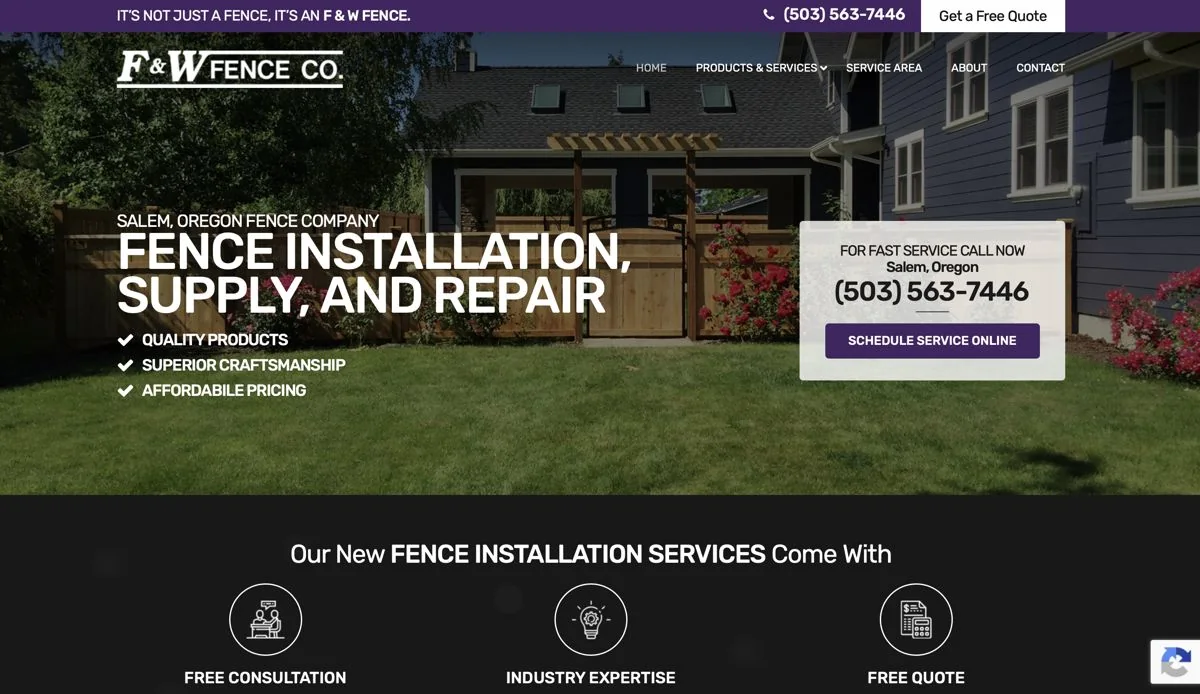
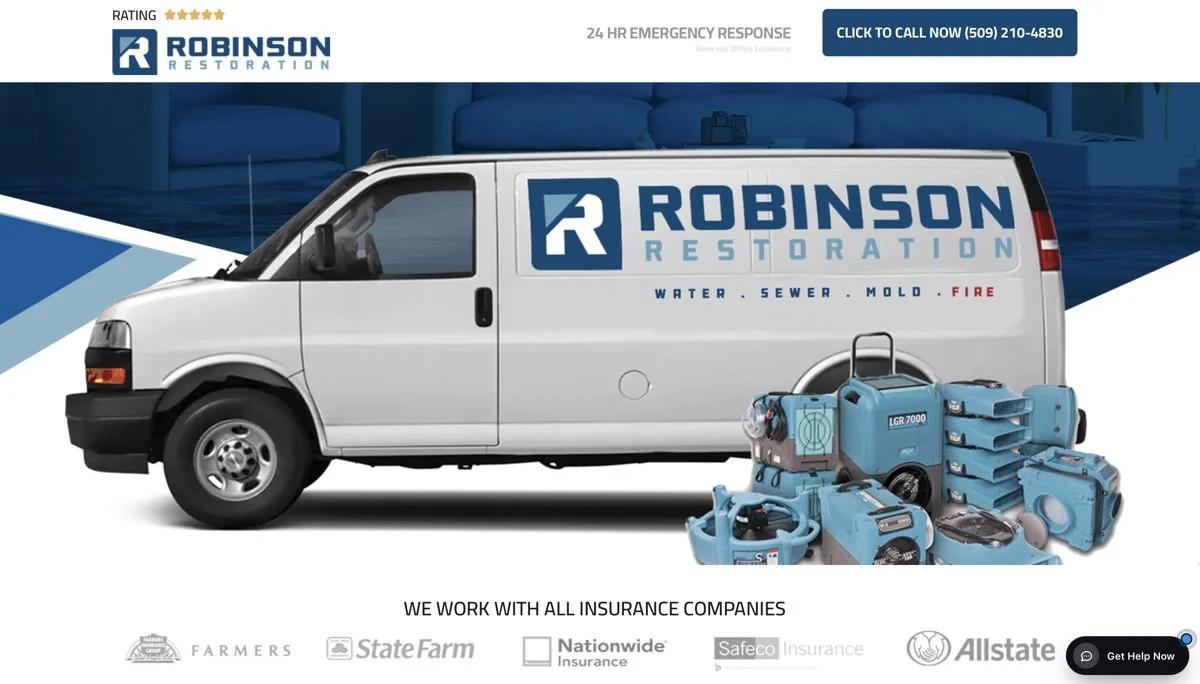
Dixie Glass website rebuilt by Lithium Marketing. A WordPress conversion-focused redesign that replaced an outdated Wix site
Dixie Glass logo
Who We Build For in Corona

Local service companies competing for fast mobile decisions.

Corona businesses often serve homeowners, commuters, facilities teams, patients, shoppers, and professional buyers across Riverside County and nearby markets. The website should prove fit quickly and make contact easy from a phone.

Home services

HVAC, plumbing, electrical, roofing, restoration, cleaning, and remodeling companies need pages that handle urgent comparison. We connect service detail, review proof, project evidence, and local search structure with fast quote actions.

Dental and medical practices

Dental, medical, med spa, therapy, chiropractic, and specialty practices need patient reassurance. Provider details, treatment pages, financing or insurance notes, reviews, booking options, and location details should be easy to scan.

Contractors and construction

Contractors and trades need proof that fits Southern California properties. Project photos, materials, service categories, estimate steps, licenses, and warranties help visitors judge whether the company handles their kind of job.

Legal and professional services

Professional-service firms need credibility before the inquiry. Attorneys, accountants, consultants, insurance agents, and advisors should explain specialties, process, credentials, and consultation options without burying the form.

Hospitality and restaurants

Restaurants, venues, fitness studios, hotels, caterers, and entertainment businesses need practical mobile details. Hours, menus, events, bookings, parking, photos, and reviews influence decisions during short breaks.

Auto services

Auto repair, towing, detailing, glass, collision, tire, and fleet service pages need fast answers. Service categories, warranties, reviews, appointment prompts, and paid search pages should fit urgent mobile behavior.

Specialty retail

Retailers, showrooms, and specialty shops need pages that justify a visit. Product categories, inventory cues, financing, photos, reviews, directions, and appointment options help shoppers choose amid many nearby alternatives.

B2B services

B2B, logistics, manufacturing, recruiting, and professional firms need content that qualifies the right prospect. Capability pages, industries served, response process, proof, and forms should support a longer sales conversation.

OUR PROCESS

From kickoff to launch in six to nine weeks, with weekly decisions instead of mystery delays.

The process stays visible from strategy through launch. Corona clients review the page plan, copy, design direction, mobile layouts, and QA checkpoints so local proof and contact details are right before traffic arrives.

01

Discovery & strategy

Week 1

Discovery reviews service mix, competitive pressure, commute-driven behavior, revenue per inquiry, analytics, profile data, and Search Console when available. The goal is to define what a mobile visitor must understand quickly.

02

Information architecture & content plan

Week 2

Planning includes sitemap, URL structure, page briefs, schema notes, tracking events, and conversion priorities. Search structure is built into the architecture before the design is finalized.

03

Design direction

Week 2–3

Design direction starts with the mobile decision. We show how service detail, proof, CTAs, reviews, and location context will appear before expanding the system across the full site.

04

Build, content, integrations

Week 3–6

We build the site in Elementor on WordPress and write SEO-optimized copy in parallel. The build phase also includes forms, GA4 events, call tracking, Google Ads conversion tags, Google Business Profile alignment, schema, and any CRM or booking integrations needed to make leads trackable.

05

QA, launch, indexing

Week 6–7

Launch QA checks phone taps, forms, booking tools, redirects, mobile breakpoints, schema, analytics, ad tags, profile consistency, page speed, and thank-you states before the site is relied on.

06

30 / 60 / 90-day tracking

Post-launch

After launch, we review which pages produce calls, which forms convert, where mobile visitors drop, which service searches grow, and what proof needs to be added for the next improvement cycle.

AI SEARCH READINESS: AEO + GEO

Engineered to surface in Google AI Overviews, ChatGPT, Perplexity, and Claude when buyers ask.

Organic visibility and AI search readiness both improve when the site states services, geography, proof, and next steps clearly. The content should help people first and machines second.

Quotable answer blocks

Direct answer blocks help a commuter scan quickly and give AI systems cleaner language to interpret. The answer comes first, then proof and context support it.

Fact density and citations

Corona pages should include concrete buying details: service radius, response expectations, project examples, licenses, review themes, financing options, warranties, and photos that feel tied to the actual work.

Schema for generative engines

Schema gives search engines a structured version of important facts. Business identity, services, FAQs, breadcrumbs, reviews, and action details are marked up where appropriate and validated before launch.

Brand consistency across the web

The business should look consistent across the web. Website pages, Google profile data, directory listings, reviews, social profiles, and public mentions should all describe the same Corona service company.

Topical authority and entity coverage

Depth is built around the comparison. Service pages, proof sections, FAQs, local examples, internal links, and supporting guides help visitors understand why this provider fits without repeating the same phrase everywhere.

llms.txt + AI crawler controls

Crawler guidance supports a clear source library. llms.txt and robots.txt help define how automated systems approach the site, but they work best when service pages already explain the business well.

LITHIUM VS. DIY VS. TYPICAL WEB DESIGNER

How Corona businesses compare web design options

Strategic comparison of traditional web designers vs Lithium Marketing across conversion path, Core Web Vitals, conversion tracking, SEO architecture, and strategy ownership
Capability
DIY Builder (Wix / Squarespace)
Typical Web Designer
Lithium Marketing
Mobile load time
DIY Builder (Wix / Squarespace):
5+ seconds, untuned
Typical Web Designer:
3-5 seconds, theme-defaults
Lithium Marketing:
Sub-2.5 seconds, Core Web Vitals targets met
Mobile proof before the next result
DIY Builder (Wix / Squarespace):
Home page used as landing
Typical Web Designer:
Stock template hero
Lithium Marketing:
Mobile-first hero with tap-to-call + sticky CTA
Conversion tracking
DIY Builder (Wix / Squarespace):
Default Google Analytics only
Typical Web Designer:
GA4 at launch, never audited
Lithium Marketing:
GA4 + CallRail + offline conversion imports from CRM
Schema markup + technical SEO
DIY Builder (Wix / Squarespace):
None
Typical Web Designer:
Plugin-installed, unvalidated
Lithium Marketing:
LocalBusiness + Service + FAQ + Article schema, validated in Rich Results Test
Site-speed monitoring (post-launch)
DIY Builder (Wix / Squarespace):
Never
Typical Web Designer:
Project-based, then handoff
Lithium Marketing:
Ongoing Core Web Vitals monitoring + alerts
Real proof above the fold
DIY Builder (Wix / Squarespace):
Generic stock language
Typical Web Designer:
Logos only, no outcomes
Lithium Marketing:
Outcome stats + client photo, CRO-tested placement
Site ownership
DIY Builder (Wix / Squarespace):
Locked into template platform
Typical Web Designer:
Sometimes you own it
Lithium Marketing:
You own the site, the domain, the CMS, all assets
AI-search readiness
DIY Builder (Wix / Squarespace):
Nothing built in
Typical Web Designer:
Nothing built in
Lithium Marketing:
llms.txt + structured data + quotable answer blocks
Internal linking + SEO architecture
DIY Builder (Wix / Squarespace):
Flat structure, no hierarchy
Typical Web Designer:
Whatever the template gives you
Lithium Marketing:
Topical hub-and-spoke + breadcrumb schema
Strategy ownership across web, SEO, CRO
DIY Builder (Wix / Squarespace):
N/A
Typical Web Designer:
Handed off to a junior at launch
Lithium Marketing:
Monthly co-founder strategy call
REAL CLIENTS, REAL OUTCOMES

Service businesses Lithium has built websites for.

Daniel Busby

Willard Power Vac

“Lithium Marketing has been amazing for our business. They have greatly increased our web traffic and helped us land hundreds of jobs.”

Drake Snodgrass

Drake’s 7 Dees

“Lithium has moved us to page 1 in Google search organically.”

Marc Rickabaugh

Rickabaugh Construction

“Working with Lithium Marketing has been awesome.”

FREQUENTLY ASKED QUESTIONS

Corona web design questions, answered plainly.

A Corona service-business website usually ranges from $5,000 to $20,000, depending on page count, content depth, quote or booking tools, media needs, search structure, and paid traffic support. We scope after reviewing the current site and growth goal.

Most projects take six to nine weeks once access, scope, and review timing are clear. Sites with many service pages, large galleries, booking tools, or tracking cleanup may need additional planning before build work starts.

Yes, a new build can improve organic visibility by strengthening crawl paths, service-page depth, internal links, schema, mobile speed, local proof, and profile consistency. Competitive searches still need ongoing optimization after launch for high-intent local searches.

Yes. The business owns the WordPress build, approved content, scoped creative assets, and custom work created for the project. Domain, hosting, analytics, advertising, and search accounts should also remain under your control through launch and beyond.

Yes. We build with WordPress and Elementor so normal edits can be made visually after launch. Lithium can also support technical updates, content, search work, paid traffic, reporting, and conversion improvements when competition or offers shift.

The work is managed through strategy, documentation, and measurable QA rather than location alone. Lithium supports Corona projects with remote reviews, local research, service-page planning, mobile testing, and conversion tracking that keeps accountability clear after launch.

A stronger site connects design, proof, analytics, search foundations, and paid campaign support. That matters when local service buyers move quickly between organic results, ads, referrals, and mobile maps during short comparison windows on mobile screens.

Most projects run remotely because it keeps feedback and approvals easier to manage. Calls, Loom videos, shared docs, email, and project notes cover normal collaboration. Travel can be discussed separately when a project truly requires it.

MEET THE CO-FOUNDER

DJ Van Zanten leads the strategy review

DJ has worked in digital marketing for more than twenty years and has reviewed growth issues for over 1,000 service businesses. He leads the first call so the conversation stays focused on buyer behavior and measurable contact actions.

Get a free Corona website review

The review covers mobile speed, service clarity, CTA placement, local proof, profile alignment, schema, form behavior, analytics events, and where Inland Empire visitors may leave before contacting the business.

Scroll to Top