
Ontario SEO Built for Service and B2B Inquiries
Build search pages that explain the offer and earn action.
We help Ontario companies improve the search system behind real inquiries: technical SEO, service-page structure, local profile consistency, buyer-focused content, proof placement, AI-search clarity, and analytics that show what organic visitors do after they land.
- Classic SEO: technical foundation, on-page, content, schema
- AI Search: AEO and GEO for AI Overviews, ChatGPT, Perplexity, Claude
- Local SEO: Google Business Profile and Map Pack visibility
- Reporting tied to leads and revenue. Google Partner. 5.0 across 30+ Google reviews

Partner
Searchers leave when a page feels vague or slow.
Ontario businesses operate in an Inland Empire market shaped by logistics, healthcare, retail, contractors, professional services, airport traffic, and customers who compare providers across nearby cities. Search visibility has to clarify what the company does before another result wins the visit.
“ The right page should make a busy buyer understand fit quickly.
The valuable searches are often direct and tied to a real task. A facility manager, homeowner, patient, or shopper may be comparing options after searching for: Ontario CA warehouse electrician or Ontario urgent care appointment Those visitors need pages with fast load times, clear service language, location confidence, proof, and a next step that does not make them hunt through the site.
SEO underperforms when technical work, service content, local data, reviews, and tracking are treated as separate chores. The stronger approach lines them up so searchers can find, trust, and contact the business more easily.
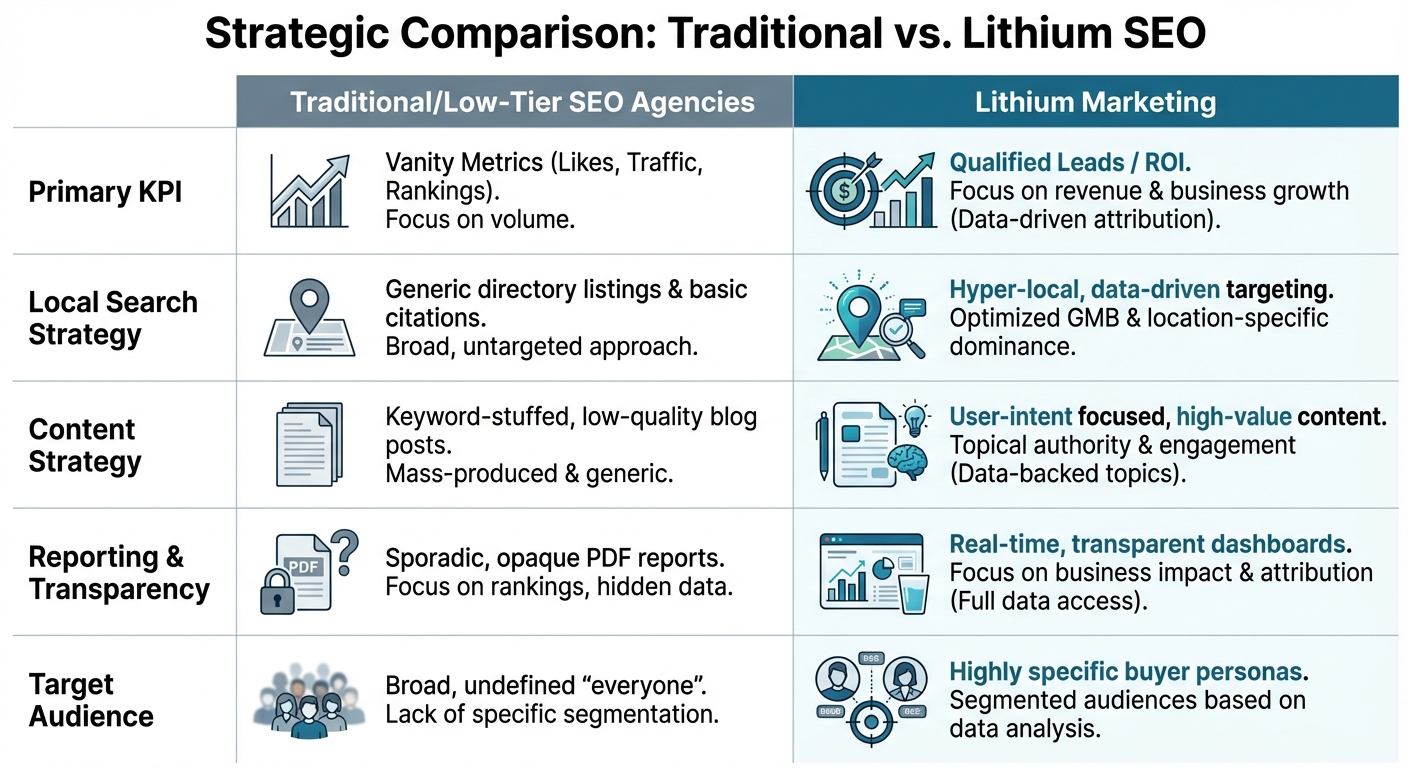
Ranking for queries that do not convert
Page speed matters when buyers are comparing options between meetings, job sites, or errands. We review Core Web Vitals, image weight, scripts, hosting behavior, and layout shifts so the site does not waste attention before the offer appears.
Technical debt blocking growth
A page should not make a ready visitor search for the next step. Calls, forms, quote requests, booking links, and consultation buttons need to appear near the services, proof, and answers that create confidence.
Generic content that says nothing local
Technical and local structure help Google understand the business. Clean URLs, internal links, schema, accurate categories, service pages, and consistent business data all support a clearer Ontario search footprint.
No measurement tied to revenue
Proof should appear close to the claims it supports. Reviews, project photos, certifications, response expectations, safety notes, case examples, and service-area clarity help a skeptical visitor decide whether the company deserves contact.
A coordinated plan for technical health, content, and local proof.
Every account starts with the same practical review: where is the site losing search opportunity or buyer confidence? The answer may involve crawl repair, page depth, local signals, Google profile work, authority, or measurement.
Technical SEO foundation
Technical SEO checks whether the site can be read, indexed, and trusted. We audit redirects, crawl paths, duplicate content, sitemap health, schema, speed, JavaScript, image delivery, and templates that may limit multiple service pages.
Mobile-first indexing readiness
Mobile review is central because local searches often happen away from a desk. We test tap targets, navigation, form usability, sticky actions, content order, and loading behavior so the page is usable when time is short.
Keyword strategy tied to revenue per lead
Keyword strategy weighs search intent against business value. Ontario companies may need separate pages for commercial, residential, emergency, appointment, or B2B searches, each with content matched to the way that buyer chooses.
On-page SEO depth on every page
On-page improvements cover titles, headings, meta descriptions, internal links, schema, FAQs, and proof placement. The goal is to answer the search directly while giving people enough context to call, book, or request pricing.
Local SEO and GBP optimization
Local SEO aligns Google Business Profile details, citations, services, reviews, photos, and location coverage. For Ontario companies, that often means clarifying Inland Empire reach while keeping the main business facts consistent.
Authority Work That Fits the Market
Authority work is strongest when it resembles real-world relevance. We look for supplier references, trade groups, local partnerships, industry directories, sponsorships, and editorial mentions that make sense for the company and the category.
Tracking that ties traffic to revenue
Measurement turns SEO from guesswork into a managed program. We connect Search Console, GA4, call tracking, form events, and landing-page reporting so organic performance can be reviewed against actual inquiries.
AI search and generative engine optimization
AI search readiness starts with facts that are easy to interpret. We structure services, locations, credentials, process, pricing context, and answer sections so both people and search systems can understand the business clearly.
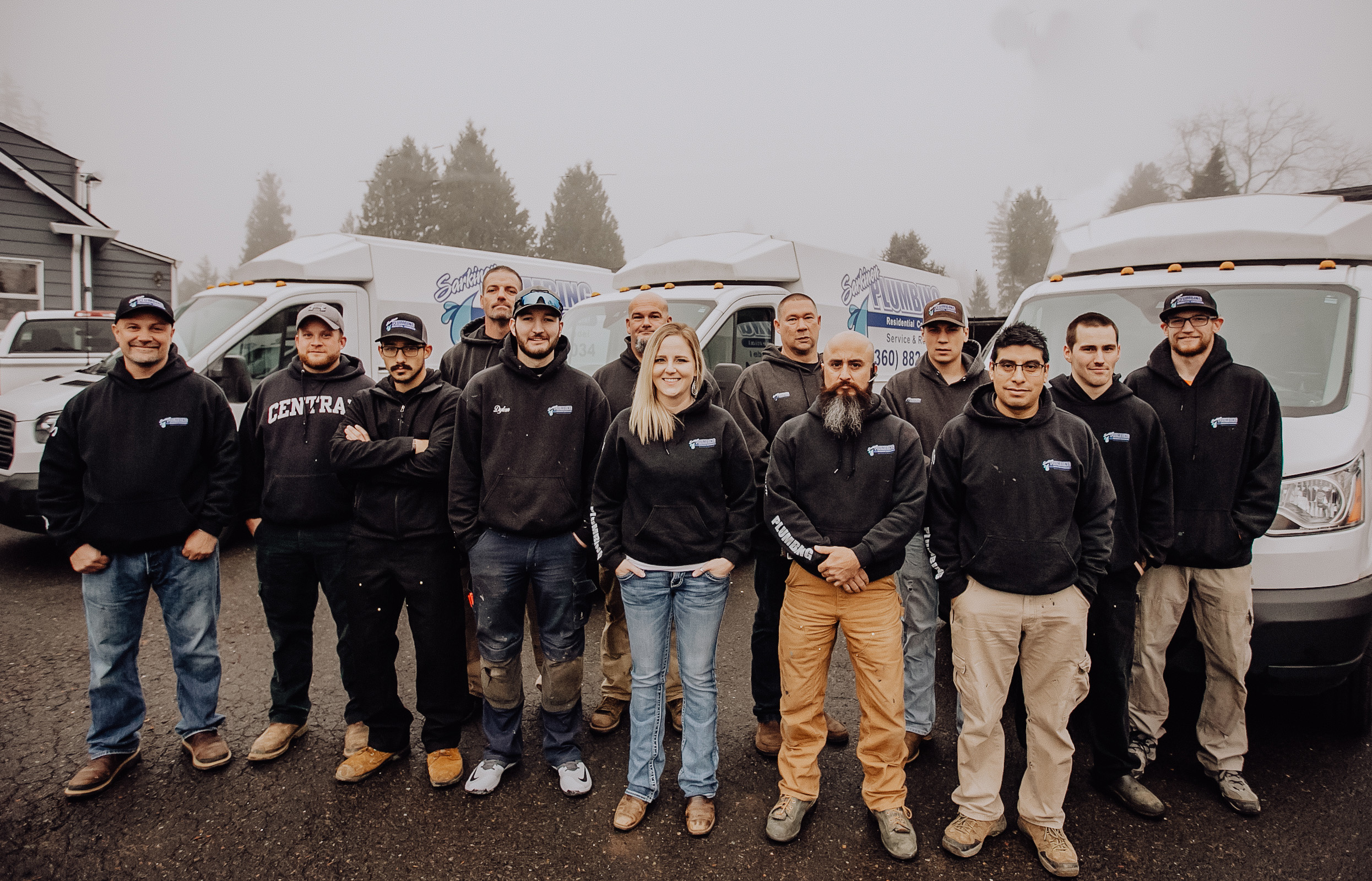
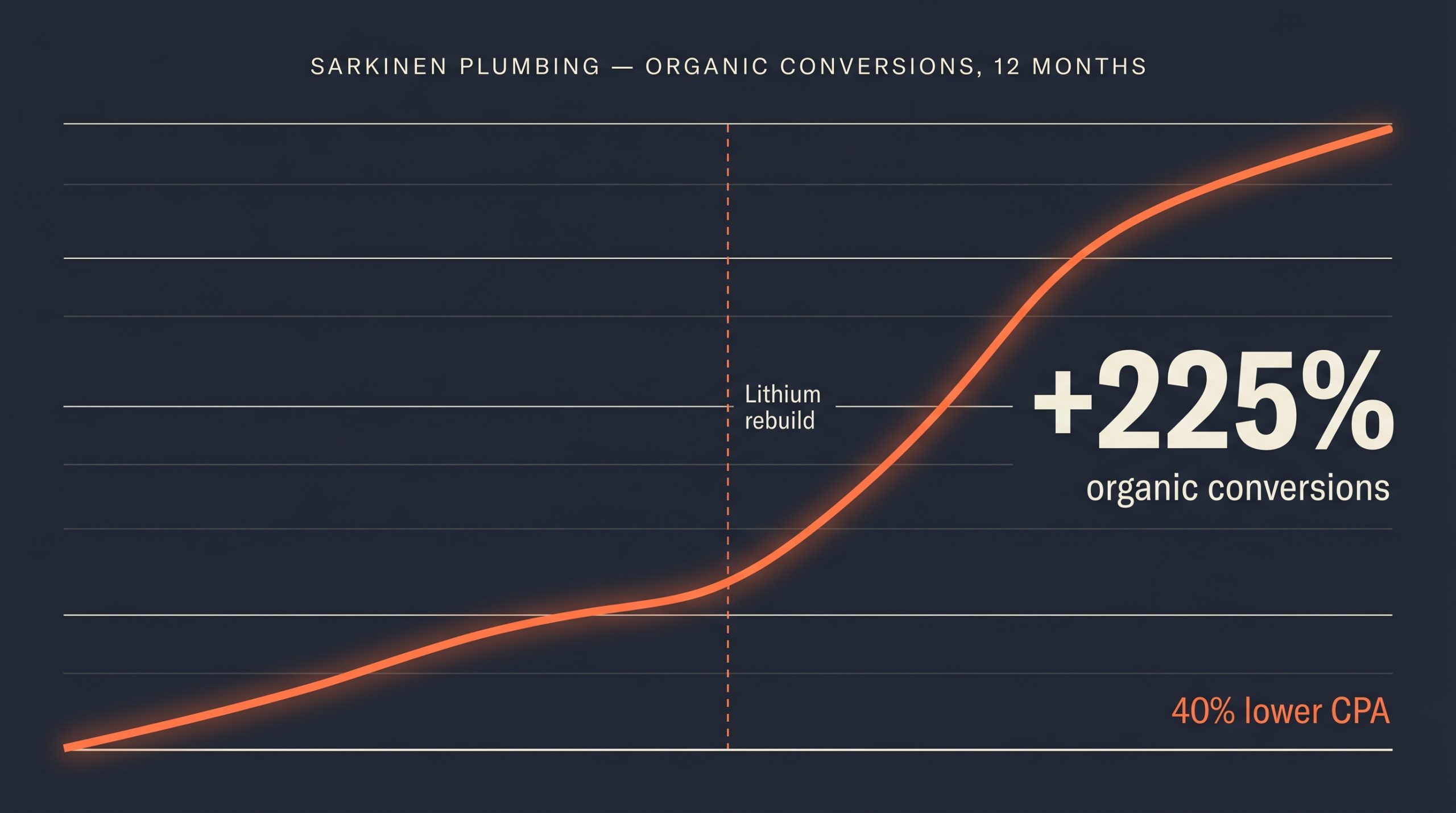
How a service business put 225% more conversions on the board with technical SEO and a content rebuild.
Sarkinen Plumbing had organic visibility but needed better outcomes from buying-intent searches. Lithium rebuilt service pages around customer questions, improved the technical base, strengthened local profile signals, and tracked calls, forms, and quote requests. Conversions rose 225 percent while cost per acquisition dropped 40 percent.

Companies where search visibility needs to become action.
Ontario’s market includes logistics, construction, healthcare, retail, professional services, hospitality, and home services. We fit businesses that need buyers to understand the offer quickly and take a measurable next step.
Home-service SEO supports HVAC, plumbing, electrical, roofing, restoration, cleaning, remodeling, pest control, and landscaping companies. Pages should explain urgent help, planned projects, coverage, reviews, warranties, photos, and how to request service.
Dental, medical, urgent care, therapy, and wellness practices need pages that reduce patient uncertainty. Provider bios, appointment details, insurance notes, reviews, location access, and procedure explanations help people choose with less friction.
Contractors, builders, commercial trades, remodelers, and facility-service companies need proof tied to job type. We organize project categories, credentials, safety details, service pages, and estimate language around the decision a buyer is making.
Professional-service SEO for law, accounting, consulting, staffing, insurance, and advisory firms depends on trust and specificity. Practice pages should explain expertise, process, credentials, industries served, and what happens after a prospect reaches out.
Restaurants, event venues, hotels, caterers, and entertainment businesses need discovery details that stay current. Menus, reservations, events, hours, parking, photos, and Google profile updates should answer quickly from a phone.
Auto repair, fleet service, towing, detailing, glass, and tire businesses often serve urgent searches. SEO can clarify services, appointment options, vehicle categories, reviews, warranties, and coverage for nearby drivers and managers.
Specialty retail needs pages that help shoppers confirm product fit before visiting. Inventory cues, category detail, financing, delivery, photos, staff expertise, local reviews, and accurate merchant data can support both search and store visits.
B2B SEO for logistics, manufacturing, distribution, technology, staffing, and professional services often supports longer decisions. The content should explain capability, industries served, service territory, proof, and how a qualified inquiry moves forward.
From audit to compounding organic traffic in ninety days, with monthly reporting tied to leads and revenue.
SEO is a compounding system, not a one-time project. The Lithium process starts with a technical audit and a keyword strategy locked to revenue per lead, then ships fixes and content on a weekly cadence with monthly reporting that ties impressions to booked work.
Discovery and full SEO audit
Discovery combines data with business context. We review Search Console, analytics, Google Business Profile, crawl results, rankings, conversions, backlink quality, and competitor pages before setting priorities for Ontario search growth.
Keyword strategy and content roadmap
The roadmap turns findings into a working sequence: technical fixes, service-page briefs, keyword clusters, internal links, local profile updates, citation cleanup, review strategy, and authority opportunities ranked by likely impact.
Technical fixes and on-page work
Core Web Vitals optimization on the pages buyers actually land on, render-blocking JavaScript removal, image compression with lazy loading, schema deployment (LocalBusiness, Service, FAQPage, BreadcrumbList, Article), internal linking restructure, sitemap cleanup, and indexation pruning. Every schema change validated in Google’s Rich Results Test before it ships.
Content production and on-page SEO
Core content focuses on decision pages first. Service pages, location pages, FAQs, proof sections, and supporting articles should answer buyer questions clearly before the campaign expands into broader educational content.
Local SEO and link earning
Local search work strengthens the off-site facts buyers see. We clean up citations, improve Google profile content, align service areas, support review growth, and look for relevant mentions that reinforce the business category.
Measurement and monthly iteration
Monthly reporting explains the work and the results. We review impressions, clicks, rankings, local pack movement, calls, forms, page-level conversion, completed fixes, and the next opportunities that deserve attention.
Engineered to surface in Google AI Overviews, ChatGPT, Perplexity, and Claude.
SEO, answer optimization, and generative visibility all depend on clean facts. We build pages with direct answers, consistent entity information, crawlable sections, and service detail that can be understood without filler.
Quotable answer blocks
An answer-ready section should give the short answer first, then add detail. That structure helps a buyer scan quickly and gives search systems a clearer passage to interpret when comparing service providers.
Fact density and citations
Specific details help Ontario pages feel real. Services, coverage, credentials, project examples, team experience, appointment steps, pricing context, and review patterns should be included when they are true and useful.
Schema for generative engines
Schema gives search engines a structured version of the page. We apply LocalBusiness, Service, FAQPage, BreadcrumbList, Article, and Review markup where appropriate, then validate it before relying on it.
Brand consistency across the web
Generative systems and traditional search both rely on public business facts. We compare the website, Google profile, reviews, citations, social profiles, and local mentions so the Ontario business is described consistently.
Topical authority and entity coverage
Topical depth comes from explaining connected services and decisions. We link service pages, FAQs, guides, proof, and entity references so the site shows relationship and expertise instead of repeating one keyword.
llms.txt + AI crawler controls
An llms.txt file can provide crawler guidance for important source pages and preferred usage notes. It should support, not replace, clear content, sitemap hygiene, and consistent business details.
What each SEO effort should add to the business
Service businesses Lithium has driven SEO results for.
Willard Power Vac
“Lithium Marketing has been amazing for our business. They have greatly increased our web traffic and helped us land hundreds of jobs.”
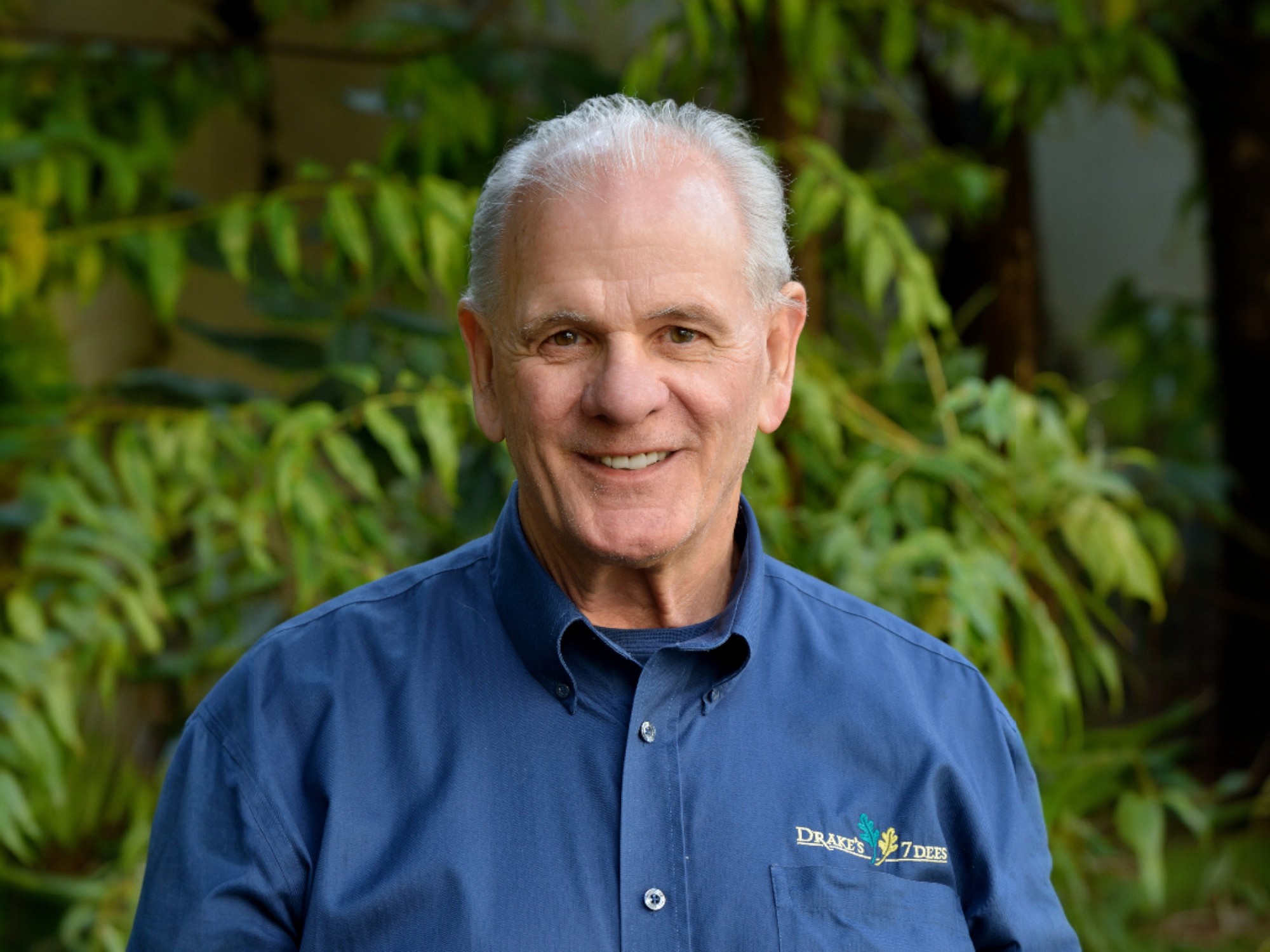
Drake’s 7 Dees
“Lithium has moved us to page 1 in Google search organically.”
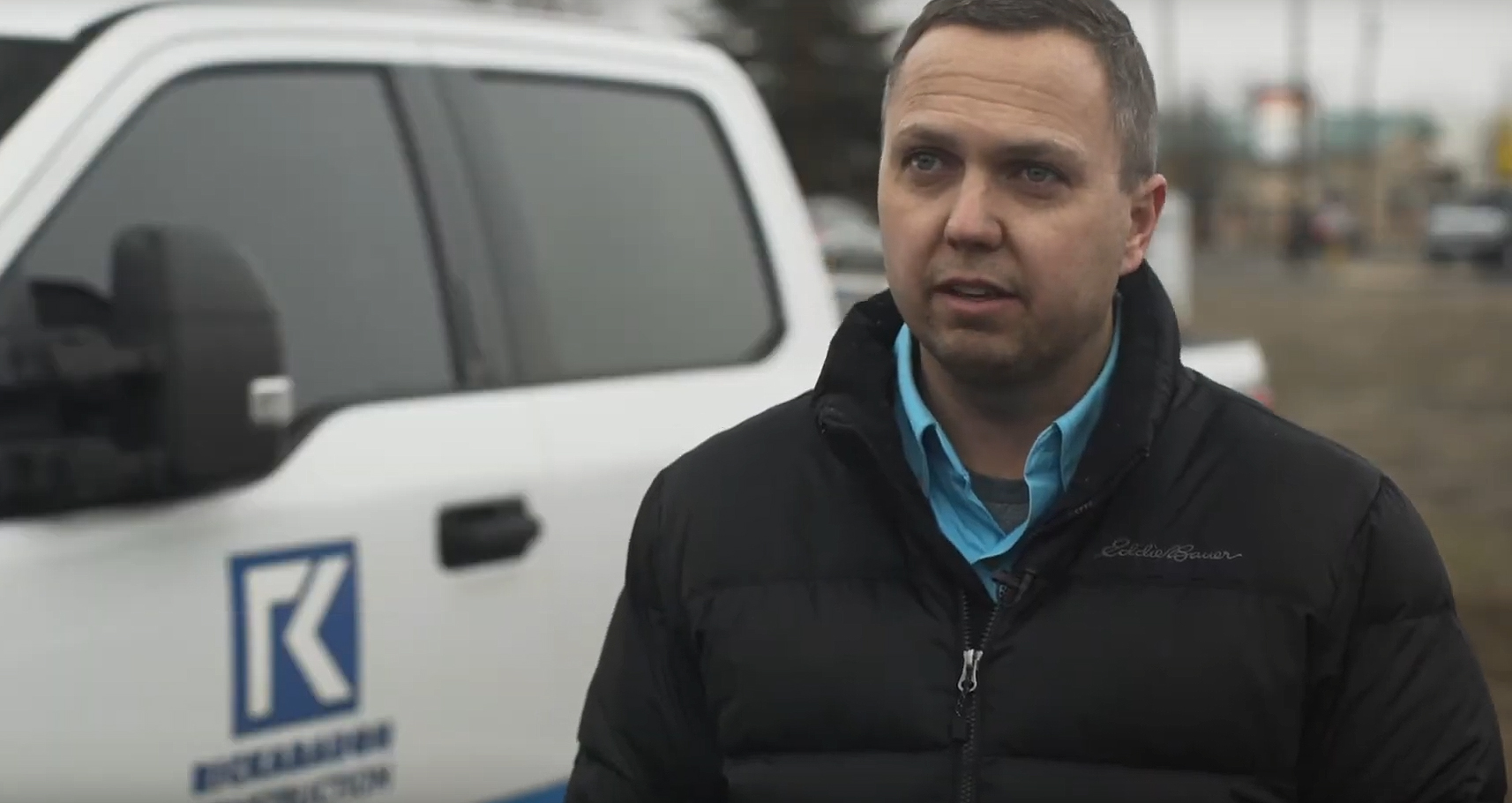
Rickabaugh Construction
“Working with Lithium Marketing has been awesome.”
Ontario SEO questions, answered plainly.
Some improvements can show within 60 to 90 days, especially when technical problems, indexing issues, or profile gaps are limiting the site. Competitive service and B2B terms usually need six to twelve months because content, authority, local proof, and conversion quality build over time.
Google Ads can help Ontario companies test high-intent searches and create immediate visibility. SEO builds the longer-term organic foundation. The best mix depends on budget, urgency, competition, margins, and how quickly the business needs measurable inquiries.
Most local SEO retainers for service businesses range from $1,300 to $3,000 per month. The final scope depends on competition, technical debt, page count, content needs, profile cleanup, authority work, and the value of each qualified inquiry.
No ethical SEO provider can guarantee a specific Google ranking. The accountable promise is the work itself: technical repair, page improvements, local data cleanup, content production, reporting, and strategy. Rankings can improve from that work, but Google controls the results.
SEO focuses on organic search results, AEO focuses on direct answers, and GEO focuses on how generative systems understand the business. In practice, all three need clear facts, structured data, useful pages, and consistent public profiles.
We measure SEO with search visibility and business outcomes together. That includes impressions, rankings, local map visibility, clicks, calls, form submissions, appointment requests, booked opportunities, conversion rate, completed work, priority changes, and organic activity in analytics.
A retainer usually covers technical monitoring, on-page updates, content production, Google Business Profile work, citations, review strategy, authority building, reporting, and a monthly strategy call. Scope can expand when conversion testing or additional content is needed.
Yes, but the early goals should be practical. A new business usually needs a clean website foundation, Google Business Profile, citations, reviews, service pages, and lower-competition content before harder searches become realistic targets over time.

Your SEO strategy call is led by DJ Van Zanten.
DJ Van Zanten joined Lithium as co-founder in 2018 and leads strategy for client partnerships. On the review call, he connects SEO findings to business priorities while co-founder Kurt Schell directs technical and content execution from more than twenty years of SEO, PPC, and conversion work.
Get a free 30-minute Ontario SEO review.
On the call, we review Core Web Vitals, organic keywords, Google Business Profile health, backlink quality, schema, indexation, content gaps, and local competitors. You leave with a written priority list, whether or not Lithium is the right fit.
- No-obligation 30-minute call with DJ Van Zanten, not a junior
- Written priority list of the top 5 to 10 changes that will move leads
- Google Partner with a 5.0 rating across 30+ Google reviews