
Kansas City SEO for Businesses That Need Qualified Inquiries
Compete in local search with clearer pages, stronger proof, and better tracking.
We help Kansas City service businesses improve the search system behind qualified inquiries: technical SEO, local pages, Google Business Profile alignment, answer-ready content, authority signals, and tracking for the calls or forms that matter.
- Classic SEO: technical foundation, on-page, content, schema
- AI Search: AEO and GEO for AI Overviews, ChatGPT, Perplexity, Claude
- Local SEO: Google Business Profile and Map Pack visibility
- Reporting tied to leads and revenue. Google Partner. 5.0 across 30+ Google reviews

Partner
Crowded search results reward clarity, speed, and proof.
Kansas City businesses compete in a broad metro where buyers may compare providers across neighborhoods, suburbs, and the Missouri-Kansas state line. Search pages have to make service fit, proof, availability, and the next action clear before another result wins attention.
“ A strong local page turns comparison into a confident next step.
The searches with business value are usually specific, local, and tied to a real need. A homeowner, patient, or operations manager may search for options using: Kansas City commercial electrician quote or urgent care Kansas City MO online check in Those visits need fast loading, service detail, local proof, and simple contact options that work from mobile and desktop without forcing extra steps or confusion.
Underperforming SEO often comes from misalignment. Technical issues slow crawling, local profiles are incomplete, service pages answer too little, and analytics do not show which searches produce calls or form inquiries.
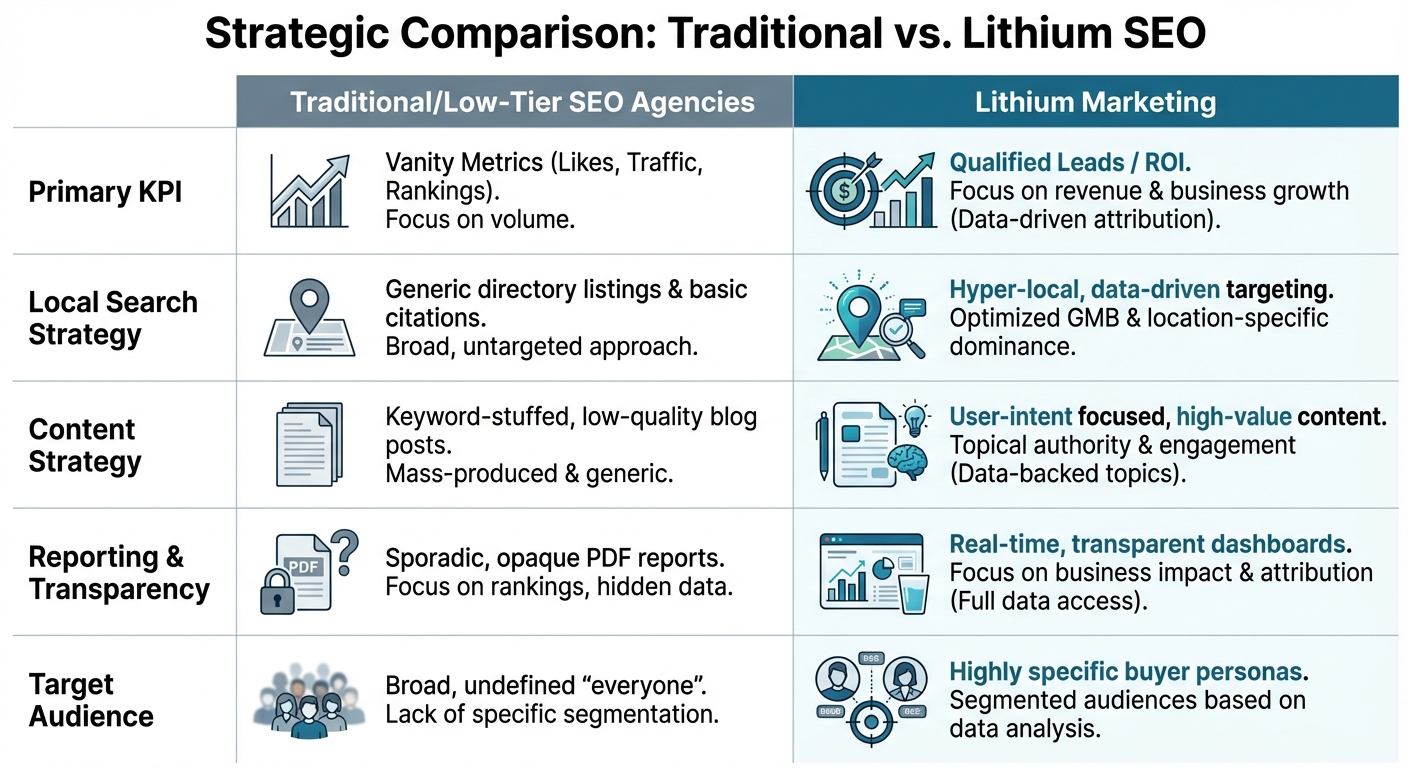
Ranking for queries that do not convert
When buyers compare providers from a phone, speed and stability shape the first impression. We review Core Web Vitals, media weight, hosting response, third-party scripts, and layout shifts so the page does not waste the visit.
Technical debt blocking growth
A good ranking still needs a clear action. Calls, short forms, booking links, and quote requests should appear where the visitor has enough information to act, not only at the bottom of the page.
Generic content that says nothing local
Local visibility depends on a clean technical and entity foundation. Google has to understand the services, business details, profile categories, service areas, schema, and internal links before the page can compete reliably.
No measurement tied to revenue
Kansas City buyers often scan several results before making a first contact. Reviews, project proof, credentials, service-area detail, financing notes, and clear guarantees help the business feel like the safer choice.
Technical, local, content, and measurement work managed as one plan.
The program starts with the question that matters most: why is the current search presence not producing enough useful conversations? We review site health, page quality, local signals, competitors, and tracking before setting priorities.
Technical SEO foundation
Technical SEO reviews the mechanics that affect crawlability and user experience. Redirects, indexation, sitemap coverage, page speed, schema, internal links, duplicate content, JavaScript behavior, and broken assets are handled before they distort the rest of the campaign.
Mobile-first indexing readiness
Mobile search drives many local decisions, so we test pages in the way buyers actually use them. Tap targets, sticky actions, forms, headings, proof order, load time, and content parity all shape whether the visit continues.
Keyword strategy tied to revenue per lead
Keyword strategy separates high-value service searches from broad research terms. We map queries by urgency, location, job value, and stage of decision, then assign each group to the page that can answer it best.
On-page SEO depth on every page
On-page SEO gives each page a stronger job description. Titles, descriptions, headings, internal links, schema, FAQs, and body copy are aligned so visitors and search engines understand the offer without hunting for context.
Local SEO and GBP optimization
In a state-line market, local SEO needs disciplined data. We align Google Business Profile services, categories, photos, reviews, citations, and service-area language so Kansas City buyers see consistent information wherever they compare the business.
Editorial Authority and Market References
Authority should be earned from places that make sense for the company. We look for relevant trade groups, vendor pages, local publications, sponsorships, directories, partner references, and useful citations instead of random links.
Tracking that ties traffic to revenue
Measurement ties search work to business movement. We connect Search Console, GA4, call tracking, form events, local visibility, landing-page reports, and completed tasks so decisions are based on evidence rather than assumptions.
AI search and generative engine optimization
AI search optimization depends on clear entity information and direct answers. We structure services, locations, proof, pricing context, reviews, and FAQs so answer systems have better source material to interpret.
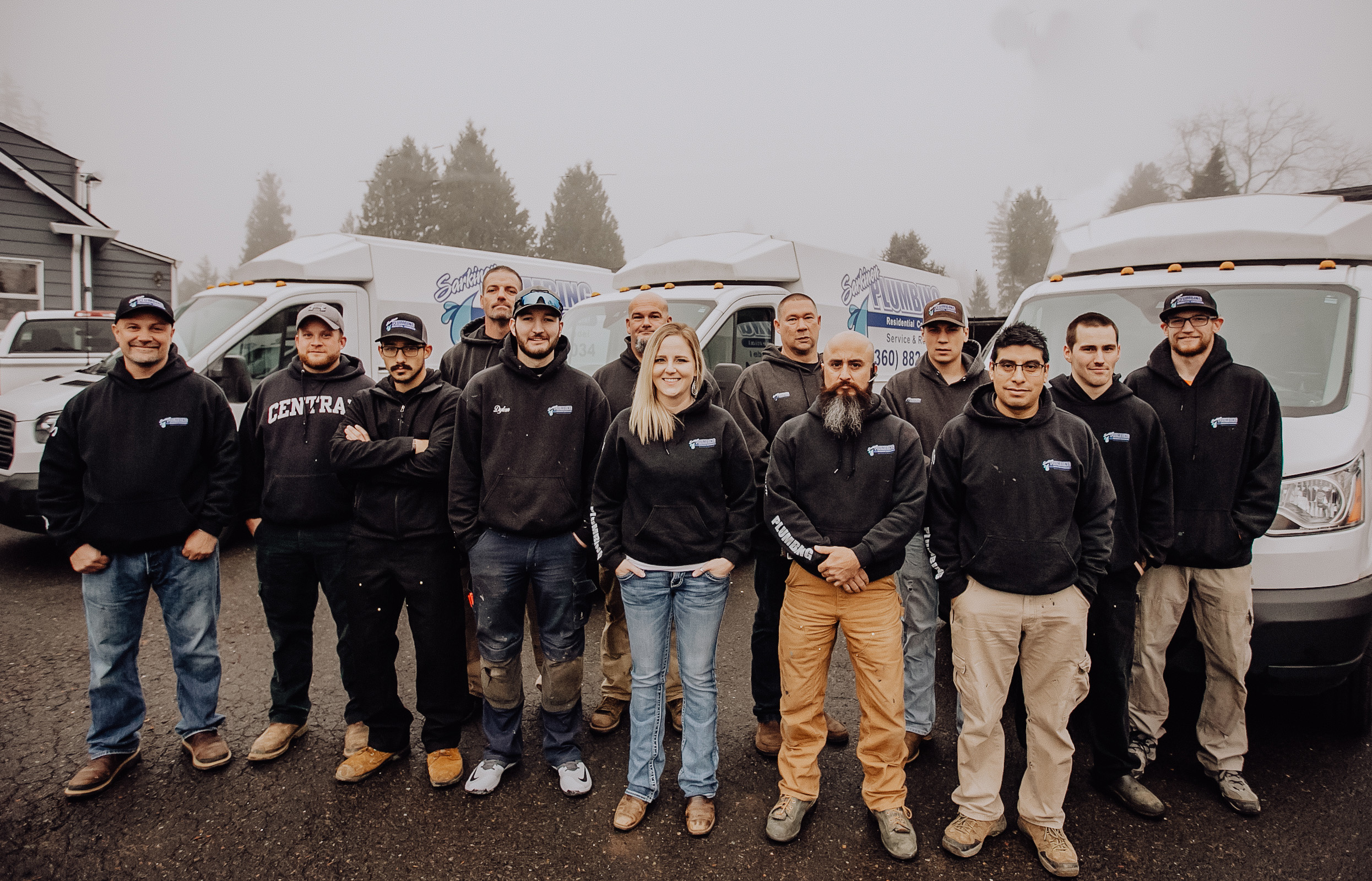
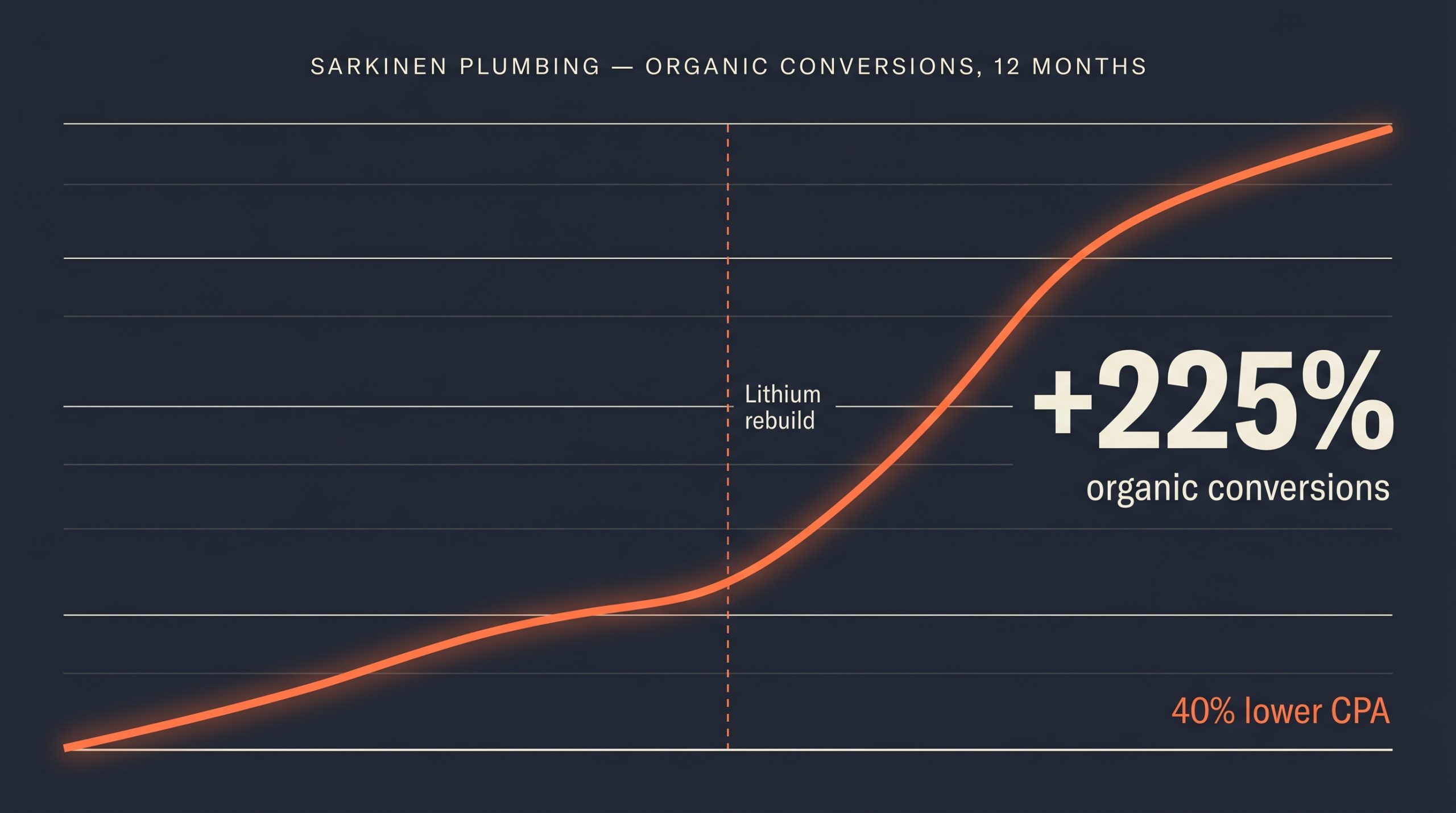
How a service business put 225% more conversions on the board with technical SEO and a content rebuild.
Sarkinen Plumbing needed the searches with buying intent to perform better. Lithium rebuilt service-page copy, improved technical foundations, optimized local profile details, and tracked calls and forms with more precision. Conversions climbed 225 percent and cost per acquisition dropped 40 percent.

Service companies where local search shapes revenue opportunities.
Our best fit is a business that depends on booked work, appointments, visits, or quote requests from people already comparing options. The common thread is a need for stronger service pages, credible proof, local accuracy, and measurable inquiries.
Home-services SEO supports HVAC, plumbing, electrical, roofing, restoration, remodeling, landscaping, and pest control companies. Pages should clarify availability, service areas, emergency response, reviews, financing, warranties, and estimate steps.
Dental, medical, therapy, and wellness SEO must answer patient concerns before the call. Service pages, provider bios, insurance context, reviews, directions, appointment options, and accessibility details all influence the decision.
Contractors and builders need search pages that prove the type of work they want to win. Project galleries, process notes, material choices, credentials, insurance language, and quote steps make the estimate request easier.
Professional-service SEO for law firms, accountants, advisors, consultants, insurance agencies, and recruiters depends on trust. Strong pages explain who the firm helps, what problems it solves, how the process works, and why the credentials matter.
Hospitality, restaurant, catering, and venue SEO needs current practical details. Menus, booking options, private events, hours, maps, parking, photos, and Google profile updates help visitors make decisions quickly.
Auto-service SEO covers repair shops, dealerships, detailers, body shops, towing companies, tire shops, glass providers, and fleet services. Content should support urgent decisions while still explaining scheduled maintenance and higher-value work.
Specialty retail SEO helps shoppers confirm selection, expertise, location, policies, and reputation before visiting. Product categories, buying guides, staff knowledge, reviews, photos, and local inventory cues can make the store worth choosing.
B2B SEO for manufacturing, logistics, technology, staffing, professional services, and industrial suppliers often supports long consideration cycles. Capability pages, industry pages, case context, certifications, and form routing help qualify serious prospects.
From audit to compounding organic traffic in ninety days, with monthly reporting tied to leads and revenue.
SEO is a compounding system, not a one-time project. The Lithium process starts with a technical audit and a keyword strategy locked to revenue per lead, then ships fixes and content on a weekly cadence with monthly reporting that ties impressions to booked work.
Discovery and full SEO audit
Discovery combines analytics, Search Console, Google profile data, crawl findings, rankings, conversions, competitors, backlink quality, and service economics. We use that evidence to see where the site is losing opportunity.
Keyword strategy and content roadmap
The roadmap ranks the work in a practical order. Technical issues, service pages, local profile updates, internal links, content briefs, schema, and authority opportunities are sequenced around the pages most likely to produce value.
Technical fixes and on-page work
Core Web Vitals optimization on the pages buyers actually land on, render-blocking JavaScript removal, image compression with lazy loading, schema deployment (LocalBusiness, Service, FAQPage, BreadcrumbList, Article), internal linking restructure, sitemap cleanup, and indexation pruning. Every schema change validated in Google’s Rich Results Test before it ships.
Content production and on-page SEO
Core content comes before content volume. Service pages, location pages, FAQs, comparisons, and supporting guides should answer real buyer questions, then ongoing publishing can expand the topics that deserve depth.
Local SEO and link earning
Local search work keeps public business data consistent. Google Business Profile, citations, reviews, services, photos, categories, and relevant references are reviewed together so buyers and search engines see the same company.
Measurement and monthly iteration
Monthly review connects completed work to search and inquiry movement. We look at impressions, clicks, rankings, local visibility, calls, forms, conversion rate, technical progress, and the next pages that deserve attention.
Engineered to surface in Google AI Overviews, ChatGPT, Perplexity, and Claude.
SEO, AEO, and GEO work together when the page is structured clearly. Classic rankings, direct answers, and generative understanding all benefit from concise facts, credible support, schema, and consistent entity details.
Quotable answer blocks
Answer-ready sections should be useful even when read out of context. We open with the answer, then add conditions, proof, and next steps so the page serves both human scanners and search systems.
Fact density and citations
Specific details create confidence. Services, locations, credentials, job types, pricing context, team experience, photos, review themes, and process notes should be included when they help a buyer evaluate fit.
Schema for generative engines
Schema markup adds machine-readable structure to important facts. LocalBusiness, Service, FAQPage, BreadcrumbList, Article, and Review data can help clarify what the business offers, where it operates, and what questions it answers.
Brand consistency across the web
AI answer systems draw from public sources, so scattered facts can weaken the summary. We compare profiles, reviews, citations, social pages, local mentions, and the website so Kansas City service details line up.
Topical authority and entity coverage
Topical depth means covering the full buying decision. Service pages, supporting guides, FAQs, proof, internal links, and local context should show expertise without leaning on repeated keywords.
llms.txt + AI crawler controls
An llms.txt file can provide crawler guidance and point toward preferred source pages. It works best alongside sound robots.txt rules, a clean sitemap, and content that already states the business clearly.
What each SEO layer should contribute
Service businesses Lithium has driven SEO results for.

Willard Power Vac
“Lithium Marketing has been amazing for our business. They have greatly increased our web traffic and helped us land hundreds of jobs.”

Drake’s 7 Dees
“Lithium has moved us to page 1 in Google search organically.”

Rickabaugh Construction
“Working with Lithium Marketing has been awesome.”
Kansas City SEO questions, answered plainly.
Most local SEO campaigns need 60 to 90 days before early movement appears, and six to twelve months for more competitive terms. Technical fixes, profile cleanup, and indexing improvements can happen sooner than authority and content gains.
Google Ads can bring immediate traffic while SEO builds a stronger organic base. For Kansas City service businesses, the right blend depends on competition, budget, urgency, margins, and current visibility. Paid search can also identify terms worth deeper organic work.
Most local SEO retainers for service businesses range from $1,300 to $3,000 per month. Scope depends on the site’s technical condition, content gaps, competition, service-area breadth, review support, authority needs, speed of execution, and reporting expectations.
A specific Google ranking cannot be guaranteed ethically. A reliable agency can guarantee the work it completes: audits, fixes, content, local data updates, reporting, and clear priorities. Results are influenced by Google, competitors, and market demand.
SEO is the classic organic search discipline. AEO prepares content for direct-answer surfaces. GEO helps generative systems understand business facts and expertise. The overlap is practical: clear answers, structured data, credible proof, and consistent entity details.
We measure SEO with visibility, engagement, and inquiry data. Reports can include rankings, impressions, clicks, local pack visibility, landing-page conversion rate, calls, forms, booked appointments, completed work, and organic activity in analytics tools, with next steps clearly identified.
A retainer usually includes technical monitoring, on-page updates, content production, Google Business Profile work, citation cleanup, review strategy, authority development, reporting, and a monthly strategy call. The mix changes based on competition and site maturity.
Yes, but new businesses need a realistic ramp. Early work focuses on the website foundation, Google Business Profile, citations, reviews, service pages, and achievable terms. Paid search can support demand while organic visibility strengthens over time.

Your SEO strategy call is led by DJ Van Zanten.
DJ Van Zanten joined Lithium as co-founder in 2018 and leads strategy for client partnerships. On the review call, he connects the SEO findings to business priorities while co-founder Kurt Schell directs technical and content execution from more than twenty years of SEO, PPC, and conversion work.
Get a free 30-minute Kansas City SEO review.
On the call, we review Core Web Vitals, organic keywords, Google Business Profile health, backlink quality, schema, indexation, and content gaps against local competitors. You leave with a written priority list, whether or not Lithium is the right fit.
- No-obligation 30-minute call with DJ Van Zanten, not a junior
- Written priority list of the top 5 to 10 changes that will move leads
- Google Partner with a 5.0 rating across 30+ Google reviews