
Oakland SEO Built for Qualified Local Inquiries
Build a clearer presence across Google, Maps, and AI search.
In Oakland, the fourth hero point is written around proof for trades, clinics, and professional firms. For this fourth placement, it connects review language that supports careful buyers with calls and forms built for fast decisions, giving a buyer enough context to decide whether the company fits before calling or submitting a form.
- Classic SEO: technical foundation, on-page, content, schema
- AI Search: AEO and GEO for AI Overviews, ChatGPT, Perplexity, Claude
- Local SEO: Google Business Profile and Map Pack visibility
- Reporting tied to leads and revenue. Google Partner. 5.0 across 30+ Google reviews

Partner
Ranking screenshots do not fix missed buying moments.
Oakland buyers compare providers across a dense East Bay market where neighborhood fit, reviews, speed, and service clarity matter before anyone calls. A useful SEO program has to connect the search result, the page, and the follow-up action instead of treating rankings as the finish line. In a market shaped by port businesses, healthcare practices, trades, restaurants, nonprofits, and professional firms from Downtown to the hills, the site has to explain fit before a competitor does. That framing matters in East Bay, where buyers often know enough to compare details quickly.
“ The page that answers clearly usually earns the next conversation.
Weak campaigns chase broad phrases while the searches with buying intent stay underbuilt. A business can look active in a report and still miss the moments when someone is choosing between two providers, especially for searches such as These queries are short, but the decision behind them is specific and time-sensitive. emergency electrician Oakland CA or family dentist Oakland CA Those searches need pages that load quickly, name the service clearly, explain the coverage area, and make the next step easy to understand. They also need business details that match across Google, the website, and the public listings buyers use while comparing options.
The problem is rarely one missing tactic. It is usually a disconnected system: technical SEO handled in one place, Google Business Profile left partly managed, content written without the buyer's question in mind, and reporting that does not show what created the inquiry. The local version of the work has to make those pieces feel connected on the page.
Ranking for queries that do not convert
In Oakland, the eighth problem point is written around technical cleanup for older WordPress builds. For this eighth placement, it connects port access and neighborhood service radius with proof for trades, clinics, and professional firms, giving a buyer enough context to decide whether the company fits before calling or submitting a form.
Technical debt blocking growth
In Oakland, the ninth problem point is written around content that respects multi-neighborhood intent. For this ninth placement, it connects dense competitor sets around Lake Merritt and Downtown with local data that matches East Bay service coverage, giving a buyer enough context to decide whether the company fits before calling or submitting a form.
Generic content that says nothing local
In Oakland, the tenth problem point is written around calls and forms built for fast decisions. For this tenth placement, it connects mobile comparisons during commute windows with service pages that explain urgency without hype, giving a buyer enough context to decide whether the company fits before calling or submitting a form.
No measurement tied to revenue
In Oakland, the eleventh problem point is written around port access and neighborhood service radius. For this eleventh placement, it connects proof for trades, clinics, and professional firms with review language that supports careful buyers, giving a buyer enough context to decide whether the company fits before calling or submitting a form.
The foundation your SEO program needs before rankings become booked work.
In Oakland, the fourteenth program point is written around proof for trades, clinics, and professional firms. For this fourteenth placement, it connects review language that supports careful buyers with calls and forms built for fast decisions, giving a buyer enough context to decide whether the company fits before calling or submitting a form.
Technical SEO foundation
In Oakland, the fifteenth program point is written around local data that matches East Bay service coverage. For this fifteenth placement, it connects technical cleanup for older WordPress builds with port access and neighborhood service radius, giving a buyer enough context to decide whether the company fits before calling or submitting a form.
Mobile-first indexing readiness
In Oakland, the sixteenth program point is written around service pages that explain urgency without hype. For this sixteenth placement, it connects content that respects multi-neighborhood intent with dense competitor sets around Lake Merritt and Downtown, giving a buyer enough context to decide whether the company fits before calling or submitting a form.
Keyword strategy tied to revenue per lead
In Oakland, the seventeenth program point is written around review language that supports careful buyers. For this seventeenth placement, it connects calls and forms built for fast decisions with mobile comparisons during commute windows, giving a buyer enough context to decide whether the company fits before calling or submitting a form.
On-page SEO depth on every page
In Oakland, the eighteenth program point is written around technical cleanup for older WordPress builds. For this eighteenth placement, it connects port access and neighborhood service radius with proof for trades, clinics, and professional firms, giving a buyer enough context to decide whether the company fits before calling or submitting a form.
Local SEO and GBP optimization
In Oakland, the nineteenth program point is written around content that respects multi-neighborhood intent. For this nineteenth placement, it connects dense competitor sets around Lake Merritt and Downtown with local data that matches East Bay service coverage, giving a buyer enough context to decide whether the company fits before calling or submitting a form.
Editorial Authority Building
In Oakland, the twenty-first program point is written around port access and neighborhood service radius. For this twenty-first placement, it connects proof for trades, clinics, and professional firms with review language that supports careful buyers, giving a buyer enough context to decide whether the company fits before calling or submitting a form.
Tracking that ties traffic to revenue
In Oakland, the twenty-second program point is written around dense competitor sets around Lake Merritt and Downtown. For this twenty-second placement, it connects local data that matches East Bay service coverage with technical cleanup for older WordPress builds, giving a buyer enough context to decide whether the company fits before calling or submitting a form.
AI search and generative engine optimization
In Oakland, the twenty-third program point is written around mobile comparisons during commute windows. For this twenty-third placement, it connects service pages that explain urgency without hype with content that respects multi-neighborhood intent, giving a buyer enough context to decide whether the company fits before calling or submitting a form. The twenty-third program note also preserves AI systems as the related internal reference.
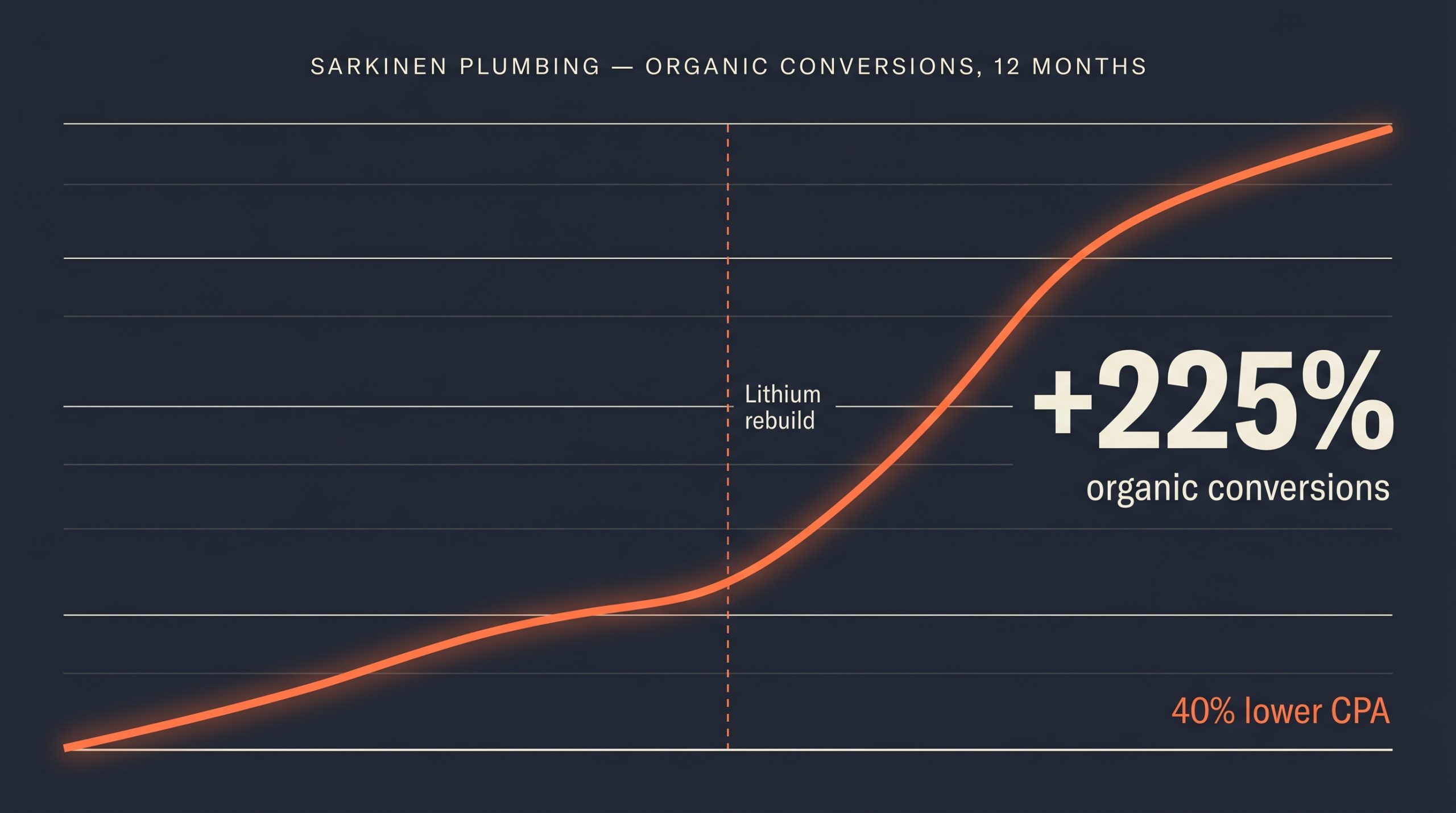
How a service business put 225% more conversions on the board with technical SEO and a content rebuild.
In Oakland, the twenty-fourth program point is written around proof for trades, clinics, and professional firms. For this twenty-fourth placement, it connects review language that supports careful buyers with calls and forms built for fast decisions, giving a buyer enough context to decide whether the company fits before calling or submitting a form. The twenty-fourth program note also preserves PPC and local SEO as the related internal reference.
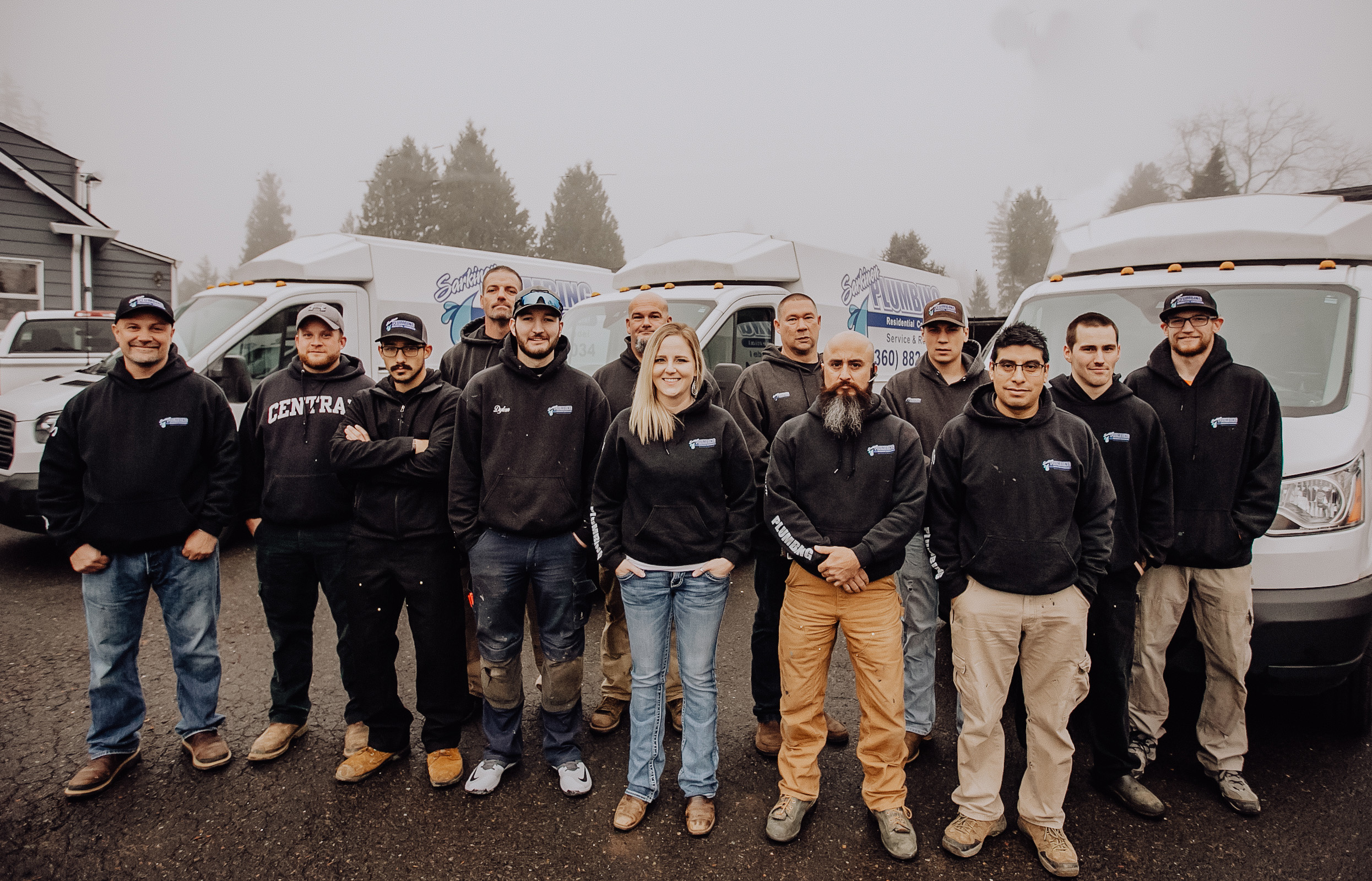

Service businesses that depend on timely local searches.
In Oakland, the twenty-seventh industries point is written around review language that supports careful buyers. For this twenty-seventh placement, it connects calls and forms built for fast decisions with mobile comparisons during commute windows, giving a buyer enough context to decide whether the company fits before calling or submitting a form.
In Oakland, the twenty-eighth industries point is written around technical cleanup for older WordPress builds. For this twenty-eighth placement, it connects port access and neighborhood service radius with proof for trades, clinics, and professional firms, giving a buyer enough context to decide whether the company fits before calling or submitting a form. The twenty-eighth industries note also preserves local SEO as the related internal reference.
In Oakland, the twenty-ninth industries point is written around content that respects multi-neighborhood intent. For this twenty-ninth placement, it connects dense competitor sets around Lake Merritt and Downtown with local data that matches East Bay service coverage, giving a buyer enough context to decide whether the company fits before calling or submitting a form.
In Oakland, the thirtieth industries point is written around calls and forms built for fast decisions. For this thirtieth placement, it connects mobile comparisons during commute windows with service pages that explain urgency without hype, giving a buyer enough context to decide whether the company fits before calling or submitting a form.
In Oakland, the thirty-first industries point is written around port access and neighborhood service radius. For this thirty-first placement, it connects proof for trades, clinics, and professional firms with review language that supports careful buyers, giving a buyer enough context to decide whether the company fits before calling or submitting a form.
In Oakland, the thirty-second industries point is written around dense competitor sets around Lake Merritt and Downtown. For this thirty-second placement, it connects local data that matches East Bay service coverage with technical cleanup for older WordPress builds, giving a buyer enough context to decide whether the company fits before calling or submitting a form.
In Oakland, the thirty-third industries point is written around mobile comparisons during commute windows. For this thirty-third placement, it connects service pages that explain urgency without hype with content that respects multi-neighborhood intent, giving a buyer enough context to decide whether the company fits before calling or submitting a form. The thirty-third industries note also preserves PPC as the related internal reference.
In Oakland, the thirty-fourth industries point is written around proof for trades, clinics, and professional firms. For this thirty-fourth placement, it connects review language that supports careful buyers with calls and forms built for fast decisions, giving a buyer enough context to decide whether the company fits before calling or submitting a form.
In Oakland, the thirty-fifth industries point is written around local data that matches East Bay service coverage. For this thirty-fifth placement, it connects technical cleanup for older WordPress builds with port access and neighborhood service radius, giving a buyer enough context to decide whether the company fits before calling or submitting a form.
From audit to compounding organic traffic in ninety days, with monthly reporting tied to leads and revenue.
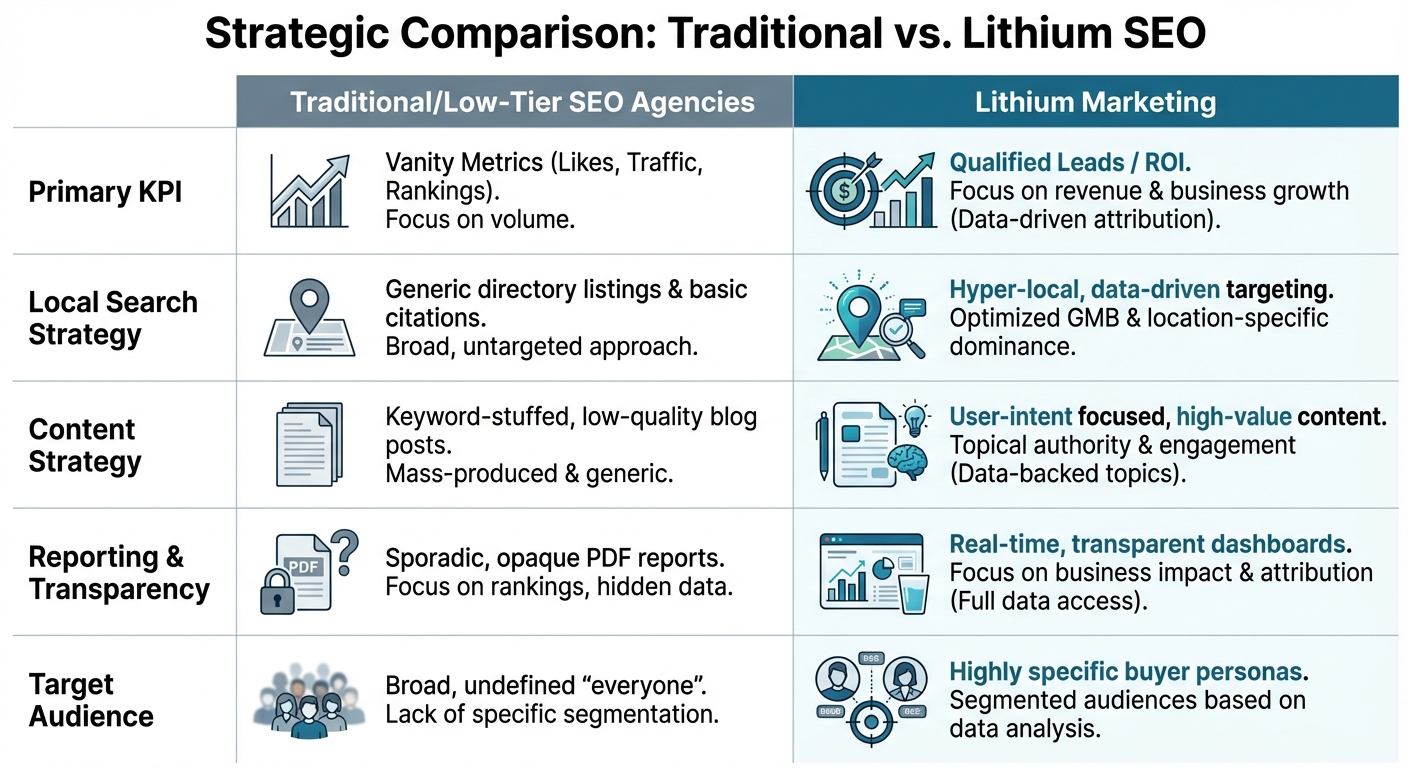
SEO is a compounding system, not a one-time project. The Lithium process starts with a technical audit and a keyword strategy locked to revenue per lead, then ships fixes and content on a weekly cadence with monthly reporting that ties impressions to booked work.
Discovery and full SEO audit
In Oakland, the thirty-sixth process point is written around service pages that explain urgency without hype. For this thirty-sixth placement, it connects content that respects multi-neighborhood intent with dense competitor sets around Lake Merritt and Downtown, giving a buyer enough context to decide whether the company fits before calling or submitting a form.
Keyword strategy and content roadmap
In Oakland, the thirty-seventh process point is written around review language that supports careful buyers. For this thirty-seventh placement, it connects calls and forms built for fast decisions with mobile comparisons during commute windows, giving a buyer enough context to decide whether the company fits before calling or submitting a form. The thirty-seventh process note also preserves local SEO as the related internal reference.
Technical fixes and on-page work
Core Web Vitals optimization on the pages buyers actually land on, render-blocking JavaScript removal, image compression with lazy loading, schema deployment (LocalBusiness, Service, FAQPage, BreadcrumbList, Article), internal linking restructure, sitemap cleanup, and indexation pruning. Every schema change validated in Google’s Rich Results Test before it ships.
Content production and on-page SEO
In Oakland, the thirty-eighth process point is written around technical cleanup for older WordPress builds. For this thirty-eighth placement, it connects port access and neighborhood service radius with proof for trades, clinics, and professional firms, giving a buyer enough context to decide whether the company fits before calling or submitting a form.
Local SEO and link earning
In Oakland, the thirty-ninth process point is written around content that respects multi-neighborhood intent. For this thirty-ninth placement, it connects dense competitor sets around Lake Merritt and Downtown with local data that matches East Bay service coverage, giving a buyer enough context to decide whether the company fits before calling or submitting a form.
Measurement and monthly iteration
In Oakland, the fortieth process point is written around calls and forms built for fast decisions. For this fortieth placement, it connects mobile comparisons during commute windows with service pages that explain urgency without hype, giving a buyer enough context to decide whether the company fits before calling or submitting a form.
Engineered to surface in Google AI Overviews, ChatGPT, Perplexity, and Claude.
In Oakland, the forty-first ai search point is written around port access and neighborhood service radius. For this forty-first placement, it connects proof for trades, clinics, and professional firms with review language that supports careful buyers, giving a buyer enough context to decide whether the company fits before calling or submitting a form. The forty-first ai search note also preserves local SEO and AI systems as the related internal reference.
Quotable answer blocks
In Oakland, the forty-second ai search point is written around dense competitor sets around Lake Merritt and Downtown. For this forty-second placement, it connects local data that matches East Bay service coverage with technical cleanup for older WordPress builds, giving a buyer enough context to decide whether the company fits before calling or submitting a form. The forty-second ai search note also preserves AI systems as the related internal reference.
Fact density and citations
In Oakland, the forty-third ai search point is written around mobile comparisons during commute windows. For this forty-third placement, it connects service pages that explain urgency without hype with content that respects multi-neighborhood intent, giving a buyer enough context to decide whether the company fits before calling or submitting a form.
Schema for generative engines
In Oakland, the forty-fourth ai search point is written around proof for trades, clinics, and professional firms. For this forty-fourth placement, it connects review language that supports careful buyers with calls and forms built for fast decisions, giving a buyer enough context to decide whether the company fits before calling or submitting a form.
Brand consistency across the web
In Oakland, the forty-fifth ai search point is written around local data that matches East Bay service coverage. For this forty-fifth placement, it connects technical cleanup for older WordPress builds with port access and neighborhood service radius, giving a buyer enough context to decide whether the company fits before calling or submitting a form.
Topical authority and entity coverage
In Oakland, the forty-sixth ai search point is written around service pages that explain urgency without hype. For this forty-sixth placement, it connects content that respects multi-neighborhood intent with dense competitor sets around Lake Merritt and Downtown, giving a buyer enough context to decide whether the company fits before calling or submitting a form.
llms.txt + AI crawler controls
In Oakland, the forty-seventh ai search point is written around review language that supports careful buyers. For this forty-seventh placement, it connects calls and forms built for fast decisions with mobile comparisons during commute windows, giving a buyer enough context to decide whether the company fits before calling or submitting a form.
What each SEO approach gives a local owner.
Service businesses Lithium has driven SEO results for.

Willard Power Vac
“Lithium Marketing has been amazing for our business. They have greatly increased our web traffic and helped us land hundreds of jobs.”
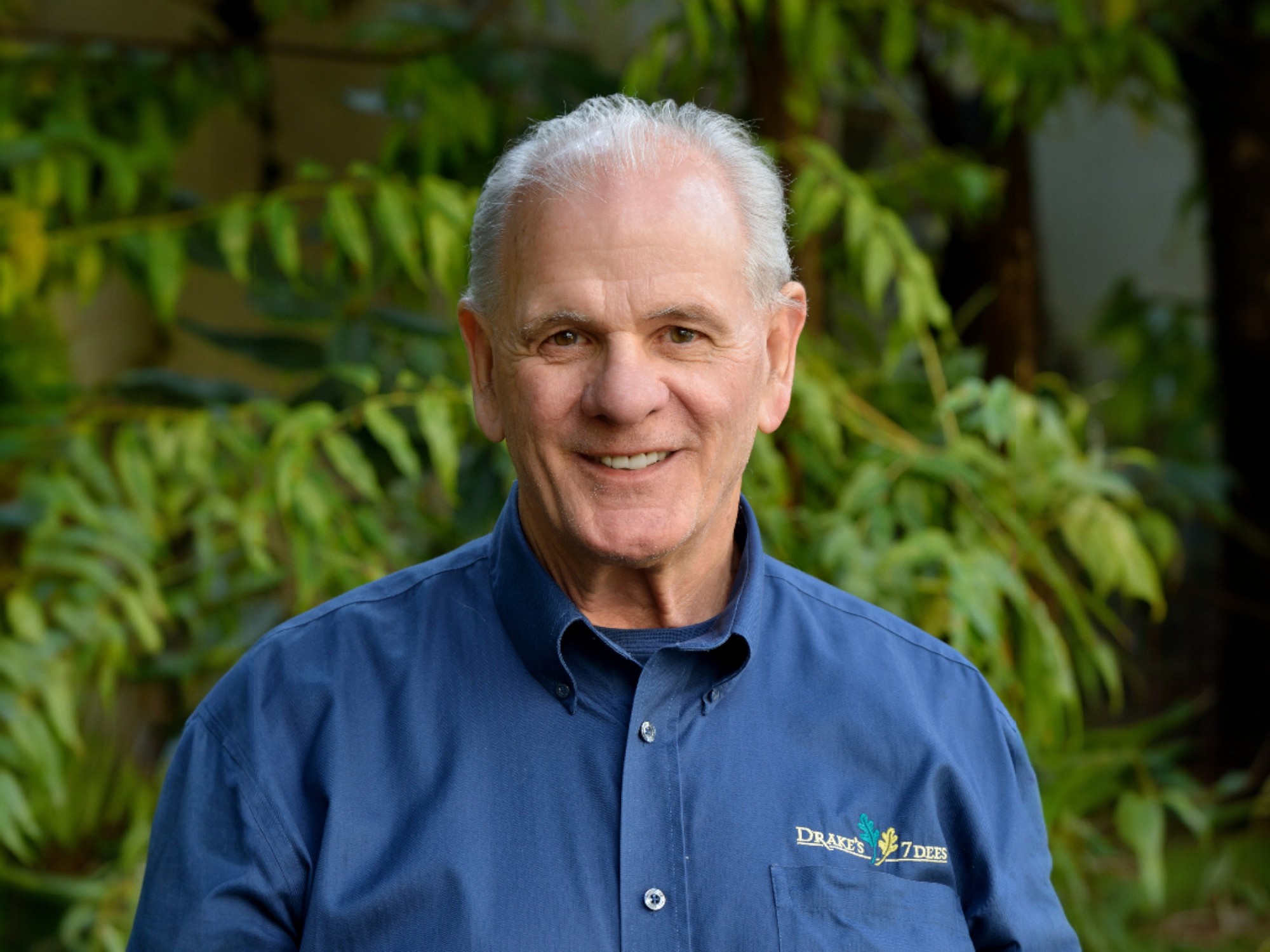
Drake’s 7 Dees
“Lithium has moved us to page 1 in Google search organically.”

Rickabaugh Construction
“Working with Lithium Marketing has been awesome.”
Oakland SEO questions, answered plainly.
In Oakland, the fifty-fifth faq point is written around local data that matches East Bay service coverage. For this fifty-fifth placement, it connects technical cleanup for older WordPress builds with port access and neighborhood service radius, giving a buyer enough context to decide whether the company fits before calling or submitting a form. The fifty-fifth faq note also preserves local SEO and PPC as the related internal reference.
In Oakland, the fifty-sixth faq point is written around service pages that explain urgency without hype. For this fifty-sixth placement, it connects content that respects multi-neighborhood intent with dense competitor sets around Lake Merritt and Downtown, giving a buyer enough context to decide whether the company fits before calling or submitting a form.
In Oakland, the fifty-eighth faq point is written around technical cleanup for older WordPress builds. For this fifty-eighth placement, it connects port access and neighborhood service radius with proof for trades, clinics, and professional firms, giving a buyer enough context to decide whether the company fits before calling or submitting a form. The fifty-eighth faq note also preserves local SEO as the related internal reference.
In Oakland, the fifty-ninth faq point is written around content that respects multi-neighborhood intent. For this fifty-ninth placement, it connects dense competitor sets around Lake Merritt and Downtown with local data that matches East Bay service coverage, giving a buyer enough context to decide whether the company fits before calling or submitting a form.
In Oakland, the sixtieth faq point is written around calls and forms built for fast decisions. For this sixtieth placement, it connects mobile comparisons during commute windows with service pages that explain urgency without hype, giving a buyer enough context to decide whether the company fits before calling or submitting a form.
In Oakland, the sixty-first faq point is written around port access and neighborhood service radius. For this sixty-first placement, it connects proof for trades, clinics, and professional firms with review language that supports careful buyers, giving a buyer enough context to decide whether the company fits before calling or submitting a form. The sixty-first faq note also preserves PPC as the related internal reference.
In Oakland, the sixty-second faq point is written around dense competitor sets around Lake Merritt and Downtown. For this sixty-second placement, it connects local data that matches East Bay service coverage with technical cleanup for older WordPress builds, giving a buyer enough context to decide whether the company fits before calling or submitting a form. The sixty-second faq note also preserves local SEO and PPC as the related internal reference.
In Oakland, the sixty-fourth faq point is written around proof for trades, clinics, and professional firms. For this sixty-fourth placement, it connects review language that supports careful buyers with calls and forms built for fast decisions, giving a buyer enough context to decide whether the company fits before calling or submitting a form.
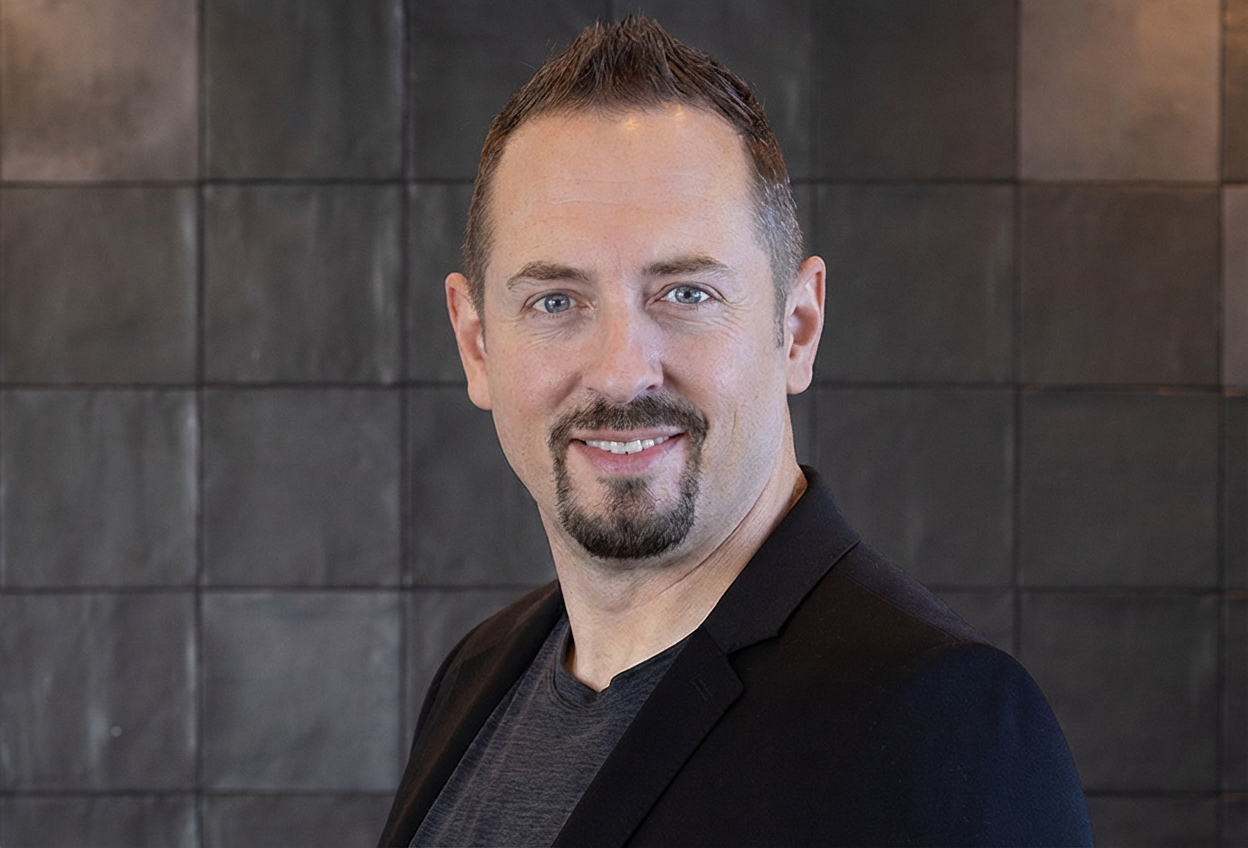
Your SEO strategy call is led by DJ Van Zanten.
In Oakland, the sixty-sixth final cta point is written around service pages that explain urgency without hype. For this sixty-sixth placement, it connects content that respects multi-neighborhood intent with dense competitor sets around Lake Merritt and Downtown, giving a buyer enough context to decide whether the company fits before calling or submitting a form.
Get a free 30-minute Oakland SEO review.
In Oakland, the sixty-eighth final cta point is written around technical cleanup for older WordPress builds. For this sixty-eighth placement, it connects port access and neighborhood service radius with proof for trades, clinics, and professional firms, giving a buyer enough context to decide whether the company fits before calling or submitting a form.
- No-obligation 30-minute call with DJ Van Zanten, not a junior
- Written priority list of the top 5 to 10 changes that will move leads
- Google Partner with a 5.0 rating across 30+ Google reviews