
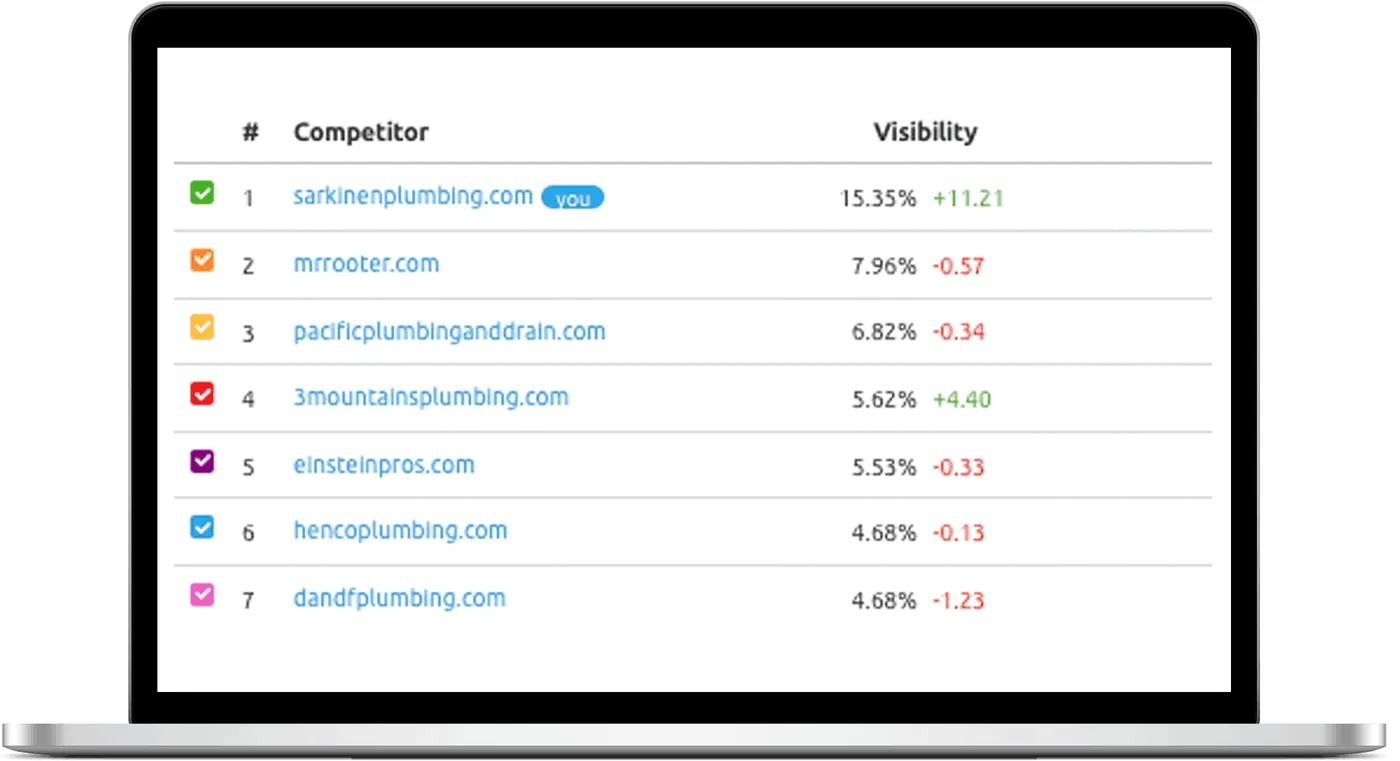
 Plumbing
Sarkinen Plumbing
2Xleads
on the same budget
- search visibility
- 3.75X
- search visibility
- ads conversion rate
- 27.37%
- ads conversion rate
Web design for Badger, AK remodeling businesses
Give Badger, AK remodeling customers a clearer website offer with genuine project information and a useful estimate route for the smaller home improvements you accept.
 Google PartnerView our Partners listing
5.0on Google · read our reviews
Google PartnerView our Partners listing
5.0on Google · read our reviews
Businesses
we’ve worked with
Businesses we’ve worked with
Help a customer recognize their project in the business's website offer
Lithium Marketing builds websites around the services customers need to understand and the useful first action your business wants them to take. If the homepage presents only the largest remodels, someone seeking a smaller home improvement may not realize the company can discuss it. We can shape readable service content, genuine examples and practical contact functions around the projects the business wants to receive.
Fairbanks North Star Borough records 47 residential remodeling establishments. Your individual offer needs an understandable website explanation within that category. Genuine examples and clear service answers can help a visitor connect their own aims with a useful estimate discussion rather than judge suitability from the size of the homepage project alone.
Give customers from different discovery routes a useful destination
Badger’s 80.6% owner-occupied housing context makes the actual property and requester role useful where the estimator needs them. The person may discuss their own home or help another property contact. A website can retain that stated context without assigning authority from the place-wide share.
The build can organize service navigation and practical contact options around the company's real priorities. Choose readable content and agreed functions from what the estimator uses at the start. A category label and a contact button alone may not explain which smaller projects the business is willing to discuss.
| Search | Searches a month | Cost per click |
|---|---|---|
| web design badger ak | under 10 | not reported |
| web designer badger ak | under 10 | not reported |
| website design badger ak | under 10 | not reported |
Source: Google Ads keyword data, average monthly U.S. searches. "Under 10" = below Google’s reporting floor.
Source: one Google results page for “plumber badger ak”, as Google showed it to a searcher located in Badger. Search ad counts exclude sponsored local listings. Results shift by searcher and day.
Use genuine property evidence to explain the firm's work
With Badger’s median housing construction year at 1985, a genuine existing-home example can identify the changed space and retained features. The website can explain the remodeling work beside a useful enquiry route. The aggregate year does not establish another home's condition or choose the customer's project.
For publishable work within the borough’s 38.2% housing share built before 1980, retain the actual room and tasks the business performed. A smaller project can supply useful evidence when its service context is clear. An older-property image cannot establish structural condition or the complete scope of another request.
Sources: U.S. Census Bureau 2025 population estimates, ACS 2020–2024 and 2023 County Business Patterns.
Keep the first conversation useful to both customer and estimator
Fairbanks North Star Borough’s 8.9% housing share built in 2010 or later also belongs to a varied existing-property market. In a genuine newer-home example, explain the alterations supplied rather than assume construction period determines the work. Useful content can let a customer describe their own desired change without choosing from the largest project image.
Within the borough’s 61.7% owner-occupied housing context, the request should keep useful property and contact information with the project aims. Staff still discusses the site and proposed work. We review the mobile enquiry and receiving path with the business before delivery, with completed-site ownership and content responsibilities established in scope.
County Business Patterns
Trade and home service businesses in Fairbanks North Star Borough
Establishments by industry, 2023
Source: U.S. Census Bureau, 2023 County Business Patterns (NAICS establishment counts).
Build from an understandable remodeling offer to a useful first request
Choose project priorities, prepare genuine evidence and review the estimate route from visitor to staff.
Choose the service information and first questions the estimator needs.
Use genuine work to explain the individual offer beyond the biggest homepage project.
Keep known project aims and useful property context available through the request.
Check mobile content, entry and confirmation with the business before handover.
What every Lithium website includes
The same eight parts go into every website build, wherever the business is.
The design evidence retains complete marketing attribution
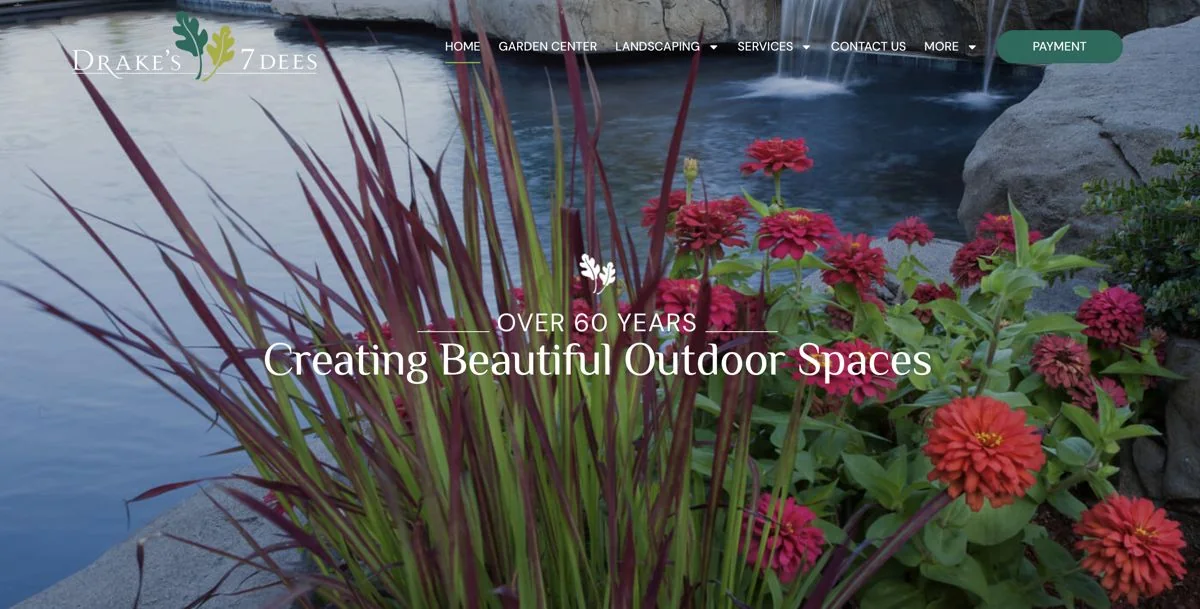
Sarkinen Plumbing received website design, SEO and Google Ads in its documented Portland-area engagement. The complete results cannot be attributed to design alone. The separate Drake's 7 Dees testimonial comes from Drake Snodgrass and concerns organic visibility and website work in that business's experience. These sources support a Badger build discussion without predicting remodeling enquiries.
Plumbing2Xleads
on the same budget
“Lithium has moved us to page 1 in Google search organically. Prior to working with them we spent a huge part of our marketing budget on paid search. Website redesign was a great experience.”
 Drake SnodgrassDrake’s 7 Dees
Use the actual project offer and coverage for website planning
A remodeling customer asking about Fairbanks needs the company's real working area and a readable explanation of the projects it accepts. For wider web design planning, use Juneau and Anchorage in Alaska alongside Bellingham, WA. The Alaska city collection frames broader needs while the build connects genuine services with a useful first estimate conversation.
Published price
$5,000
typical project
Larger sites get a fixed proposal after a 30-minute discovery call. Six to nine weeks from kickoff to launch. You own the domain, hosting account, WordPress install and content.
FAQ

Still curious?
Call (503) 766-5964 or email [email protected].
Use the work the business genuinely accepts and relevant examples it can publish. Plain service answers should help the customer recognize a useful first discussion. The website need not make the largest project image carry every part of the offer.
Bring service priorities, working area, current business details and genuine project material. Explain how estimates begin and who approves content. We can shape those inputs into readable destinations and practical contact functions.
A usual website project takes six to nine weeks with content, review and required functions defined at the start. You own the completed website. Agree receiving responsibilities and any additional system needs within the actual scope.
Collect useful known aims and property context rather than require choices staff has not yet discussed. The estimator still assesses the proposed work. A form message or project example does not establish a final scope, price or construction slot.
The build supplies the destination and agreed customer functions. SEO and PPC address distinct discovery needs, while reception supports response. Discuss further purchases from the current customer route without assuming design promises a fixed enquiry total.
Free action plan
Show a co-founder the home improvements you want to receive and what the current website suggests. We can discuss genuine examples, clear service information and practical estimate functions for the build.
What we’ll cover
2000 NE 42nd Ave Ste D Unit 2370, Portland, OR 97213
Prefer to pick a time? Book a 30-minute call with DJ