

The short answer
More plumbing leads start with the ones you’re already losing.
To get more plumbing leads, answer every call, build out your Google Business Profile and reviews so you show up in the map listings, give every service its own page on your website, and run Google Ads or Local Services Ads for urgent work. Then follow up with past customers so the leads you already earned turn into repeat jobs. Those eight moves, in roughly that order, cover the main places plumbing calls come from.
The order matters. It’s tempting to jump straight to ads, but if calls are already hitting voicemail, more ad spend only buys more missed calls. Fix the phone, then the free channels, then pay for reach.
Answer every call
A missed emergency call goes to the next plumber on the list.
Complete your Google Business Profile
It decides whether you show up in the map pack.
Ask every customer for a review
Reviews win the click once you’re in the map pack.
Build a page for every service
Water heaters, drains, sewer, leaks, repipes, each on its own page.
Make the website a phone tool
Tap-to-call at the top, fast on mobile, clear service area.
Run Google Ads for urgent work
Pay to be first when someone has water on the floor.
Add Local Services Ads
Pay per lead with a Google Verified badge above everything else.
Follow up and win repeat work
Open estimates, maintenance reminders and past customers.
Way 1
Answer every call, day and night.
A homeowner with a burst pipe doesn’t leave a voicemail. They hang up and call the next plumber. Every missed call is a lead you already earned and handed to a competitor, which makes the phone the cheapest place to find more leads.
Start by counting. Pull your call log for a month and see how many calls went unanswered, and when. Look hardest at the after-hours and lunch-hour gaps. In one Lithium plumbing project, 60% of after-hours emergency calls had been going to voicemail. We built a custom AI phone system that sorts emergencies from routine work, texts the on-call tech and books the non-urgent jobs. That plumber saw three times more leads.
You don’t need a custom build to close the gap. Lithium’s AI receptionist answers every call 24/7 for $179 a month, with no contract and no setup fee. It handles unlimited concurrent calls, books appointments, answers common questions and can transfer an emergency to your on-call plumber. Decide what your after-hours coverage is first, so callers are told the truth about when someone can come out.
Ways 2 and 3
Own the map pack with your profile and reviews.
Way 2: Complete your Google Business Profile. When someone searches “plumber near me”, the map listings at the top get the first look. Your Google Business Profile decides whether you’re in them. Set your primary category to Plumber, add secondary categories that match your work, list every service, set accurate service areas and hours, and add photos of your own trucks, crew and finished jobs. Keep your business name, phone and address identical everywhere they appear online. Our Google Business Profile service covers the full setup.
Way 3: Ask every customer for a review. Once you’re in the map pack, reviews decide who gets the call. A homeowner comparing three plumbers reads the stars, the count and the most recent comments. Make asking part of closing every job: the tech asks in person, and a text with your review link goes out the same day. Reply to every review, good or bad, in a calm, specific way. Our guide on how to get more Google reviews has the exact process.
Ways 4 and 5
Give Google a page for every job you want.
Way 4: Build a page for every service. A single “Services” page listing everything you do can’t rank for water heater replacement, drain cleaning and sewer repair at once. Give each major service its own page that explains the job, how you handle it, what affects the price, the towns you cover and how to book. Add pages for the main towns you serve, written with real local detail, not the same page with the city name swapped. Lithium’s plumbing SEO page covers the technical, local and content work in detail.
Answer the questions people ask before they call: how long a water heater install takes, whether you charge for estimates, what to do while waiting for an emergency plumber. Those answers help you rank, and they also show up in AI search results that pull from clear, specific pages.
Way 5: Make your website a phone tool. Plumbing searches that turn into calls often happen on a phone, in a hurry. Put a tap-to-call button at the top of every page. Make the site load fast on mobile. Show your service area, your license and photos of your own crew. A homeowner should never have to diagnose the problem to figure out which page to read. Our plumbing website design guide shows real examples.
Ways 6 and 7
Pay to be first when the water is on the floor.
Way 6: Run Google Ads for urgent work. SEO takes months. Google Ads can put you at the top of the page the week you launch. Split emergency, drain, water heater and repair work into separate campaigns, block searches from job seekers and DIYers, send each ad to the matching service page, and only run emergency ads during hours someone answers. Our Google Ads for plumbers guide covers the setup. Lithium’s Google Ads management is from $500 a month plus ad spend.
Way 7: Add Local Services Ads. Local Services Ads sit above the regular ads, show your rating and a Google Verified badge, and charge per lead instead of per click. Plumbing is one of the categories Google covers in many areas. You’ll go through license, insurance and background screening, and your reviews and responsiveness affect how often you show. The Local Services Ads guide explains how they work and how they compare with Search ads.
Way 8
Follow up, and turn one job into the next one.
The cheapest lead is a customer who already trusts you. Follow up on every open estimate within a few days, because a water heater quote that sits is a sale someone else closes. Text back every missed call automatically, so a caller who hung up hears from you before they dial the next plumber.
Then stay in touch with past customers. Send reminders for water heater flushes, annual inspections or a maintenance plan if you offer one. Ask every customer for a review, and ask the happy ones for referrals. A plumber who stays top of mind gets the call the next time something breaks, without paying for the click.
Buying inquiries can fill a gap, but compare the work you book with the fees you pay. Our Angi and Thumbtack alternatives guide explains how marketplace requests differ from inquiries through your own website and ads.
Measure it
Track calls to booked jobs, then double down on what works.
Each month, look at three numbers by source: calls and forms received, leads that matched work you do, and jobs booked. Add missed calls next to them. If a channel brings more calls but the schedule stays empty, check the offer and the follow-up before buying more clicks.
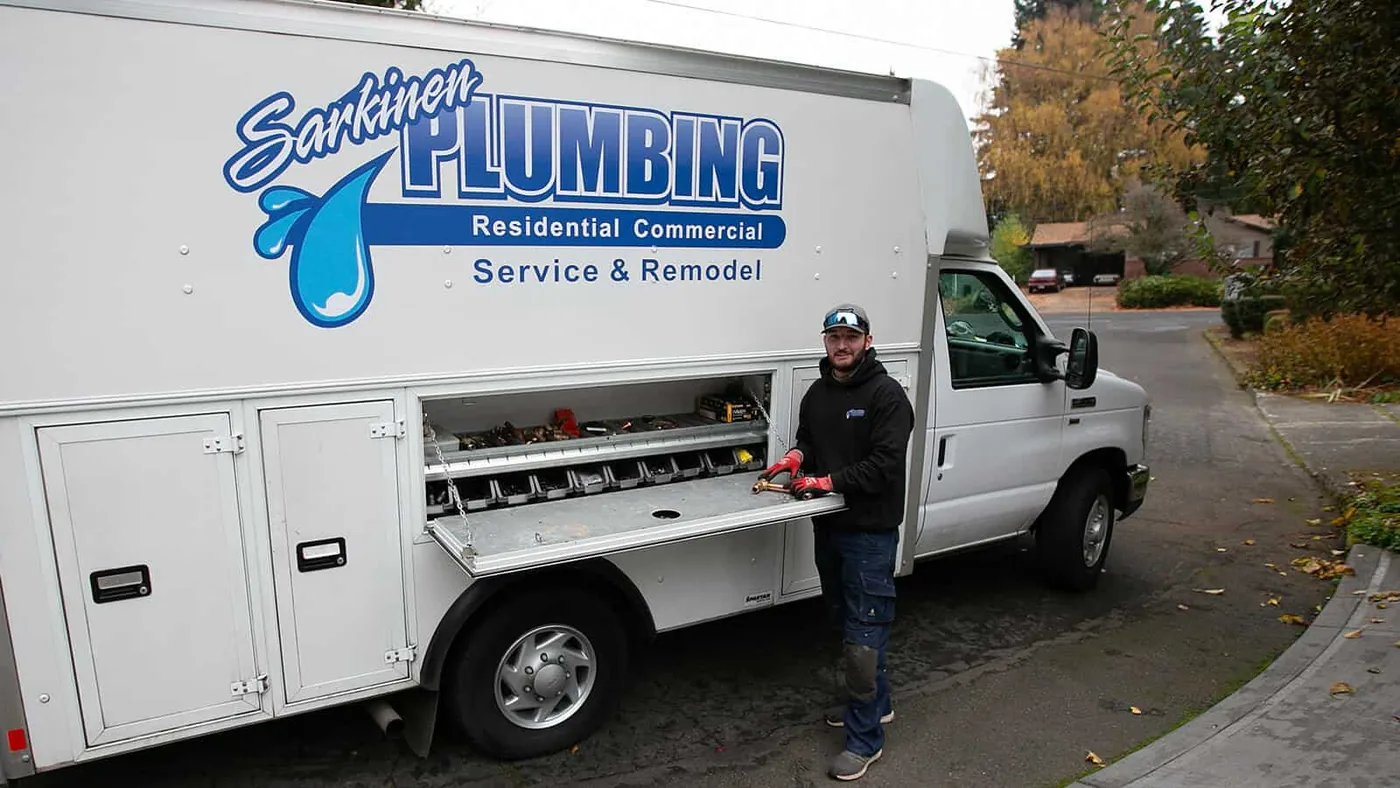
For Sarkinen Plumbing, Lithium doubled leads on the same budget by rebuilding the website, SEO and Google Ads together. Search visibility grew 3.75X in the first month, more than 50 of 220 tracked keywords reached the top three, and the ads converted at 27.37% against an average of about 5%. Read the Sarkinen Plumbing case study for the full story, or see the plumbing marketing page for how Lithium works with plumbers.