Columbia Web Design for Clearer Calls, Forms, and Bookings
Design, copy, SEO structure, and tracking built into one usable site.
Lithium builds websites that help Columbia visitors understand the business quickly. Strategy, copy, design, WordPress development, local search structure, forms, call tracking, and analytics are planned together instead of bolted on after launch.
- Google Partner certified
- Meta Business Partner
- 5.0 ★ across 30+ Google reviews
- 100+ clients served nationwide
- $10M+ in Google Ads managed
- Marketing services since 2010
Partner
Most underperforming sites hide the details buyers came to confirm.
Columbia organizations serve students, families, patients, homeowners, and professional buyers across mid-Missouri. The site has to help each visitor confirm fit quickly, whether they are looking for an appointment, estimate, reservation, or consultation.
“ The page should answer the buyer before asking for the form submission.
Useful web design work starts with the searches and referrals that already show intent. Examples might include local service, appointment, or estimate language such as: Columbia MO dental website design or mid Missouri contractor website Those visitors need a fast page, obvious service categories, proof that matches the claim, and contact options that do not disappear on mobile. Visual polish matters, but clarity carries the decision.
When a site is built around the real buyer journey from the first section through the final CTA, SEO structure, copy, design, and analytics support each other instead of competing for attention.
Slow mobile load = lost lead
Fast pages show respect for the buyer’s time. We review Core Web Vitals, mobile loading, image handling, font behavior, and layout stability so the site does not lose serious visitors before the service is clear.
No one-tap path to call you
Strong pages keep contact options close to buyer confidence. When a visitor has seen the service, proof, and fit, the call, form, appointment, or quote request should be simple to start from mobile.
Built for looks, not for ranking
The build includes the technical pieces a service site needs to be understood: organized URLs, crawlable pages, schema, fast mobile templates, redirect planning, and local business facts that match public profiles.
No proof above the fold
The first visit is usually a credibility test. We design the page so buyers can find services, proof, reviews, examples, and contact options without guessing whether the business handles their need.
The foundations behind a clearer, faster service-business website
The essentials are straightforward: explain the offer, load quickly, support search, show proof, make contact easy, stay accessible, work on mobile, and record the actions that matter after launch.
Sub-2.5-second mobile load
A fast site needs disciplined assets and templates. We watch image compression, responsive media, scripts, fonts, server behavior, and page stability so the site can support search and paid traffic without feeling sluggish.
Mobile CTAs placed where confidence builds
On mobile, the action has to stay visible without overwhelming the content. We place calls, forms, appointment links, and quote requests around service details and proof so the next step feels timely.
Above-the-fold value proposition
The opening section should not waste attention on slogans. We write and design it around the service, audience, proof, location, and action a serious visitor needs to see first.
SEO-ready architecture
Columbia search foundations built into the site
Local SEO structure belongs in the build. NAP consistency, service-area copy, LocalBusiness schema, Service schema, internal links, and profile alignment help the site support Columbia search without fake location tactics.
Real proof, placed where it converts
Trust content works best when it is specific. We use real reviews, examples, credentials, before-and-after details, awards, and process proof to support the message instead of decorating the page.
Tracking that ties leads to revenue
GA4 events fire on every form submission, booking action, and click-to-call. Call tracking connects conversations back to traffic source, and conversion tags are wired to Google Ads before campaigns send paid traffic into the new site.
WCAG-aware, AI-search-ready
Good structure makes the page easier to use and easier to parse. We plan headings, section order, contrast, labels, short answers, and semantic HTML so buyers and AI answer systems can follow the same facts.
How a third-generation Gulf Coast glass company drove 76% more conversions after we rebuilt their site.
Dixie Glass needed a site that could support real marketing, not just a fresher look. Lithium rebuilt the WordPress experience, tightened the paid traffic measurement, and added SEO foundations that helped organic visibility and conversion tracking improve together.
More conversions
Organic traffic growth
Search visibility growth
DIXIE GLASS | WEBSITE REBUILD CASE STUDY
Organizations that need pages built for real buyer decisions.
Columbia’s market includes healthcare, education, home services, legal firms, restaurants, retail, nonprofits, and university-adjacent businesses. We build sites for organizations that need service clarity, search structure, proof, forms, calls, and analytics working in the same direction.
HVAC, plumbing, electrical, roofing, restoration, and cleaning companies need pages that answer quickly. We make services, proof, response expectations, and forms easy to use while building the SEO foundation into the architecture.
Patient decisions often start with basic questions. We build healthcare sites around services, practitioners, accepted patients, reviews, directions, forms, and appointment actions, with language that explains care without overpromising.
Home improvement buyers want to know whether the company handles their kind of project. We structure contractor websites with services, galleries, credentials, estimate expectations, reviews, and service-area pages that answer that question.
Professional-service websites should make careful buyers more comfortable. We clarify services, qualifications, case context, industries served, intake steps, and appointment actions so the first conversation feels easier to start.
Food, venue, and hospitality businesses need design that feels branded but still practical. Hours, reservations, menus, event spaces, catering, photos, reviews, maps, and ordering actions should be obvious.
Automotive service sites should handle immediate searches and planned maintenance. Service categories, reviews, warranties, estimates, and call actions help both organic visitors and PPC clicks understand the next step.
Retail and specialty shops need more than an online brochure. The site should clarify products, brands, inventory expectations, reviews, store location, parking or pickup details, and the story that makes the visit worthwhile.
For B2B organizations, the site often supports a longer sales conversation. We build pages that explain services, industries, process, certifications, coverage, proof, and contact routing without turning every section into a pitch.
From kickoff to launch in six to nine weeks, with weekly decisions instead of mystery delays.
Lithium runs the build with documented checkpoints. You see the strategy, sitemap, design direction, content decisions, build progress, and launch preparation before anything depends on a last-minute reveal.
Discovery & strategy
Strategy starts by understanding the offer, audience, margins, competitive set, and current site data. The approved goal might be more calls, better quote requests, booked consultations, appointment requests, or cleaner lead qualification.
Information architecture & content plan
Before the build, we document the sitemap, content model, URL plan, tracking needs, schema, and SEO structure. The approved plan gives design and development a clear business target.
Design direction
The mockup phase turns strategy into a usable page system. Typography, spacing, colors, media, proof blocks, forms, and mobile states are reviewed against the goal before development starts.
Build, content, integrations
We build the site in Elementor on WordPress and write SEO-optimized copy in parallel. The build phase also includes forms, GA4 events, call tracking, Google Ads conversion tags, Google Business Profile alignment, schema, and any CRM or booking integrations needed to make leads trackable.
QA, launch, indexing
The final review checks user experience and measurement together. Mobile templates, forms, calls, thank-you states, redirects, analytics events, schema, tags, page speed, and indexation basics are reviewed before the site goes live.
30 / 60 / 90-day tracking
A website should keep getting smarter after launch. We use analytics, Search Console, form data, call activity, page speed, and user behavior to decide what content, design, or tracking should improve next.
Engineered to surface in Google AI Overviews, ChatGPT, Perplexity, and Claude when buyers ask.
A confused site creates confused summaries. We connect local SEO foundations with AI search readiness by making services, service areas, proof, reviews, and business details consistent across the page.
Quotable answer blocks
A direct answer near the top of a section reduces friction. We add context after the answer so buyers can scan quickly and AI answer engines have a cleaner statement to interpret.
Fact density and citations
The copy should not feel assembled from interchangeable claims. We add service details, proof, project context, customer questions, locations served, and process notes where they help a buyer evaluate fit.
Schema for generative engines
The schema plan should match the page, not invent a richer business than the content shows. We use structured data for identity, services, FAQs, breadcrumbs, and articles where it is appropriate and verifiable.
Brand consistency across the web
A website is only one source search systems read. We align profiles, directory listings, reviews, citations, social details, and local mentions so the company’s services and coverage are described consistently.
Topical authority and entity coverage
One generic services page is rarely enough. We build related pages, FAQs, proof sections, internal links, and service clusters so visitors and search systems can understand the company in context.
llms.txt + AI crawler controls
AI crawler policy should be intentional. We review robots.txt, llms.txt, Google-Extended, GPTBot, ClaudeBot, and PerplexityBot considerations alongside the site’s public content, search goals, and preferred discovery rules.
Where each website investment tends to pay off
Service businesses Lithium has built websites for.
Willard Power Vac
“Lithium Marketing has been amazing for our business. They have greatly increased our web traffic and helped us land hundreds of jobs.”
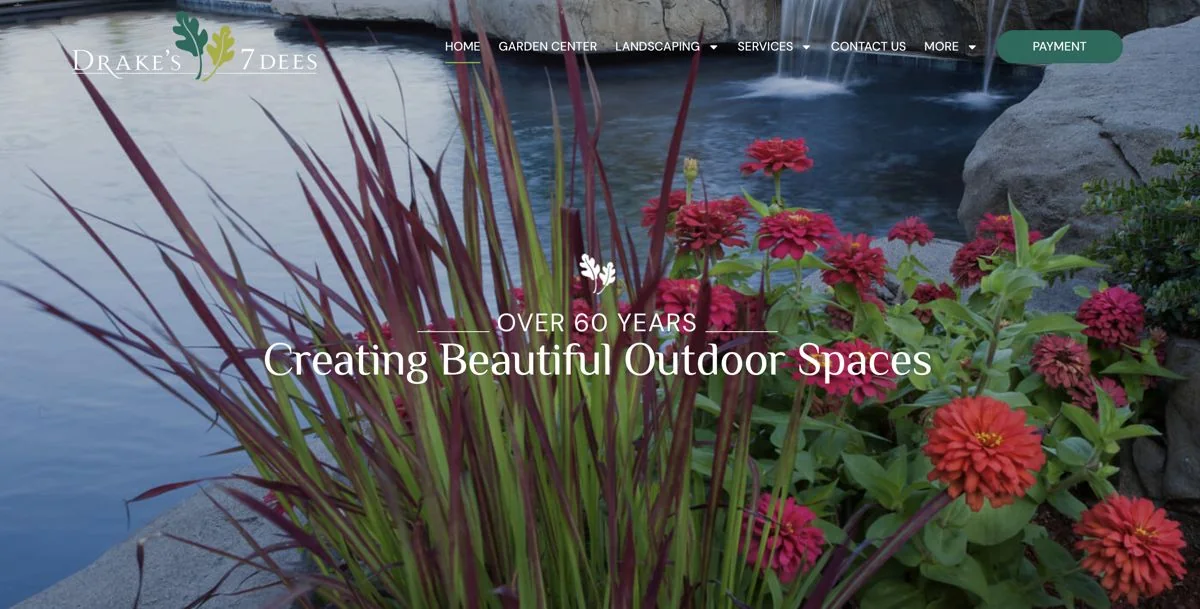
Drake’s 7 Dees
“Lithium has moved us to page 1 in Google search organically.”
Rickabaugh Construction
“Working with Lithium Marketing has been awesome.”
Columbia website questions without the fluff.
Budget depends on what the site must do. A Columbia project may include strategy, copy, design, build, tracking, SEO planning, and paid media landing-page support, so most complete builds range from $5,000 to $20,000 depending on scope.
Most projects launch in six to nine weeks after scope approval. Strategy, sitemap, copy, design, WordPress build, mobile QA, forms, redirects, schema, and analytics setup all need time if the site is going to work properly.
A new site gives SEO a better platform, not an automatic ranking win. We plan crawlable pages, local signals, schema, internal links, Core Web Vitals, and service-page strategy so future growth has somewhere to land.
Yes. Ownership covers the completed WordPress site, approved page content, scoped creative work, and custom build elements. We also recommend keeping domain, hosting, analytics, and search accounts under business-controlled access after launch for long-term control.
Yes. The site is built in WordPress with Elementor so everyday content edits are manageable. We provide a walkthrough, and Lithium can help with ongoing SEO, content, paid traffic, tracking, and technical maintenance when needed.
The practical question is whether the agency can understand the market, run the project, and measure results. Lithium’s remote process combines service-page strategy, analytics, PPC experience, and clear approvals without requiring repeated in-person meetings or travel delays.
Lithium combines web design with the marketing systems around it. We plan SEO structure, PPC landing needs, analytics, forms, calls, and proof together so the finished site is easier to measure and improve after launch.
Most Columbia clients work with us remotely. Strategy calls, Loom reviews, written notes, shared documents, email, and clear approval steps keep the project moving. In-person work can be considered separately if the scope truly requires it.
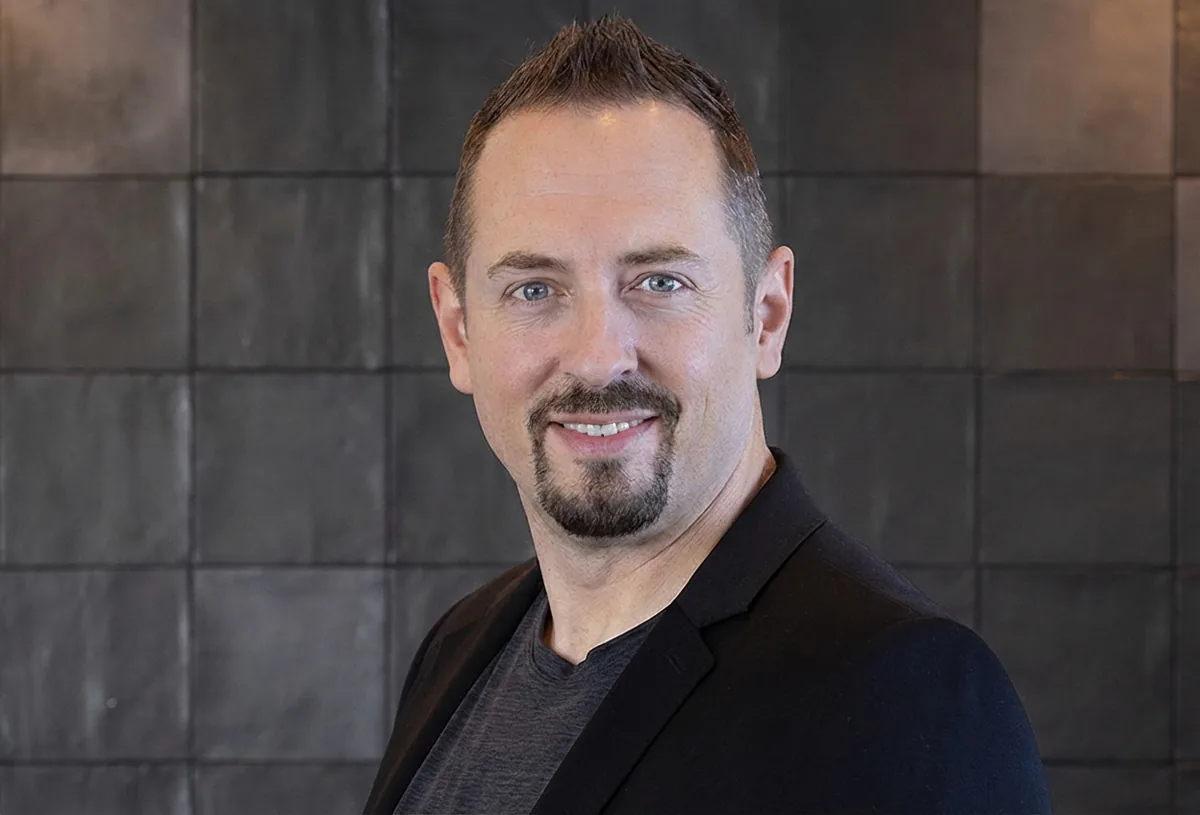
Your first website review is handled by DJ Van Zanten
DJ leads the initial website review so the conversation starts with business priorities. His background includes more than twenty years in digital marketing and consulting with over 1,000 service businesses.
Get a clearer website priority list
We look at the current site through buyer behavior and measurement: load speed, mobile flow, service clarity, proof, forms, calls, schema, Google Business Profile alignment, analytics, and the sections most likely to create friction.
- No sales pitch
- 30 minutes
- You keep the audit either way