Orange Web Design Built for Clearer Service Decisions
Pages planned around clear offers, proof, and measurable inquiry actions.
A strong Orange website has to feel polished and practical at the same time. We build pages that explain services clearly, support local search, place proof near decisions, and make the next action easy on mobile.
- Google Partner certified
- Meta Business Partner
- 5.0 ★ across 30+ Google reviews
- 100+ clients served nationwide
- $10M+ in Google Ads managed
- Marketing services since 2010
Partner
Design polish does not matter if the page avoids the decision.
Orange businesses compete in a crowded Orange County market where polished competitors are often one search result away. Home services, healthcare, restaurants, legal offices, retail, and professional firms need pages that show credibility without making the visitor work.
“ A polished page still has to help the buyer choose.
Useful web design starts with the moments where buyers compare options and decide who feels easiest to trust. The search might be simple, but the intent is serious: Orange CA roofing website design or Orange County dental website redesign Those searches need a page that loads cleanly, explains services in direct language, shows proof near the claim, and makes calls, forms, bookings, or quote requests easy to start. Pretty design alone is not enough.
A stronger website connects positioning, mobile performance, service-page structure, local SEO, paid traffic readiness, accessibility, and tracking so the business can see where interested visitors become real inquiries.
Slow mobile load = lost lead
Orange County buyers are used to fast, polished digital experiences. If the page shifts, waits, or buries the service behind heavy visuals, the visitor may leave before proof or contact options appear.
No one-tap path to call you
The next step should appear where interest is created. Calls, forms, appointment links, and estimate requests belong close to service explanations and proof, not only at the very bottom of the page.
Built for looks, not for ranking
Search structure is part of the design system. URLs, service hierarchy, schema, headings, internal links, speed, and profile consistency help Google understand the business while visitors move through the page naturally.
No proof above the fold
A good-looking page still has to earn belief. Reviews, examples, credentials, service details, photos, and expectations should support the claims before the visitor starts comparing another Orange provider.
The practical pieces a service-business site needs before traffic arrives.
We plan the site around business use, not decoration alone. Positioning, mobile speed, service-page clarity, proof, local search structure, accessibility, conversion actions, and analytics are handled before launch.
Sub-2.5-second mobile load
Performance is designed into the build. Images, scripts, fonts, layout stability, hosting response, and interaction timing are checked on mobile so the finished site feels fast when a buyer is comparing options.
Mobile actions placed where decisions happen
Mobile visitors should be able to call, book, request pricing, or submit a short form from the sections that create trust. We keep actions visible without turning the page into a pile of buttons.
Above-the-fold value proposition
The first screen should make the offer obvious. We clarify the service, audience, proof, and next step before styling choices, animations, or imagery distract from the reason the visitor arrived.
SEO-ready architecture
Search structure built into the site
Local business data should be consistent across the site and public profiles. We align NAP details, service categories, service areas, schema, and page language so Google and visitors see the same business.
Real proof, placed where it converts
Proof should not be stored in a lonely testimonial section. Reviews, photos, credentials, case details, process notes, and service outcomes belong near the decisions they help support.
Tracking that ties leads to revenue
GA4 events fire on every form submission, booking action, and click-to-call. Call tracking connects conversations back to traffic source, and conversion tags are wired to Google Ads before campaigns send paid traffic into the new site.
WCAG-aware, AI-search-ready
Accessibility and clarity make the site easier to use and easier to interpret. We plan headings, contrast, keyboard behavior, forms, concise answers, and markup that can support AI systems responsibly.
How a third-generation Gulf Coast glass company drove 76% more conversions after we rebuilt their site.
Dixie Glass needed a website and campaign foundation that could turn interest into measured action. Lithium rebuilt the site around clearer forms, stronger PPC tracking, and page architecture that supported SEO. Over twelve months, conversions increased 76 percent, search visibility rose 71.2 percent, and organic traffic grew 18.2 percent.
More conversions
Organic traffic growth
Search visibility growth
DIXIE GLASS | WEBSITE REBUILD CASE STUDY
Local companies where clearer pages can turn interest into contact.
Orange sits in a competitive service market with Old Towne businesses, healthcare providers, home-service companies, legal offices, retailers, restaurants, and broader Orange County competition. The website needs to look credible, explain services quickly, and support search and paid traffic without making the visitor decode the offer.
Home-service companies need pages that help a homeowner act quickly. Service categories, proof, availability, estimate language, and local SEO structure should make the business easier to compare without hiding the action.
Healthcare and dental practices need pages that reduce uncertainty. Provider information, service details, insurance context, reviews, directions, and appointment options should be clear before a patient calls.
Contractor websites need to prove the work before asking for an estimate. Project examples, materials, job types, service areas, credentials, and process notes help qualify better inquiries.
Professional-service firms need credibility before a visitor asks for pricing or advice. Practice areas, bios, credentials, case context, consultation options, and process details should be easy to scan.
Restaurants, cafes, venues, caterers, and hospitality teams need sites that answer fast. Menus, hours, reservations, events, photos, reviews, maps, and ordering options should not fight the brand design.
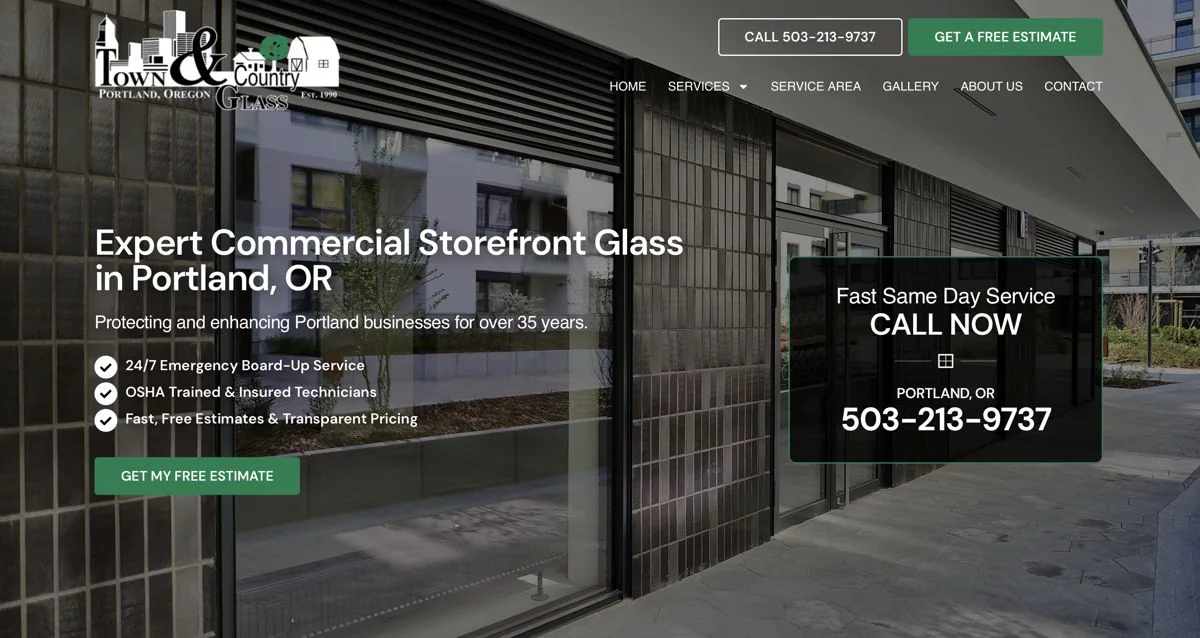
Repair shops, collision centers, detailers, tire stores, glass companies, and fleet services need urgent visitors to understand fit quickly. Service pages, estimate language, reviews, and phone-first actions should support PPC landing traffic.
Retailers and showrooms need sites that make products and visits easier to plan. Inventory context, brands, photos, store details, reviews, hours, and pickup or appointment options help shoppers decide.
B2B and professional firms need pages that make capability easy to judge. Services, industries served, certifications, project context, process, and qualified form actions should support longer sales cycles.
From kickoff to launch in six to nine weeks, with weekly decisions instead of mystery delays.
The project moves in visible steps. Strategy, content direction, design review, build, QA, and launch planning happen with enough checkpoints that your team can make decisions without guessing what is happening.
Discovery & strategy
Discovery defines what the site has to accomplish. We review services, buyers, offer strength, competitors, analytics, search data, and conversion goals before design starts, so the build is not based on taste alone.
Information architecture & content plan
The planning stage produces a sitemap, URL plan, schema approach, content outline, and page briefs. SEO is built into the architecture before layouts are approved, which keeps the site from needing avoidable cleanup after launch.
Design direction
Visual direction follows the page strategy. We design the first key layouts, review desktop and mobile decisions, then extend the approved system across the rest of the site without reinventing every page.
Build, content, integrations
We build the site in Elementor on WordPress and write SEO-optimized copy in parallel. The build phase also includes forms, GA4 events, call tracking, Google Ads conversion tags, Google Business Profile alignment, schema, and any CRM or booking integrations needed to make leads trackable.
QA, launch, indexing
Launch QA covers the practical things that break inquiry quality: mobile layouts, forms, phone links, redirects, schema, analytics events, tags, Search Console, speed, and content review before real traffic depends on them.
30 / 60 / 90-day tracking
After launch, the site starts producing evidence. We watch traffic, inquiry actions, page performance, search movement, ad readiness, and visitor behavior so the next improvements are based on what people actually do.
Engineered to surface in Google AI Overviews, ChatGPT, Perplexity, and Claude when buyers ask.
AI search depends on source clarity. We structure service pages, entity facts, reviews, FAQs, citations, and proof so classic SEO and AI systems can understand the business from useful content.
Quotable answer blocks
Direct answers help both people and machines. We write important sections so the first sentence answers the question, then the surrounding copy gives AI systems enough context to avoid guessing.
Fact density and citations
Specificity makes the site more believable. We use real services, examples, credentials, staff context, pricing or process notes, and claims that the business can stand behind.
Schema for generative engines
Schema supports the facts already visible on the page. Business identity, services, FAQs, breadcrumbs, articles, reviews, and action details are marked up where supported and validated before launch.
Brand consistency across the web
The site should agree with the rest of the public web. We compare profiles, listings, reviews, social pages, and service descriptions so search and answer systems see one coherent company.
Topical authority and entity coverage
The site should cover the decision, not repeat the same claim. Service pages, FAQs, proof, examples, internal links, and supporting content help search systems understand the business with more depth.
llms.txt + AI crawler controls
Crawler rules should match the content strategy. When AI visibility matters, we pair clear source pages with robots.txt and llms.txt guidance so the business can state how important content should be discovered.
How different website choices affect service businesses
Service businesses Lithium has built websites for.
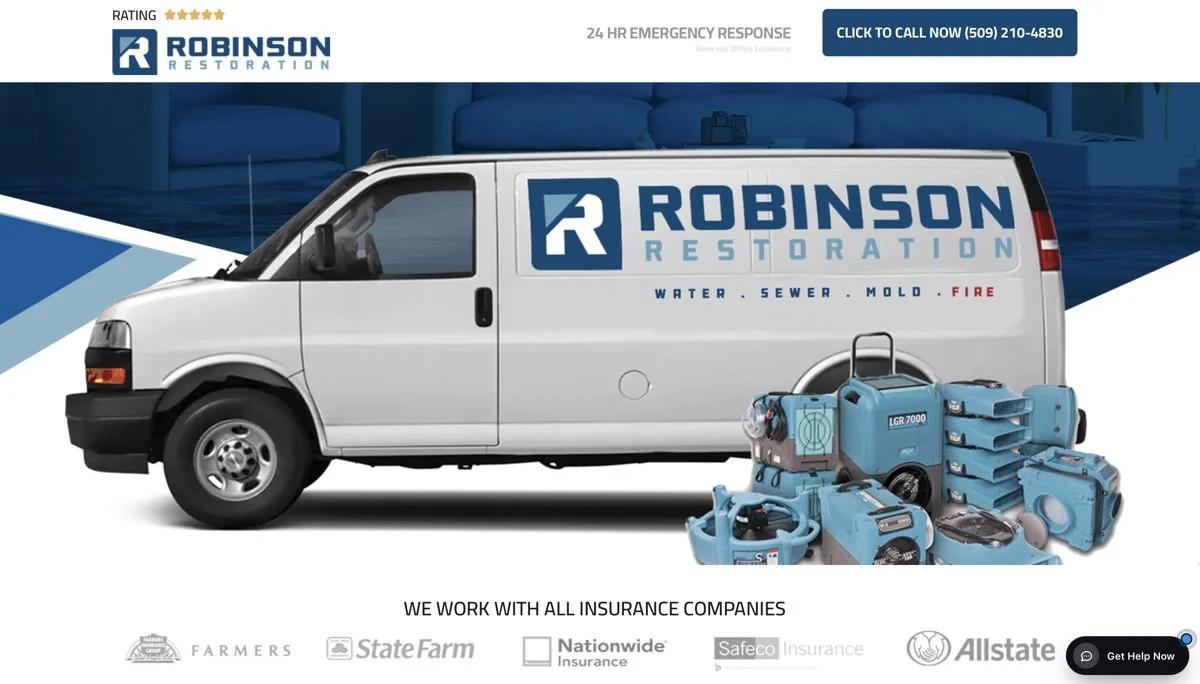
Willard Power Vac
“Lithium Marketing has been amazing for our business. They have greatly increased our web traffic and helped us land hundreds of jobs.”
Drake’s 7 Dees
“Lithium has moved us to page 1 in Google search organically.”
Rickabaugh Construction
“Working with Lithium Marketing has been awesome.”
Orange web design, straight answers.
A typical service-business website takes six to nine weeks when feedback arrives on schedule. Strategy, content planning, design, build, QA, redirects, schema, analytics, and launch review all need time before real traffic depends on the site.
Yes, a new site can create a stronger base for SEO, but rankings still depend on content depth, competition, authority, reviews, and ongoing work. The build should improve crawlability, service pages, internal links, schema, speed, and local proof.
Yes. The WordPress build, approved page copy, custom work, and project assets covered in scope belong to your business. Domain, hosting, and analytics access should stay under your control so the site remains an asset after launch.
Yes. The site is built in WordPress with Elementor, which gives your team a visual editing workflow for normal page updates. We provide a walkthrough and can continue supporting technical work, content, search, paid traffic, and conversion improvements.
The useful question is whether the agency can build around your buyers, search structure, conversion goals, and accountability. Lithium works remotely with service businesses nationwide, and for Orange projects we plan clear pages, tracking, and PPC-ready actions without needing constant in-person meetings.
Most website projects are handled remotely with calls, Loom walkthroughs, shared documents, email, and project notes. That keeps decisions visible and scheduling easier. If an in-person session is important, we can discuss the need during scope planning.
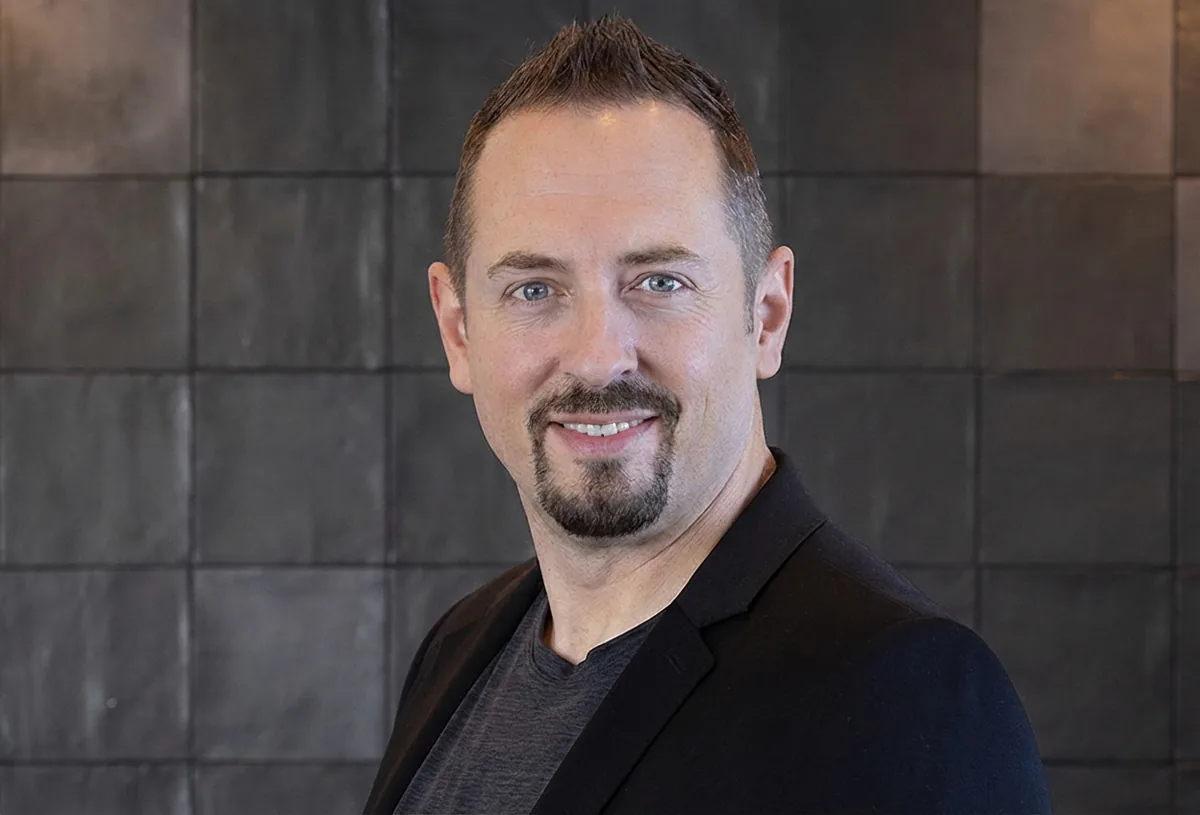
Your strategy call is led by DJ Van Zanten
DJ Van Zanten leads the strategy call himself. He has worked in digital marketing for more than twenty years and has consulted with over 1,000 service businesses, so the first conversation is about practical fit, not a handoff script.
Get a free website review
The review looks at speed, mobile usability, service clarity, proof, calls to action, schema, local profile alignment, analytics events, and the spots where serious visitors may lose confidence before contacting you.
- No sales pitch
- 30 minutes
- You keep the audit either way