
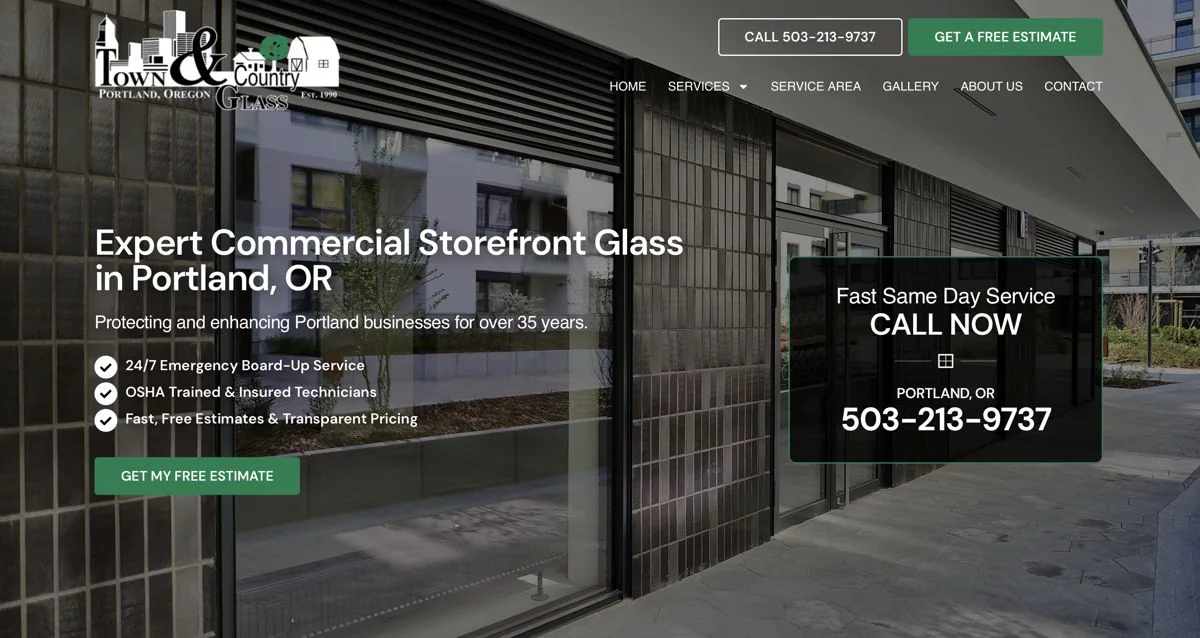
 Commercial glass
Town & Country Glass
13Xorganic traffic
145 to 1,849 visits a month
- top-3 rankings, up from 1
- 109
- top-3 rankings, up from 1
- Google Ads conversion rate
- 29.9%
- Google Ads conversion rate
SEO company for Schenectady plumbing businesses
Help Schenectady plumbing customers find services you want to book, with useful pages beyond a profile introduction and search work measured in calls and quote requests.
 Google PartnerView our Partners listing
5.0on Google · read our reviews
Google PartnerView our Partners listing
5.0on Google · read our reviews
Businesses
we’ve worked with
Businesses we’ve worked with
A business profile should connect with useful answers about the plumbing work
A plumbing owner may concentrate on a local business profile while the website gives customers little information about the services they can hire. Lithium Marketing researches the desired jobs and actual territory, then improves readable service pages and search foundations. We connect accurate local information with useful customer answers and review the enquiries staff receives.
The SEO purchase should explain the company and the relevant plumbing offer. We examine visibility, technical issues and the pages people reach after finding the business. Genuine experience, relevant links and practical first questions support that customer conversation.
Research the service question behind the business discovery
Research the service questions behind ‘plumber Schenectady’, with 390 monthly searches, when choosing useful customer pages. The $22.24 average CPC is a paid-search benchmark to discuss separately from organic page priorities. Current visibility and the company's actual jobs still guide the SEO work.
A plumbing business within Schenectady County’s category of 41 plumbing and HVAC establishments can explain its own work through readable services and genuine examples. Accurate local information helps identify the business, while useful pages explain what a customer can request. Staff feedback supplies the service purpose behind the received call.
| Search | Searches a month | Cost per click |
|---|---|---|
| seo agency schenectady | under 10 | not reported |
| seo company schenectady | under 10 | not reported |
| seo services schenectady | under 10 | not reported |
| seo schenectady | under 10 | not reported |
Source: Google Ads keyword data, average monthly U.S. searches. "Under 10" = below Google’s reporting floor.
Source: one Google results page for “plumber schenectady”, as Google showed it to a searcher located in Schenectady. Search ad counts exclude sponsored local listings. Results shift by searcher and day.
Use real plumbing experience to explain the customer's next question
A visitor who finds your plumbing profile still needs to understand the fixture services you offer. Schenectady’s median housing construction year of 1941 gives existing-home context for a page explaining a genuine plumbing job, its room and the work completed. Link that example to a service answer and a clear invitation to describe the customer’s own request.
Useful pages should explain the work and the first customer conversation beyond the profile's general business introduction. We can choose answers from the team's actual questions and experience. The owner understands which services the search work is intended to support.
Sources: U.S. Census Bureau 2025 population estimates, ACS 2020–2024 and 2023 County Business Patterns.
Choose the receiving details and real territory behind the search plan
For a plumbing introduction in Schenectady, where the owner-occupied housing share is 45.6%, the customer can identify the space and contact needed for the service discussion. Connect those questions with the page answer. Staff receives a useful aim before deciding what further details to request.
Across Schenectady’s 10.808 square miles of land, choose service and area pages from the company's actual work territory. Relevant destinations and accurate local information should reflect that offer. Review calls and quote requests with staff to decide which answer or search task needs further work.
County Business Patterns
Trade and home service businesses in Schenectady County
Establishments by industry, 2023
Source: U.S. Census Bureau, 2023 County Business Patterns (NAICS establishment counts).
Choose desired services and connect local discovery with readable pages
Agree jobs and territory, review visibility and pages, improve search foundations and useful answers, then discuss real requests with staff.
Define the services and actual locations the company wants to promote.
Examine what a customer finds and understands about the offer.
Connect genuine answers with technical, local and linking work.
Use staff feedback to choose the next SEO improvement.
What every SEO retainer includes
The same eight parts go into every SEO retainer, wherever the business is.
Website, organic and paid work for a Portland commercial-glass business
Lithium delivered a new website, SEO and Google Ads for Portland commercial-glass business Town & Country Glass. Kevin Atiyeh of Atiyeh Bros Carpet provides the separate carpet-and-rug perspective on understanding the company and applying that knowledge to digital marketing.
Commercial glass13Xorganic traffic
145 to 1,849 visits a month
“Lithium Marketing has done a good job with understanding our Company and what we specialize in and applying that to our digital marketing.”
 Kevin AtiyehAtiyeh Bros Carpet
Choose plumbing search destinations from the actual customer work area
Local profile visibility and plumbing service pages have different roles in explaining your working territory. Review Albany, Utica and Troy in New York alongside Poughkeepsie when selecting relevant pages; consider the Vermont locations of Rutland and Bennington only where the company accepts work. Further destinations in the New York city collection can help plan accurate service information for that territory.
Published price
$1,300–$3,000
per month
Typical local SEO retainer, scoped against what a lead is worth to you, with AI search optimization included.
FAQ

Still curious?
Call (503) 766-5964 or email [email protected].
Accurate local information identifies the business, while readable service pages answer the customer's hiring questions. We can research desired jobs and improve relevant destinations. Staff feedback helps assess whether those pages support useful enquiries.
A typical monthly scope costs $1,300–$3,000. Consider the plumbing jobs you want, their value and staff's booking rate from suitable enquiries. Reviewing that information helps discuss the work needed to cover the expense.
Typical technical fixes take about 30 days, local and long-tail movement about 60–90 days and revenue compounding can begin from month four. Starting visibility, competition and completed work affect those milestones. Positions and enquiry totals are not promised.
Accurate Google Business Profile and local information support Map Pack work, with proximity still limiting reach. Relevant service and area pages also support organic discovery. Google Ads is a separate management and advertising-budget purchase.
Helpful customer answers, clear business information and appropriate schema are included in SEO readiness work. AI mentions and rankings are not promised. A managed AI receptionist is a distinct phone service for approved FAQs, qualification and supported booking functions.
Free action plan
Discuss desired jobs and current visibility with a co-founder by video. We can choose the first page and search improvements and agree how staff will review real calls and quote requests.
What we’ll cover
2000 NE 42nd Ave Ste D Unit 2370, Portland, OR 97213
Prefer to pick a time? Book a 30-minute call with DJ